
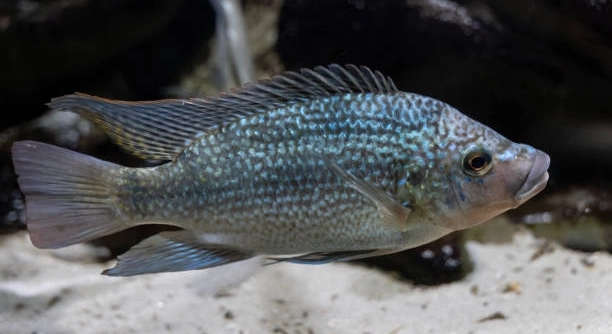
Moving a convict cichlid to a new tank can be stressful for both the fish and the owner. Observing their behavior after the move helps you understand how they are adjusting to the new environment and setup.
Convict cichlids often display aggression, territoriality, hiding, increased activity, color changes, feeding variations, and interaction shifts after a tank move. Monitoring these behaviors allows for proper care and ensures the fish adapt safely to their new surroundings.
Watching your cichlid adapt to a new tank reveals more than just stress—it shows how they explore, claim territory, and interact with their environment over time.
Increased Hiding and Cautious Behavior
After moving to a new tank, convict cichlids often spend more time hiding behind decorations or plants. This behavior is normal as they adjust to unfamiliar surroundings. Some fish may stay in one corner for hours, only cautiously exploring when they feel safe. Small caves or hiding spots can help them feel secure and reduce stress. Providing familiar structures from their old tank can also make the transition smoother. Over time, most cichlids will start to explore more openly as they gain confidence in the new environment. Observing them regularly helps you identify if their hiding is temporary or linked to stress or aggression from tank mates.
Hiding is a short-term adjustment that usually decreases within the first week after the move.
Creating a comfortable environment with multiple shelters and consistent water conditions allows your convict cichlids to regain confidence. Feeding in a quiet area and limiting sudden changes encourages them to emerge from hiding sooner. Watching their cautious movements gives insight into their temperament and stress levels. Consistent care and patience ensure they settle comfortably, making future tank changes less disruptive.
Heightened Aggression and Territorial Displays
Convict cichlids may become more aggressive immediately after a tank move, defending new territories aggressively.
This behavior is most noticeable when multiple fish are present. They may chase or nip at other tank mates, flare their fins, or guard specific areas. Aggression helps them establish boundaries and feel secure, though it can stress less dominant fish. Temporary isolation or rearranging tank decorations can redirect aggression and prevent constant conflict. Observing interactions closely allows you to intervene before injuries occur. Maintaining proper tank size and hiding spaces reduces tension and supports natural behavior.
Aggression often peaks during the first few days after relocation and gradually decreases. Ensuring each cichlid has enough space, hiding spots, and visual boundaries encourages calmer interactions. Rearranging rocks, plants, or caves can disrupt established territories, so changes should be minimal once a dominant hierarchy forms. Feeding at consistent times and monitoring water quality helps maintain stability and reduces stress-driven aggression. Over time, cichlids typically adjust to one another, forming temporary or stable hierarchies depending on the number of fish and tank size. Careful management during this period ensures a balanced environment where all fish can thrive and show normal social behaviors.
Color Changes and Stress Signals
Convict cichlids often show darker or duller colors after a tank move, signaling stress.
This color shift happens because they are adjusting to new surroundings and assessing threats. Stress hormones affect pigmentation, so fish may look less vibrant until they feel secure. Once comfortable, their bright stripes and colors gradually return. Sudden or extreme color changes can indicate poor water conditions, illness, or ongoing stress. Monitoring water parameters and ensuring stable temperatures can prevent prolonged discoloration.
Stress-related color changes can also coincide with other behaviors like hiding, aggression, or reduced feeding. Providing consistent light cycles, familiar decorations, and gentle observation helps the fish regain normal coloration. Avoid sudden movements or loud noises near the tank, as these can intensify stress and slow recovery. Regularly checking water quality, including pH, ammonia, and nitrite levels, ensures the environment supports both physical health and natural color restoration. Over time, most cichlids regain their usual vibrant appearance, reflecting comfort and stability in the new tank.
Altered Feeding Habits
Convict cichlids may eat less or more cautiously after a tank move, showing temporary changes in appetite.
Some fish refuse food at first, waiting until they feel safe. Others may grab food quickly but then retreat to hiding spots to eat. These variations are normal and usually resolve as they settle in. Offering smaller, frequent meals in a quiet area encourages regular feeding. Observing feeding patterns helps determine if stress or environmental issues affect appetite. Consistency in diet and timing supports digestive health and reduces stress-related feeding problems.
Patience is key during this period, as forcing food can increase stress. Monitoring weight and overall health ensures the fish are adjusting appropriately. Gradually introducing familiar foods helps rebuild routine and confidence. Avoid overfeeding, which can worsen water quality and lead to digestive issues. Feeding in multiple areas or near hiding spots allows timid fish to eat safely. Over the first week, most cichlids resume normal eating habits, reflecting adaptation to the new tank and reduced stress levels.
Increased Activity and Exploration
After a tank move, convict cichlids may swim more actively, exploring every corner.
This behavior helps them familiarize themselves with the new environment. Some fish may patrol territories repeatedly or inspect hiding spots to establish comfort. Watching their movements shows how they adjust and claim space in the tank.
Interaction with Tank Mates
Convict cichlids adjust social behaviors after relocation. They may test boundaries, chase, or briefly ignore other fish. These interactions help establish new hierarchies and reduce long-term conflict. Observing them ensures aggression does not escalate and that all fish adapt safely to the shared space.
Nesting and Territory Marking
Some convict cichlids start digging or arranging decorations to mark territory soon after being moved.
Resting Patterns
Convict cichlids often rest in unusual spots for a few days after relocation, seeking safe areas.
How long does it take for convict cichlids to adjust after a tank move?
Adjustment time varies but typically takes about one to two weeks. During this period, fish may hide, explore, or show temporary aggression. Individual personality, tank size, water conditions, and the presence of other fish influence how quickly they settle. Patience and stable conditions help the transition.
Is increased aggression normal after a move?
Yes, heightened aggression is common. Convict cichlids defend territories and test boundaries in new surroundings. Temporary chasing, fin flaring, or minor nipping are normal as they establish hierarchies. Ensure enough hiding spots and visual barriers to reduce conflicts and prevent stress or injury.
Why are my cichlids hiding more than usual?
Hiding is a natural response to stress or unfamiliarity. Providing caves, plants, and shelters allows them to feel secure. Avoid excessive disturbances, and maintain consistent water conditions. Most fish gradually explore openly as confidence grows over several days.
What causes color changes in convict cichlids after relocation?
Stress and environmental changes often trigger color changes, usually darkening or dulling of stripes. Stable water parameters, consistent lighting, and minimal disturbances support normal coloration. Once the fish adjust, vibrant patterns typically return, signaling comfort and reduced stress.
Why might they eat less or show feeding changes?
Reduced appetite is common after a move due to stress. Fish may eat cautiously, hide while feeding, or refuse food temporarily. Offering small, frequent meals near hiding spots encourages regular eating. Gradually, they return to normal feeding habits as they feel secure.
Are nest digging and territory marking normal behaviors?
Yes, convict cichlids often dig, rearrange substrate, or claim spaces to establish territories. This is instinctive and usually peaks during early adjustment. Observing this behavior helps understand their comfort level and social dynamics in the tank.
How can I reduce stress during the adjustment period?
Maintain stable water parameters, consistent lighting, and minimal sudden changes. Provide plenty of hiding spots and visual barriers. Feed in quiet areas, avoid tapping the glass, and limit tank rearrangements to create a calm environment for settling.
Should I separate aggressive fish after moving?
Separation is only necessary if aggression leads to injury or constant stress. Temporary visual barriers or rearranging tank décor often reduces conflict without isolating fish. Most hierarchies stabilize within days to a week.
What are signs my cichlids are adapting well?
Exploring freely, resuming normal feeding, returning to bright coloration, and interacting appropriately with tank mates indicate healthy adjustment. Reduced hiding, balanced aggression, and consistent rest patterns are positive signs. Monitoring these behaviors helps ensure long-term comfort and well-being.
Do tank size and décor impact adaptation?
Yes, larger tanks with multiple hiding spots, caves, and plants support smoother transitions. Space allows fish to establish territories, reduces conflicts, and provides safe areas for resting or feeding. Simple layouts with visual boundaries often help more than overly open tanks.
How often should I monitor them during this period?
Daily observation is recommended, but avoid overhandling. Checking water quality, feeding, and interactions ensures stress is minimal and any aggressive behavior is addressed quickly. Gradual, gentle monitoring helps fish feel secure while adjusting.
Can relocation affect long-term behavior?
Temporary stress can alter activity, feeding, and social interactions. With proper care, these effects are usually short-term. Long-term impacts occur only if water conditions are poor, aggression is severe, or stress is prolonged. Consistent care minimizes lasting changes.
What environmental factors influence recovery speed?
Stable temperature, pH, ammonia, nitrite, and nitrate levels are critical. Consistent lighting, minimal noise, and proper hiding spots also help. Fish in well-maintained tanks with compatible companions adapt faster than those in stressful or crowded conditions.
How do I encourage exploration without causing stress?
Introduce changes gradually, provide multiple hiding spots, and feed near the areas you want them to explore. Avoid sudden movement around the tank. Observation and patience allow fish to gain confidence and explore naturally.
Is it normal for cichlids to rest in unusual places after a move?
Yes, they may rest in corners, behind decorations, or in hiding spots until feeling safe. Once comfortable, resting becomes predictable and less conspicuous. Temporary shifts in resting patterns are part of their adaptation process.
How can I tell if a behavior indicates illness rather than adjustment?
Persistent loss of appetite, rapid color fading, labored breathing, or lethargy beyond the first week may indicate health issues. Adjustment behaviors are temporary and improve steadily. Regular water testing and observation help distinguish stress from illness.
Do tank mates affect adaptation?
Yes, aggressive or overly shy tank mates can influence stress and social behaviors. Providing visual barriers, rearranging décor, or temporarily separating fish helps balance interactions. Proper tank size and hiding spots minimize tension and support smoother adaptation.
Are frequent water changes necessary after a move?
Partial water changes support water quality but should be moderate to avoid additional stress. Sudden or large changes can worsen adjustment. Maintaining stable, clean water is more important than frequent large changes during the early period.
Can I speed up the adaptation process?
Consistency in feeding, lighting, and tank environment helps, but forcing interaction or overhandling may backfire. Patience, stable conditions, and proper tank setup are the most effective ways to encourage natural adaptation and reduce stress.
How long should I expect feeding habits to normalize?
Most cichlids resume regular feeding within several days to a week. Smaller, frequent meals and quiet feeding areas support recovery. Monitoring appetite and weight ensures they regain normal routines safely and comfortably.
Do convicts show different behaviors based on age or size?
Yes, younger or smaller fish may hide more and be less aggressive. Mature or dominant individuals often establish territories faster and show bolder exploration. Recognizing these differences helps manage aggression and predict adjustment patterns.
What role does tank décor play in social dynamics?
Caves, rocks, and plants create territories, reduce conflicts, and provide hiding spaces. Visual barriers allow fish to claim areas without constant confrontation. Simple, stable layouts are often more effective than frequent rearrangements during the adjustment period.
How important is observation during the first two weeks?
Close observation allows you to notice stress, aggression, or feeding issues early. Daily monitoring ensures timely intervention, maintains water quality, and helps assess adaptation. Gentle, patient observation supports comfort and long-term well-being of the fish.
Can I introduce new tank mates during this period?
It is best to wait until cichlids are settled, typically after two weeks. Introducing new fish too early can increase stress, trigger aggression, and disrupt established hierarchies. Ensuring stable behavior first promotes safer integration later.
Are there specific foods that help stressed cichlids?
High-quality pellets, frozen or live foods, and varied diets encourage eating and reduce stress. Small, frequent portions near hiding spots help timid fish feed without exposure to perceived threats. Gradual reintroduction of normal feeding routines supports recovery.
How do I track progress effectively?
Note feeding patterns, color, aggression, hiding, and exploration daily. Comparing these observations over time helps identify improvement, stress, or potential issues. Consistent tracking ensures cichlids adapt safely and provides insight for future tank moves.
Can environmental enrichment speed recovery?
Yes, plants, rocks, and caves provide stimulation and comfort. Rearranging decorations minimally encourages exploration without causing stress. A balanced environment supports normal behavior, territorial claims, and natural instincts while the fish adjust.
What is the most common mistake during adaptation?
Overhandling, frequent tank changes, or adding new fish too soon often prolongs stress. Stability, patience, and observation are far more effective than intervention. Minimizing disturbances allows natural adjustment and prevents long-term behavior issues.
How do I know when my convict cichlids are fully adjusted?
Regular feeding, vibrant coloration, predictable resting, reduced hiding, and balanced social interactions indicate full adaptation. Fish appear confident, explore actively, and show normal territorial and social behaviors. Once these patterns stabilize, the new tank is comfortably established for them.
Is professional advice ever needed?
Yes, if aggression, illness, or unusual behaviors persist beyond two weeks, consulting a fish health professional can prevent long-term problems. Expert guidance helps identify underlying issues, ensures water quality is optimal, and supports overall fish welfare.
How does tank size affect adaptation time?
Larger tanks with sufficient hiding spaces allow fish to establish territories and reduce stress. Smaller or overcrowded tanks often increase aggression and prolong hiding, slowing adaptation. Providing space for each fish improves comfort and accelerates natural settling behaviors.
Do water parameters need extra attention after a move?
Yes, monitoring temperature, pH, ammonia, nitrite, and nitrate levels is crucial. Sudden fluctuations can intensify stress and trigger abnormal behaviors. Maintaining stable water conditions supports feeding, coloration, and social interactions during adjustment.
Are temporary behavioral changes always stress-related?
Most changes after a move are stress-related and short-term. However, prolonged hiding, loss of appetite, or fading color may indicate health issues. Observing trends and water quality ensures temporary behaviors do not become long-term problems.
Can interaction with humans affect adaptation?
Yes, sudden movements, tapping, or overhandling may increase stress. Gentle, minimal interference allows fish to explore, feed, and establish territories naturally. Patience and careful observation are more effective than frequent human interaction.
How do I balance multiple behaviors during adaptation?
Observe hiding, aggression, feeding, and color changes together. Adjust tank décor, feeding routines, and monitoring frequency to support all behaviors simultaneously. Balanced care ensures fish recover naturally without one aspect dominating stress or adjustment.
Is adaptation easier with prior tank experience?
Fish with previous stable environments often adjust faster. Familiarity with consistent feeding, water parameters, and hiding spots helps them feel secure. New or inexperienced fish may require extra patience and monitoring to reach comfort levels safely.
How can I prevent long-term stress after moving?
Stable water, adequate space, proper feeding, hiding spots, and minimal disruptions are essential. Monitoring interactions and avoiding overcrowding ensures fish regain confidence and display natural behaviors. Preventing long-term stress promotes health, vibrant colors, and normal feeding patterns.
What are signs of permanent territorial behavior?
Some cichlids establish lasting territories, indicated by repeated chasing, guarding caves, or patrolling areas. Providing enough space and multiple hiding spots reduces conflict and allows coexistence. Understanding natural territorial instincts helps manage social dynamics long-term.
How does lighting affect adaptation?
Consistent lighting supports feeding, exploration, and normal activity. Sudden changes or overly bright lights can stress fish, while gradual lighting encourages natural behaviors and helps them acclimate to the new environment comfortably.
Is gradual acclimation recommended before moving?
Yes, slowly adjusting fish to temperature and water parameters before transfer reduces shock. Gradual acclimation minimizes stress, stabilizes behavior, and supports feeding, coloration, and territorial adjustment once in the new tank.
Can behavioral tracking help future moves?
Absolutely. Noting how fish react to relocation helps plan tank rearrangements, feeding strategies, and space allocation in the future. Tracking patterns improves care and reduces stress for subsequent moves.
How do I differentiate curiosity from stress behaviors?
Exploration without hiding, normal coloration, and balanced feeding indicate curiosity. Hiding, darkened colors, or refusal to eat suggest stress. Observing context and combining multiple behavioral signs helps distinguish between natural curiosity and stress responses.
Do all convict cichlids react the same way to a move?
No, personalities vary. Some adjust quickly, others are shy or aggressive. Age, size, previous experiences, and tank conditions all influence responses. Understanding individual differences helps manage stress, aggression, and adaptation effectively.
Can enrichment reduce aggression during adaptation?
Yes, plants, rocks, caves, and visual barriers give fish outlets for activity and territory establishment. Proper enrichment reduces direct conflicts, supports exploration, and allows fish to adjust without prolonged stress.
Are temporary feeding changes harmful?
Short-term reductions in appetite are usually not harmful if fish are otherwise healthy. Stress may delay feeding, but gradual reintroduction of normal diet and careful observation prevent long-term issues and support recovery.
How do I handle multiple adjustment behaviors at once?
Focus on stable water, adequate space, hiding spots, and consistent feeding. Monitor aggression, color, and feeding daily. Minor interventions like rearranging décor or adjusting feeding locations can address several behaviors without creating additional stress.
When is it safe to make tank changes during adaptation?
Minimal changes are acceptable once fish have started exploring and feeding normally. Major décor rearrangements or adding new fish should wait until territorial and social behaviors stabilize, usually after two weeks.
Can stress from a move affect reproduction?
Yes, stress can temporarily suppress breeding behavior. Color fading, reduced digging, or avoidance may occur. Once fish feel secure and environmental conditions are stable, reproductive behaviors usually resume naturally.
What is the best way to monitor aggression without disturbing fish?
Use gentle observation from a distance or behind a blind spot. Avoid tapping or moving near the tank. Note chasing, fin displays, and territory guarding to gauge hierarchy and intervene only if necessary.
Do hiding spots affect feeding recovery?
Yes, placing food near hiding areas encourages timid fish to eat safely. Gradually, they venture further as confidence grows. Hiding spots reduce stress while supporting normal feeding behavior during adaptation.
How does water temperature influence adjustment?
Stable temperature reduces stress and supports digestion, color, and activity. Sudden changes can trigger hiding, aggression, or appetite loss. Maintaining appropriate, consistent temperatures promotes smooth adaptation and overall health.
Can lighting duration impact adjustment speed?
Yes, consistent light cycles help regulate activity, feeding, and rest. Disrupted or inconsistent lighting can prolong hiding or stress behaviors. Gradual adjustment to the new tank’s lighting supports natural rhythms and confidence.
Are all observed behaviors temporary after a move?
Most behaviors are temporary, including hiding, aggression, color changes, and feeding fluctuations. Persistent or worsening symptoms may indicate stress, illness, or environmental issues requiring intervention. Regular monitoring ensures healthy adaptation.
Do water chemistry changes have immediate effects?
Yes, fluctuations in pH, ammonia, or nitrites can trigger stress behaviors. Stable parameters prevent hiding, aggression, and color fading, supporting feeding and exploration while the fish adapt.
How important is consistency during the first week?
Consistency in feeding, water, lighting, and tank layout is critical. Sudden changes amplify stress and prolong hiding, aggression, or appetite loss. Predictable conditions encourage confidence, exploration, and natural behavior restoration.
Can I introduce new hiding structures after the move?
Yes, adding extra caves or plants can reduce stress and aggression, provided changes are gradual. Sudden or frequent rearrangements may confuse or stress fish, so limit adjustments until behaviors stabilize.
How do I know when aggression is under control?
When chasing is brief, fin displays are minimal, and all fish feed and rest normally, aggression is stabilizing. Observation over several days confirms hierarchy and indicates reduced stress levels.
Are there signs that indicate over-stressing the fish?
Persistent hiding, refusal to eat, darkened coloration, labored breathing, or lethargy indicate excessive stress. Intervene by checking water quality, adjusting décor, or isolating overly aggressive individuals to restore balance and health.
How can I encourage natural behaviors safely?
Provide space, hiding spots, and stable conditions. Allow exploration and territory establishment without interference. Gradual feeding and minimal handling promote confidence, normal color, activity, and social interaction.
Do fish remember previous tank conditions?
Yes, familiar structures or water conditions can reduce stress during relocation. Including elements from their old tank often helps fish adjust more quickly and retain comfort in new surroundings.
Can stress from a move affect long-term health?
Temporary stress is usually harmless if managed properly. Prolonged or repeated stress can weaken immunity, reduce feeding, and cause lasting behavioral changes. Consistent care, stable environment, and observation minimize long-term effects.
How do I prepare for future tank moves?
Gradually acclimate water parameters, maintain familiar décor, and provide hiding spots. Observe behavior, feeding, and color closely. Documenting responses helps improve adaptation strategies and reduce stress in subsequent moves.
Is it normal for fish to be less active immediately after relocation?
Yes, reduced activity is common as they assess their new environment. Gradual exploration, cautious feeding, and increased hiding indicate normal adjustment. Activity typically increases within a few days as comfort grows.
What steps ensure successful feeding during adaptation?
Feed small portions near hiding spots, maintain consistent schedules, and offer preferred foods. Observe consumption and adjust locations if timid fish avoid open areas. Proper feeding supports recovery and reduces stress.
Can fish adapt differently in planted vs. bare tanks?
Planted tanks provide hiding spots and territories, usually reducing aggression and stress. Bare tanks may increase exposure and prolong hiding or cautious behavior. Proper layout and enrichment promote smoother adaptation in any setup.
How long should I continue monitoring daily behaviors?
At least two weeks, focusing on feeding, coloration, aggression, exploration, and resting. Daily checks allow early detection of stress or illness and confirm full adaptation to the new tank.
Are stress behaviors predictable for each individual?
Not entirely; personalities vary. Some fish are naturally shy, others bold or aggressive. Observing each fish individually helps manage expectations and care strategies during adjustment.
What role does water flow play in adaptation?
Moderate flow encourages activity without causing excessive stress. Strong currents may increase hiding or reduce feeding. Adjusting flow to suit the species’ comfort level supports exploration and normal behavior.
Can adaptation behaviors overlap?
Yes, hiding, aggression, feeding changes, and color shifts often occur simultaneously. Understanding these overlapping behaviors ensures balanced intervention and proper care without increasing stress.
Is social hierarchy formation inevitable?
Yes, convict cichlids naturally establish hierarchies. Temporary chasing, nipping, and territory marking are part of this process. Proper tank setup and observation ensure it does not escalate into harmful aggression.
How can I prevent repeated stress in future moves?
Maintain stable water, consistent décor, proper acclimation, and adequate space. Observe behavior, provide hiding spots, and avoid sudden changes. Predictable routines and gradual adjustments minimize stress for future relocations.
Do tank temperature fluctuations affect aggression?
Yes, unstable temperatures can increase chasing, flaring, and hiding. Maintaining a steady temperature promotes calmer behavior, stable feeding, and smoother adaptation overall.
Are hiding spots more important for timid fish?
Absolutely, timid or smaller fish rely on shelters to feel secure. Adequate hiding spaces reduce stress, encourage feeding, and support safe exploration during adjustment periods.
Can stress behaviors indicate water quality issues?
Yes, persistent hiding, color fading, or reduced feeding may signal poor water conditions. Regular testing and correction prevent prolonged stress and promote healthy adaptation.
Is gradual exposure to tank mates beneficial?
Yes, visual barriers or temporary separation allow fish to acclimate to each
Moving convict cichlids to a new tank can be a stressful experience for both the fish and the owner. Observing their behavior closely in the days following a move helps you understand how they are adjusting to the new environment. Most fish show temporary changes like hiding, reduced feeding, aggression, or duller colors. These behaviors are normal signs of stress as they explore and claim new territories. Providing consistent water conditions, adequate hiding spots, and familiar decorations can make the adjustment period easier. By paying attention to their actions, you can tell when they are settling in and when something might need intervention.
Patience is key when helping convict cichlids adapt to a new tank. Some fish are bolder and explore quickly, while others may take several days to feel secure. Aggression and chasing can occur, especially when multiple fish are present, but these behaviors usually decrease once territories are established. Feeding habits may change, with some fish eating cautiously or refusing food temporarily. Monitoring feeding patterns and offering small, frequent meals near shelters encourages them to eat without fear. Color changes are another common sign of stress, often fading during the first few days and returning as the fish regain confidence. Small, gradual adjustments to their environment and routines support natural behavior and help prevent long-term stress.
Understanding the natural behaviors of convict cichlids during this period helps create a calm and healthy environment. Allowing fish to explore, establish territories, and interact with tank mates at their own pace encourages confidence and normal activity. Consistency in water quality, temperature, lighting, and décor reduces stress and supports recovery. Over time, hiding decreases, feeding becomes normal, and vibrant coloration returns. Every fish may react differently, so observing individual behavior is important. By focusing on stable conditions, providing hiding spots, and watching for signs of stress or illness, owners can ensure their convict cichlids adapt successfully and maintain long-term health and comfort in their new home.

Hello,
If you enjoy the content that we create, please consider saying a "Thank You!" by leaving a tip.
Every little bit helps us continue crafting quality advice that supports the health, happiness, and well-being of pets around the world, for pets of all shapes, sizes, and species.
We really appreciate the kindness and support that you show us!