
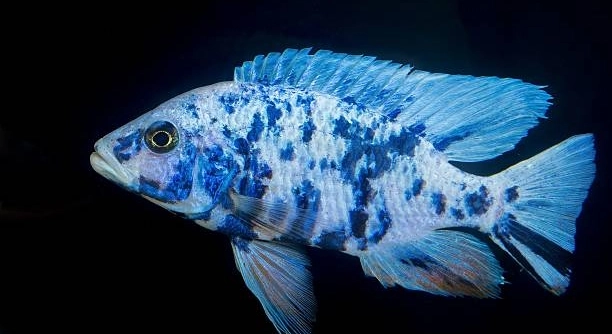
Cichlids are lively and colorful fish that often keep aquarium owners entertained. Their active behavior includes swimming in circles and chasing objects, which sometimes focuses on the water filter output, creating a dynamic and curious display in the tank.
Cichlids chase the filter output mainly because of the strong water current it produces. The movement stimulates their natural instincts, including territorial behavior, play, and foraging responses, causing them to follow or confront the flowing water consistently and energetically.
Observing this behavior can reveal a lot about your cichlid’s personality and help you manage their environment for a balanced, healthy aquarium.
Why Cichlids Are Attracted to the Filter
Cichlids often target the filter because it creates movement in the water. This current mimics natural conditions, triggering instinctive behaviors like hunting and exploring. In my tank, I noticed that certain cichlids chase the water output more than others. Some seem drawn to the flow because it constantly changes direction, providing stimulation. Others appear territorial, treating the filter as an object to patrol or defend. The filter also affects oxygen levels, which may make that area more appealing. Watching them interact with the stream gives insight into their energy levels and moods. Over time, I realized that adjusting the flow slightly can reduce aggressive chasing while keeping the fish engaged. Observing these patterns helps manage tank stress and maintain balance among the cichlids. Recognizing that the filter is a source of entertainment and instinctual stimulation changes how I set up and maintain the aquarium.
The flowing water encourages activity, which is essential for their health and prevents boredom in confined spaces.
When the water pushes gently, cichlids swim in coordinated patterns or hover in place, seemingly enjoying the motion. It can become a natural exercise routine. Some species chase the flow with quick bursts, while others drift and adjust slowly, demonstrating varied interaction styles. Their behavior is influenced by tank size, number of fish, and filter strength. Monitoring how they respond allows for better placement of decorations, hiding spots, and feeding routines. In my tank, I found that placing plants near the filter softens aggressive chasing while still keeping them active. Adjusting the filter output gradually ensures a more harmonious environment. The constant observation and tweaking help create a lively but controlled habitat, keeping the fish healthy and engaged, and preventing stress-related behaviors.
How to Manage Filter Chasing
Adjusting the filter strength slightly can reduce constant chasing without limiting exercise or stimulation.
Providing areas for rest, like rocks or plants, gives cichlids alternative spots to explore. This decreases focus on the filter while maintaining engagement. Observing their interactions helps identify dominant and passive fish, allowing adjustments in placement or tank layout. Adding floating objects or gentle obstacles can redirect energy. Over time, these small changes create a balanced environment where all cichlids feel comfortable. Monitoring their behavior and making gradual modifications ensures the aquarium remains a healthy and stimulating space for every fish.
Recognizing Aggressive Behavior
Cichlids often chase the filter as part of territorial displays. Some fish become more dominant, targeting the output repeatedly. Others swim cautiously around it, showing submission or avoidance. Observing these patterns helps understand social hierarchy in the tank.
Aggression near the filter can escalate if multiple cichlids compete for the same space. In my tank, the larger, more dominant fish claimed the strongest current, while smaller ones stayed at the edges. This behavior affects feeding, movement, and interactions with other tank inhabitants. Over time, the dominant fish may stress the less aggressive ones, so monitoring and minor adjustments, like flow reduction or placement changes, are crucial to maintaining peace. Identifying triggers, such as sudden splashes or strong currents, helps prevent conflicts before they escalate. Proper observation ensures a more balanced and calm environment for all fish.
Not all chasing is negative. Some cichlids treat the current as enrichment, swimming in bursts or hovering strategically. This activity promotes exercise and reduces boredom, even if it seems aggressive at first glance. Adjusting tank decorations can help manage aggressive energy while maintaining stimulation.
Adjusting the Aquarium Environment
Changing the filter’s position or flow can alter chasing patterns and reduce stress.
Adding plants, rocks, or driftwood near the filter creates alternative areas for swimming or hiding. In my experience, this diverted attention from the output and allowed timid fish to explore safely. Providing multiple zones of interest balances energy across the tank. Adjusting current strength gradually prevents sudden disruptions that can trigger aggression. Maintaining stable water parameters alongside these physical adjustments ensures fish remain healthy. Observing how cichlids interact with the modified environment helps fine-tune placements for long-term harmony and activity management. Careful experimentation allows for both exercise and calm periods.
Signs Your Cichlids Are Stressed
Constant chasing of the filter can indicate stress. Fish may appear tense, swim erratically, or hide more often. Recognizing these signs early helps prevent long-term health problems and ensures a more balanced tank environment.
Stress can also show through changes in color or appetite. In my tank, stressed cichlids lost some vibrancy and avoided feeding near the filter. Providing calm zones and adjusting flow helped them regain comfort and normal behavior.
Using Flow to Encourage Exercise
Strong currents encourage swimming and activity, which is beneficial for cichlids’ muscle development. In my experience, controlled bursts of water movement keep them engaged and healthy. Too much flow, however, can tire weaker fish or cause repeated chasing that escalates tension.
Observation and Adjustment
Watching daily interactions allows small, gradual changes to improve tank harmony. Tracking patterns helps maintain a healthy environment.
FAQ
Why do my cichlids chase the filter nonstop?
Cichlids chase the filter primarily because of the water flow it produces. The current triggers natural instincts like exploration, hunting, and territorial behavior. In my experience, some fish enjoy the movement as a form of exercise, while others treat it as something to guard. Observing which cichlids chase the filter helps identify dominant versus passive fish and their preferred areas in the tank. Adjusting the flow strength or adding plants and hiding spots can reduce excessive chasing while keeping them active and engaged.
Is filter chasing harmful to my cichlids?
Chasing the filter is not inherently harmful, but constant aggressive chasing can create stress for less dominant fish. In my tank, I noticed that smaller cichlids avoided the filter area when dominant fish spent long periods there. Stress can impact appetite, color, and overall health. Minor adjustments like moving the filter slightly or adding obstacles help reduce tension. Ensuring multiple resting zones and stable water parameters allows fish to engage safely with the current without developing negative behaviors.
Can I use the filter to provide exercise?
Yes, the water flow is a natural way for cichlids to stay active. Stronger currents encourage swimming, which supports muscle development and reduces boredom. I observed that when the filter output was slightly increased, fish would swim in bursts and hover strategically. The key is balance: too strong a current can tire weaker fish or increase territorial chasing. Gradual adjustments let all cichlids participate safely, offering enrichment without stress. Using the filter to promote exercise also reduces aggressive interactions when the tank has enough space and hiding spots.
What adjustments help reduce chasing behavior?
Relocating the filter, reducing current strength, or adding physical barriers are effective solutions. In my tank, placing driftwood and plants near the filter diverted attention, giving timid fish space to explore. Multiple zones of interest keep energy balanced across the aquarium. Watching how cichlids respond to these changes allows gradual optimization. Observing behavior over time helps identify which adjustments work best for dominant and passive fish, ensuring activity without constant confrontation. Combining flow control with strategic decoration placement keeps the tank stimulating but calm.
Does tank size affect chasing?
Yes, smaller tanks often intensify chasing because space is limited. In my experience, cichlids in cramped tanks focus more on the filter as a territory marker. Larger tanks allow fish to spread out, reducing competition near the output. Providing open swimming areas alongside hiding spots balances activity and rest. When space is adequate, even dominant fish spend less time patrolling the filter, lowering stress and improving social dynamics. Proper tank sizing is essential for managing natural behaviors like chasing without harming fish health.
Are certain cichlid species more prone to filter chasing?
Yes, species with high energy levels or territorial instincts tend to chase the filter more. In my tank, African cichlids displayed stronger interactions with the current than more passive species. Aggressive or active fish often treat the filter as an object to patrol or challenge. Recognizing species-specific tendencies helps plan tank layout and filter placement. Adjusting decorations and current flow according to the behavior of each species ensures that both active and passive cichlids coexist peacefully, reducing stress and excessive chasing.
How can I tell if the chasing is playful or aggressive?
Playful chasing usually involves short bursts, hovering, or coordinated swimming without harming other fish. Aggressive chasing involves repeated targeting, biting, or cornering weaker fish. In my tank, playful behavior kept all fish moving and active, while aggressive chasing required adjusting flow or adding barriers. Monitoring interactions over several days helps distinguish between stimulation and stress, allowing better tank management and promoting a healthy environment for every cichlid.
Should I cover the filter output to stop chasing?
Completely covering the filter is not recommended because it restricts water circulation and oxygen levels. Instead, partially diverting the flow or creating barriers works better. I found that placing plants or rocks near the output redirected chasing while maintaining proper water movement. This method balances exercise and territorial instincts without reducing filtration efficiency, keeping the aquarium both safe and stimulating.
Can filter chasing affect feeding habits?
Yes, dominant fish may claim areas near the filter, forcing others to feed elsewhere. In my experience, weaker fish avoided the strong current during feeding. Providing multiple feeding zones and adjusting current strength ensures all fish have access to food. Observing where fish eat relative to the filter helps prevent competition and stress, maintaining healthy growth and energy levels for every cichlid in the tank.
Is chasing more common in new tanks?
Yes, newly established tanks often see more chasing because fish are exploring and establishing territories. In my tank, the first few weeks were the most active, with cichlids repeatedly checking the filter and surrounding areas. Over time, as territories stabilize and social hierarchies form, chasing usually decreases. Ensuring adequate hiding spots, decorations, and appropriate flow from the start helps reduce stress during this initial period, creating a calmer environment once routines are established.
How long does it take for chasing behavior to settle?
It varies, but typically a few weeks to a couple of months. In my experience, dominant fish quickly establish their preferred areas, while less aggressive ones learn to avoid conflict zones. Gradual adjustments to flow, tank layout, and decorations help accelerate this process. Observing daily interactions ensures timely changes to prevent ongoing stress. Once the social structure stabilizes, chasing usually becomes less frequent, turning into occasional activity or playful swimming rather than constant territorial behavior.
Can chasing indicate poor water quality?
Indirectly, yes. Excessive chasing or erratic swimming can be a sign of stress, sometimes linked to poor water parameters. In my tank, I noticed increased activity near the filter when ammonia or nitrite levels were slightly elevated. Regular testing and maintenance ensure a healthy environment, keeping chasing behavior natural rather than stress-induced. Maintaining stable temperature, pH, and filtration prevents unnecessary agitation, promoting balanced interactions among cichlids.
Do cichlids ever damage themselves on the filter?
It is rare, but constant collisions with a strong output can cause minor injuries or fin wear. In my tank, adjusting flow strength and adding smooth decorations around the filter reduced risks. Monitoring physical health alongside behavior ensures that chasing remains a safe and stimulating activity, rather than a source of harm. Safe tank setup and observation prevent injuries while allowing fish to enjoy natural behaviors.
What is the best overall approach to manage filter chasing?
Balance is key. Adjusting flow, repositioning the filter, adding plants or rocks, providing multiple zones, and monitoring interactions all help maintain harmony. In my experience, small, gradual changes work better than drastic modifications. Observing patterns, understanding species-specific behavior, and maintaining water quality create a healthy, engaging environment. This approach ensures that cichlids remain active, exercise naturally, and coexist peacefully without causing stress or harm. Over time, chasing becomes a controlled and beneficial part of their daily routine, not a disruptive issue.
This FAQ provides guidance based on experience and careful observation, offering solutions for common concerns about filter chasing in cichlid aquariums.
Final Thoughts
Cichlids are naturally active and territorial fish, and their interaction with the filter is a reflection of these instincts. The strong water flow from the filter provides stimulation, encouraging swimming, exploration, and playful behavior. In my tank, I noticed that some cichlids chase the output constantly, while others remain cautious and observe from a distance. Understanding that this behavior is part of their natural tendencies helps frame it as a normal aspect of aquarium life rather than a problem. By observing which fish engage with the flow, I could identify dominant and more passive individuals, helping me make adjustments to reduce stress and maintain balance in the tank.
Managing chasing behavior requires attention to tank layout, decorations, and water flow. Adding plants, rocks, and driftwood near the filter can create alternative zones for swimming and hiding. This allows timid fish to explore safely while still giving more active or dominant cichlids space to move freely. Adjusting the filter’s flow gradually ensures the current provides exercise without overwhelming weaker fish or triggering constant territorial chasing. In my experience, small changes like repositioning the filter or softening the output have a noticeable effect on behavior, reducing conflict and creating a calmer environment. A well-planned setup also helps maintain healthy feeding patterns, as all fish can access food without being forced into stressful interactions near the filter.
Consistent observation is essential for maintaining a healthy and harmonious aquarium. Watching daily interactions helps identify signs of stress, such as erratic swimming, hiding, or changes in color and appetite. Adjustments can then be made gradually to support natural behaviors without causing harm. Over time, most cichlids learn to interact with the filter in a way that is active yet controlled. By providing sufficient space, hiding spots, and proper flow, chasing becomes a form of enrichment rather than a source of stress. Maintaining stable water parameters, combined with strategic tank arrangement, ensures that all fish thrive. Ultimately, understanding and accommodating these behaviors allows for a balanced, engaging, and healthy environment where cichlids can display their natural energy safely.

Hello,
If you enjoy the content that we create, please consider saying a "Thank You!" by leaving a tip.
Every little bit helps us continue crafting quality advice that supports the health, happiness, and well-being of pets around the world, for pets of all shapes, sizes, and species.
We really appreciate the kindness and support that you show us!