
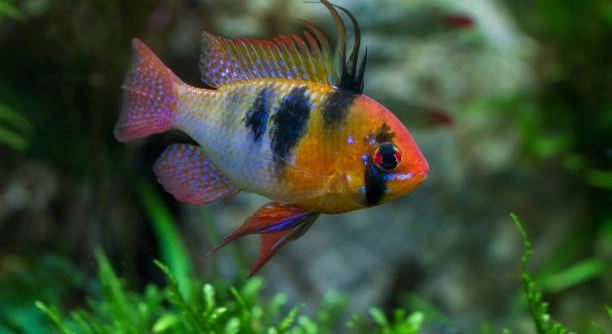
Have you ever wondered whether cichlids can share space without constant conflict when housed in a divided aquarium, especially when territory, stress levels, and water conditions still influence daily behavior and overall tank harmony balance.
Cichlids can be kept in a divided tank when proper barriers, compatible species selection, and stable water parameters are maintained. Dividers reduce direct aggression but do not eliminate territorial stress, requiring careful monitoring, space, and consistent maintenance for long-term success.
Understanding divider design, species behavior, and tank setup reveals how thoughtful planning supports healthier cichlid communities over time together successfully.
How Divided Tanks Affect Cichlid Behavior
Keeping cichlids in a divided tank can reduce visible aggression, but behavior still reflects natural instincts shaped by space and hierarchy. Each side becomes a defined territory, which may lower chasing and physical harm. However, visual contact through clear dividers can maintain stress responses, especially for dominant species. I have noticed that constant flaring and pacing often occur when boundaries feel too close. Solid or semi opaque dividers may help calm these reactions. Tank size also plays a role, since cramped sections intensify competition. Water flow, lighting, and decor should be balanced on both sides to avoid uneven stress. When conditions feel predictable, cichlids tend to eat better and display calmer movements. Divided tanks work best as controlled environments, not permanent shortcuts for incompatible fish living together long term. Careful observation remains necessary to adjust layouts, divider types, and stocking decisions before stress patterns become established over extended periods indoors.
While dividers offer separation, they do not replace proper research and planning. Species temperament, growth size, and breeding behavior must be considered carefully. Short term success often hides underlying tension that develops slowly, especially in smaller aquariums. Longer observation periods provide clearer insight into stability and welfare outcomes for owners.
Divided tanks are often used during introductions, recovery from injury, or temporary housing situations. They allow fish to remain within the same system while limiting direct contact. This setup can help maintain stable water chemistry and temperature. In my experience, this approach works best when paired with a long term plan. Dividers should support observation, not avoidance of compatibility issues. Regular adjustments to decor and divider placement can reduce fixation. When used thoughtfully, divided tanks become practical tools rather than permanent solutions for managing aggressive cichlid behavior over time with consistent care and realistic stocking expectations maintained by attentive keepers.
Setting Up a Divided Tank Correctly
Proper setup determines whether a divided tank supports stability or ongoing stress. Divider material, water flow, and visibility directly influence behavior. Equal access to filtration and heating on both sides is essential. Small setup mistakes can lead to persistent agitation that affects feeding, growth, and overall condition over time significantly.
When setting up a divided tank, divider choice should be the first consideration. Solid dividers block visual stress but limit water exchange, requiring additional filtration planning. Slotted or mesh dividers allow flow yet maintain visibility, which may increase posturing. Tank size should accommodate each fish as if housed separately. Overcrowding remains a common issue. Decor placement matters as well. Rocks, plants, and caves should mirror each side to prevent perceived advantages. I prefer rearranging decor during divider installation to reset territorial claims. Lighting should remain consistent across sections. Feeding routines must be monitored closely, since dominant fish may still intimidate through barriers. Regular inspections help detect wear, gaps, or shifting panels. Divided tanks demand ongoing involvement, not passive setup. With careful planning and realistic expectations, this method can support management goals while prioritizing fish welfare. Long term use requires routine observation of stress indicators such as color fading, reduced appetite, or repetitive movement. Adjustments should be made promptly rather than delayed. This approach asks for consistency, patience, and willingness to change plans as fish mature and social dynamics shift within confined spaces. Experience shows gradual improvements appear when environmental balance is respected over extended periods with careful daily attention applied.
Choosing Compatible Cichlid Species
Species selection determines whether a divided tank remains calm or becomes stressful. Some cichlids tolerate close neighbors better than others. Milder species often adjust faster, while highly territorial types may react strongly even with barriers present over time during confined housing situations without adequate space or visual breaks between them.
Community behavior varies widely among cichlid groups, making research essential before dividing a tank. African cichlids often display intense territorial instincts, which can persist through dividers. South American species may respond better, especially when raised in stable conditions. I have found that juveniles adapt more easily than adults already established in dominance roles. Mixing sizes increases tension and should be avoided. Each side of the tank must support the adult size of its inhabitant. Overstocking, even with dividers, leads to constant stress. Selecting species with similar water requirements also prevents subtle health issues that emerge slowly over time naturally developing.
Behavior observation should continue long after initial setup, since compatibility can change with age and breeding cycles. Spawning periods often increase aggression, even between separated fish. Visual barriers may need adjustment during these times. I tend to keep backup tanks available in case separation fails. Feeding responses also reveal compatibility, as stressed fish eat poorly or hide excessively. Color loss, rapid breathing, and glass surfing indicate ongoing pressure. A divided tank should reduce these signs, not simply contain them. When warning behaviors persist, species choice rather than divider design is usually the underlying issue that develops over extended housing periods.
Signs a Divided Tank Is Not Working
Some divided tanks fail despite careful planning, and recognizing early signs prevents long term harm. Constant pacing, repeated flaring, and refusal to eat suggest the divider is not reducing stress. Fish may fixate on the barrier for hours. Uneven growth and frequent illness also indicate prolonged tension within confined sections. These patterns often worsen gradually and are sometimes dismissed until physical damage or severe exhaustion becomes visible during prolonged divided housing conditions indoors long term.
When problems persist, adjustments should be made quickly rather than waiting for adaptation. Changing divider opacity can reduce visual stress. Rearranging decor helps disrupt fixation. Increasing space by upgrading tank size often provides immediate relief. I have learned that removing one fish entirely is sometimes the most responsible option. Divided tanks are management tools, not permanent solutions for incompatible individuals. Ignoring ongoing stress leads to suppressed immunity and shortened lifespan. Regular observation should guide decisions, not convenience. Each cichlid responds differently, and flexibility matters. When a setup no longer supports stable behavior, alternative housing becomes necessary to maintain welfare standards over time. Temporary isolation, rehoming, or species specific tanks may offer better outcomes than continued forced separation for long term health stability and reduced stress.
Tank Size and Equipment Considerations
Tank size directly affects how well a divider functions. Each section must provide enough swimming room for adult fish. Small tanks amplify stress and territorial focus. Larger volumes dilute aggression and support stable water conditions, making divided setups easier to manage consistently over extended periods of captive care environments indoors.
Proper filtration and flow must reach both sides equally. Uneven circulation causes waste buildup and oxygen imbalance. Heaters should maintain consistent temperatures across sections. I prefer sponge filters near dividers to reduce dead zones and keep conditions predictable for sensitive cichlids during long term divided housing setups indoors consistently managed.
Maintenance Requirements in Divided Tanks
Maintenance demands increase in divided tanks because debris collects unevenly and fish activity differs on each side. Regular testing prevents silent parameter drift. I schedule water changes based on combined bioload, not individual sections. Divider cleaning matters, since algae growth restricts flow and visibility. Neglect leads to rising stress and disease risk. Simple routines, repeated weekly, protect stability. When upkeep feels excessive, it often signals the tank is undersized or the stocking plan needs revision to restore balance over long periods where fish mature and territorial behaviors intensify without warning signs appearing early during confined aquarium management situations indoors regularly.
When Divided Tanks Are Most Useful
Divided tanks work best as temporary solutions rather than permanent housing. They assist during recovery, introductions, or behavioral assessment. I rely on them as observation tools. Long term success depends on flexibility, willingness to relocate fish, and prioritizing welfare over convenience within home aquarium setups managed responsibly over time consistently.
FAQ
Can all cichlids be kept in a divided tank?
Not all cichlids respond well to divided tanks. Highly aggressive or territorial species may remain stressed even with barriers. Juveniles often adapt better than adults. Species with similar water requirements, temperament, and size are easier to manage. I always recommend careful research and observation before attempting long term divided housing. Even with a divider, aggression can persist visually, so selecting compatible fish is essential for reducing stress and maintaining overall health in the tank consistently over time.
How thick should the divider be?
The divider must be sturdy enough to prevent fish from pushing through but thin enough to allow water flow if using a slotted or mesh design. Solid dividers block sight but reduce flow, while mesh allows circulation but may still let aggressive posturing occur. I typically use acrylic or thick plastic panels for strength, with additional filtration to maintain water quality on both sides. Proper installation avoids gaps that could let fish harm each other and ensures structural integrity during routine tank maintenance.
Do dividers prevent all aggression?
Dividers reduce direct contact but cannot eliminate all stress. Visual cues of dominance, posturing, and flaring often continue, especially in territorial species. I have noticed that even separated fish may pace along the divider or fixate on neighbors. Long term welfare depends on size, environmental enrichment, and careful observation. Stress indicators like fading color, loss of appetite, and glass surfing can persist if the environment does not feel safe. Dividers are tools to manage, not eliminate, behavioral instincts.
How often should water changes be done?
Water changes depend on tank size, bioload, and divider design. Both sections require consistent monitoring, since uneven flow can create areas of poor water quality. I usually change 20–30% weekly, but more frequent adjustments may be necessary for heavily stocked or smaller tanks. Using a siphon along the divider edge prevents buildup of debris. Testing ammonia, nitrite, and nitrate levels regularly ensures both sides maintain safe conditions. Proper maintenance keeps stress low and prevents health problems that can escalate quickly in confined areas.
Can dividers be used for breeding?
Yes, dividers can help protect fry or separate males and females. Many cichlid breeders use them to manage aggression during spawning. I often place a female on one side with hiding spots while the male remains separated to prevent harassment. Observing interactions through the divider allows timed introductions and monitoring for successful breeding. Temporary isolation also ensures fry safety and reduces competition for resources. Decor placement, water conditions, and careful feeding are critical during this period to support reproductive success in a divided system.
Is a divided tank a permanent solution?
Divided tanks are best as temporary solutions. Long term separation may limit space and enrichment, which can increase stress. I consider them ideal for recovery, introductions, or behavioral assessments, not permanent housing. Permanent separation should include plans for upgrading tank size or relocating fish to suitable long term setups. Flexibility is key. Monitoring stress signs, maintaining proper maintenance routines, and adapting as fish grow are crucial. Dividers provide short term control but should not replace thoughtful species selection, tank size planning, and overall fish welfare management over time consistently.
What materials are best for dividers?
Acrylic, plastic, or mesh are common materials. Acrylic and solid plastics provide privacy and strength but limit water flow. Mesh allows circulation but lets fish see neighbors. I often combine materials: solid for aggressive posturing reduction, and mesh for smaller, milder species to allow oxygenation and filtration. Thickness matters to prevent warping or fish forcing their way through. Divider placement should ensure no gaps or weak points, which can lead to injury. Proper selection ensures durability, safety, and maintenance efficiency, which is essential for long term divided tank management with minimal stress.
Do dividers affect feeding?
Yes, feeding requires attention to each side individually. Aggressive eaters may intimidate others through a transparent divider. I feed slowly and observe both sections to ensure all fish receive enough nutrition. Hiding food or using separate feeding areas reduces stress and prevents competition. Unequal feeding can lead to weight loss or stunted growth on one side. I find that keeping routines consistent and adjusting food placement gradually maintains fairness and reduces conflict, ensuring both sides thrive without excessive stress or interference during meal times in a divided tank setup.
How do I know if the divider needs adjustment?
Signs include persistent pacing, flaring, or glass surfing along the barrier. Unequal growth, faded colors, or refusal to eat indicate ongoing stress. I check for gaps, tilting, or algae buildup that may make the divider less effective. Repositioning decor, changing opacity, or upgrading the divider material often resolves problems. Continuous observation is key. Adjustments should be proactive rather than reactive to avoid long term health and behavioral issues. Dividers are not static; they require monitoring and tweaking to remain effective in maintaining calm, balanced conditions in a divided cichlid tank consistently.
Can dividers be used for multiple fish on each side?
Yes, but overstocking increases stress. Each side must provide enough space for territory and hiding spots. I usually keep one dominant fish per section or small groups of compatible species. Visual breaks and decor prevent fixation on neighbors. Multiple fish increase filtration needs, and maintenance must be doubled to prevent water quality issues. Even mild species can develop hierarchy tension if confined with too many individuals. Dividers help, but they do not replace space requirements or environmental enrichment. Planning stocking density carefully ensures long term stability and welfare in divided tanks over time.
Keeping cichlids in a divided tank can be an effective way to manage aggression and protect fish from harm, but it requires careful planning and ongoing attention. Dividers reduce direct fighting, but stress can still persist if the tank is too small, species are incompatible, or environmental conditions are uneven. Each side of the tank should provide enough space, hiding spots, and access to food and clean water. Observation is essential, as cichlids display subtle signs of stress that may not be immediately obvious, such as pacing, flaring, or color fading. Choosing species with compatible temperaments and similar water requirements is critical to long-term success, and juvenile fish tend to adapt more easily to divided setups than adults. A divided tank should not replace proper research or long-term planning but rather serve as a tool to reduce conflict while maintaining a stable environment.
Maintenance is a central part of keeping a divided tank successful. Water quality must be monitored closely on both sides, as uneven circulation can cause localized buildup of waste and debris. Regular water changes, proper filtration, and consistent temperature management are all necessary to maintain a healthy environment. Dividers themselves require inspection and cleaning to prevent algae buildup or gaps that could allow physical contact. Decor should be mirrored on both sides to avoid perceived advantages or territorial disputes. Feeding should also be monitored to ensure all fish receive enough nutrition without intimidation from neighbors across the divider. While dividers make management easier in some ways, they also add complexity, requiring commitment and attention from the keeper to maintain balance. Proper setup and consistent care are essential for the fish to thrive over time.
Divided tanks are most effective as temporary solutions or tools for managing specific situations, such as introducing new fish, recovering injured individuals, or protecting fry. They work best when paired with careful observation and flexibility in tank arrangements. Long-term reliance on dividers can limit space, enrichment, and natural behaviors, so planning for eventual permanent housing is recommended. Many problems, such as persistent stress or aggression, can be traced back to species selection or tank size rather than divider design alone. Adjustments to dividers, decor, and feeding routines may be needed over time as fish grow and social dynamics change. When managed thoughtfully, divided tanks provide a practical way to reduce aggression, improve welfare, and maintain a healthier, calmer environment for cichlids. The key is consistent care, careful observation, and a willingness to adapt as conditions evolve to ensure the long-term well-being of the fish.

Hello,
If you enjoy the content that we create, please consider saying a "Thank You!" by leaving a tip.
Every little bit helps us continue crafting quality advice that supports the health, happiness, and well-being of pets around the world, for pets of all shapes, sizes, and species.
We really appreciate the kindness and support that you show us!