
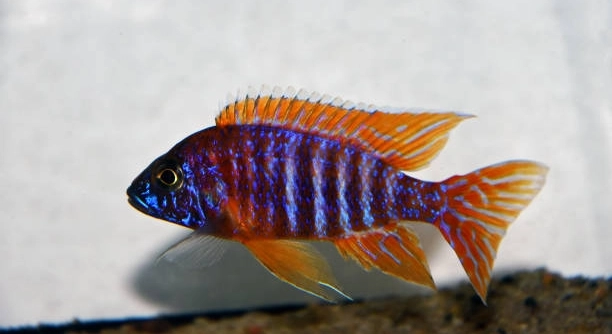
Convict cichlids often begin as small, hardy fish, yet their growth can surprise many keepers when conditions are favorable and care is consistent in home aquariums over time despite modest expectations and limited initial planning.
Convict cichlids frequently exceed expected size due to genetic potential, high adaptability, and sustained feeding regimes, combined with stable water parameters and territorial behavior, which collectively promote accelerated growth beyond common aquarium assumptions observed in captive environments worldwide today consistently.
These growth patterns reveal important lessons about care, space, and planning that shape long-term success with this species in aquariums.
Rapid Growth in Small Tanks
I first noticed unexpected growth when convict cichlids were kept in modest tanks with regular feeding and clean water. Their bodies thickened quickly, and length increased steadily despite limited space. Consistent protein intake, warm temperatures, and minimal stress encouraged rapid development. Even without aggressive conditioning, these fish adapted fast and used every resource available. Small tanks did not restrict growth as commonly believed, especially when maintenance remained stable. Frequent water changes reduced waste buildup, allowing energy to support muscle and bone expansion. Over time, juveniles reached sizes closer to adult specimens seen in larger setups. This pattern often surprises keepers who assume space alone controls growth. Instead, biological resilience and efficient metabolism play strong roles, making early planning essential for responsible long-term care. I learned this lesson early, and it reshaped how I evaluate stocking limits, filtration capacity, and future tank upgrades for healthy outcomes over many years of keeping.
Growth remains steady when feeding schedules stay consistent and water quality is monitored closely. Size gains slow only when nutrition drops or temperatures fluctuate. Space matters later, but early development depends more on care routines than tank volume alone during juvenile stages across most controlled home aquarium environments today consistently.
Observing this growth taught me to avoid underestimating young fish. Convict cichlids allocate energy efficiently, converting food into mass with little delay. Their sturdy nature allows them to thrive where other species stall. When aquarists plan tanks based only on juvenile size, overcrowding becomes likely later. Providing stronger filtration and considering upgrades prevents stress as fish mature. I now recommend planning for adult dimensions from the start. This approach reduces rehoming issues and supports stable behavior. Growth should be respected as a natural outcome of proper care, not treated as an unexpected problem within home aquariums over time for everyone.
Breeding Activity Accelerates Size Increase
Once breeding begins, convict cichlids often show noticeable body mass increases. Hormonal changes, defensive behavior, and higher food intake contribute to thicker frames. Pairs guarding fry appear especially robust, even in tanks that previously supported moderate growth rates under stable conditions with attentive daily maintenance routines observed in home aquariums.
Breeding places physical demands on both males and females, which often results in visible size changes. Males broaden through the head and body, while females gain fullness before and after spawning cycles. Increased feeding supports egg production and territorial defense, leading to faster weight gain. In my experience, pairs become far larger than solitary fish raised under similar conditions. Protective behavior keeps them active, yet energy intake still exceeds output. This balance favors continued growth rather than maintenance. Tanks that once seemed adequate begin to feel crowded as breeding continues. Without adjustments, stress and aggression may rise. Planning extra space, stronger filtration, and structured layouts helps manage this shift. Separating pairs after repeated spawning can also stabilize size and behavior. Recognizing breeding as a growth factor allows aquarists to make informed decisions early. Size changes during this phase are predictable responses to biology, not anomalies, and should be addressed with practical preparation. This understanding shaped my own setups and prevented rushed upgrades. By accounting for breeding-related growth, long-term housing remains calm, functional, and sustainable for both fish and keeper alike over extended periods without constant rearranging or unnecessary stock reductions later within established home aquarium systems managed with consistent care.
High-Protein Diets Change Size Fast
High protein foods accelerate convict cichlid growth quickly when portions are controlled. Pellets, frozen foods, and live options support muscle development and thicker bodies. I noticed size changes within months once protein intake increased, even without changes to tank size or stocking levels during consistent feeding schedules over time periods.
Protein dense diets provide energy that convict cichlids convert directly into body mass. Regular feedings reduce competition and allow even smaller individuals to grow steadily. I learned that overfeeding was unnecessary, as quality mattered more than quantity. Balanced portions prevented waste while still supporting growth. Fish displayed stronger coloration and thicker profiles without bloating. When protein sources rotated, growth remained stable and predictable. This approach reduced aggression linked to hunger and supported healthier development. Size increases followed a clear pattern rather than sudden spurts over extended periods in maintained aquariums with routine care practices and stable water conditions throughout setups.
Excessive protein can still cause issues if not monitored carefully. Uneaten food breaks down quickly, affecting water quality and stressing fish. I had to adjust filtration and feeding frequency to maintain balance. Growth stayed consistent once waste was managed properly. Observing body shape helped guide portions, as healthy growth appears solid, not swollen. This awareness prevented health problems while allowing convict cichlids to reach impressive sizes naturally. Protein works best when paired with maintenance discipline and regular observation over long periods in controlled aquarium environments at home with consistent schedules and patience from experienced keepers seeking steady results without setbacks.
Warm Temperatures Encourage Unexpected Growth
Warmer water increases metabolism in convict cichlids, leading to faster growth over time. Stable temperatures allow energy to support development instead of stress responses. I observed noticeable size gains when heaters maintained consistent warmth. Even small fluctuations slowed progress, while steady heat supported thicker bodies and longer frames under controlled aquarium conditions with proper monitoring and routine maintenance over extended care periods in home setups without environmental stress affecting feeding behavior and activity levels negatively.
Convict cichlids originate from warm regions, making temperature a key factor in growth. When water stays within optimal ranges, digestion improves and nutrients are absorbed efficiently. I learned that consistent warmth reduced lethargy and encouraged steady feeding habits. Growth followed a reliable pattern rather than uneven spurts. Cooler water slowed metabolism, limiting size potential despite proper diets. Maintaining heaters and checking temperatures daily became essential. Once stability was achieved, fish matured faster and appeared stronger overall. Warm conditions also supported immune function, reducing setbacks that interrupt growth. Temperature control proved just as important as diet and space when managing expectations based on long term aquarium observations made through personal experience with convict cichlid care in stable home environments over many years of consistent practice keeping.
Strong Filtration Supports Bigger Fish
Strong filtration supports convict cichlid growth by keeping water stable and clean. When waste is removed efficiently, energy goes toward development instead of stress. I noticed fuller bodies and steady size increases once filtration matched bioload demands consistently over time without sudden parameter shifts affecting feeding behavior or overall health.
Underfiltered tanks slowed growth despite proper diets and warm temperatures. Waste buildup reduced appetite and caused subtle stress. After upgrading filters, growth resumed predictably. Clear water, steady oxygen levels, and reduced maintenance gaps created conditions where convict cichlids reached expected adult size without setbacks during long term captive care periods.
Genetics Set Growth Limits Early
Genetics play a quiet but important role in how large convict cichlids become. Some bloodlines grow thicker and longer regardless of setup. I compared fish raised under identical conditions and saw clear differences. Feeding, temperature, and space were the same, yet size varied noticeably. Selective breeding over generations favors fast growth and strong frames. Store sourced fish often reflect this pattern. While care controls health, genetics set limits and potential. Understanding this helped me adjust expectations and avoid constant changes trying to force growth. Not every fish will reach the same size, even with perfect maintenance over extended captive periods.
Social Structure Affects Size Outcomes
Social dominance influences growth as stronger convict cichlids claim food and territory first. Subordinate fish grow slower under pressure. I observed size gaps widen over time in shared tanks. Rearranging decor and managing group sizes helped reduce dominance effects and supported more balanced growth across multiple setups with consistent care.
Do convict cichlids really grow larger than most people expect?
Yes, convict cichlids often grow larger than many keepers initially plan for. Juveniles appear small and manageable, which creates a false sense of long-term sizing. With steady feeding, warm water, and clean conditions, they reach their full genetic potential quickly. I have seen them outgrow tank expectations within a year. Their thick bodies and solid muscle make them appear even larger than measurements suggest. This growth is not abnormal but a result of strong adaptability. Many care guides focus on minimum sizes rather than realistic outcomes. When proper conditions are met, growth follows a predictable pattern that surprises those unprepared. Planning for adult size from the beginning prevents overcrowding and stress later.
What is the average adult size of a convict cichlid in captivity?
Most adult convict cichlids reach between four and six inches in length, with males often appearing bulkier. Females are usually smaller but still solidly built. Size depends on genetics, diet, and overall care quality. In my experience, well-fed fish in stable tanks trend toward the upper range. Poor conditions may slow growth, but this often comes with health tradeoffs. Length alone does not tell the full story. Body depth and head width increase significantly with maturity. These dimensions require space, especially during breeding. Measuring growth over time helps set realistic housing expectations.
Can tank size limit how big convict cichlids grow?
Tank size influences behavior and stress more than actual growth potential early on. Young fish grow quickly even in smaller tanks when water quality stays stable. I noticed growth slowed only after space became restrictive later. At that stage, aggression increases and movement becomes limited. Long-term confinement in undersized tanks can cause stress, not healthy size control. Adequate space allows natural movement and reduces conflict. Upgrading tanks before adulthood supports both physical growth and stable behavior. Tank size should match adult dimensions, not juvenile convenience.
Does breeding cause convict cichlids to grow larger?
Breeding often coincides with noticeable size increases. Hormonal changes, increased feeding, and defensive behavior all contribute to thicker bodies. I observed pairs becoming broader and heavier after repeated spawning cycles. Males especially develop larger heads and stronger frames. Females gain mass during egg production and recovery. This growth is sustained rather than temporary. Tanks that seemed suitable before breeding may feel crowded afterward. Planning extra space for breeding pairs helps manage this shift. Growth during breeding reflects biological demand, not overfeeding.
How much does diet affect convict cichlid growth?
Diet plays a major role in determining growth speed and body condition. Protein rich foods support muscle development and overall size. I learned that quality mattered more than portion size. Balanced feeding reduced waste while maintaining steady growth. Poor diets slow development even in warm, clean tanks. Rotating food types improved body shape and coloration. Overfeeding did not improve results and created maintenance issues. Consistent, measured feeding produced the best outcomes over time.
Do water parameters influence how large they get?
Stable water parameters strongly support healthy growth. Clean water allows energy to be used for development instead of stress response. I saw growth stall when maintenance slipped, even briefly. Temperature stability, low waste levels, and proper filtration all contribute. Fluctuations disrupt appetite and digestion. Growth resumes once stability returns. Water quality does not increase size beyond genetic limits, but poor conditions prevent fish from reaching that potential. Consistency matters more than chasing perfect numbers.
Are males always larger than females?
Males are generally larger and bulkier than females, but the difference varies. Some females grow surprisingly large, especially in breeding tanks. Genetics play a role in this variation. I have kept females that rivaled smaller males in body mass. Head shape and coloration help distinguish sex more than size alone. While males usually dominate in size, exceptions are common. Expect overlap rather than a strict size divide.
Can slow growth indicate a problem?
Slow growth often signals an issue with diet, water quality, or social stress. I noticed stunted fish were usually subordinate or underfed. Crowded tanks and dominance pressure limit access to food. Poor filtration also reduces appetite. Genetics may cap size, but healthy fish still show steady development. Tracking growth over months helps identify problems early. Addressing stressors usually restores normal growth patterns.
Is rapid growth harmful to convict cichlids?
Rapid growth itself is not harmful when supported by clean water and balanced feeding. Problems arise when growth is forced through excess feeding without maintenance. I found that steady growth produced stronger fish than sudden size jumps. Healthy growth looks solid and proportional. Swollen or uneven bodies suggest imbalance. Managing growth through care rather than restriction leads to better long-term health.
Should growth expectations affect tank planning?
Yes, growth expectations should guide tank size, filtration, and stocking choices. Planning only for juvenile size leads to rushed upgrades later. I now plan setups based on adult dimensions and behavior. This approach reduces stress for both fish and keeper. Understanding growth patterns makes convict cichlids easier to manage long term. Proper planning turns unexpected growth into a manageable and predictable outcome rather than a problem.
Convict cichlids are often underestimated during their early stages, which leads to unrealistic expectations about their long-term needs. Their growth patterns are not random or excessive but a direct result of stable care, proper feeding, and favorable conditions. When these factors align, size increases should be expected rather than viewed as a surprise. I have found that most issues linked to growth come from planning tanks around juvenile appearance instead of adult reality. Once this shift in thinking happens, managing their size becomes far easier. These fish respond clearly to consistency. When routines remain steady, their development follows a predictable path. Growth is simply feedback that conditions are meeting their biological requirements. Understanding this removes frustration and replaces it with informed decision-making.
It is also important to accept that not all convict cichlids grow at the same rate or reach the same final size. Genetics, social structure, and breeding activity create noticeable differences even within the same tank. I learned to stop comparing individuals and instead focus on overall health and behavior. A slightly smaller fish can still be thriving if its body shape is strong and activity remains normal. Size alone should not be used as the only measure of success. Growth should look balanced and proportional, not forced. This mindset helps prevent unnecessary changes that disrupt stability. When care is adjusted thoughtfully rather than reactively, outcomes improve over time. Growth becomes easier to manage when expectations are realistic and based on observed patterns rather than assumptions.
Keeping convict cichlids successfully means respecting their ability to adapt and thrive when given proper support. Their size reflects how well their environment meets basic needs rather than any unusual trait. I have found that preparation is more effective than correction. Planning filtration, space, and feeding with adult size in mind reduces long-term stress for both fish and keeper. Growth should never be feared or restricted through poor conditions. Instead, it should be guided through consistent care and observation. When this approach is taken, convict cichlids remain hardy, stable, and manageable. Their growth becomes a sign of good husbandry rather than an unexpected challenge.

Hello,
If you enjoy the content that we create, please consider saying a "Thank You!" by leaving a tip.
Every little bit helps us continue crafting quality advice that supports the health, happiness, and well-being of pets around the world, for pets of all shapes, sizes, and species.
We really appreciate the kindness and support that you show us!