
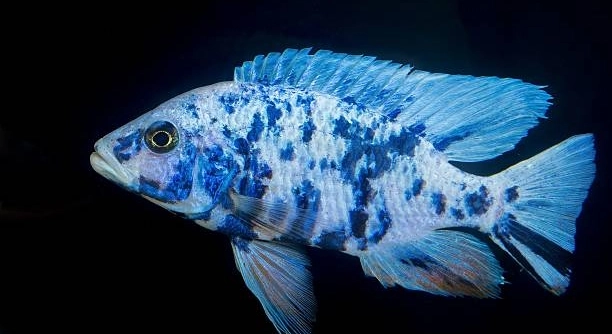
Have you ever watched cichlids and noticed subtle patterns in how they move, feed, and interact within the tank, revealing habits shaped by instinct, environment, and social structure over time during daily aquarium life observations.
The observation of natural cichlid behavior requires stable environments, minimal human interference, and consistent routines. When these conditions are met, cichlids display authentic social hierarchies, territorial displays, feeding strategies, and breeding behaviors that accurately reflect their evolutionary adaptations in captivity.
Small changes in setup and observation habits can uncover meaningful behaviors that often go unnoticed in everyday aquarium keeping practices.
Create a Stable and Natural Environment
I learned early that cichlids behave best when their environment stays consistent and thoughtfully arranged. Natural rocks, sand substrates, and defined territories reduce stress and encourage instinctive actions. Stable water parameters allow fish to focus on interaction rather than survival. Lighting should follow a regular schedule to support feeding and resting cycles. Sudden changes often cause hiding or aggression, which masks true behavior. When the tank layout remains predictable, cichlids establish territories, display social order, and interact calmly. Even minor adjustments should be slow and deliberate. Observing them in a steady environment reveals patterns in movement, feeding, and communication. Over time, their confidence grows, making behaviors easier to recognize and understand. Consistency supports observation without interference. This approach allows patient viewing, better note taking, and clearer insight into how each fish responds to space, resources, and nearby tank mates during routine daily conditions without unnecessary external pressure or distractions present.
Maintaining stability helps cichlids act naturally and reduces behaviors caused by stress or confusion. When surroundings remain familiar, observation becomes clearer, more reliable, and less influenced by environmental disruption or frequent human adjustment. This foundation supports accurate behavioral interpretation over extended observation periods within home aquarium settings for consistent results.
I noticed that patience improves results more than constant interaction. Sitting quietly near the tank allows fish to resume normal routines. Feeding, cleaning, and maintenance should occur at regular times. Predictable care reduces alert responses. Over days, cichlids reveal mating displays, feeding order, and subtle signaling. Watching from a distance prevents altered behavior. Writing observations helps track changes and patterns. This method creates a clear picture of natural behavior shaped by environment and social structure. It also encourages respect for their space while improving long term understanding through repeated, calm viewing sessions across different life stages and seasonal changes observed.
Limit Interference During Observation
Minimal interference is essential when observing authentic cichlid behavior. Excess movement, tapping glass, or frequent rearranging causes defensive responses. Allowing the tank to remain undisturbed encourages natural interactions, clearer social roles, and more reliable behavioral patterns over time. This practice improves accuracy during extended observation periods for most aquariums consistently.
I learned to observe rather than react when changes appeared. Cichlids adjust quickly, and interference often interrupts natural resolution. By limiting hand movement and maintaining distance, behaviors unfold without influence. Aggression, courtship, and feeding order become easier to interpret. Observation should occur during calm periods, not immediately after maintenance. Sitting still reduces attention directed toward the observer. Over time, fish ignore presence and resume normal patterns. This approach highlights subtle communication through posture, color shifts, and spacing. Recording notes after sessions helps maintain objectivity. Each observation builds a stronger understanding of group dynamics and individual roles. Respecting boundaries supports healthier fish and clearer insight. Consistent observation without interference allows behavior to reflect instinct rather than response to disruption. This method also reduces stress related illness and promotes stable social balance. Over weeks, patterns repeat and confirm accuracy. Consistency matters more than duration. Short, regular sessions reveal more than constant attention. The goal remains quiet presence, careful timing, and thoughtful review of observed actions. Applied patiently, these habits support ethical observation while preserving natural behavior within the aquarium environment for long term study and appreciation without unnecessary disruption or forced interaction from external influences or routine maintenance errors during observation periods.
Observe Social Hierarchies
Social order shapes nearly every interaction among cichlids. Dominant fish claim space, while others adjust movement and feeding timing. Watching these dynamics without interference shows how hierarchy reduces conflict, controls breeding access, and maintains balance within the tank when conditions remain stable and resources are clearly defined over time naturally.
Each cichlid plays a role that becomes clearer through repeated observation. I noticed submissive fish yield space through body angle and distance rather than aggression. Dominant individuals patrol boundaries consistently. Feeding order often mirrors rank, with higher status fish eating first. These patterns repeat daily when stress remains low. Removing a dominant fish temporarily shifts behavior, revealing adaptability within the group. Color changes often signal mood or status shifts. Observing these signs over time helps separate natural dominance from stress driven aggression, improving understanding of group stability and long term compatibility in shared environments during extended aquarium observation periods consistently.
Accurate hierarchy observation requires patience and consistency. Sudden rearrangement of decor disrupts established order. I avoid moving rocks or shelters unless necessary. Watching during feeding provides clear insight into rank without provoking conflict. Evening hours often show calmer interactions. Writing notes helps track changes after spawning or tank adjustments. Hierarchies shift naturally as fish mature. Recognizing this prevents mislabeling normal behavior as problematic. Over time, understanding rank relationships supports better stocking decisions and reduces unnecessary intervention, allowing cichlids to regulate interactions through instinctive social structure without constant human involvement or corrective actions that disrupt established behavioral balance within captive systems.
Watch Feeding and Breeding Cues
Feeding and breeding reveal some of the clearest natural behaviors. I pay attention to spacing during meals, as confident fish feed openly while others wait. Breeding pairs become territorial and focused. Cleaning surfaces and color intensification signal readiness. These behaviors appear consistently when the environment supports security, nutrition, and predictable routines without external disturbance. Observation during these periods provides reliable insight into instinct driven priorities and reproductive roles within stable aquarium settings over time naturally.
Feeding time offers a controlled moment to observe interaction without added stress. I use consistent portions to avoid competition spikes. Fish that rush food often hold higher rank. Breeding behavior demands even more restraint. Once pairs form, I limit maintenance to prevent disruption. Guarding behavior, fin displays, and substrate preparation reveal parental roles. Fry protection shows cooperation between mates. Observing these stages helps distinguish natural defense from aggression. Timing observations around feeding and breeding cycles builds a fuller picture of behavior. These cues guide tank management decisions while respecting natural processes already in place. They also support long term planning for stocking, spacing, and intervention limits based on observed patterns rather than assumptions formed through consistent viewing across seasons and life stages within captivity settings.
Maintain Consistent Lighting and Routines
Lighting and daily routines strongly influence how cichlids behave throughout the day. Consistent light cycles support resting and feeding rhythms. Sudden changes cause hiding or agitation. Keeping schedules steady allows natural activity peaks to appear clearly during observation without confusion over extended periods in stable home aquarium conditions consistently observed.
I noticed behavior shifts when lights turn on too early or too late. Fish become cautious and less interactive. Using timers removes guesswork. Regular feeding times paired with lighting create predictability, helping cichlids focus on social interaction rather than environmental adjustment or stress during normal daily aquarium observation periods consistently.
Choose Compatible Tank Mates
Tank mates influence behavior more than many expect. I choose species with similar temperament and space needs. Overcrowding increases tension and hides natural patterns. Compatible groupings allow cichlids to display communication, spacing, and tolerance. Watching interactions between species highlights confidence levels and stress responses. Removing incompatible fish often restores calm quickly. Observation improves when each fish has room to retreat. Balanced stocking supports natural movement, feeding order, and breeding behavior. This clarity helps distinguish personality traits from reactions caused by poor compatibility within shared environments over long term aquarium management and routine observation practices for stable results and reduced intervention.
Practice Quiet and Patient Observation
Quiet observation matters more than constant presence. I step back and allow time to pass. Cichlids reveal subtle signals when undisturbed. Short, calm sessions repeated daily provide clearer insight than long periods of active monitoring or frequent tank interaction during normal household conditions without unnecessary movement nearby distractions or noise.
How can I tell if my cichlid is stressed?
Stress in cichlids often shows through color changes, excessive hiding, or loss of appetite. I noticed mine sometimes linger near shelters or avoid food after water changes. Erratic swimming or fin clamping also indicates stress. Consistent water parameters, stable environment, and minimal disturbance usually help fish regain normal behavior over several days naturally.
What is the best way to observe feeding behavior?
I feed small, consistent portions at the same time each day. This reduces competition and reveals rank and confidence. Dominant fish eat first, while subordinate fish wait or feed cautiously. Watching this routine over weeks shows social order and helps differentiate natural hierarchy from stress or aggression caused by environmental issues.
How do I recognize breeding behavior?
Breeding cichlids become territorial and may clean flat surfaces or dig in sand. Color intensifies, and pairs often guard specific areas. Fry protection is a clear signal of parental care. I avoid interfering during this period. Observing quietly allows me to see natural patterns of mate selection, nest preparation, and protective behavior.
Can I mix different cichlid species safely?
Mixing species depends on temperament, size, and space needs. Aggressive or territorial species may dominate or stress others. I choose species with similar habits and allow enough space for territories. Overcrowding hides natural behaviors. Observing interactions helps confirm compatibility and ensures each fish can act naturally without constant confrontation or unnecessary intervention.
How often should I check water parameters during observation periods?
I test water weekly for temperature, pH, ammonia, nitrite, and nitrate. Consistency is key. Sudden shifts trigger stress, hiding, or aggression. Keeping parameters stable supports authentic behavior, allowing observation to reflect instinct rather than reactions to poor water quality or environmental instability. Gradual adjustments can be made if needed.
What signs indicate a healthy social hierarchy?
Dominant fish patrol territories, while subordinates maintain respectful distance. Feeding order follows rank. I noticed color changes and subtle displays during disputes or territory negotiations. A balanced group rarely shows constant fighting. Removing fish or rearranging the tank can disrupt order, so patience is necessary to see natural patterns fully emerge over time.
How can I track subtle behavior changes effectively?
I keep a small notebook or use digital notes after each observation session. Recording positions, interactions, and color changes helps track patterns over days or weeks. Subtle cues like fin flicks, postures, or spacing become more meaningful with consistent tracking. This method improves understanding of personality, social structure, and environmental preferences without constant interference or guesswork.
What should I do if aggression spikes unexpectedly?
Temporary aggression often relates to stress, new additions, or environmental changes. I observe carefully and avoid immediate rearrangement. Providing extra hiding spots and monitoring interactions usually restores balance. Long term, maintaining consistent routines, compatible tank mates, and stable parameters reduces unexpected conflicts and allows cichlids to establish order naturally.
Is it necessary to limit observation time?
Yes. Short, regular sessions are more effective than prolonged observation. I sit quietly for ten to twenty minutes at a time, giving fish space to act normally. Overwatching or moving frequently can alter behavior, hide natural cues, and increase stress. Patience and restraint produce more reliable insights.
How do I know when a fish is ready to breed?
I watch for territorial behavior, substrate cleaning, color intensification, and pairing with a specific mate. Increased guarding and reduced social interaction with others signal readiness. Fry protection and nurturing behaviors indicate successful mating. Observing quietly at these times provides a clear view of natural reproductive instincts without interference.
Observing cichlids over time has shown me how much the environment affects their behavior. Stable water conditions, consistent lighting, and predictable routines allow fish to act naturally. When the tank remains calm and undisturbed, territorial displays, social hierarchies, and feeding patterns appear clearly. Even small changes in water chemistry or decorations can make a noticeable difference. I learned that patience and quiet observation are more valuable than frequent interaction. Sitting near the tank without tapping or moving too much allows the fish to resume normal activities. Over days and weeks, these routines reveal behaviors that might otherwise go unnoticed, giving a clear understanding of how cichlids communicate, interact, and respond to their surroundings. Maintaining a consistent environment benefits both the fish’s health and the observer’s ability to recognize natural behavior patterns without unnecessary confusion or stress influencing what is seen.
Feeding and breeding are the most revealing moments when it comes to understanding cichlid behavior. Watching fish eat shows confidence, rank, and tolerance, while breeding displays provide insight into territorial instincts and parental care. I noticed that dominant individuals take priority during feeding, but they rarely attack if there is enough food and space for everyone. Breeding pairs focus intensely on preparing nests and guarding eggs or fry, and any interference during this period can disrupt these natural behaviors. Observing quietly during these times helps separate normal territorial behavior from aggression caused by stress or poor tank management. Recording observations over time provides a better sense of individual personalities and group dynamics. By noting how each fish responds to others and to the environment, it becomes easier to plan tank layout, feeding routines, and introductions of new fish. This careful approach ensures that behavior is interpreted accurately and consistently.
Patience and minimal interference are the keys to meaningful observation. I have found that short, regular observation sessions are better than long periods of constant attention. Cichlids act naturally when they feel safe and unpressured, showing behaviors like signaling, spacing, and interaction patterns. Over time, repeated quiet observation allows recognition of subtle details such as color shifts, fin movements, or body posture changes that indicate mood, rank, or readiness to breed. Combining these observations with consistent care and compatible tank mates creates a stable environment where fish thrive and show their true behaviors. This method also supports long-term health, reduces stress, and provides an accurate view of social and individual patterns. By observing carefully and patiently, it is possible to understand cichlids in ways that benefit both their well-being and the knowledge of their natural instincts within an aquarium setting, making each session insightful and rewarding over months or years of consistent practice.

Hello,
If you enjoy the content that we create, please consider saying a "Thank You!" by leaving a tip.
Every little bit helps us continue crafting quality advice that supports the health, happiness, and well-being of pets around the world, for pets of all shapes, sizes, and species.
We really appreciate the kindness and support that you show us!