
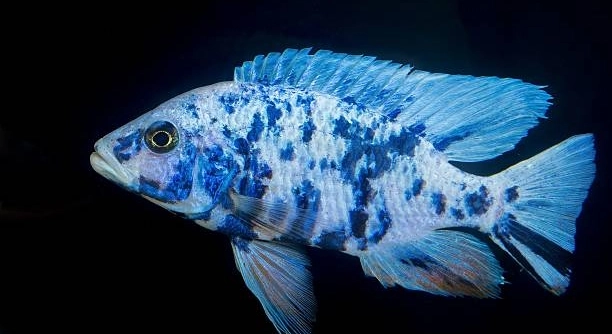
Convict cichlids are popular freshwater fish known for bold behavior and strong personalities, leading many aquarists to consider closer interaction while maintaining proper care, safety, and respect for the fish’s natural instincts in home aquariums.
Convict cichlids should not be held by hand, as handling causes stress, damages protective slime coats, and increases injury risk. These fish exhibit territorial aggression, and physical contact disrupts natural behaviors, compromises health, and elevates the likelihood of defensive biting.
Exploring handling myths, stress responses, and safer interaction methods will help aquarists build trust while protecting long-term fish health overall.
Why Hand Handling Causes Stress
I have kept convict cichlids for years, and their reactions to human contact are always clear. When lifted or touched, their breathing quickens, colors darken, and defensive movements appear immediately. These fish rely on water pressure, stable surroundings, and predictable space to feel secure. Removing them from water interrupts oxygen exchange and balance. Hands also strip away the protective slime layer that guards against bacteria and parasites. Even brief contact can weaken this barrier and leave the fish vulnerable. Convict cichlids are naturally territorial, especially adults guarding space or fry. Being restrained triggers instinctive aggression rather than calm recognition. Over time, repeated handling can lead to appetite loss, hiding behavior, and reduced immune response. Stress does not always show instantly, but it builds quietly. For long-term health, minimizing physical contact is one of the simplest ways to support stable behavior and natural confidence within home aquarium care routines for consistency.
Stress from handling often appears subtle at first. Small changes in posture, feeding habits, or coloration are easy to miss. I learned that leaving my fish undisturbed resulted in calmer movement, steadier feeding, and more predictable tank behavior over time with consistent observation and routine care at home aquariums daily.
Many aquarists confuse familiarity with tolerance. Convict cichlids may swim toward the glass or flare during maintenance, but this is not comfort. It reflects awareness and territory control. Safer interaction comes from consistent feeding, slow movements, and stable tank layouts. I focus on observing behavior patterns instead of seeking physical contact. Using tools like nets only when required reduces unnecessary stress. Over time, the fish become more visible and confident within their space. Respecting boundaries allows natural behaviors to thrive, which ultimately creates a healthier and more rewarding aquarium experience for long-term care consistency and personal satisfaction at home setups.
Better Ways to Interact Safely
Interaction does not require touch to be meaningful. Daily observation, gentle maintenance, and regular feeding schedules build familiarity without stress. I find that sitting quietly near the tank allows my fish to remain visible and active, creating connection through routine rather than physical handling during normal aquarium care periods consistently.
Providing enrichment through environment is far more effective than direct contact. Convict cichlids respond well to caves, defined territories, and stable decorations. Rearranging the tank too often can increase tension, so I make changes slowly and with purpose. Watching how each fish claims space offers insight into hierarchy and comfort. Feeding time is another safe point of interaction. Using consistent locations and schedules reduces competition and aggressive displays. I avoid placing hands inside the tank unless cleaning is necessary, and I move slowly when I do. Protective gloves help limit accidental contact and reduce scent transfer. Over time, this approach leads to fish that swim openly and display natural behaviors. Respecting limits does not reduce connection. It strengthens it. By prioritizing observation and care over handling, aquarists support health, reduce stress, and maintain a balanced aquarium that feels stable and predictable for both fish and keeper. This method also supports consistent maintenance habits and long term stability. I feel more confident knowing my actions reduce risk and support natural behavior. Simple routines create trust through predictability, not force. The result is a calmer tank that remains easier to manage over time with fewer issues related to stress or injury overall.
Health Risks From Direct Contact
Direct hand contact exposes convict cichlids to bacteria, temperature shock, and skin damage. Oils, soap residue, and pressure from fingers weaken their slime layer. I noticed minor fin issues appeared after brief handling, reinforcing how easily physical contact can compromise basic health over time without obvious warning signs present initially.
Repeated handling increases stress hormones, which weakens immune response and slows healing. Convict cichlids may stop eating, hide more often, or show heightened aggression. I observed that stressed fish were less active and more reactive during tank maintenance. These reactions are not temporary discomforts. Prolonged stress raises susceptibility to infections and shortens lifespan. Fish do not adapt to being held the way mammals might. Their bodies remain sensitive to disruption. Limiting contact supports consistent behavior, stable feeding patterns, and stronger resistance to common aquarium-related illnesses that often develop silently under routine home care conditions over long periods of time alone.
Young fish are especially vulnerable to handling damage because their slime coats are thinner. Breeding pairs also react aggressively when disturbed, increasing injury risk. I learned quickly that net use, when required, is far safer than hands. Nets reduce pressure and limit skin contact. Even then, movement should be slow and brief. Planning tank maintenance ahead prevents rushed actions. By reducing unnecessary interference, fish maintain natural posture and coloration. Healthy convict cichlids display confidence through behavior, not tolerance of touch. Respecting this distinction supports lasting health within controlled aquarium environments designed for stability, safety, and long-term care practices always applied.
Handling During Tank Maintenance
During cleaning or rearranging, accidental contact can happen, but it should remain minimal. I prepare tools in advance to avoid reaching blindly. Lowering water levels slowly and using nets reduces panic responses. Calm movements matter. Fish respond to consistency more than presence. Treat maintenance as a structured task, not interaction time, to maintain stable behavior and protect fish from unnecessary stress during routine aquarium upkeep sessions that occur weekly or monthly depending on tank needs.
Hands inside the tank should be slow, deliberate, and limited. Sudden shadows or fast movements trigger defensive reactions. I wear gloves during deeper cleaning to reduce scent transfer and skin exposure. If a fish becomes agitated, pausing allows it to settle. For breeding tanks, extra caution is necessary due to increased territorial behavior. Barriers like dividers help redirect attention away from hands. Maintenance schedules reduce frequency of intrusion and help fish anticipate change. Consistent routines result in calmer responses over time. Handling is never required for bonding. Stability, observation, and proper care provide a safer and more effective approach for long-term aquarium management, reducing stress-related issues, injuries, and behavior instability across different tank setups and stocking situations overall with consistent results observed over time periods.
Understanding Fish Communication
Convict cichlids communicate through posture, color changes, and movement rather than touch. Raised fins, darkened bars, and direct swimming patterns signal awareness and control. Observing these signals helped me understand comfort levels without interference or forced interaction over time with patience and consistent observation habits daily at home tanks setups.
Physical handling interrupts this communication and replaces it with stress responses. Instead of calm displays, fish react defensively. I noticed clearer behavior patterns when I stopped touching them entirely. Respecting natural signals allows convict cichlids to remain confident and predictable within their space over extended periods of stable care routines.
Building Trust Without Touch
Trust forms through consistency, not contact. Feeding at the same times, maintaining water quality, and keeping decorations stable reduce anxiety. I saw stronger color, steadier movement, and fewer aggressive displays when routines stayed predictable. Convict cichlids learn patterns quickly and respond well to calm environments. Sitting near the tank during feeding allowed observation without intrusion. Over time, fish remained visible instead of hiding. This approach builds familiarity while protecting health. Interaction becomes visual and behavioral, not physical. That balance supports natural instincts and creates a calmer aquarium that feels controlled and secure for long-term home care success and stability overall.
Setting Boundaries for Safe Care
Teaching children or new keepers proper boundaries prevents accidental harm. I emphasize watching behavior rather than touching. Clear guidance reduces impulse handling and promotes respect. Convict cichlids thrive when their space is honored, resulting in healthier fish and fewer issues during routine care and calmer tanks over time at home.
FAQ
Can convict cichlids recognize their owner?
Convict cichlids can recognize patterns, movement, and routines rather than individual humans. I noticed mine swim toward the side of the tank during feeding times or when I approach consistently. This behavior is not affection but recognition of a predictable source of food and routine, which helps reduce stress and makes observation easier. Over time, they respond calmly to familiar signals, like shadow movement or consistent hand placement near the tank, without requiring physical contact. Trust forms through routine, not touch.
Is it safe to hold juvenile convict cichlids?
Even small convict cichlids should not be held. Juveniles have fragile slime coats and thinner fins. I learned that even brief handling can lead to infections, torn fins, or delayed growth. Stress from handling at an early stage can alter natural behavior, making fish more skittish or aggressive later. Using nets for necessary transfers is far safer, and minimal intrusion allows juveniles to develop naturally within a secure environment while still being observable and healthy.
Can touching the fish improve bonding?
Physical contact does not improve bonding. I used to think gentle handling would create familiarity, but convict cichlids respond with stress, hiding, or flaring. Instead, regular feeding, slow movements, and predictable maintenance schedules foster confidence. Observation and stability build familiarity far more effectively than touch, protecting health while allowing natural behaviors to develop. True interaction is visual and behavioral, not physical.
How can I safely move a convict cichlid for tank cleaning?
Moving convict cichlids should involve nets and calm, deliberate actions. I lower water levels slowly and place fish gently into temporary containers if needed. Avoid squeezing or chasing fish. Minimal handling and short transfer times reduce stress. Gloves help prevent oils or residue from affecting slime coats, and slow movements prevent panic responses. Following these steps protects health while maintaining normal behavior patterns.
What are signs of stress from handling?
Stress shows through rapid breathing, darkened bars, hiding, reduced appetite, or aggressive flaring. I observed that fish recovering from accidental handling often stayed near shelters for longer periods. Consistent observation helps detect subtle changes early, preventing long-term health consequences. Addressing stress involves returning fish to stable conditions, limiting handling, and maintaining water quality.
Are there alternatives to touching for interaction?
Yes. I found that feeding routines, environmental enrichment, and visual presence are effective. Convict cichlids respond to cave placement, tank layout stability, and predictable maintenance schedules. Sitting quietly near the tank during feeding allows observation without stress. Safe interaction respects boundaries and encourages natural behaviors, which ultimately results in healthier fish and a calmer tank environment over time.
Does handling affect breeding behavior?
Handling disrupts breeding. I noticed breeding pairs flared excessively or abandoned fry when disturbed. Stress from physical contact interrupts territorial and reproductive instincts. Minimal intrusion during observation and careful feeding supports natural breeding, while hands-on interaction increases risk of aggression, fry injury, or reduced egg viability. Maintaining calm, consistent routines protects reproductive success.
How often is it necessary to touch convict cichlids?
Touching is rarely necessary. I only handle fish during critical situations, like moving to a quarantine tank or medical treatment. Routine care—feeding, water changes, and cleaning—can be done without contact. Limiting physical interaction preserves health, reduces stress, and allows the fish to maintain natural behaviors while staying visible and active in their environment.
Can convict cichlids get used to hands in the tank?
They may tolerate hands after repeated exposure, but tolerance is not comfort. I noticed fish remain alert, flare occasionally, and hide when hands enter too quickly. Even after long-term exposure, handling increases risk of stress, injury, and disease. Observation and environmental consistency are safer methods for interaction and do not compromise slime coat protection.
What should I do if I accidentally touch a fish?
Rinse hands thoroughly and observe the fish afterward. I found that calm, undisturbed recovery time helps fish regain normal behavior. Check for damaged fins, discoloration, or abnormal hiding. Avoid further contact and maintain water quality. Stress recovery depends on minimal intrusion and stable tank conditions, which prevent long-term health issues after accidental handling.
Final Thoughts
Convict cichlids are bold, territorial fish that respond best to consistent care and predictable routines. Handling them by hand is not necessary and often harmful, as it disrupts natural behavior and damages protective layers on their skin. I have observed over the years that even brief physical contact can trigger stress, hiding, and defensive reactions. Their natural instincts are strong, and they rely on their environment to feel secure. Respecting their space allows them to display normal behaviors, such as territorial flaring, color changes, and careful observation of their surroundings, without interference. Over time, I learned that minimizing handling not only protects their health but also makes it easier to notice subtle changes in behavior that indicate wellness or stress. Watching their movements and responses closely is more effective than trying to create familiarity through touch, which can have unintended consequences.
Long-term health and stability in an aquarium depend on maintaining a calm environment. Convict cichlids thrive when water quality is consistently monitored, decorations remain stable, and feeding schedules are predictable. I have found that keeping these elements consistent encourages fish to remain active and visible rather than hiding or becoming overly aggressive. Handling interrupts their sense of security, which can affect appetite, growth, and immune response. Even during tank cleaning or rearranging, careful planning and the use of nets are far safer than hands. By limiting physical contact, I reduce stress and prevent injuries that may occur during panicked movements or accidental squeezing. Over time, fish appear more confident and display natural coloration and behavior patterns, which is a direct sign of comfort and well-being. Observing these signs is far more rewarding than attempting physical interaction.
Interaction with convict cichlids can be meaningful without touching them. I rely on observation, routine, and gentle environmental enrichment to create a calm and engaging space for my fish. Predictable feeding times, stable tank layouts, and careful monitoring of behavior build familiarity and confidence. Handling is rarely required and should only occur in situations such as medical treatment or safe transfer, always done slowly and carefully to minimize stress. I noticed that fish allowed to remain undisturbed show more natural behaviors, including proper territorial displays and healthy social interactions with tank mates. Respecting boundaries and prioritizing stability ensures long-term health and a calmer, more manageable aquarium. By focusing on observation, routine, and environmental consistency rather than physical contact, convict cichlids thrive in a secure and predictable environment, which is the most effective way to support their well-being and longevity.

Hello,
If you enjoy the content that we create, please consider saying a "Thank You!" by leaving a tip.
Every little bit helps us continue crafting quality advice that supports the health, happiness, and well-being of pets around the world, for pets of all shapes, sizes, and species.
We really appreciate the kindness and support that you show us!