
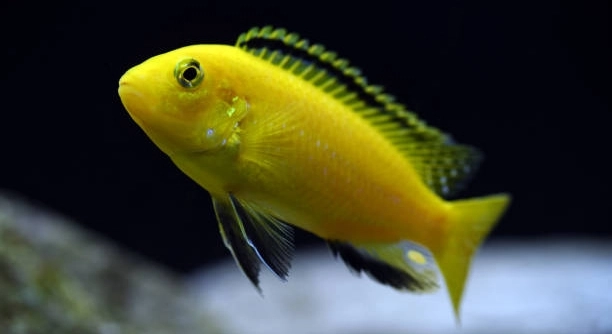
Cichlids thrive when their surroundings remain stable, yet many home aquariums introduce hidden pressures. As a fishkeeper, I see how small changes quietly affect behavior, color, and overall vitality in these popular freshwater species globally.
Environmental stressors for cichlids primarily include poor water quality, unstable temperature, overcrowding, inappropriate tank mates, excessive lighting, chronic noise, and frequent handling. These factors disrupt physiological balance, elevate cortisol levels, suppress immunity, and impair growth, reproduction, coloration, and long-term survival.
Recognizing these pressures helps create calmer aquariums, healthier fish, and clearer decisions as we explore each stressor and solutions ahead.
Poor Water Quality
Poor water quality is one of the most common stress sources for cichlids kept in home aquariums. I have learned that even clear water can hide serious problems. Excess waste, uneaten food, and infrequent water changes allow ammonia and nitrite to build up. These compounds irritate gills, damage internal organs, and reduce oxygen uptake. Nitrate accumulation further weakens fish over time, especially in crowded tanks. Cichlids exposed to unstable pH or hardness may show faded colors, rapid breathing, and withdrawn behavior. African and South American species often have different water needs, which makes mixed tanks more challenging. Without regular testing, problems develop slowly and remain unnoticed until fish health declines. Consistent maintenance, proper filtration, and scheduled water changes create stability. Stable water chemistry supports digestion, immune response, and normal activity levels in cichlids. This stability also helps reduce aggression and supports predictable social interactions within territorial cichlid groups daily routines.
Regular testing and observation make water issues easier to control. I rely on weekly water changes, quality filtration media, and restraint with feeding. These habits limit waste buildup, stabilize chemistry, and give cichlids the consistency they require for long-term health. Small efforts prevent stress before visible damage appears in fish.
Water quality problems rarely appear overnight, which makes them easy to underestimate. I have noticed that stressed cichlids often eat less, hide more, or display increased aggression. These signs reflect ongoing discomfort rather than sudden illness. Addressing water parameters early protects fish before permanent harm occurs. Routine testing kits, simple logs, and observation help track trends over time. When water conditions improve, behavior often stabilizes quickly. Color returns, feeding resumes, and activity levels increase. Maintaining clean, balanced water is not complex, but it demands consistency. That consistency forms the foundation of a low-stress environment for cichlids in home aquariums everywhere.
Unstable Water Temperature
Temperature instability places constant pressure on cichlid physiology. I have seen heaters fail quietly, causing daily swings that disrupt metabolism. Sudden changes weaken immune response, slow digestion, and increase stress behaviors. Even small fluctuations can cause long-term strain when they occur repeatedly. This issue often goes unnoticed in busy households.
Cichlids are ectothermic, meaning their body functions depend directly on surrounding water temperature. When temperatures rise or fall outside a stable range, internal processes slow or accelerate unnaturally. I have observed that prolonged exposure to cooler water reduces appetite and immune efficiency. Warmer water can increase aggression and oxygen demand, especially in heavily stocked tanks. Inconsistent temperatures also interfere with breeding behavior and egg development. Heater placement, room drafts, and lighting heat all influence stability. Using undersized heaters or relying on ambient room warmth increases risk. A reliable heater, paired with a thermometer, allows close monitoring. Redundancy adds safety in larger systems. Gradual adjustments protect fish from shock. Stability supports predictable behavior, proper digestion, and balanced energy use. When temperature remains consistent, cichlids allocate energy toward growth rather than survival. This stability lowers stress levels and supports long-term health within enclosed aquarium environments. I find that stable temperatures also simplify care routines and reduce unexpected losses. Consistency helps fish adjust socially, maintain coloration, and feed regularly. Over time, this reduces intervention, lowers medication use, and creates calmer tanks that function smoothly with less correction from the aquarist. These outcomes reflect deliberate management rather than chance in closed aquatic systems overall.
Overcrowding
Overcrowding increases stress by limiting space, oxygen, and access to shelter. I notice cichlids become restless, aggressive, and territorial when tanks feel cramped. Waste builds faster, water quality declines, and dominant fish control resources, leaving weaker individuals chronically stressed and vulnerable to disease over time within confined aquarium environments daily.
Limited swimming room forces constant visual contact, which heightens aggression in territorial species. I have seen persistent chasing escalate into fin damage and exhaustion. Subordinate fish struggle to rest or feed properly. Crowding also concentrates hormones released during stress, affecting all tank inhabitants. Even peaceful cichlids react poorly when escape routes disappear. Overstocked tanks demand stronger filtration, yet filtration alone cannot replace space. Adequate tank size allows natural spacing, reduces conflict, and supports stable social structures. Providing sufficient territory is essential for both physical health and predictable behavior across mixed species setups common in home aquariums today and long term.
Choosing appropriate stocking levels requires research and restraint. I plan tank populations around adult size, not juvenile appearance. Many cichlids grow quickly and demand more territory with age. Adding fish impulsively often creates imbalance. Breeding pairs further increase pressure by defending nests aggressively. Rearranging decor may reduce tension temporarily, but it does not fix overcrowding. Larger tanks, fewer fish, and clear territory markers offer lasting relief. Space gives cichlids control over interactions, which lowers stress and supports healthier long-term outcomes while simplifying maintenance routines and reducing sudden losses caused by constant conflict within closed aquarium systems over extended periods overall.
Incompatible Tank Mates
Mixing incompatible species introduces ongoing stress through mismatched behavior and needs. I have watched peaceful cichlids harassed by aggressive tank mates. Fin nipping, food competition, and constant displays drain energy. Differences in water parameters also create silent strain. Even similar-sized fish may clash if temperaments conflict. Compatibility matters as much as tank size when planning community setups where social balance determines daily stress levels and long-term health outcomes within shared aquarium environments overall today widely.
Some cichlids require specific water chemistry, while others tolerate broader ranges. When combined incorrectly, one group always suffers. I avoid mixing African and South American cichlids due to differing pH and hardness needs. Aggression styles also differ, with some species engaging in constant dominance displays. Smaller or shy fish often hide, starve, or weaken over time. Researching adult behavior prevents costly mistakes. Matching activity level, diet, and temperament creates stability. A well-planned stock list reduces intervention, limits injuries, and allows fish to express natural behaviors without pressure from unsuitable companions. This approach has consistently improved survival rates, coloration, and feeding response in my own tanks over several years of observation and routine maintenance within controlled setups that favor compatibility first always for cichlid welfare long-term.
Excessive Lighting
Excessive lighting stresses cichlids by removing natural periods of rest and shade. I notice brighter tanks increase hiding, skittish movement, and aggression. Constant light disrupts circadian rhythms, weakens immunity, and intensifies territorial behavior, especially in species accustomed to dim or structured habitats with consistent daily exposure over aquarium lighting schedules.
Lighting should match species needs and tank layout. I keep lights on timers to limit exposure. Floating plants and rock cover soften brightness. Allowing darkness at night supports rest, reduces stress hormones, and helps cichlids maintain stable behavior patterns over time within enclosed aquariums where light control matters daily most.
Chronic Noise
Chronic noise around aquariums creates vibration and sudden disturbances that cichlids cannot escape. I have observed increased darting, hiding, and appetite loss in tanks near televisions or speakers. Repeated sound exposure elevates stress responses and interferes with feeding routines. Vibrations travel through glass and water, making constant noise more disruptive than many expect. Placement matters more than people realize. Quiet locations support calmer behavior and predictable social interactions. Using foam mats, sturdy stands, and avoiding heavy foot traffic reduces transmitted vibration. A calm environment allows cichlids to rest, feed, and establish territory without constant external pressure affecting their nervous systems.
Frequent Handling
Frequent handling stresses cichlids by triggering fear responses and physical strain. I limit netting and tank disruptions whenever possible. Repeated capture damages scales, increases cortisol, and weakens immunity. Minimal interference helps cichlids feel secure and reduces long-term stress within home aquariums by respecting boundaries and maintaining consistent care routines daily.
FAQ
How can I tell if my cichlid is stressed?
Stress often shows through behavior before physical signs appear. I usually notice reduced appetite, hiding, faded coloration, or increased aggression first. Some cichlids breathe faster or stay near the surface. Others clamp their fins or isolate themselves. These changes suggest the environment is no longer comfortable. Observing daily behavior makes early detection easier.
Can stress cause long-term health problems in cichlids?
Yes, prolonged stress weakens the immune system. I have seen stressed cichlids become more prone to infections, parasites, and slow healing. Growth may stall, breeding stops, and lifespan shortens. Stress hormones remain elevated when conditions do not improve. Over time, this imbalance affects organ function and overall resilience.
How often should I test water parameters to reduce stress?
I test weekly in established tanks and more often after changes. Regular testing helps catch ammonia, nitrite, nitrate, and pH shifts early. I find that consistent monitoring prevents sudden crashes. Stable parameters reduce stress and allow cichlids to maintain predictable behavior patterns.
Do water changes stress cichlids?
Large or sudden water changes can cause stress if temperature or chemistry differs. I keep changes moderate and match temperature closely. When done properly, water changes reduce stress by removing waste and stabilizing conditions. Consistency matters more than volume when maintaining comfort.
Is aggression always a sign of stress in cichlids?
Not always, as some aggression is natural. However, constant fighting, chasing, or injury suggests stress. I look at tank size, stocking levels, and compatibility when aggression increases. Balanced environments reduce excessive conflict and allow normal territorial behavior without constant tension.
Does tank size really matter that much?
Tank size directly affects stress levels. I have noticed calmer behavior and better coloration in larger tanks. More space allows cichlids to establish territory and avoid constant interaction. Small tanks amplify every issue, from waste buildup to aggression, making stress harder to control.
Can decorations and hiding spots reduce stress?
Yes, structure matters. Rocks, caves, and plants create visual barriers. I arrange decor to break line of sight and provide retreats. This reduces chasing and allows weaker fish to rest. Structured tanks feel more secure and support natural behavior patterns.
How does lighting duration affect cichlid stress?
Long lighting periods disrupt rest cycles. I limit lighting to consistent hours using timers. Too much light increases anxiety and aggression. Proper lighting schedules support feeding routines and help cichlids maintain stable daily rhythms.
Are juvenile cichlids less affected by stress?
Juveniles may appear more adaptable, but they are still vulnerable. I have seen young cichlids grow poorly under stressful conditions. Early stress affects development and future behavior. Providing stable conditions from the start improves long-term outcomes.
Does feeding routine influence stress levels?
Inconsistent feeding increases competition and anxiety. I feed at the same times daily and avoid overfeeding. Predictable routines help cichlids feel secure. Proper diet also supports immune health, which reduces stress impact.
Can moving decorations cause stress?
Rearranging decor temporarily increases stress. However, I sometimes rearrange when aggression becomes severe. This resets territory and can reduce conflict. I limit changes and observe behavior closely afterward.
Is quarantine necessary to reduce stress?
Quarantine reduces stress by preventing disease introduction. Sick fish increase anxiety in tanks. I quarantine new arrivals to protect established fish. This practice lowers long-term stress and avoids sudden disruptions.
Do cichlids adjust to stressful environments over time?
They may survive, but they do not truly adapt. I have learned that tolerance is not the same as comfort. Chronic stress still affects health and behavior even if fish appear stable. Improving conditions always brings visible benefits.
What is the most overlooked stress factor in home aquariums?
In my experience, inconsistency causes the most harm. Irregular maintenance, feeding, and monitoring slowly increase stress. Simple, repeatable routines create stability. Stability remains the strongest tool for reducing stress in cichlid care.
Final Thoughts
Cichlids respond directly to the conditions we create for them. Stress does not appear randomly, and it is rarely caused by a single event. It builds slowly through small, repeated issues like unstable water, limited space, constant disturbance, or incompatible surroundings. I have learned that many problems blamed on temperament or species behavior are actually environmental. When stress remains present, cichlids spend energy coping instead of growing, feeding, or maintaining health. This often leads to faded color, weakened immunity, and unpredictable aggression. A calm aquarium is not defined by appearance alone but by consistency. Stable routines, predictable conditions, and thoughtful planning form the base of proper care. Each adjustment may feel minor, yet together they shape how secure a fish feels daily. Stress reduction is not about perfection but about reducing unnecessary pressure wherever possible.
Long-term success with cichlids comes from observation and restraint. I have found that reacting less and planning more produces better outcomes. Overfeeding, frequent rearranging, or constant stocking changes usually create more stress than improvement. Cichlids benefit from environments that remain familiar. Once stability is established, behavior often improves without further intervention. Feeding becomes consistent, aggression decreases, and social hierarchies settle naturally. Maintenance routines should support this balance rather than disrupt it. Regular water changes, scheduled lighting, and limited handling reduce uncertainty. When problems arise, addressing the root cause instead of the symptom prevents repeated stress cycles. This approach protects fish health while also simplifying care. A stable tank demands less correction over time and allows cichlids to behave as intended within their environment.
Understanding environmental stressors shifts the focus from control to support. Rather than forcing fish to adapt, the goal becomes creating conditions that allow them to function comfortably. I have seen clear differences when stressors are removed gradually. Fish become more visible, more active, and less reactive. These changes confirm that stress management is not abstract but measurable. Every aquarium reflects the decisions behind it, from tank size to placement in the home. Noise, light, and traffic all influence fish behavior, even when overlooked. Paying attention to these details improves outcomes without adding complexity. When the environment supports the fish, health issues decrease and observation becomes more rewarding. Reducing stress is not a single task but an ongoing process that strengthens both fish welfare and the overall balance of the aquarium system.

Hello,
If you enjoy the content that we create, please consider saying a "Thank You!" by leaving a tip.
Every little bit helps us continue crafting quality advice that supports the health, happiness, and well-being of pets around the world, for pets of all shapes, sizes, and species.
We really appreciate the kindness and support that you show us!