
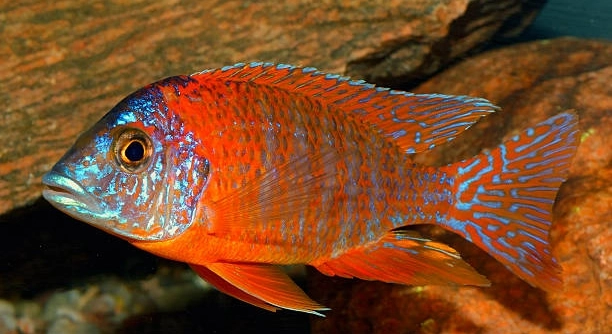
Many aquarium enthusiasts enjoy keeping convict cichlids for their lively behavior and striking patterns. Observing their interactions and daily habits can reveal interesting insights about their preferences and comfort within their tank environment.
Convict cichlids generally prefer shallow water areas within their habitat, as these regions provide easier access to food, safer nesting sites, and better visibility for monitoring surroundings. They tend to avoid deep water unless necessary for shelter or temperature regulation.
Learning about their water depth preferences can help you create a more comfortable and natural environment. Proper habitat adjustments can enhance their behavior and overall well-being in your aquarium.
Understanding Convict Cichlids’ Natural Habitat
Convict cichlids are native to Central America, where they live in rivers and streams with varying depths. They often favor shallow areas with rocks and plants, which offer protection and easy access to food. In their natural habitat, shallow water also allows them to establish territories and care for their young effectively. These cichlids are territorial and will use shallow regions to monitor intruders or threats. Deep water tends to be less populated and offers fewer hiding spots, which makes them feel exposed. Shallow water also heats up faster, providing a stable temperature for breeding and activity. Rocks, plants, and gravel in these areas give them comfort and help simulate their native environment. Observing them, you will notice they spend most of their time near the bottom or mid-levels of shallow zones, occasionally moving into deeper water for short periods. Creating a similar setup in a tank helps them feel secure and active.
Shallow water zones in aquariums encourage natural behaviors like digging, nesting, and defending territory. These areas are critical for their health.
Providing rocks and gentle currents replicates their native streams. This setup allows cichlids to interact naturally, stay active, and feel safe. Watching them adapt to these conditions highlights their unique personality traits.
Setting Up Your Tank for Shallow Preferences
Shallow areas should occupy a significant portion of the tank to satisfy convict cichlids’ natural behavior.
Start with a substrate of fine gravel or sand, creating small slopes that mimic riverbanks. Place rocks and flat stones for hiding and territory boundaries. Include hardy plants to offer cover and reduce stress. Avoid overcrowding decorations, as they need open swimming space. Adding gentle water flow replicates shallow stream conditions, improving oxygen levels. Monitor temperature and keep it stable, as shallow areas warm faster. Feeding in shallow zones encourages natural foraging, and frequent observation helps ensure they are comfortable. A well-balanced tank supports breeding behavior, with males often defending territories around nests. Lighting should be moderate to avoid stressing them, as too bright or harsh lights can drive them into hiding. Regular maintenance, like partial water changes, keeps these areas clean and suitable for active cichlids. Shallow setups increase activity and mimic their natural instincts, keeping them healthier and more vibrant over time.
Maintaining proper depth and decorations ensures the cichlids remain stress-free, healthy, and display their natural behaviors regularly.
Water Depth and Breeding Behavior
Shallow water is preferred for breeding because it offers safety and easier access to oxygen. Convict cichlids build nests on flat surfaces and guard their eggs aggressively. Deep water is avoided during this period, as it feels less secure and limits their control over the territory.
Breeding in shallow zones allows both parents to stay close to the eggs and fry. They can remove debris, defend against intruders, and guide the young to safe areas. Shallow water also warms faster, which helps eggs develop properly. Convict cichlids display stronger territorial behavior in these areas, using rocks, plants, and substrate to mark boundaries. Observing their interactions in a well-structured shallow habitat shows their natural instincts clearly, making it easier to care for their offspring and maintain a peaceful tank environment.
Deep water areas are generally used only when necessary for temporary hiding or escape. Convict cichlids rarely establish breeding sites there because it lacks proper surfaces for nests. In a tank, ensuring shallow zones with flat rocks and calm currents promotes successful reproduction. These areas should be free of heavy decorations, allowing both parents to move freely and maintain control. Fry can swim safely and parents can keep a constant watch, minimizing stress and increasing survival rates. Maintaining proper shallow depth also supports oxygen levels and temperature, both essential for egg development and fry growth.
Feeding Habits in Different Depths
Shallow water is preferred during feeding because it provides easier access to food and visibility. Convict cichlids tend to forage along the bottom or mid-levels, avoiding deep areas unless necessary.
Feeding in shallow zones allows them to pick at flakes, pellets, or live foods efficiently. They often sift through the substrate for small particles, which is easier in shallower areas. Deep water slows their foraging and may make them more cautious. Providing feeding areas near rocks and plants encourages natural behavior and reduces stress. Observation during feeding helps ensure all fish receive proper nutrition.
Depth affects feeding frequency and competition. In shallow zones, they establish territories and avoid conflicts. Deep water often discourages active foraging and reduces social interaction. Maintaining consistent water levels in feeding zones helps them remain healthy, active, and alert. By structuring the tank to emphasize shallow areas with scattered hiding spots, feeding becomes more natural and less stressful. Proper depth planning improves digestion, reduces aggression, and allows all individuals to thrive in a balanced environment.
Shallow vs. Deep Water Comfort
Convict cichlids feel more secure in shallow water because it allows them to see their surroundings clearly. Deep water can feel exposed and stressful, especially if there are no hiding spots or natural cover.
Shallow zones let them establish territories and stay active without feeling threatened. They use rocks, plants, and substrate to mark areas and reduce stress.
Tank Decoration and Depth
Rocks, flat stones, and low plants are ideal for shallow areas. They provide hiding spots, nesting surfaces, and help cichlids feel secure. Proper decoration also creates natural boundaries, reducing aggression and allowing the fish to display their instincts safely.
Observing Behavior Patterns
Shallow water encourages digging, nesting, and foraging behaviors. Convict cichlids are more active and interactive in these zones, showing natural patterns that are less visible in deep water.
FAQ
Do convict cichlids need deep water at all?
Convict cichlids rarely require deep water for daily activities. Shallow water provides food access, safety, and nesting areas. Deep water may be used occasionally for temporary hiding or escaping aggressive tank mates, but it is not essential. Most of their natural behaviors occur in shallow zones, making them the preferred depth for comfort and activity.
Can deep water stress convict cichlids?
Yes, deep water can increase stress levels because it limits visibility and reduces control over territory. Convict cichlids are territorial and rely on visual cues to monitor surroundings. Without adequate cover or shallow spaces, they may become more defensive, hide frequently, or exhibit less natural behavior. Maintaining sufficient shallow areas reduces stress and promotes healthier interactions.
How shallow should the water be for breeding?
For breeding, water should be shallow enough to allow easy access to the bottom, usually around 6–12 inches depending on tank size. Shallow depths help parents guard eggs and fry effectively, maintain proper temperature, and keep oxygen levels stable. Flat surfaces like rocks or stones in these areas are essential for nest building and territorial control.
Is it safe to mix shallow and deep zones in one tank?
Yes, including both shallow and slightly deeper areas is safe if the majority of the tank mimics shallow riverbanks. Deep areas can provide temporary refuge, but most feeding, nesting, and social interactions should happen in shallower zones. Proper placement of decorations and hiding spots ensures all fish feel secure without being forced into deep water constantly.
Do fry prefer shallow water?
Fry instinctively stay in shallow areas because these zones provide safety, warmer temperatures, and easy access to food. Shallow regions allow parents to guide them while reducing exposure to predators. In a home tank, creating gentle slopes and open shallow zones ensures fry can explore, feed, and grow under parental care.
Will shallow water increase aggression between cichlids?
Shallow water can sometimes increase territorial behavior because fish have more defined boundaries and visible neighbors. Aggression is usually limited to defending nests or feeding areas. Providing rocks, plants, and open swimming space allows individuals to establish territories without constant conflict, keeping the tank balanced while encouraging natural behaviors.
How does water depth affect feeding habits?
Shallow water allows convict cichlids to forage efficiently and maintain control over feeding territories. Deep zones can slow down foraging and reduce interaction with other fish. Feeding near flat rocks or plants in shallow zones encourages natural sifting behavior and ensures that all fish can access food without competition becoming excessive.
Can water depth influence health?
Yes, water depth affects temperature, oxygen levels, and stress. Shallow zones heat faster and often have more oxygen, supporting growth and activity. Deep zones without proper flow or aeration can lead to reduced oxygen, slower metabolism, and less natural behavior. Proper shallow areas are essential for long-term health and well-being.
How to adjust tank depth for comfort?
Use a gradual substrate slope, rocks, and flat stones to create shallow areas while still allowing a few deeper spots. Keep most activity and feeding areas in shallow zones. Monitor fish behavior to see if they feel secure, and adjust water levels or decoration if they frequently hide in deep sections.
Does lighting affect shallow vs. deep preferences?
Moderate lighting in shallow zones helps cichlids feel safe and supports plant growth, which provides cover. Bright or harsh lights can push them into deeper areas, causing stress. Proper lighting paired with shallow zones ensures active behavior, natural foraging, and comfortable territorial displays throughout the day.
Are shallow zones better for observing natural behavior?
Yes, shallow zones make it easier to watch digging, nesting, and feeding behavior. Convict cichlids are more interactive and expressive when they feel secure. Deep zones may hide these behaviors, making it harder to understand social dynamics, parent-fry interactions, and territorial patterns in the tank.
How often should shallow areas be maintained?
Regular cleaning of substrate, rocks, and plant bases is necessary to prevent waste buildup. Shallow zones are used heavily for digging, feeding, and nesting, so they accumulate debris faster. Partial water changes and light vacuuming help maintain water quality, oxygen levels, and healthy conditions for both adults and fry.
Does tank size affect preferred depth?
Yes, larger tanks can accommodate slightly deeper zones, but shallow areas should still dominate. Smaller tanks need carefully designed shallow regions to prevent overcrowding. Regardless of tank size, providing accessible shallow spaces supports natural behavior, stress reduction, and overall well-being.
Can shallow water improve breeding success?
Shallow water greatly improves breeding success by allowing parents to monitor eggs and fry efficiently. It supports proper temperature and oxygen levels and gives flat surfaces for nest building. Convict cichlids are more likely to guard their young effectively when they feel safe in shallow areas.
What is the ideal mix of shallow and deep zones?
Most of the tank should be shallow, around 70–80 percent, with a few deeper sections for temporary refuge. Shallow areas handle feeding, nesting, and social activity. Deep areas provide occasional hiding without dominating the tank, ensuring convict cichlids remain comfortable, active, and less stressed.
Do decorations influence depth preference?
Yes, rocks, flat stones, and low plants make shallow areas feel safe and territorial. They provide structure for nests, hiding spots, and natural boundaries. In deep zones without decorations, fish may avoid spending time, emphasizing the importance of thoughtful tank design.
Is it normal for cichlids to sometimes use deep water?
Yes, occasional use of deep water is normal for escaping aggression or exploring. However, it is not their preferred zone for feeding, breeding, or daily activity. Shallow water remains the core area for natural behavior, comfort, and interaction.
How do water currents interact with depth preference?
Gentle currents in shallow areas mimic natural streams, encouraging active swimming and oxygenation. Strong currents in deep zones may discourage exploration and increase stress. Maintaining moderate flow in shallow zones ensures comfort while supporting healthy activity levels.
Do temperature differences affect depth preference?
Shallow areas warm faster and are generally more comfortable for breeding and activity. Deep areas remain cooler and may be used for short-term refuge, but cichlids prefer consistent warmth and stable temperatures found in shallow zones. This is especially important for fry development and egg survival.
Can shallow water prevent disease?
While shallow water alone doesn’t prevent disease, it allows better observation of behavior and feeding. Clean, well-structured shallow areas reduce stress, which lowers susceptibility to illness. Proper depth, combined with regular maintenance, improves overall health and reduces the risk of infections.
How can I tell if my tank setup suits their depth preference?
Observe activity patterns: cichlids should spend most time in shallow zones, actively foraging, building nests, and interacting. Avoid setups where they hide constantly in deep sections. Adjust substrate, decorations, and water levels until natural behaviors appear regularly and stress signs are minimal.
Does shallow water affect territorial disputes?
Yes, shallow zones make territorial boundaries clearer, sometimes increasing minor disputes. Providing visual markers like rocks and plants reduces aggression while allowing cichlids to establish territories naturally. Conflicts are easier to monitor and manage in well-planned shallow areas, keeping the tank balanced.
Are shallow zones better for social interaction?
Yes, shallow water promotes interaction, both during feeding and territorial displays. Fish are more visible, confident, and active, leading to healthier social structures. Deep zones tend to isolate individuals, limiting natural behavior and reducing opportunities for observing parent-fry or territorial interactions.
How to adjust tank setup if deep water is overused?
If fish spend too much time in deep zones, check for stressors like strong currents, overcrowding, or lack of cover. Rearrange rocks, flatten surfaces, and ensure shallow areas dominate. Monitor temperature and lighting to make shallow zones more appealing, encouraging natural behavior and comfort.
Does depth preference change as cichlids age?
Juveniles stick closer to shallow areas for safety and food. Adults may explore slightly deeper zones but still prefer shallow water for nesting and territory. Adjusting tank structure over time ensures all age groups remain comfortable and exhibit normal behavior.
Can water depth influence lifespan?
Indirectly, yes. Comfortable shallow zones reduce stress, support natural feeding, and encourage proper breeding behavior. Stress and poor environment in deep water can shorten lifespan. Maintaining a predominantly shallow setup contributes to healthier, longer-living convict cichlids.
How often should I check their depth preference?
Regular observation is important, especially after rearranging the tank or adding new fish. Ensure they are using shallow zones for feeding, nesting, and social interaction. Adjusting substrate, decorations, or water flow can encourage proper use of preferred depths.
Are there differences in depth preference between males and females?
Males often patrol territories more aggressively in shallow areas, while females focus on nesting and fry care. Both prefer shallow zones, but roles may slightly influence how they use space. Ensuring sufficient shallow areas accommodates both behaviors simultaneously, reducing stress and conflict.
Can water depth affect color and appearance?
Yes, fish in comfortable shallow zones display brighter colors and more active patterns. Stress from deep or poorly structured areas can dull coloration, reduce activity, and affect overall appearance. Providing preferred shallow conditions enhances their natural vibrancy and behavior.
What is the best water depth strategy for mixed tanks?
Ensure shallow zones dominate for feeding, nesting, and social activity. Deep zones can serve as temporary refuge but should be limited. Proper decoration, substrate, and plant placement encourage all fish to use shallow areas, promoting natural behavior while reducing stress and aggression.
How important is shallow water for long-term tank success?
Shallow water is crucial for natural behavior, breeding, feeding, and stress reduction. Consistently maintaining shallow zones with proper decoration, temperature, and oxygen levels ensures convict cichlids thrive, display vibrant activity, and remain healthy over time. It is a key factor in long-term tank management and success.
Final Thoughts
Convict cichlids are active and territorial fish that thrive when their tank closely resembles their natural habitat. Shallow water plays a critical role in providing comfort, security, and opportunities to display natural behavior. In the wild, these fish prefer shallow zones near riverbanks, rocks, and plants because these areas give them access to food and protection from predators. When replicating this environment in a home aquarium, creating ample shallow areas is essential. Rocks, flat stones, and low plants not only provide cover but also serve as markers for territorial boundaries. This setup allows cichlids to establish nests, guard their eggs and fry, and interact with other fish confidently. By prioritizing shallow water and natural décor, you encourage behavior that reflects their instincts, which contributes to their overall well-being.
Shallow zones also affect feeding, breeding, and social behavior. Convict cichlids tend to forage along the bottom or mid-levels, sifting through substrate for small food particles. This behavior is more efficient in shallow water because it is easier to see surroundings and manage territory. During breeding, shallow areas provide safety for eggs and fry, stable temperature, and oxygen levels suitable for development. Both male and female cichlids use these zones to guard their young, which increases survival rates. Deep water, in contrast, is often avoided unless necessary for temporary refuge or to escape aggression. While occasional exploration of deeper areas is normal, it should not dominate the tank layout. A balanced tank with mostly shallow zones encourages natural feeding patterns, reduces stress, and helps maintain healthy social interactions.
Maintaining the right depth and structure in a tank benefits both fish and the overall aquarium environment. Shallow water allows better observation of behavior, making it easier to notice early signs of stress, illness, or aggression. Decorations such as rocks and plants support natural digging, nesting, and territorial displays, while also helping control aggression between individuals. Proper attention to water depth, temperature, and flow in shallow zones ensures that convict cichlids remain active, healthy, and vibrant. By observing their patterns and adjusting the tank setup accordingly, you create a space where the fish feel secure and can express natural instincts. Consistent maintenance of shallow areas, along with monitoring water quality and providing adequate feeding spots, ultimately leads to a thriving tank environment and long-term well-being for convict cichlids.

Hello,
If you enjoy the content that we create, please consider saying a "Thank You!" by leaving a tip.
Every little bit helps us continue crafting quality advice that supports the health, happiness, and well-being of pets around the world, for pets of all shapes, sizes, and species.
We really appreciate the kindness and support that you show us!