
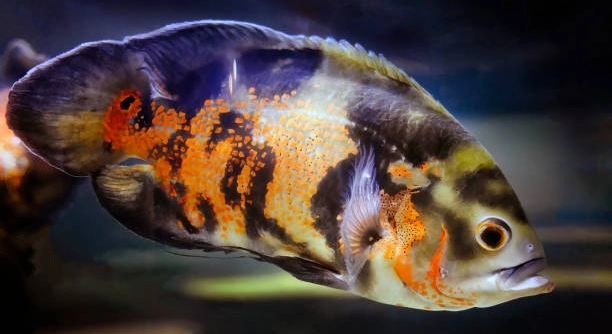
Do you ever notice your cichlid pair swimming past their fry without much attention, leaving the little ones exposed in the tank? Many fish owners have seen their usually protective parents act unusually indifferent, causing concern for the fry’s safety.
When a cichlid pair stops defending their fry, it is often due to stress, poor health, or unsuitable tank conditions. These factors can reduce parental instincts, making the fry vulnerable to predation or environmental hazards in the aquarium.
Observing the changes in their behavior can help identify underlying issues and guide adjustments to improve fry survival and parental care.
Reasons Cichlids May Abandon Their Fry
Sometimes cichlids stop protecting their fry because of stress in the tank. Overcrowding, sudden changes in water temperature, or aggressive tank mates can overwhelm them. Illness or weakness in one parent may also reduce their ability to care for the young. Nutrition plays a role too; if the adults are not eating well, their energy for guarding the fry drops. Environmental issues like poor water quality or strong currents can make them anxious and less likely to defend. Even small changes in lighting or decorations may trigger a sense of insecurity, causing them to leave the fry unattended. These behaviors are instinctive responses to perceived threats rather than deliberate neglect. Observing your fish closely can help you recognize early signs of stress. Adjusting tank conditions, ensuring balanced feeding, and monitoring health can improve the parents’ behavior and increase fry survival.
Stress, poor nutrition, and environmental changes are the main reasons cichlids may abandon their fry.
Watching your cichlids closely allows you to spot warning signs early. Quick adjustments can prevent further neglect and keep the fry safer.
How to Encourage Parents to Protect Fry
Keeping water clean and stable is crucial for maintaining parental care. Regular water tests and gentle changes help reduce stress, keeping the pair comfortable.
Feeding adults a varied diet strengthens their health and energy. High-quality protein and occasional live food encourage natural behavior, including guarding fry. Avoiding overcrowding and providing hiding spots gives parents confidence that the environment is safe. Observing their behavior daily allows you to notice changes in interest or aggression toward the fry. If one parent shows signs of illness, isolating and treating them can prevent further neglect. Patience is key; cichlids may resume care once they feel secure. Adding soft lighting or rearranging decorations can reduce perceived threats and stimulate parental instincts. Remember, even small improvements in water quality, diet, or tank layout can make a significant difference. With careful observation and timely interventions, most pairs will return to protecting their fry effectively. These steps not only improve fry survival but also promote a calmer, healthier aquarium environment where both adults and young thrive.
Signs That Parents Are Losing Interest
Changes in behavior are the first clue that cichlid parents are losing interest in their fry. They may swim away when fry approach or stop fanning eggs. Reduced aggression toward intruders is another sign, as protective instincts fade.
Parents may start spending less time near the fry, often ignoring them entirely. You might notice that one or both adults focus on themselves, eating more or exploring other parts of the tank. Fry left unattended may cluster in corners or hide more than usual. Watching the adults’ movement patterns can reveal subtle changes, like avoiding the usual guarding spots. Even slight disinterest can impact fry survival, so early detection is important.
Sometimes the parents’ shift in attention is gradual, while other times it happens suddenly. Environmental changes or minor stressors can trigger this behavior, making it unpredictable. Observing their interactions with the fry and each other gives clues about whether intervention is needed. Adjusting feeding schedules or providing additional hiding spots may help reignite parental instincts. Monitoring both adults’ health ensures that illness is not contributing to the neglect, and consistent care often encourages them to return to protective behaviors.
Steps to Protect Fry When Parents Stop
Separating the fry into a safe area is often necessary if parents stop caring. Using a breeder box or tank divider prevents predation.
Maintaining perfect water conditions becomes more critical once parents lose interest. Frequent testing and partial water changes help reduce stress on the fry. Providing small amounts of high-quality food multiple times a day ensures proper growth and strengthens immunity. Hiding places such as plants or small caves reduce vulnerability and allow fry to move freely without constant threat. Even in smaller tanks, creating vertical and horizontal zones gives them options to escape potential hazards. Observing daily helps catch early signs of disease or stress among fry. Gradually, fry develop stronger swimming and survival skills, making them more independent. Consistency in care, along with careful monitoring of water parameters and feeding, increases the chances that the fry reach maturity safely, even without parental protection.
Immediate Actions to Take
Moving fry to a separate tank or breeder box prevents them from being eaten. Even a small, temporary setup can give them a safe start.
Monitor water quality closely during this time. Stable temperature, pH, and cleanliness are essential to reduce stress and improve survival rates.
Feeding Strategies for Vulnerable Fry
Feeding small amounts frequently is best. Newly hatched fry need finely crushed flake, baby brine shrimp, or liquid fry food. Overfeeding can foul the water, so give what they can eat in a few minutes. Rotate food types to provide balanced nutrition. Stronger fry grow faster and are more resilient.
Avoiding Stress in the Tank
Keep tank activity low. Sudden movements, loud noises, or frequent handling can frighten fry and weaken their immune systems.
FAQ
Why did my cichlid pair suddenly stop defending their fry?
Cichlids may abandon fry due to stress, illness, or poor tank conditions. Sudden changes like temperature shifts, overcrowding, or aggressive tank mates can overwhelm them. Even minor environmental adjustments, like rearranged decorations or strong lighting, can trigger this behavior. Nutrition also plays a role; parents lacking proper food may have reduced energy to guard their young. Observing your adults’ health and behavior helps identify which factor is causing neglect. Addressing these issues promptly can encourage parents to resume protective behaviors.
Can fry survive without parental care?
Yes, fry can survive without parents if provided with a safe environment. Using a breeder box or a separate tank helps prevent predation. Maintaining clean, stable water with proper temperature and pH is critical. Hiding spots, such as plants or small caves, give fry security and reduce stress. Feeding small amounts multiple times a day with high-quality food supports growth. While parental care improves survival rates, attentive human care can substitute effectively in most cases.
How can I tell if the parents are stressed?
Signs of stress include erratic swimming, hiding frequently, refusing food, or showing reduced aggression toward intruders. Overcrowding or aggressive tank mates can also cause nervous behavior. Watch for color changes or clamped fins, which indicate discomfort. Even subtle shifts in their usual guarding patterns can signal stress. Stress weakens immune systems and can directly impact parental instincts, so early detection is key. Addressing the source—such as adjusting tank layout, improving water quality, or separating aggressive fish—can help restore normal behavior.
What should I feed the fry if parents aren’t protecting them?
Fry need small, frequent feedings of finely crushed flake, baby brine shrimp, or liquid fry food. Rotating food types ensures balanced nutrition and encourages faster growth. Avoid overfeeding, as uneaten food can pollute the water. Strong fry develop better immunity and swimming skills, improving their chances of survival. Observing how much they eat in a few minutes helps prevent water quality issues while keeping them healthy.
Is it safe to put stressed parents back with the fry?
Only reintroduce parents if they appear healthy and calm. Ensure water conditions are stable, and fry have hiding spots. Monitor interactions closely, as stressed parents may still attack or ignore the fry. Gradual reintroduction, with careful observation, is safer than immediate full access. If any aggression occurs, separate them again to avoid losses.
How do I prevent this situation in the future?
Maintain stable water conditions and avoid sudden changes in temperature, pH, or lighting. Keep tank population balanced and avoid aggressive species nearby. Feed adults a nutritious, varied diet to maintain energy and promote natural guarding instincts. Observing behavior regularly allows you to detect stress early. Providing plants or small caves can make the tank feel safe and encourage consistent parental care. Consistency and attentive care reduce the likelihood of neglect in future spawnings.
Can both parents stop caring at the same time?
Yes, it happens when both adults are stressed, sick, or inexperienced. Environmental stressors or poor nutrition affect both fish equally. If this occurs, immediate intervention is necessary, such as moving fry to a safe tank and improving conditions. Gradual improvement of the environment may restore parental instincts over time.
Are some cichlid species more likely to abandon fry?
Certain species have stronger parental instincts than others. Some cichlids are known for consistent care, while others may be more prone to abandoning fry under stress. Researching your specific species’ behavior helps set realistic expectations and allows better preparation for fry survival.
How long should fry stay in a separate tank?
Keep fry separate until they are strong swimmers and less vulnerable to predation. This usually takes several weeks, depending on species and water conditions. Once fry are more independent, gradual introduction back to the main tank is safer. Continuous observation ensures they adapt without stress or risk from adults.
Can changing tank decor influence parental care?
Yes, rearranging decorations can make parents feel insecure, triggering neglect. Stable hiding spots and familiar territory help maintain normal guarding behavior. Sudden changes in layout or removal of shelters can disrupt routines and stress the adults. Gradual adjustments, if needed, are safer than abrupt alterations.
What are the signs fry are not getting enough care?
Fry left unattended may cluster in corners, hide excessively, or show slow growth. Uneaten food may accumulate around them, and they may appear weaker or more vulnerable to illness. Observing daily helps detect these issues early, allowing you to take protective measures to ensure survival.
Is human intervention better than relying on parents?
In some cases, yes. When parents are stressed, sick, or uninterested, human care can prevent losses. Proper feeding, water management, and protective setups give fry a better chance to grow. Even attentive parental care can fail under stress, so intervention ensures their safety.
How can I reduce stress for both adults and fry?
Maintain stable water parameters, provide hiding spots, and minimize tank disturbances. Avoid overcrowding, loud noises, or sudden movements. A calm, predictable environment encourages parental care and allows fry to explore safely. Observing daily helps catch early signs of stress and correct them before issues escalate.
What if only one parent stops caring?
Monitor the situation closely. Often the other parent continues to guard the fry, but additional hiding places may be needed. Ensure both adults are healthy and well-fed. If neglect persists, separating fry temporarily may be necessary to prevent losses.
How often should I check on fry if parents aren’t protecting them?
Daily checks are ideal. Look for signs of stress, illness, or water quality issues. Feeding should be timed carefully to avoid overfeeding while keeping fry nourished. Regular observation allows early interventions that improve survival and growth.
Can stress in adults affect fry development?
Yes, stressed parents may reduce fanning, cleaning, or guarding behaviors. Fry may grow slower, become weaker, or be more susceptible to disease. Minimizing stress through proper tank conditions, nutrition, and hiding spots supports both adults and fry, promoting healthier development overall.
Are there signs parents are returning to care?
Adults may begin spending more time near fry, fanning eggs or guarding them. They may chase away perceived threats and show more regular feeding behavior. Gradual improvement indicates restored instincts, though continued observation ensures fry safety.
How important is water quality during this period?
Critical. Poor water can stress both fry and adults, lead to disease, and reduce survival rates. Frequent testing and partial water changes maintain stability. Clean water supports immune systems, encourages growth, and helps restore parental behaviors if they were disrupted.
Can I use plants to protect fry?
Yes, live or artificial plants create hiding spaces. Dense areas reduce exposure to predators and give fry confidence to swim and feed. Plants also help adults feel secure, which can encourage resumption of guarding behaviors. Placement should allow fry to move freely without trapping them.
When should I consider separating the adults entirely?
If parents consistently ignore or harm fry, separation is necessary. Use a breeder box or different tank to ensure fry survival. Reintroduce adults only when conditions are stable and both adults show calm behavior.
Do all fry need the same care?
Individual fry may vary in strength. Observe for weaker or slower swimmers and ensure they get food and hiding spots. Adjust feeding and protection strategies to give all fry the best chance of survival, even in the same tank environment.
How can I track fry growth effectively?
Use small visual markers or note size changes during daily observations. Keeping a simple log helps identify underperforming fry, detect illness early, and adjust feeding or care routines. Tracking ensures timely interventions and better survival outcomes.
Is it normal for parents to ignore fry sometimes?
Occasional lapses can happen, but consistent neglect signals stress, illness, or poor conditions. Minor breaks in care are usually brief, but prolonged lack of attention requires intervention to protect the fry. Regular monitoring ensures small issues don’t become serious problems.
What is the most important step to ensure fry survival when parents stop caring?
Immediate protection in a safe environment, stable water quality, proper nutrition, and daily observation are key. These measures increase survival chances and allow fry to grow strong until they can be safely returned or thrive independently.
Final Thoughts
Watching a cichlid pair stop caring for their fry can be unsettling, especially when you expect the parents to protect their young. It is important to remember that this behavior is often natural and usually triggered by stress, environmental changes, or health issues. Cichlids are instinct-driven animals, and their response to perceived threats or discomfort is not a sign of intentional neglect. Overcrowding, poor water quality, sudden changes in tank temperature, or aggressive tank mates can overwhelm them, making them leave the fry unattended. Even slight adjustments in decorations or lighting can affect how safe they feel in the tank. Observing your fish closely and noting subtle changes in their behavior is the first step in addressing the problem. Once the cause of stress or discomfort is identified, small improvements in their environment can encourage parents to resume guarding their fry, helping maintain natural behaviors and increasing survival rates.
Providing proper care for fry without parental support requires attention to detail but can be very rewarding. Moving the fry to a separate tank or breeder box helps protect them from predation, while maintaining stable water conditions ensures they stay healthy. Feeding small, frequent amounts of suitable fry food supports growth and strengthens their immune systems, giving them a better chance of survival. Adding hiding spots like plants or small caves reduces stress and allows fry to explore their environment safely. Even if the parents return to care later, these measures can help the fry survive during the most vulnerable stages. Keeping a close eye on water parameters, feeding routines, and fry behavior can prevent issues before they become serious. A consistent routine not only benefits the fry but can also reduce stress in the adult fish, increasing the likelihood that they resume protective behaviors.
It is also important to manage expectations and understand that not every spawning will go perfectly. Some cichlid species are more prone to abandoning fry under stress, while others are highly devoted parents. Interventions such as separating fry, improving water quality, and providing nutrition can make a significant difference in survival rates, even when the adults fail to protect them. Observing daily allows for early detection of illness, stress, or unusual behavior, which gives you the chance to respond quickly. Ultimately, maintaining a calm, stable, and supportive environment is key to both the health of the fry and the well-being of the adults. By paying attention to the needs of both parents and offspring, you can help ensure that fry grow strong and healthy while the adults remain less stressed and more likely to display natural protective instincts in future spawnings.

Hello,
If you enjoy the content that we create, please consider saying a "Thank You!" by leaving a tip.
Every little bit helps us continue crafting quality advice that supports the health, happiness, and well-being of pets around the world, for pets of all shapes, sizes, and species.
We really appreciate the kindness and support that you show us!