
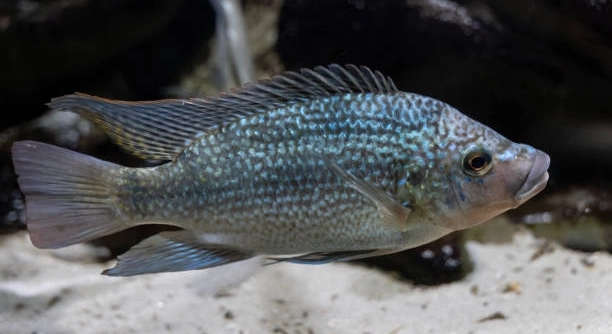
Cichlids are fascinating fish that bring color and energy to any aquarium. Their behavior and health reflect the environment they live in, making it important to maintain proper tank habits for their long-term well-being.
Happy cichlids thrive in tanks that are consistently clean, well-maintained, and properly filtered. Providing stable water conditions, balanced nutrition, and adequate space reduces stress, encourages natural behaviors, and supports overall health and longevity in these territorial freshwater fish.
Maintaining these habits will create a harmonious environment and allow your cichlids to flourish naturally in their aquatic home.
Consistent Water Changes
Regular water changes are essential for keeping cichlids healthy. Replacing 20 to 25 percent of the tank water weekly helps remove waste, excess nutrients, and toxins. Clean water reduces the risk of disease and supports strong immune systems. Cichlids are sensitive to sudden changes, so it’s important to match the new water’s temperature and pH to the existing tank. Over time, consistent water changes stabilize the environment, making fish less stressed and more active. Proper filtration combined with these changes ensures that harmful chemicals like ammonia and nitrites remain at safe levels. Many beginners overlook how quickly water conditions can deteriorate, leading to aggression or lethargy. Observing water clarity and testing regularly provides insight into the tank’s overall health. By sticking to a routine, you create a predictable environment that allows cichlids to display natural behaviors. A stable tank prevents sudden spikes in toxins, which can cause illness or even death.
Maintaining water consistently will make your cichlids healthier and calmer. It supports their natural behaviors and long-term growth effectively.
A proper schedule for water changes also encourages a cleaner tank overall. Uneaten food, fish waste, and decaying plants can quickly pollute water. By changing water consistently, you limit algae growth and maintain clearer conditions. Fish tend to be less stressed when water parameters are stable, which reduces aggressive behavior. Tank decorations and substrate can trap waste, so occasional vacuuming is important during changes. Using dechlorinated water and testing for ammonia, nitrites, and nitrates ensures the environment remains safe. Over time, these small steps prevent major problems and create a more enjoyable tank to watch. Cichlids become more active and display brighter colors in stable conditions. Consistent water care makes it easier to notice early signs of illness. Overall, sticking to a schedule benefits both the fish and the tank’s ecosystem.
Balanced Diet and Feeding
Providing a varied diet is key to cichlids’ health. High-quality pellets, frozen foods, and occasional live treats meet their nutritional needs. Feeding small portions multiple times a day prevents overeating and water contamination.
A balanced diet promotes vibrant colors and supports growth. Fish become more active and less prone to disease when they receive proper nutrition consistently.
Overfeeding or feeding the same type of food can lead to health problems. Cichlids require protein for muscle development, vegetables for fiber, and occasional supplements for vitamins. Rotating foods ensures they get all essential nutrients. Observation helps determine if portions are adequate—uneaten food should be minimal. Proper feeding also influences behavior; well-fed fish are less aggressive and more interactive. Some cichlid species have specific dietary preferences, so adjusting according to type ensures optimal health. Feeding at the same times each day builds a routine and reduces stress. Avoiding sudden changes in diet prevents digestive issues. By maintaining a balanced feeding plan, the tank stays cleaner, fish thrive, and you can enjoy watching natural behaviors and social interactions among your cichlids.
Proper Tank Size
Cichlids need ample space to swim and establish territories. Overcrowding leads to stress, aggression, and poor growth. A tank that accommodates their adult size is essential for their health and natural behavior.
Providing a large tank allows cichlids to explore freely and reduces conflicts. Territorial species, like African cichlids, need defined spaces with hiding spots to prevent constant fighting. Inadequate space can result in stunted growth and frequent stress-related illness. Substrate, rocks, and plants should be arranged to create distinct areas, helping multiple fish coexist peacefully. Observing interactions helps determine if adjustments are needed. A properly sized tank also makes water maintenance easier, as larger volumes are more stable. Space and structure together create an environment where cichlids can display natural behaviors, feed properly, and interact with minimal stress.
Choosing the right tank size is crucial from the start. Fish can adapt, but a cramped environment compromises health. Larger tanks provide a stable ecosystem and make maintenance manageable. Fish will swim actively, explore territories, and show vibrant colors. Growth rates improve, and aggression decreases. The arrangement of décor supports social dynamics. With careful planning, cichlids thrive both physically and behaviorally, benefiting long-term tank stability.
Stable Water Parameters
Cichlids are sensitive to sudden changes in temperature, pH, and hardness. Consistency prevents stress and promotes healthy development. Maintaining stable water parameters ensures a safe and comfortable environment for all species.
Monitoring water regularly helps maintain stability. Sudden shifts in temperature or pH can cause shock, weaken immune systems, and increase susceptibility to disease. Using reliable heaters, filters, and test kits supports steady conditions. Some species require slightly different parameters, so adjusting gradually is important. Stability reduces aggressive behavior triggered by discomfort and supports breeding in compatible species. By observing fish for unusual behavior or coloration changes, issues can be addressed early. Gradual adjustments and consistent maintenance prevent long-term health problems and create a predictable habitat that cichlids can rely on for comfort and safety.
Maintaining stable water conditions is essential for thriving cichlids. Sudden fluctuations can stress fish, encourage disease, and disrupt natural behavior. Steady parameters support growth, vibrant coloration, and social interactions. Using quality equipment and testing water ensures long-term tank health and prevents emergencies.
Hiding Spots and Decorations
Cichlids need places to hide and establish territories. Rocks, caves, and plants reduce stress and prevent aggression. Proper décor creates a natural environment where fish can explore, rest, and feel secure.
Hiding spots also support breeding behavior. Many species need secluded areas to lay eggs and protect fry. Strategic placement of decorations encourages natural activity and interaction while minimizing conflicts.
Proper Filtration
A strong filtration system is critical for maintaining clean water. Filters remove debris, excess nutrients, and harmful chemicals like ammonia and nitrites. Proper filtration ensures stable water quality, which reduces stress and supports healthy growth and vibrant coloration in cichlids.
Regular Observation
Watching your cichlids daily helps detect early signs of illness, aggression, or stress. Quick intervention prevents minor issues from becoming serious problems.
FAQ
How often should I change the water in my cichlid tank?
Water should be changed regularly to keep the environment clean and stable. A weekly change of 20 to 25 percent is ideal. This removes waste, reduces toxins, and maintains a balance in pH and other water parameters. Skipping changes can lead to stress and disease.
What size tank is suitable for cichlids?
Tank size depends on the species and number of fish. Generally, a minimum of 55 gallons is recommended for smaller species, while larger or more aggressive cichlids need 75 gallons or more. Adequate space allows them to swim freely, establish territories, and reduce aggression.
How can I prevent cichlids from being aggressive?
Aggression can be minimized with proper tank size, hiding spots, and careful selection of tank mates. Overcrowding increases stress and fighting. Adding rocks, caves, or plants creates territories and provides refuge, allowing fish to feel secure while interacting naturally.
What should I feed my cichlids?
Cichlids need a balanced diet of high-quality pellets, frozen foods, and occasional live foods. Protein supports growth and muscle development, while vegetables provide fiber. Feeding small portions multiple times a day prevents overeating and maintains water quality. Rotating foods ensures all nutritional needs are met.
How do I maintain stable water parameters?
Use a reliable heater and filtration system to maintain temperature and water quality. Regular testing of pH, ammonia, nitrites, and nitrates helps detect changes early. Gradual adjustments are necessary for species with specific requirements, and consistency prevents stress and promotes health.
How important are hiding spots in a tank?
Hiding spots are essential for reducing stress and aggression. Cichlids use caves, rocks, and plants to establish territories, rest, or escape conflicts. These areas also support breeding behavior, allowing fish to lay eggs and protect fry safely without interference from others.
Can cichlids live with other fish?
Yes, but tank mates must be chosen carefully. Compatible species should have similar size, temperament, and water requirements. Avoid overcrowding and provide multiple hiding spots. Mixing incompatible fish can lead to stress, injury, and poor growth. Observation is necessary to ensure peaceful coexistence.
How do I know if my cichlid is healthy?
Healthy cichlids are active, swim freely, and display bright coloration. They eat regularly and interact with other fish normally. Signs of illness include lethargy, clamped fins, loss of appetite, or unusual spots. Early detection through daily observation helps prevent serious problems.
How often should I clean the filter?
Filters should be cleaned every few weeks, depending on the tank size and bio-load. Rinse filter media in tank water to preserve beneficial bacteria. Avoid over-cleaning, as removing all bacteria can destabilize the tank’s ecosystem and harm water quality.
What is the best way to introduce new cichlids?
Acclimate new fish slowly by floating the bag in the tank and gradually mixing tank water. This reduces shock from temperature or pH differences. Introducing fish carefully and monitoring interactions prevents stress and helps them settle comfortably into their new environment.
Can cichlids breed in a home aquarium?
Yes, many cichlid species can breed in captivity if conditions are suitable. Stable water parameters, hiding spots, and proper diet encourage breeding behavior. Observing fish for courtship displays and providing safe areas for eggs and fry increases the chances of successful reproduction.
How do I prevent algae growth?
Algae growth is controlled through regular water changes, proper lighting, and not overfeeding. Maintaining balanced nutrient levels and using live plants can also help. Algae-eating species may assist, but tank maintenance remains the most effective way to keep algae in check.
What should I do if a cichlid gets sick?
Isolate the affected fish in a quarantine tank to prevent spreading disease. Identify the symptoms and use appropriate treatment. Maintaining good water quality, proper diet, and stress-free conditions helps recovery. Preventive measures, like routine observation, reduce the risk of illness recurring.
How do I manage aggressive breeding behavior?
During breeding, some cichlids become territorial and protective. Provide extra hiding spots and space to reduce conflicts. Monitor interactions closely and separate highly aggressive individuals if needed. This ensures fry survival and prevents injury to other fish.
Can cichlids live long in captivity?
With proper care, many cichlids live 8 to 15 years, depending on the species. Maintaining stable water conditions, a balanced diet, and a stress-free environment supports longevity. Regular observation and proactive maintenance are key to keeping them healthy and active throughout their lifespan.
What type of substrate is best for cichlids?
Sand or fine gravel is preferred, depending on the species. Some cichlids like to dig, so soft substrates prevent injury. The substrate also affects water chemistry, so choosing the right type helps maintain proper pH and hardness levels in the tank.
How do I reduce stress in cichlids?
Stress is minimized by providing adequate space, stable water parameters, hiding spots, and compatible tank mates. Routine care, consistent feeding, and gentle handling contribute to a calmer environment. Stress-free fish are more active, healthier, and less likely to develop disease.
Is it necessary to test water frequently?
Yes, frequent testing ensures that ammonia, nitrite, nitrate, pH, and hardness levels remain safe. Early detection of changes allows quick correction before fish are affected. Regular testing supports long-term health and prevents sudden outbreaks of illness.
How can I encourage natural behaviors?
Providing appropriate space, décor, and diet encourages cichlids to explore, establish territories, and interact socially. Observing and replicating conditions similar to their natural habitat promotes natural behaviors like digging, hiding, and breeding. Well-structured environments reduce stress and improve overall wellbeing.
What are signs of poor water quality?
Cloudy water, algae overgrowth, foul odors, and unusual fish behavior indicate declining water quality. Fish may become lethargic, stop eating, or display clamped fins. Addressing these signs promptly with water changes, filter maintenance, and parameter testing prevents further harm.
How important is routine observation?
Daily observation helps identify changes in behavior, appearance, or interactions. Noticing small issues early allows intervention before problems escalate. Routine monitoring also provides insight into fish health, tank stability, and the effectiveness of care practices. Consistent attention ensures a thriving environment.
What role does temperature play in cichlid health?
Cichlids are sensitive to temperature fluctuations. Maintaining a consistent range appropriate for the species supports metabolism, feeding, and immune function. Sudden changes can cause stress, illness, or even death. A reliable heater and thermometer are essential for stability.
How do I handle aggressive interactions?
Provide hiding spots and separate overly aggressive fish if necessary. Monitor interactions closely, particularly during feeding or breeding. Adjusting tank layout and population density can reduce conflict and promote harmony among cichlids.
Can tank decorations affect cichlid behavior?
Yes, rocks, caves, and plants create territories and provide security. Proper décor encourages natural behaviors like exploring and hiding. It also reduces aggression by giving fish defined spaces to claim, which is especially important in species with strong territorial instincts.
How do I acclimate fish after a water change?
Add new water gradually, ensuring temperature and pH match existing conditions. Sudden changes can stress cichlids and impact health. Mixing water slowly during top-offs or partial changes maintains stability and keeps fish comfortable.
Are live plants beneficial for cichlids?
Live plants provide hiding spots, reduce stress, and improve water quality by absorbing nutrients. Some species may uproot plants, so choosing hardy varieties or securing them helps maintain both decoration and plant health. Live plants also support natural behaviors.
How do I prevent overfeeding?
Feed small portions that fish can consume within a few minutes. Overfeeding pollutes water, encourages algae growth, and can lead to obesity or digestive issues. Observing feeding behavior ensures portions are appropriate and tank conditions remain stable.
What is the ideal pH for cichlids?
pH varies by species, but most cichlids thrive between 7.0 and 8.5. African rift lake species prefer higher pH, while South American species may need slightly lower levels. Regular testing and gradual adjustments maintain a safe, stable environment.
How can I support breeding in cichlids?
Provide stable water, hiding spots, and high-quality food. Monitor courtship behavior and allow privacy for eggs and fry. Adjusting tank conditions to match species-specific requirements increases the likelihood of successful breeding and healthy offspring.
Is quarantine necessary for new fish?
Yes, isolating new arrivals prevents introducing disease to the main tank. A quarantine period of 2–4 weeks allows observation for illness and ensures compatibility before adding fish to established groups. Proper acclimation and monitoring during this period are critical.
How do I encourage healthy coloration?
A balanced diet, stable water, and low stress enhance natural coloration. Protein-rich foods, vitamins, and a clean environment allow pigments to develop fully. Stress, poor water, or disease can dull colors, so prevention is key to vibrant fish.
What are common signs of illness in cichlids?
Lethargy, clamped fins, loss of appetite, white spots, or unusual swimming indicate illness. Early detection and treatment prevent serious health issues. Maintaining clean water, proper diet, and low stress levels reduces the likelihood of disease.
How do I prevent overstocking?
Plan tank size according to adult fish numbers and species behavior. Avoid adding too many fish at once. Adequate space prevents stress, aggression, and poor water quality, supporting a healthy and balanced tank environment.
What are the benefits of regular tank maintenance?
Cleaning substrate, performing water changes, and checking equipment maintain water quality, reduce stress, and prevent disease. Regular care ensures fish thrive, decorations remain safe, and filtration functions efficiently. Consistency promotes long-term tank health.
How do I handle aggressive fry or juveniles?
Provide hiding spaces and sufficient separation if needed. Young cichlids may display aggression during growth. Monitoring interactions and adjusting density supports survival and reduces injuries.
Can cichlids adapt to changes in environment?
They can adapt gradually to new conditions if changes are small and consistent. Sudden shifts in water parameters, tank layout, or diet can stress fish, so gradual adjustments are safer and more effective.
How important is diet variety for cichlids?
Variety ensures all nutritional needs are met. Rotating pellets, frozen, and live foods provides protein, fiber, and vitamins. Limited diets may cause deficiencies, dull coloration, and reduced immunity. Observation ensures fish accept new foods without waste.
What equipment is essential for cichlid tanks?
Reliable filtration, heaters, thermometers, and test kits are necessary. Decorations and substrate support natural behavior. Equipment maintains water quality, temperature, and stability, which are critical for health and longevity.
How do I manage pH fluctuations?
Monitor regularly and make small adjustments gradually. Using buffers or natural materials like rocks can stabilize pH. Rapid changes stress fish and may lead to illness, so consistency is essential.
Can stress affect cichlid lifespan?
Yes, chronic stress reduces immunity, slows growth, and increases disease risk. Stable water, proper diet, hiding spots, and compatible tank mates help reduce stress, improving longevity and overall health.
How do I identify compatible tank mates?
Consider size, temperament, and water requirements. Avoid mixing overly aggressive or significantly different species. Observing behavior and adjusting tank layout ensures peaceful coexistence and reduces conflicts.
What are the best cleaning practices for cichlid tanks?
Perform partial water changes, vacuum substrate, clean filter media gently, and remove debris. Avoid using chemicals that can harm fish. Routine cleaning maintains water quality and prevents health issues.
How do I handle sudden illness outbreaks?
Quarantine affected fish, identify the problem, and treat accordingly. Check water quality and diet to prevent further cases. Early action and consistent monitoring reduce losses and restore tank stability.
How can I encourage activity in cichlids?
Provide space, hiding spots, and proper diet. Observing natural behavior and arranging territories promotes swimming, exploring, and social interactions, keeping fish engaged and healthy.
How do I maintain long-term tank stability?
Consistent water changes, monitoring parameters, proper feeding, and regular observation prevent sudden problems. Stability supports growth, reduces stress, and ensures cichlids thrive for years.
What should I do if aggression escalates?
Separate the most aggressive fish or adjust décor to create more hiding spots. Reducing population density and observing interactions prevents injuries and supports a balanced tank environment.
How important is a daily routine?
Daily feeding, observation, and minor maintenance keep the tank stable. Fish become familiar with consistent care, reducing stress and supporting health. A routine allows early detection of changes in behavior or water quality.
Can tank size alone prevent aggression?
Tank size helps but is not the only factor. Adequate space combined with hiding spots, compatible tank mates, and proper feeding reduces aggression effectively. Multiple factors together create harmony.
How do I encourage natural feeding behavior?
Scatter food, provide live or frozen options, and use feeding tools. Encouraging hunting or foraging mimics natural behavior and keeps fish active. Observation ensures portions are eaten and water remains clean.
What signs indicate a fish is stressed?
Hiding excessively, erratic swimming, loss of appetite, clamped fins, or faded coloration. Stress results from poor water quality, overcrowding, or aggressive tank mates. Immediate adjustments prevent further health issues.
How often should I test ammonia, nitrite, and nitrate?
Weekly testing is recommended for established tanks. New or heavily stocked tanks may require more frequent checks. Monitoring ensures safe levels and early detection of water quality issues.
Can changing décor affect cichlid behavior?
Yes, rearranging rocks, plants, or caves can alter territories and stress fish. Gradual changes and observation help them adjust while maintaining stability and minimizing aggression.
How do I safely remove sick fish?
Use a net gently to avoid stress. Place the fish in a quarantine tank with stable water and proper treatment. Handle carefully to prevent injury or further stress.
What is the role of substrate in water chemistry?
Substrate can influence pH and hardness, depending on the type. Sand, gravel, or specialized cichlid substrates help maintain stable conditions and support natural digging or territorial behaviors.
How do I reduce sudden mortality?
Maintain water quality, stable parameters, proper diet, and sufficient space. Early detection of illness and aggressive behavior also prevents sudden losses. Regular observation is essential.
What is the impact of overfeeding on water quality?
Excess food decays, producing ammonia and nitrates, leading to cloudy water, algae growth, and stress. Feeding controlled portions maintains water quality and supports fish health.
How do I choose the right cichlid species for my tank?
Consider tank size, aggression level, and water requirements. Research species-specific needs and compatibility to create a balanced environment. Proper selection reduces conflicts and supports natural behavior.
How important is light in a cichlid tank?
Proper lighting supports natural behavior, plant growth, and coloration. Avoid excessive light that encourages algae. A consistent light cycle maintains fish rhythms and reduces stress.
Can cichlids recognize their owners?
They respond to feeding routines and movements near the tank. Recognition is linked to association with food rather than social bonding. Consistent interaction builds familiarity and reduces stress.
How do I prevent disease in a new tank?
Cycle the tank before adding fish, test water regularly, and quarantine new arrivals. Maintaining stable conditions and proper feeding prevents stress-related illness.
What equipment helps monitor tank health?
Heaters, thermometers, filters, test kits, and lighting systems ensure stable temperature, water quality, and suitable habitat. Regular checks prevent sudden changes and maintain long-term stability.
How do I support fry survival?
Provide isolated breeding areas, proper nutrition, and gentle water flow. Protecting fry from adults and aggressive tank mates increases survival and allows natural growth.
Can stress affect breeding success?
Yes, stress reduces courtship and egg-laying. Stable water, hiding spots, and minimal aggression improve reproductive behavior and fry survival. Environmental consistency is key for successful breeding.
How often should I inspect equipment?
Weekly checks of filters, heaters, and pumps prevent failure. Ensuring equipment functions properly maintains water quality, temperature, and overall tank stability.
What are signs of a balanced tank?
Active, colorful fish, clear water, controlled algae, and minimal aggression indicate stability. Balanced nutrition, stable parameters, and adequate space support these conditions.
How do I prevent overcrowding?
Plan according to adult size and behavior. Introduce fish gradually and monitor growth. Adequate space reduces stress, aggression, and water quality issues.
What role does social interaction play for cichlids?
Interaction encourages natural behavior, hierarchy establishment, and activity. Proper tank size and compatible mates support healthy social dynamics. Observation ensures harmony.
How do I manage territorial disputes?
Add hiding spots, adjust décor, or separate aggressive fish. Observation helps identify conflicts early. Proper environment reduces injury and stress while supporting natural behavior.
Can water additives improve cichlid health?
Some supplements support immune function and water stability. Only use safe, species-appropriate additives as needed. Overuse can disrupt chemistry and harm fish.
How do I handle sudden deaths?
Remove the fish promptly, test water, and check for signs of disease. Review recent changes in diet, parameters, or tankmates to prevent recurrence.
What is the best way to acclimate sensitive species?
Float the bag to match temperature, then slowly mix tank water over an hour. Gradual adaptation reduces shock and supports survival.
How can I reduce aggression during feeding?
Feed multiple locations, small portions, and varied foods. Distributing food reduces competition and stress while allowing shy fish to eat safely.
What are signs of stable water conditions?
Clear water, consistent temperature, balanced pH, and healthy, active fish indicate stability. Monitoring parameters regularly ensures continued health and a thriving environment.
How important is tank layout?
Proper layout provides territories, hiding spots, and swimming space. It reduces aggression, encourages natural behavior, and supports breeding. Observation ensures adjustments maintain harmony.
Can stress affect coloration?
Yes, stressed fish often appear dull or faded. Stable conditions, proper diet, and reduced aggression support vibrant natural colors.
How do I prevent substrate buildup?
Vacuum regularly, remove uneaten food, and clean decorations. Controlled feeding and water changes reduce detritus accumulation, supporting cleaner conditions.
How often should I replace filter media?
Replace or rinse filter media as needed to maintain efficiency while
Caring for cichlids requires attention to detail and consistent maintenance. These fish thrive in environments where water quality, tank size, and feeding routines are properly managed. Regular water changes and strong filtration are essential to remove toxins and maintain stability, reducing stress and promoting overall health. Observing fish behavior daily allows early detection of illness or aggression, which is critical for preventing serious problems. Tank décor, such as rocks, caves, and plants, provides hiding spots and helps establish territories. This reduces conflicts and allows fish to display natural behaviors. A properly arranged environment not only keeps fish safer but also supports breeding and growth, creating a balanced ecosystem within the tank.
Feeding is another important aspect of keeping cichlids healthy. A balanced diet that includes high-quality pellets, frozen foods, and occasional live treats ensures they receive essential nutrients. Feeding in controlled portions prevents overfeeding and helps maintain water quality, as excess food can quickly pollute the tank. Rotating foods provides variety and supports natural foraging behaviors. Some species have specific dietary needs, so adjusting meals according to type is important for growth, coloration, and immune function. Proper feeding also affects behavior. Well-fed fish tend to be less aggressive and more active, which contributes to a calmer and more harmonious tank environment. By keeping a consistent feeding schedule, cichlids adapt well and remain healthy over the long term.
Long-term success with cichlids depends on maintaining stable conditions and providing a suitable environment. Temperature, pH, and hardness should remain consistent, and gradual changes are better than sudden adjustments. Space, hiding spots, and compatible tank mates reduce stress and encourage natural social interactions. Regular equipment checks, water testing, and substrate cleaning help maintain a stable habitat, while careful acclimation of new fish prevents shock and disease. Understanding the specific needs of your cichlid species ensures that both common and unique requirements are met. Following these practices consistently creates an environment where cichlids can thrive, grow, and display vibrant colors and healthy behaviors. A well-maintained tank benefits both the fish and the keeper, providing an enjoyable, long-term aquatic experience.

Hello,
If you enjoy the content that we create, please consider saying a "Thank You!" by leaving a tip.
Every little bit helps us continue crafting quality advice that supports the health, happiness, and well-being of pets around the world, for pets of all shapes, sizes, and species.
We really appreciate the kindness and support that you show us!