
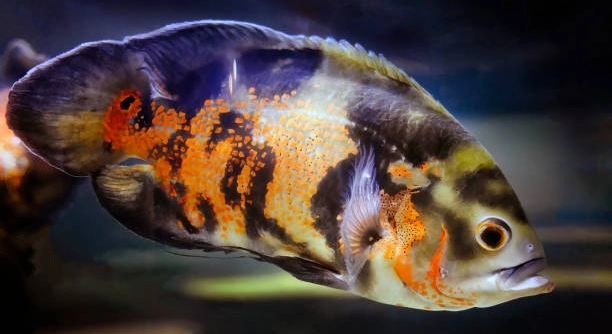
Many parents enjoy keeping their fry close for extra care and attention. This period can feel comforting, but it may also influence how young fish develop habits, independence, and social behaviors as they grow.
Leaving fry with their parents for an extended time can lead to increased stress, hindered independence, and potential aggression. Prolonged exposure may cause fry to struggle with self-feeding and social interactions, impacting their overall development and survival rates.
Observing how fry interact with parents over time reveals patterns that are important for their healthy growth and long-term well-being.
The Effects of Prolonged Parental Care
When fry are kept with their parents for too long, their natural instincts can be affected. They may rely too heavily on their parents for food instead of learning to forage on their own. Social behaviors can also change, with some fry becoming more aggressive or timid around their peers. Extended exposure to adult fish increases competition and stress, which can stunt growth. Parents may become protective or even hostile toward older fry, limiting their exploration and independence. Over time, fry that remain too long with parents may develop abnormal behaviors, making it harder for them to adapt to community tanks or new environments. Observing these changes early allows caretakers to intervene and separate fry when needed. Managing the balance between safety and independence ensures that fry grow healthy, confident, and better prepared for life outside the parental enclosure.
Parental overprotection can unintentionally slow a fry’s growth and reduce survival chances in the long term.
Careful monitoring and timely separation are key. By giving fry space to feed, explore, and interact safely, they develop skills crucial for survival and social behavior. Proper timing helps prevent stress, aggression, and stunted growth while supporting natural instincts and confidence.
Recognizing When to Separate Fry
Signs that fry need separation include decreased feeding, hiding, or harassment from parents. Early detection prevents stress and aggression from escalating.
Separating fry at the right moment is essential for their development. When fry start to explore independently and feed regularly without relying on their parents, it indicates they are ready. Keeping them together too long increases risk of injury, slowed growth, and long-term behavioral problems. A gradual transition works best—moving some fry first while monitoring interactions can reduce stress. Tank conditions, such as hiding spots, water quality, and food availability, also play a role in successful separation. By creating a safe environment and paying attention to fry behavior, caretakers can ensure that young fish grow stronger, more independent, and socially well-adjusted. Proper separation balances safety with the need for fry to develop natural survival instincts, leading to healthier, more resilient fish in the long run.
Feeding Challenges for Fry With Parents
Fry left with their parents too long may struggle to eat on their own. Parents often compete for food or consume it first, leaving fry undernourished and slower to grow.
Limited access to food can stunt fry growth. When parents dominate feeding, fry may develop weak feeding habits or become fearful of approaching food. Over time, this can create nutritional deficiencies, reducing overall health. Fry that fail to learn self-feeding may struggle in community tanks or fail to compete with peers later. Providing separate feeding areas or moving fry early ensures proper nutrition and encourages independent feeding habits.
Fry also risk learning inefficient feeding behaviors. Observing parents constantly can lead fry to copy incorrect techniques or wait passively for food instead of actively foraging. Early separation or supplemental feeding helps fry develop proper skills and build confidence. Ensuring access to food without interference is key to supporting healthy growth and natural behavior.
Stress and Aggression Risks
Prolonged parental care increases stress levels in fry. Constant attention or chasing can make fry timid or aggressive toward one another.
High stress affects growth and immune response. Fry under continuous parental pressure may exhibit frequent hiding, erratic swimming, or defensive aggression. These behaviors reduce energy available for growth and make fry more vulnerable to disease. Stress also limits social learning, preventing fry from developing proper interactions with peers. Creating a separate space allows fry to calm down, explore freely, and gain confidence without constant intimidation.
Aggression can escalate as fry compete for space and resources under parental oversight. Parents may inadvertently trigger fights, with stronger fry dominating weaker ones. Early separation or partitioning reduces conflict, allowing fry to learn boundaries safely. Observing interactions and providing hiding spots minimizes stress, promotes stable behavior, and ensures fry develop normal social skills needed for later life stages. Balanced tank management supports both growth and long-term health.
Impact on Independence
Fry that stay too long with their parents often rely on them for safety and guidance. This dependence slows the development of self-reliance, making it harder for them to explore and adapt to new environments.
Without early separation, fry may hesitate to feed or interact with other fish. Relying on parents limits their confidence, reducing their ability to handle challenges independently.
Growth and Development Delays
Extended parental care can stunt growth in fry. Limited access to food, stress from parental attention, and reduced opportunities to explore all affect physical development. Fry may grow more slowly, develop weaker muscles, and show delayed reflexes. Ensuring fry have space and resources independent of their parents helps them reach growth milestones effectively.
Preparing Fry for Independence
Gradually creating safe separation supports skill-building. Fry gain confidence, learn feeding, and develop social behaviors without constant parental influence.
FAQ
How long should fry stay with their parents?
Fry should generally remain with their parents only until they are actively swimming, feeding on their own, and showing signs of independence. Keeping them longer increases stress, competition for food, and risk of aggression from the parents. Observing behavior and growth is the best way to decide.
What are the signs that fry need to be separated?
Signs include hiding constantly, being chased or nipped by parents, failing to feed properly, or showing slowed growth. Fry that hesitate to explore or compete for food are likely ready for separation. Monitoring daily behavior helps prevent developmental delays and stress.
Can fry survive if separated too early?
Yes, as long as they have access to proper food, hiding spots, and a stable environment. Early separation requires careful feeding management to ensure fry develop self-feeding skills without relying on parents. Gradual transitions work best for fragile fry.
What is the best way to separate fry?
Using a small divider or a separate tank works well. Provide hiding spaces and feed frequently to reduce stress. Avoid sudden mass removal; moving fry gradually while observing interactions lowers aggression and improves adaptation.
Do all species of fish require the same timing for separation?
No. Some species are more aggressive or protective than others. Livebearers, cichlids, and certain tropical species may need earlier separation, while others tolerate longer parental presence. Researching species-specific behavior ensures fry grow safely.
How does parental care affect fry social behavior?
Extended care can make fry timid, overly reliant, or aggressive when interacting with peers. Fry that experience limited independence may struggle with social hierarchy or competition, affecting survival in mixed or community tanks. Providing space encourages normal social development.
What are the risks of leaving fry with parents too long?
Risks include slowed growth, malnutrition, increased stress, injury from nipping, and delayed development of self-feeding and exploration skills. Fry may become overly dependent, struggle to compete, or develop abnormal behaviors. Timely separation reduces these risks.
Is it necessary to monitor fry daily?
Yes. Daily observation helps track feeding, growth, and behavior. Small changes, like reduced feeding or increased hiding, can indicate the need for separation. Consistent monitoring ensures fry remain healthy and develop independence at the right time.
How can I encourage fry to feed independently?
Provide small portions of appropriate food frequently, place food in multiple areas, and avoid letting parents dominate feeding. Over time, fry learn to compete and feed without parental assistance, improving growth and survival chances.
Can fry be returned to parents after separation?
Generally, it is not recommended. Once fry are independent, returning them can lead to aggression or stress. Separation should be permanent, with proper care to ensure they have everything needed for growth and development in a safe environment.
How important is tank setup for fry development?
Very important. Adequate hiding spots, stable water conditions, and proper filtration reduce stress and aggression. Tanks designed for independence encourage exploration, self-feeding, and social interaction, which are essential for long-term health and behavior.
What are simple ways to reduce stress during separation?
Move fry gradually, provide hiding spaces, feed small frequent meals, and maintain water quality. Calm handling and minimal disturbance during transition help fry adapt quickly and reduce negative effects on growth and behavior.
Can fry develop normally if they have limited interaction with parents?
Yes, as long as they have access to food, shelter, and safe social interaction with peers. Fry rely more on exploration and practice for skills rather than constant parental care, which can actually promote healthier independence.
What is the ideal age or size for fry separation?
This varies by species, but fry should generally be able to feed independently, swim confidently, and avoid injury from parents. Growth milestones and behavior observations are more reliable than a fixed age. Early assessment ensures timely and safe separation.
How does separation affect long-term survival?
Properly timed separation improves feeding efficiency, social skills, and stress resilience. Fry that learn independence early are more likely to thrive in community tanks, reproduce successfully, and avoid health issues associated with prolonged parental care.
Are there any exceptions where keeping fry with parents is beneficial?
Some species exhibit unique behaviors, like mouthbrooders, where temporary extended care is essential. However, even in these cases, monitoring is crucial to prevent stress or injury once fry start exploring outside the protective care zone.
Can parents harm fry if they are left too long?
Yes. Parents may nip, chase, or compete for resources. Aggression is common as fry grow, making separation necessary to prevent injury and ensure all fry have access to food and safe space.
What role does feeding frequency play in fry independence?
Frequent, small feedings reduce competition and teach fry to feed actively. It also ensures that fry do not rely on parents to guide feeding, promoting proper growth and self-sufficiency.
How can I tell if fry are stressed?
Signs include hiding, sluggish swimming, erratic behavior, or lack of feeding. Stress can stunt growth and weaken immune function, so observing fry daily helps detect early signs and allows timely interventions.
What adjustments should be made after separating fry?
Provide frequent small meals, hiding spots, and stable water conditions. Observe interactions closely and remove any overly aggressive fry. Gradual environmental adjustments support independence and reduce stress, ensuring healthy development and social behavior.
Keeping fry with their parents for too long can have a range of effects that are easy to overlook at first. While it may feel natural to leave young fish under parental care, doing so can affect their growth, feeding habits, and social behaviors. Fry rely on independence to develop essential skills like finding food, exploring their environment, and interacting with other fish. When parents are always nearby, fry may not practice these skills enough, which can lead to slower growth and weaker development. Stress levels can also rise, as competition for food or space with parents can create tension. Over time, fry that remain too long under parental supervision may become timid, overly dependent, or even aggressive when they need to interact with other fish. Observing fry closely is the key to knowing the right time to separate them, ensuring that they develop naturally and maintain a healthy routine.
Proper separation is not only about removing fry from parents; it is also about providing a safe and supportive environment where they can learn to thrive. Fry need hiding spots, frequent small feedings, and clean water to grow strong and independent. Gradually transitioning them from parental supervision allows them to build confidence and develop normal social behaviors. Separation also reduces the risks of injury or stress caused by aggressive interactions with parents or stronger siblings. By creating a suitable environment and carefully monitoring behavior, caretakers can help fry establish essential habits. Independent fry tend to explore more, feed better, and develop physical strength more quickly. They are also more likely to adapt to community tanks or larger groups of fish without unnecessary stress. Supporting independence early ensures that fry are prepared for long-term health and survival.
Taking the right steps at the right time benefits both fry and parents. Parents are less stressed when their fry are gradually separated, and fry gain the independence they need to grow normally. Timing is important, and the process should be done gradually to minimize stress and prevent sudden changes. Paying attention to behavior, growth, and feeding habits helps determine when separation is necessary. Once fry are independent, they can focus on learning how to compete for food, interact with peers, and explore safely, all while maintaining healthy growth patterns. By balancing care and independence, fry can develop strong survival skills, confident social interactions, and better overall health. Observing them closely, providing proper space and nutrition, and separating them at the right moment are simple steps that create a safer and more supportive environment, ultimately ensuring that young fish grow into healthy, independent adults capable of thriving in their habitat.

Hello,
If you enjoy the content that we create, please consider saying a "Thank You!" by leaving a tip.
Every little bit helps us continue crafting quality advice that supports the health, happiness, and well-being of pets around the world, for pets of all shapes, sizes, and species.
We really appreciate the kindness and support that you show us!