
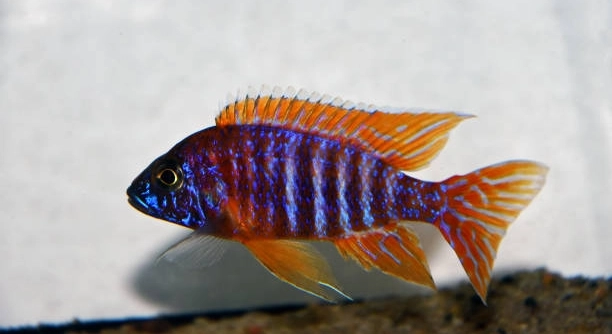
Cichlids are fascinating fish with bright colors and unique personalities. Observing their behavior can be enjoyable, but even minor injuries can change the way they swim, feed, and interact within their tank environment.
Minor injuries in cichlids, such as fin tears, scale loss, or small abrasions, can significantly alter behavior. These injuries may reduce mobility, increase stress, affect feeding patterns, and change social interactions, impacting overall well-being and tank dynamics.
Recognizing small injuries early can help maintain your cichlid’s health. Learning how these issues influence behavior is essential for effective care and management in home aquariums.
Fin Tears and Ragged Fins
Fin tears are common in cichlids, often caused by tank decorations, aggressive tank mates, or rough handling. Even small tears can affect swimming efficiency, making it harder for fish to navigate their environment. Over time, these injuries may become inflamed or infected, slowing the healing process and affecting overall health. Observing the tank regularly can help identify these issues early, allowing for timely care. Adjusting the environment, such as adding softer decorations and ensuring tank mates are compatible, can prevent further damage. Proper water quality also supports faster fin regeneration. Some cichlids may hide more or show less interest in food during recovery, signaling the need for a calmer environment. In severe cases, trimming damaged fins under careful observation may be necessary to encourage healthy regrowth. These steps help maintain both the physical and behavioral well-being of the fish, keeping their activity and interactions closer to normal.
Fin tears can reduce mobility and make feeding more challenging, especially if the fish avoids open areas due to discomfort.
Monitoring fin health is essential, as repeated tears can affect long-term swimming patterns. Healing is slower in older or stressed cichlids, and neglect can lead to infections that further alter behavior. Providing hiding spots, minimizing aggression, and maintaining clean water promotes recovery. Adjusting feeding techniques, like offering softer or smaller food, ensures the fish receives enough nutrition without exerting too much energy. Over time, as fins regrow, the cichlid typically regains confidence in swimming and interacting, though some cautiousness may remain temporarily. Consistent observation allows for early intervention, reducing stress and preventing behavioral changes from becoming permanent. Paying attention to subtle shifts in activity or social behavior can reveal the extent of the injury, helping you manage the tank environment more effectively. By taking proactive steps, you can support healing while maintaining natural behaviors, ensuring your cichlid continues to thrive and display its usual personality.
Scale Loss and Skin Abrasions
Scale loss often results from minor scrapes against rocks or other fish.
Exposed skin can increase susceptibility to infections, affecting overall behavior. Scales act as a protective barrier, and even small areas of loss can make a cichlid more cautious or withdrawn. Fish may reduce activity, spend more time hiding, or avoid feeding areas until the skin regenerates. Water conditions play a critical role in healing; poor water quality can exacerbate irritation and slow recovery. Mild antiseptic treatments or salt baths are sometimes recommended to prevent secondary infections. Observing interactions with tank mates helps identify if aggression is contributing to the problem. In some cases, adjusting tank layout or introducing barriers can reduce repeated abrasions. Proper nutrition also supports skin and scale regeneration, particularly diets rich in vitamins and minerals. By maintaining a clean, safe, and nutrient-rich environment, cichlids can recover scale damage efficiently. Healing times vary depending on the severity, age, and stress levels of the fish.
Eye Injuries
Eye injuries can happen from sharp decorations, fights, or accidental impacts. Even minor damage can make cichlids more cautious, reduce feeding confidence, and limit interaction with tank mates.
Damaged eyes may lead to temporary or permanent vision impairment, affecting how the fish navigates the tank. A cichlid with an eye injury often becomes hesitant when swimming near open areas or approaching food. They may rely more on other senses, like touch and lateral line detection, to compensate. Careful observation of behavior changes can indicate the severity of the injury. Isolating aggressive tank mates or providing smoother surfaces can reduce further risks. Maintaining clean water is critical to prevent infections, which can worsen vision problems. Nutrient-rich diets support healing, while gentle handling reduces stress during recovery.
Stress from eye injuries can also trigger defensive behaviors, including increased hiding or aggression. Monitoring these changes helps prevent further injury and ensures the fish maintains healthy social interactions.
Mouth and Lip Damage
Mouth injuries often occur during feeding competition or fights over territory.
Damage to lips or oral tissue can make eating difficult and reduce overall nutrition intake. Injured cichlids may avoid hard or large food, preferring softer or smaller pieces. Feeding behavior can change dramatically, with some fish refusing food for several days if the injury is painful. Healing is usually gradual, and providing high-quality, easy-to-eat food helps maintain energy levels. Monitoring interactions with other tank mates is essential, as repeated fights can worsen injuries. Keeping the environment calm and limiting competition can support faster recovery while reducing stress.
Cichlids with mouth injuries often adjust their position in the tank to minimize risk. They may feed in safer corners or wait until other fish finish eating. Proper water conditions and gentle handling ensure that infection does not occur. Supporting recovery with balanced nutrition accelerates healing and helps the fish regain confidence in feeding. In some cases, separating the injured cichlid temporarily can prevent further damage. Close observation allows for early intervention if swelling or behavioral changes indicate complications, ensuring long-term health and stability.
Tail Injuries
Tail injuries can result from rough swimming, tank decorations, or fights with other cichlids.
Damaged tails affect balance and swimming efficiency. Fish may struggle with sudden movements or navigating strong currents, which can make them more cautious and less active than usual.
Gill Damage
Gill injuries often happen from sharp objects, poor water quality, or aggression.
Damaged gills can make breathing difficult, leading to slower swimming and reduced activity. Fish may spend more time near the surface or in calmer areas to conserve energy. Monitoring water quality and minimizing stress helps prevent further complications while promoting recovery.
Minor Skin Cuts
Small skin cuts can occur from tank decorations, rocks, or aggressive tank mates.
Even minor cuts can cause temporary stress and make cichlids hide more. Proper water care and gentle observation are essential to prevent infections and support natural healing processes.
FAQ
How can I tell if my cichlid has a minor injury?
Minor injuries in cichlids often show as torn fins, missing scales, small cuts, or slight swelling. Behavioral changes are also important indicators. If your fish starts hiding more, avoids feeding, or swims differently, it may be experiencing discomfort from a minor injury. Observing daily activity helps catch issues early, allowing you to provide proper care before complications arise.
Can minor injuries affect my cichlid’s social behavior?
Yes, even small injuries can change interactions. A cichlid with a torn fin or damaged tail may avoid dominant fish or reduce chasing behaviors. Injured fish often hide or stay in corners, which can disrupt the tank’s social balance. Recovery time and a calm environment are key to restoring normal social patterns.
What should I do if my cichlid has a fin tear?
Keep the water clean and stress-free. Avoid aggressive tank mates and sharp decorations that could worsen the tear. High-quality food supports healing, and monitoring for signs of infection is critical. Minor fin tears usually heal over time, but repeated injuries may require temporary isolation for proper regrowth.
How do I prevent scale loss or abrasions?
Ensure tank decorations are smooth and free of sharp edges. Avoid overcrowding, which increases accidental collisions and fighting. Maintaining proper water conditions and feeding a balanced diet helps keep skin and scales healthy. Observing your fish’s interactions and adjusting the environment can reduce the chances of repeated abrasions.
Can eye injuries heal naturally?
Some eye injuries may improve over time, but healing depends on severity. Minor scratches or temporary cloudiness often resolve with proper water conditions and minimal stress. Severe injuries may cause permanent damage, so careful observation and environmental adjustments are essential to prevent worsening.
What should I feed an injured cichlid?
Offer softer, easily digestible foods to reduce strain while eating. High-protein diets with vitamins support tissue repair and overall healing. Avoid forcing the fish to compete for food, as this may worsen stress and delay recovery. Feeding smaller, frequent meals can help maintain energy levels.
How long does it take for minor injuries to heal?
Healing times vary based on the type and severity of the injury, the fish’s age, and water quality. Fin tears may take weeks to fully regrow, while minor cuts or abrasions can heal in days. Patience and a supportive environment are essential for recovery.
When should I isolate an injured cichlid?
Isolation is recommended if the fish is being harassed by tank mates or if the injury is severe enough to risk infection. A separate tank or quarantine area with clean water allows safer healing, reduces stress, and ensures the fish can eat and move without interference.
Are infections common with minor injuries?
Yes, open cuts, torn fins, or exposed skin increase the risk of bacterial or fungal infections. Maintaining clean water, monitoring behavior, and providing proper nutrition are essential to prevent infections. Early detection and treatment ensure injuries do not lead to more serious health problems.
Can water quality affect healing?
Absolutely. Poor water conditions, such as high ammonia, nitrite, or nitrate levels, can slow healing and stress the fish further. Regular water changes, filtration maintenance, and monitoring water parameters create an environment where minor injuries can recover efficiently.
Is it normal for an injured cichlid to hide more than usual?
Yes, hiding is a natural response to pain or stress. It reduces risk of further injury and allows the fish to conserve energy. Providing safe hiding spots and avoiding disturbance helps your cichlid regain confidence and return to normal behavior more quickly.
How can I support recovery without stressing my cichlid?
Minimize handling, reduce aggression from other fish, and maintain stable water conditions. Feeding a nutrient-rich diet and providing gentle currents or hiding spots ensures healing occurs without unnecessary stress. Observing subtle behavior changes helps detect any setbacks early.
Can multiple minor injuries impact long-term behavior?
Repeated or untreated injuries may lead to lasting changes in activity, aggression, or social interactions. Early intervention, careful monitoring, and proper care are essential to prevent long-term behavioral issues and maintain a healthy, active tank environment.
Are there signs that an injury is more serious than it seems?
Watch for persistent swelling, redness, cloudy eyes, loss of appetite, or lethargy. Rapid changes in swimming patterns or repeated hiding may indicate complications. Immediate action, including isolation or treatment, can prevent worsening and support full recovery.
Do minor injuries affect growth in young cichlids?
Yes, stress and reduced feeding caused by injuries can slow growth in juvenile cichlids. Ensuring safe conditions, frequent feeding with nutrient-rich food, and minimizing aggression helps maintain normal development while the fish heals.
How often should I check my cichlid for injuries?
Daily observation is ideal. Even small changes in behavior, swimming patterns, or appearance can signal minor injuries. Early detection allows for prompt care, reducing the risk of infection and behavioral changes, and supporting overall well-being.
Can tank design prevent injuries?
Proper tank design helps minimize risks. Smooth decorations, sufficient space, and hiding spots reduce accidental scrapes and collisions. Separating aggressive fish or territorial species can also prevent fights that cause minor injuries, keeping the tank safer for all inhabitants.
Is it necessary to use medication for minor injuries?
Not always. Minor fin tears, scale loss, or small cuts can heal naturally with clean water and good nutrition. Medication is only needed if there are signs of infection, persistent inflammation, or slow healing. Careful monitoring is essential to decide when treatment is required.
Do injured cichlids need special lighting or temperature changes?
Generally, maintaining stable lighting and temperature is sufficient. Sudden changes can stress the fish and slow healing. Focus on consistent, optimal water conditions and a calm environment to support recovery without introducing additional stress factors.
Can I prevent injuries during feeding?
Yes, distributing food evenly and offering soft, manageable pieces reduces competition and accidental bites. Observing feeding behavior helps identify aggressive fish or those struggling to eat, allowing adjustments to protect injured or smaller cichlids.
How do I know when my cichlid has fully recovered?
Full recovery is indicated by normal swimming, active feeding, restored fins and scales, and usual social behavior. Patience is key, as even after physical healing, fish may take time to regain confidence and rejoin regular tank activities.
Are some cichlid species more prone to minor injuries?
Yes, species with long fins, territorial tendencies, or delicate scales are at higher risk. Understanding species-specific behavior and tank requirements helps prevent injuries and supports healthier interactions among fish.
What is the best way to monitor recovery progress?
Track swimming patterns, feeding habits, and social behavior daily. Photographing injuries over time can help gauge healing. Maintaining stable water conditions, minimizing stress, and observing subtle changes ensures timely intervention if problems arise.
Can stress from minor injuries affect overall health?
Yes, stress weakens the immune system and can make fish more vulnerable to illness. Reducing aggression, providing hiding spaces, and ensuring a calm environment are essential to prevent further health issues and support full recovery.
How important is nutrition during healing?
Nutrition is critical. High-protein, vitamin-rich diets promote tissue repair and overall recovery. Offering easily digestible foods reduces effort during feeding, ensuring energy is available for healing rather than excessive exertion. Proper nutrition directly supports faster and more complete recovery.
Are there natural remedies for minor injuries?
Salt baths, clean water, and gentle observation are often sufficient for minor injuries. Some aquarists use mild antibacterial solutions if infections are suspected, but natural recovery with supportive care is usually effective for small tears, cuts, or abrasions.
Can environmental enrichment prevent injuries?
Providing adequate hiding spots, smooth surfaces, and spacious layouts reduces stress and collisions. Proper enrichment encourages natural behavior while minimizing risks of scratches, fin tears, or scale loss, helping maintain a healthy, injury-free tank.
Is it normal for behavior to change temporarily after an injury?
Yes, injured cichlids often become cautious, hide more, or avoid interactions. These changes are temporary and usually resolve as the fish heals, provided the environment remains safe and stress is minimized.
How do water changes impact recovery?
Regular water changes remove waste, toxins, and potential pathogens, creating an environment conducive to healing. Stable water parameters reduce stress and infection risk, allowing minor injuries to heal efficiently and supporting normal behavior.
Can injured cichlids still breed?
Minor injuries may temporarily reduce breeding activity due to stress or reduced energy. Once healed and comfortable, cichlids typically resume normal reproductive behavior, though care must be taken to prevent renewed aggression during breeding periods.
Should I separate injured fish from aggressive species?
Yes, separation prevents further harm and gives the injured fish space to recover. Isolation or a peaceful tank section reduces stress, allows normal feeding, and ensures injuries heal without interference from aggressive or territorial fish.
How do I prevent repeated injuries?
Monitor interactions, adjust tank layout, maintain smooth surfaces, and ensure compatible species. Observing fish behavior and addressing stressors promptly reduces the chance of recurring injuries, supporting long-term health and stable social dynamics.
Are minor injuries more common in crowded tanks?
Yes, overcrowding increases collisions, aggression, and competition for food, leading to more scratches, fin tears, and scale loss. Maintaining appropriate stocking levels is critical to reduce injury risk and promote a healthier environment.
Can I use stress-reducing additives during recovery?
Certain water conditioners can reduce stress and promote healing. These products stabilize water chemistry and support immune function. While not essential, they can be helpful alongside clean water, proper nutrition, and a calm environment for faster recovery.
How do I balance care for multiple injured fish?
Observe each fish individually, prioritize feeding, and maintain clean water. Providing separate hiding spots and reducing aggression allows multiple injured cichlids to heal simultaneously. Careful monitoring ensures no fish is left vulnerable to stress or infection, supporting overall tank health.
What long-term changes should I expect after injuries?
Some fish may remain slightly cautious or avoid certain areas. Most behavioral changes are temporary, but repeated injuries can create lasting effects. Consistent care, stress reduction, and careful observation help restore natural behavior and prevent further complications.
Can tankmates help or hinder recovery?
Peaceful, compatible tankmates support healing by reducing stress and preventing fights. Aggressive or territorial fish can hinder recovery by causing additional injuries or increasing anxiety, so monitoring interactions and adjusting tank composition is essential.
How often should I re-evaluate injured fish?
Daily observation is ideal, with more thorough checks during feeding and swimming times. Monitoring subtle changes in behavior, appearance, and interaction helps catch complications early and ensures the healing process progresses smoothly.
Is there a difference in recovery between young and adult cichlids?
Young cichlids generally heal faster due to higher metabolic rates but may be more vulnerable to stress. Adults may take longer to recover, especially if injuries affect mobility or social status. Providing consistent care ensures both age groups heal effectively.
Can injuries lead to permanent behavioral changes?
Severe or repeated injuries can lead to lasting caution, reduced aggression, or altered social roles. Early intervention and proper care minimize these effects, allowing most cichlids to regain normal activity and interactions over time.
Are there signs of improvement I should look for?
Fins regrowing, scales returning, normal swimming patterns, and resumed feeding are clear signs of recovery. Reduced hiding and renewed interaction with tankmates indicate the fish is regaining confidence and health. Consistent observation confirms progress.
How do I manage stress while caring for injured cichlids?
Minimize handling, maintain stable water conditions, and provide hiding spots. Reduce aggressive interactions and ensure easy access to food. A calm, predictable environment helps injured fish focus energy on healing rather than coping with stress.
Is it normal for injured fish to act differently around food?
Yes, they may feed more cautiously, avoid competition, or eat smaller amounts. Adjusting feeding techniques and providing softer food ensures they get proper nutrition without added stress or risk of worsening injuries.
Can I prevent injuries through selective breeding?
Selective breeding may reduce aggression or enhance fin resilience in some species, but environmental factors, tank setup, and behavior remain the main contributors to injuries. Careful tank management is more effective than breeding alone for preventing minor injuries.
Do minor injuries affect overall lifespan?
If treated properly, minor injuries usually do not impact lifespan. Persistent stress, infection, or repeated injuries can reduce longevity, making prevention, proper care, and observation essential to maintain long-term health.
Can injured cichlids adapt to their injuries?
Yes, cichlids often adjust swimming patterns, feeding methods, or social behavior to cope with minor injuries. Adaptation allows them to function effectively in the tank while healing, though recovery still depends on proper care.
Are there specific signs of pain in cichlids?
Signs include rubbing against surfaces, reduced movement, hiding, changes in feeding, and flared gills. Recognizing these behaviors helps identify injuries early and ensures timely care to prevent complications.
Is it necessary to record injuries for long-term care?
Recording injuries, healing progress, and behavior changes helps track recovery, identify recurring issues, and adjust care strategies. Documentation ensures informed decisions and better outcomes for cichlids in the future.
How do I handle multiple types of minor injuries simultaneously?
Prioritize the most severe injuries, maintain clean water, reduce stress, and monitor all affected areas closely. Providing a supportive environment, hiding spaces, and nutrient-rich food ensures simultaneous recovery while preventing infection or behavioral complications.
Can I continue normal tank maintenance with injured fish?
Yes, but avoid sudden disturbances, strong currents, or aggressive interactions. Gentle water changes, careful cleaning, and stable conditions help maintain the environment without adding stress, supporting the healing process.
Are some injuries more likely to recur?
Yes, fin tears and scale abrasions are more prone to recurrence, especially in aggressive or crowded tanks. Preventive measures, monitoring, and environmental adjustments reduce repeated injuries and support long-term fish health.
How do I ensure a safe environment post-injury?
Remove sharp decorations, provide hiding spaces, monitor tankmates, maintain clean water, and feed appropriate food. Regular observation and minor adjustments ensure the tank remains safe while your cichlid fully recovers.
Can minor injuries affect tank hierarchy?
Yes, injured fish may temporarily lose dominance or avoid conflicts. Most regain their place once healed, but repeated injuries can permanently alter social structure. Monitoring behavior ensures balance and reduces aggression during recovery.
Do water additives accelerate healing?
Certain additives, like mild antibacterial solutions or stress reducers, can support healing. They are helpful but not essential; clean water, proper nutrition, and reduced stress remain the most effective methods for recovery.
Is it normal for cichlids to be less active after an injury?
Yes, reduced activity conserves energy and minimizes risk of aggravating the injury. Gradual return to normal swimming indicates recovery and proper adaptation to healing.
Can minor injuries cause permanent deformities?
Rarely, severe fin tears or repeated injuries may cause permanent fin or scale damage. Most minor injuries heal fully with proper care, maintaining normal appearance and function.
How do I manage aggression around injured fish?
Observe interactions, separate aggressive individuals if needed, provide hiding spots, and ensure fair access to food. Reducing competition and stress promotes faster recovery and protects the injured fish from further harm.
What role does stress play in healing?
Stress slows healing, weakens immunity, and can worsen injuries. Minimizing environmental stress, avoiding aggressive tankmates, and maintaining consistent water conditions are essential to support recovery.
Are some injuries more painful than others?
Yes, eye, gill, and deep fin injuries tend to cause more discomfort, affecting swimming, feeding, and social behavior. Observing subtle behavior changes helps assess pain and implement proper care.
Can minor injuries affect reproductive behavior?
Yes, stress or reduced mobility may temporarily decrease breeding activity. Once healed, cichlids typically resume normal reproductive behavior, though observation is important to prevent renewed injury during breeding.
How do I know if treatment is working?
Signs of improvement include restored fins and scales, resumed feeding, active swimming, and normal social interactions. Reduced hiding and improved confidence indicate that care strategies are effective and recovery is progressing.
Is long-term observation necessary after healing?
Yes, even after visible healing, monitoring ensures the fish maintains normal behavior and prevents recurring injuries. Consistent observation helps detect subtle changes and supports long-term health.
Can injured cichlids regain full strength?
Most cichlids fully recover if injuries are minor and care is proper. They regain swimming ability, feeding confidence, and social behavior, though careful observation ensures any lingering effects are addressed promptly.
Are there behavioral cues that indicate stress from injury?
Increased hiding, reluctance to feed, flared gills, erratic swimming, or avoidance of tankmates are common cues. Recognizing these behaviors allows timely intervention and prevents worsening of injuries or long-term stress.
Can environmental enrichment speed up recovery?
Safe hiding spots and a stable tank layout reduce stress and encourage natural behavior, indirectly supporting recovery. Enrichment should avoid sharp objects that could worsen injuries.
Do minor injuries require veterinary attention?
Most heal naturally with proper care. Veterinary intervention is recommended if infections develop, injuries worsen, or behavioral changes persist despite optimal care. Early consultation prevents serious complications.
How important is consistency in care?
Consistency in water quality, feeding, and tank conditions is critical. Fluctuations can stress injured fish, slow healing, and increase susceptibility to infection. Stable routines ensure effective recovery and normal behavior.
Can injured cichlids adapt behaviorally to prevent future injuries?
Yes, fish may become more cautious, avoid certain areas, or modify social interactions. While this adaptation helps prevent repeated injuries, maintaining a safe environment is still essential for long-term health.
Do minor injuries affect feeding hierarchy?
Yes, injured fish may eat later or in safer areas. Adjusting feeding practices ensures access to nutrition and reduces stress, helping maintain energy for recovery.
Are certain tank setups better for preventing injuries?
Yes, spacious tanks with smooth decorations, ample hiding spots, and compatible species reduce collisions and aggression. Thoughtful tank design lowers the risk of minor injuries and promotes a stable social environment.
How do I support recovery without isolating the fish?
Ensure hiding spots, maintain water quality, minimize aggressive interactions, and feed gently. Observation and gentle environmental adjustments help the fish heal while remaining in the main tank.
Can minor injuries affect long-term health?
If properly treated, minor injuries rarely affect long-term health. Neglect, repeated injuries, or infections can lead to lasting issues, highlighting the importance of early detection and proper care.
What is the best way to observe healing progress?
Daily monitoring of fins, scales, swimming, and social behavior provides a clear picture. Photos or notes can track subtle changes, ensuring timely intervention
Caring for cichlids involves more than just feeding and cleaning the tank. Minor injuries, while often overlooked, can have noticeable effects on their behavior. Even small fin tears, scale abrasions, or minor cuts can change the way a cichlid swims, feeds, or interacts with others in the tank. Observing these changes closely is important, as early recognition allows you to provide care before problems escalate. A simple adjustment to the tank, such as removing sharp decorations or separating aggressive tank mates, can prevent further injury and reduce stress. Regular monitoring also helps track healing, ensuring that the fish is returning to its normal behavior over time. By staying attentive to subtle changes, you can maintain a healthy and balanced environment that supports both physical recovery and emotional well-being.
Nutrition and water quality are critical in helping cichlids heal from minor injuries. Providing high-quality, easily digestible food ensures that energy is directed toward recovery rather than unnecessary activity or competition. Supplements or diets rich in vitamins and proteins can speed up tissue repair and strengthen immune responses. Clean water reduces the risk of infections, which can otherwise worsen injuries and prolong stress. Maintaining a consistent temperature and stable water parameters helps injured cichlids remain comfortable while their bodies repair themselves. Even small changes, such as adding gentle hiding spots or reducing tankmate aggression, can make a significant difference in recovery speed. These environmental and dietary considerations work together to support natural healing processes, helping fish regain their strength and confidence in the tank.
Patience is essential when caring for injured cichlids. Recovery is rarely immediate, and behavioral changes may persist even after physical healing. Fish may hide more, avoid feeding areas, or alter social interactions until they feel safe and confident again. Observing their behavior without unnecessary disturbance allows them to regain normal patterns gradually. Each fish is different, and some may require longer recovery periods depending on age, species, or injury severity. By providing a stable, low-stress environment, consistent care, and proper nutrition, you help your cichlids return to full health while maintaining their natural behaviors. Understanding the impact of minor injuries and responding appropriately ensures that your fish continue to thrive, swim actively, and enjoy a balanced life in their tank.

Hello,
If you enjoy the content that we create, please consider saying a "Thank You!" by leaving a tip.
Every little bit helps us continue crafting quality advice that supports the health, happiness, and well-being of pets around the world, for pets of all shapes, sizes, and species.
We really appreciate the kindness and support that you show us!