
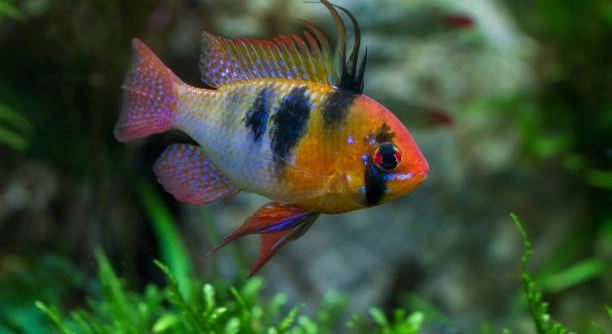
Keeping a cichlid community tank calm can be challenging for new and experienced hobbyists alike. Observing your fish closely helps you understand their interactions and identify whether the environment is stable and balanced.
Peace in a cichlid community tank is indicated by minimal aggression, consistent feeding behavior, clear territory boundaries, balanced schooling, healthy physical condition, normal swimming patterns, and signs of mutual tolerance among species. These factors collectively reflect a stable aquatic ecosystem.
Recognizing these behaviors allows you to maintain a harmonious tank and create an environment where your cichlids can thrive safely together.
Minimal Aggression Among Cichlids
Observing a tank with little to no fighting is a strong indicator of peace. In a calm community tank, cichlids may display brief territorial displays, but these rarely escalate into real conflicts. Each fish knows its space and respects others’ boundaries. Aggressive chasing or constant nipping can signal stress or overcrowding. By keeping decorations, hiding spots, and rocks strategically placed, fish can establish their territories naturally without constant confrontation. Even during feeding times, peaceful tanks maintain order, with fish eating calmly without chasing each other aggressively. Watching their interactions over time helps you identify patterns and ensure each fish is thriving. Recognizing subtle signs of tension early allows you to adjust the tank setup or groupings before problems escalate. A stable social environment is crucial not only for their physical health but also for maintaining clear hierarchies that reduce stress. Peaceful behavior contributes to a visually harmonious and healthy aquarium.
Minimal aggression shows a tank that is well-structured and balanced. Fish maintain personal space and display calm, consistent social behavior.
Learning to spot aggressive tendencies early helps prevent long-term issues. Small adjustments in the tank can preserve harmony and reduce stress for all cichlids.
Consistent Feeding Behavior
Peaceful cichlids eat without hesitation or fear. They take turns approaching food, rarely competing violently. Observing how they feed is one of the easiest ways to gauge tank harmony.
Feeding times reveal the social balance among cichlids, reflecting comfort levels and stable hierarchies. When fish eat calmly, it shows they trust their surroundings and each other. Overcrowding or aggression often leads to uneven food distribution, where dominant fish monopolize meals, leaving weaker individuals stressed or undernourished. In a harmonious tank, food is accepted without panic, and all species get their share without injury. Careful observation allows you to notice changes in appetite or feeding patterns that may indicate hidden stressors. Maintaining consistent feeding schedules, appropriate portion sizes, and compatible food types ensures the well-being of every fish. Peaceful interactions during feeding also encourage natural growth, reduce disease risk, and promote healthy behavior over time. By fostering a calm feeding environment, you support both the physical and social health of your cichlid community.
Clear Territory Boundaries
Cichlids keep defined areas in a peaceful tank. Rocks, plants, and decorations help them mark spaces without constant conflict.
When each fish has its own territory, interactions remain calm. Territorial disputes are brief and rarely escalate. Fish retreat quickly when another enters their space, showing respect for established zones. Clear boundaries prevent overcrowding in key areas, like caves or favorite hiding spots. Strategic tank decoration allows shy or smaller fish to avoid constant stress. Even during breeding periods, a well-organized layout helps minimize aggressive encounters. Observing these zones over time makes it easier to notice subtle changes in social dynamics. Maintaining a structured tank ensures that all cichlids have space to feel secure, which supports both their health and natural behavior.
Territory clarity allows fish to coexist without constant stress, which strengthens overall harmony in the community tank.
Defined spaces reduce tension, allowing cichlids to focus on feeding, swimming, and interacting naturally without fear.
Balanced Schooling
Cichlids often move in loose groups, maintaining a sense of balance. Grouping indicates comfort and mutual tolerance among species.
Schooling behavior reflects a stable social environment. Fish swim together calmly, with no sudden chasing or isolation of weaker individuals. Balanced movement helps prevent stress and allows fish to respond naturally to changes in the tank. In well-maintained tanks, schooling is consistent, and fish follow predictable patterns around decorations and plants. Observing their swimming patterns shows whether everyone is comfortable or if any fish are being excluded or threatened. Proper groupings also encourage exercise and reduce boredom. Fish in balanced schools display brighter colors, eat more consistently, and show fewer signs of stress, such as hiding excessively or aggressive nipping.
Balanced schooling strengthens social cohesion and contributes to a peaceful, organized tank where all cichlids feel secure and supported.
Healthy Physical Condition
Cichlids in a peaceful tank show strong, vibrant colors and intact fins. Signs of stress or disease are minimal, reflecting good care and stable interactions.
Fish maintain proper weight and show normal growth. Injuries from fights are rare, and scales remain smooth and shiny, indicating a calm environment.
Normal Swimming Patterns
Cichlids swim confidently without erratic movements or constant hiding. They explore the tank naturally, navigating around decorations and interacting with others without fear or tension.
Signs of Mutual Tolerance
Fish tolerate each other’s presence even in close spaces. They can share feeding areas and hiding spots without aggression or intimidation.
FAQ
How can I tell if my cichlid tank is truly peaceful?
Peace in a cichlid tank is visible through calm interactions, minimal chasing, and fish respecting their territories. Fish should eat without stress, swim naturally, and show healthy colors and fins. Observing their behavior over several days provides the clearest picture of overall harmony.
Why do cichlids sometimes display aggression even in a peaceful tank?
Short bursts of aggression are normal during territory establishment, feeding, or mating periods. Temporary chasing or displays are not signs of a problematic tank if injuries are absent and most interactions remain calm. Environmental adjustments like hiding spots can reduce tension.
How important is tank decoration for maintaining peace?
Decorations, rocks, and plants are crucial for defining territories and giving shy fish places to retreat. Proper layout reduces overcrowding, limits conflicts, and encourages natural behavior. Hiding spots also prevent dominant fish from constantly stressing weaker tank mates.
What should I do if one fish is constantly stressed?
Stress signs include hiding, loss of appetite, faded colors, or fin damage. Isolate the affected fish temporarily, check water quality, and ensure the tank is not overcrowded. Adding extra hiding spots or rearranging decorations can help restore balance.
How often should I monitor fish behavior?
Daily observation is ideal to catch early signs of aggression, illness, or stress. Watching feeding times and interactions provides insights into the social dynamics and health of each fish. Logging observations helps track trends over time.
Can different cichlid species live together peacefully?
Yes, but compatibility depends on size, temperament, and habitat preferences. Peaceful species should be grouped together, and aggressive or highly territorial species may need separate areas or tanks. Researching species-specific behavior prevents conflicts.
What role does water quality play in a peaceful tank?
Stable water parameters reduce stress and aggression. Proper pH, temperature, and filtration prevent disease and support healthy behavior. Fluctuations in water quality can trigger aggression, hideouts, or sudden changes in activity levels. Regular testing and maintenance are essential.
How do I encourage mutual tolerance during feeding?
Feed small amounts evenly distributed across the tank to reduce competition. Observing feeding patterns ensures no fish is consistently bullied. Over time, fish learn to share space and food, reinforcing peaceful interactions.
Is it normal for cichlids to chase each other occasionally?
Yes, short chases are part of natural social behavior. The key is frequency and intensity. In a peaceful tank, chases are brief, injuries are rare, and fish quickly return to calm behavior. Persistent or violent chasing indicates imbalance or overcrowding.
How can I maintain long-term peace in a cichlid community tank?
Provide adequate space, hiding spots, and stable water conditions. Observe behavior regularly, manage feeding carefully, and separate overly aggressive individuals if needed. Consistent care and environmental enrichment foster natural social structures and long-lasting harmony among cichlids.
What are the signs that a cichlid tank is becoming stressed?
Stress signs include fading colors, damaged fins, hiding excessively, refusal to eat, or erratic swimming. Early detection allows for adjustments in environment, stocking, or feeding to restore balance. Peaceful tanks minimize these stress indicators.
Can introducing new fish disrupt peace?
Yes, new fish can trigger temporary aggression as territories are reassessed. Quarantining and slowly acclimating new fish helps reduce tension. Observing interactions closely during this period ensures harmony is maintained.
How do I know if my fish have established a hierarchy?
A stable hierarchy is shown by minimal aggression, clear territory boundaries, and consistent social order. Dominant fish assert themselves without constant chasing, while subordinates respect their spaces. Properly established hierarchies contribute to peaceful coexistence.
What behaviors indicate that a cichlid is thriving in a community tank?
Active swimming, bright colors, consistent feeding, social interaction, and exploration of the tank indicate thriving fish. Fish that display natural behaviors without stress or injury reflect a well-balanced and harmonious environment.
Can overcrowding affect peace in the tank?
Yes, too many fish increase stress, aggression, and competition for resources. Maintaining appropriate stocking levels and providing adequate hiding spots ensures each fish has space to thrive. Overcrowding disrupts social structure and can lead to injuries or disease.
How do I manage breeding without causing aggression?
Breeding pairs should have separate territory or ample hiding spaces. Watch for increased territorial behavior and provide retreats for non-breeding fish. Careful planning prevents fights while allowing natural reproductive behavior to occur safely.
What should I do if aggression suddenly increases?
Check water quality, tank layout, and stocking levels first. Look for illness, injury, or newly introduced fish causing tension. Adjusting decorations, separating aggressive fish, or reducing feeding competition helps restore calm. Prompt action prevents prolonged stress.
How long does it take for a cichlid community tank to settle?
Settling depends on species, tank size, and number of fish. Generally, a few weeks allow territories to form and social hierarchies to stabilize. Patience during this period is essential for long-term peace and healthy interactions.
Can peaceful behavior be maintained in smaller tanks?
Smaller tanks require careful species selection, limited stocking, and strategic decoration. While possible, maintaining peace is more challenging due to limited space. Providing hiding spots and monitoring behavior frequently is crucial to prevent stress and aggression.
Why is observation more effective than intervention?
Careful observation allows you to understand natural behavior and spot subtle signs of tension or illness. Unnecessary intervention can stress fish or disrupt social order. Monitoring helps maintain peace while allowing fish to establish natural hierarchies and routines.
How do I balance aggressive and peaceful species together?
Separate highly aggressive fish or provide visual barriers. Introduce compatible species gradually, ensuring each has adequate space and hiding spots. Observation and careful planning reduce conflicts and maintain a calm community environment.
What long-term practices help sustain a peaceful cichlid tank?
Consistent feeding, regular water testing, proper tank decoration, and careful monitoring of behavior all support long-term peace. Addressing minor issues early prevents escalation. Providing enrichment and space ensures cichlids coexist harmoniously while staying healthy and vibrant.
How can I tell if a fish is stressed but not aggressive?
Stress without aggression shows as hiding, reduced activity, faded colors, or refusal to eat. These subtle signs often precede behavioral problems. Adjusting the environment, providing retreats, and monitoring water quality helps stressed fish recover peacefully.
Do all cichlids behave the same in community tanks?
No, behavior varies by species, size, and temperament. Some are naturally territorial, while others are more social. Understanding species-specific traits allows better tank management and reduces conflicts in mixed communities.
How important is tank size for maintaining peace?
Larger tanks allow for defined territories, more hiding spots, and less forced interaction. Proper space reduces stress, prevents injuries, and supports balanced social behavior, especially in mixed-species setups. Small tanks require extra attention to layout and stocking levels.
What is the best way to introduce new fish to an established tank?
Quarantine the new fish first, then introduce slowly using a divider or rearranging decorations. Monitor interactions closely and ensure each fish has space. Gradual introduction reduces stress and maintains peace while the social order adjusts naturally.
How can I prevent long-term stress in my cichlids?
Maintain stable water parameters, avoid overcrowding, provide hiding spots, and monitor feeding behavior. Early detection of aggression, illness, or environmental stressors ensures the tank remains calm. Routine care and observation are key to long-term harmony.
Are there signs that a peaceful tank is becoming unbalanced?
Increased chasing, hiding, fin damage, loss of appetite, or color fading signal imbalance. Recognizing these early allows intervention through tank adjustments, separation, or improved care before stress escalates.
How does water temperature affect behavior?
Stable temperature supports normal metabolism and activity levels. Fluctuations can increase aggression, stress, or illness. Consistent temperature ensures fish swim normally, feed well, and maintain social order.
Can decorations alone create peace in a tank?
Decorations help, but peace depends on multiple factors: compatible species, proper stocking, feeding routines, and water quality. Rocks, plants, and caves provide structure, but overall tank management ensures lasting harmony.
How can I support shy fish in a community tank?
Provide hiding places, avoid overcrowding, and place feeding in multiple areas. Ensuring shy fish can retreat and access food reduces stress and encourages natural behavior, helping them coexist peacefully with more dominant tank mates.
What role does feeding frequency play in tank peace?
Regular, evenly distributed feeding prevents competition and reduces aggression. Inconsistent or overcrowded feeding can trigger fights and stress. Maintaining a predictable feeding routine supports calm behavior and equitable food access for all fish.
How do I handle aggressive fish without removing them?
Rearranging decorations, adding hiding spots, or creating visual barriers can reduce aggression. Monitoring and adjusting the tank gradually allows dominant fish to coexist without constant conflict. Immediate removal is not always necessary if environmental modifications work.
Is color fading a reliable indicator of tank stress?
Yes, dull or pale colors often reflect stress, illness, or poor water quality. In a peaceful tank, cichlids show bright, vibrant hues. Monitoring color changes helps detect early problems before aggression or health issues develop.
How important is species research before adding fish?
Knowing species behavior, temperament, and habitat needs prevents conflicts. Research ensures compatible groupings, appropriate tank size, and proper environmental conditions, all of which support a calm and thriving community tank.
Can temporary aggression be ignored?
Minor, brief aggression during territory setup or feeding can be normal. Focus on injury prevention, overall stress levels, and the frequency of aggressive incidents to determine if action is necessary. Most tanks stabilize naturally once hierarchies form.
What signs show cichlids are comfortable with each other?
Calm swimming, consistent feeding, minimal chasing, sharing hiding spots, and bright colors indicate comfort. Fish interact without constant stress or injury, demonstrating a stable and peaceful social environment in the tank.
How often should I rearrange the tank?
Occasional rearrangement can prevent territorial stagnation and reduce aggressive repetition. Frequent or drastic changes may stress fish. Small adjustments with monitoring help maintain calm behavior while refreshing the environment.
How do I manage aggression during breeding?
Provide separate breeding territories or additional hiding spaces for non-breeding fish. Observe interactions closely to prevent stress or injury. Careful management allows natural reproductive behavior without disturbing overall tank harmony.
Can a tank recover from an aggressive period?
Yes, with observation, environmental adjustments, and temporary separation if needed. Restoring proper space, hiding spots, and balanced groupings encourages fish to return to peaceful behavior over time.
What role does lighting play in cichlid behavior?
Stable lighting supports normal activity and reduces stress. Sudden or extreme changes can trigger hiding or aggression. Consistent light cycles help maintain calm routines, feeding patterns, and natural interactions.
How do I know if a dominant fish is too aggressive?
Excessive chasing, injured tank mates, monopolizing food, or constant intimidation signals problematic dominance. Adjusting territory, adding hiding spots, or temporary separation helps restore balance.
Are all hiding spots equally effective?
Effectiveness depends on size, accessibility, and placement. Multiple options at different areas prevent stress, allowing fish to escape aggression or rest comfortably. Strategic hiding spots support a peaceful tank environment.
What is the best way to monitor long-term tank peace?
Observe daily interactions, feeding behavior, swimming patterns, and coloration. Keep notes on any changes in aggression or stress. Regular water testing and maintenance support overall harmony and fish health.
How do I handle conflicts over favorite hiding spots?
Provide additional spaces or redistribute decorations to reduce competition. Ensuring multiple options prevents constant disputes and allows all fish to retreat when needed. Conflict resolution comes from space management rather than intervention.
Can tank mates adapt over time to reduce aggression?
Yes, as fish establish hierarchies and understand territories, aggression often decreases. Observation and small environmental adjustments accelerate adaptation and maintain calm interactions.
How do I prevent disease from affecting peace?
Healthy water quality, proper feeding, and quarantine of new fish reduce disease risk. Sick fish can trigger stress or aggression in the community, so preventive care keeps the tank peaceful.
What is the most common reason peaceful tanks become aggressive?
Overcrowding, poor water quality, or introduction of incompatible fish are main triggers. Environmental stressors disrupt established hierarchies, increasing chasing and injury. Prompt adjustments restore calm.
How can I encourage natural behavior without causing aggression?
Provide enough space, hiding spots, and enrichment. Observe interactions and maintain balanced groupings. Allow fish to establish territories naturally while minimizing stressful competition.
How important is patience in maintaining peace?
Patience is key. Fish take time to establish territories, hierarchies, and comfort. Immediate intervention can create stress. Observing gradual changes ensures a stable, long-lasting peaceful environment.
Can feeding multiple times a day improve tank harmony?
Yes, frequent small feedings reduce competition and ensure all fish eat. Even distribution across the tank prevents dominant fish from bullying others, supporting calm, consistent social behavior.
What should I avoid when trying to keep a peaceful tank?
Avoid overcrowding, sudden tank rearrangements, incompatible species, inconsistent feeding, and neglecting water quality. These factors increase stress and aggression, disrupting harmony. Preventive care and careful management are essential.
How do I know if a shy fish is finally comfortable?
A comfortable shy fish emerges from hiding, swims with the group, eats confidently, and interacts without fear. Gradual integration into the community signals adaptation and reduced stress.
Can peace in a cichlid tank fluctuate naturally?
Yes, minor fluctuations are normal during feeding, breeding, or social adjustments. The overall pattern of calm behavior, minimal injuries, and regular feeding shows sustained peace.
How do I encourage social interaction without triggering aggression?
Provide space, evenly distributed food, and multiple hiding spots. Observe closely and separate aggressive fish if needed. Careful management promotes healthy interactions and peaceful coexistence.
Is monitoring water parameters more important than behavior observation?
Both are crucial. Stable water ensures health, while behavioral observation detects social or stress issues. Combining both approaches maintains long-term tank peace.
How do I handle accidental injuries?
Isolate injured fish, treat wounds if needed, and check for underlying stress or aggression causes. Adjusting the tank environment prevents repeat incidents and maintains harmony.
Can older fish help establish peace in a new community tank?
Yes, older or more experienced fish often stabilize hierarchies, guiding younger or newly introduced fish. Their presence can reduce aggression and create predictable social patterns.
What is the key to a lasting peaceful cichlid tank?
Balanced species selection, adequate space, proper decoration, consistent feeding, clean water, and careful observation create an environment where fish coexist naturally, interact calmly, and thrive over time.
How do I maintain peace during seasonal changes or vacations?
Ensure stable water temperature, consistent feeding (using timers if needed), and secure hiding spots. Planning ahead prevents stress and preserves calm interactions in your cichlid community.
Maintaining a peaceful cichlid community tank requires attention to both the environment and the behavior of the fish. A calm tank is built on stable water conditions, proper tank size, and appropriate decorations. Rocks, plants, and hiding spots give fish defined spaces, helping them feel secure and reducing territorial disputes. Each cichlid has its own personality and behavior, so observing interactions over time is important. Minimal aggression, consistent feeding, and clear territory boundaries are all signs that the community is balanced. When the fish swim confidently, eat without stress, and maintain healthy colors and fins, it shows that the tank is functioning well. Careful planning from the start, including species compatibility and tank layout, contributes greatly to long-term peace.
Observation is key in keeping a harmonious tank. Watching feeding times, swimming patterns, and social interactions provides insights into the health and comfort of every fish. Even small changes in behavior, such as hiding more than usual or chasing others excessively, can signal stress or imbalance. Addressing these issues early through adjustments to decoration, feeding, or tank conditions prevents prolonged aggression and injury. Understanding natural cichlid behavior allows hobbyists to create an environment that supports their needs while reducing tension. Overcrowding, improper water conditions, or sudden introduction of new fish can disrupt social order, so careful monitoring is necessary. Providing multiple hiding spots and distributing food evenly helps all fish coexist without fear or stress.
Long-term peace in a cichlid tank is a result of consistent care and observation. Maintaining stable water parameters, proper feeding routines, and a well-structured environment allows fish to establish territories, hierarchies, and mutual tolerance naturally. Aggression that does occur is usually brief and manageable when the tank is thoughtfully arranged. Patience is essential, as social structures take time to develop. By giving fish space, observing their behavior, and making gradual adjustments when needed, a cichlid community can thrive together for years. Peaceful interactions not only benefit the fish but also make the tank more enjoyable to watch, creating a healthy, balanced ecosystem that reflects the care and attention put into it.

Hello,
If you enjoy the content that we create, please consider saying a "Thank You!" by leaving a tip.
Every little bit helps us continue crafting quality advice that supports the health, happiness, and well-being of pets around the world, for pets of all shapes, sizes, and species.
We really appreciate the kindness and support that you show us!