
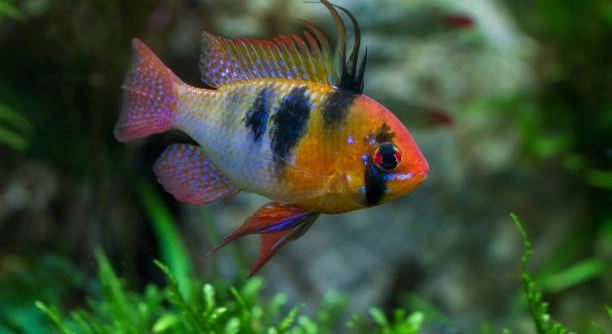
Raising cichlids can be exciting, but it often leads to an unexpected problem: an abundance of tiny fry swimming around your tank. Managing these small fish requires careful thought and planning to ensure their well-being.
The most responsible approach for handling excess cichlid fry involves assessing your capacity to care for them, considering rehoming options, and implementing population control measures. Proper management helps maintain the health of both the fry and the adult fish.
Knowing how to handle extra fry properly can protect your tank’s balance and the survival of the young fish. Effective strategies make a lasting difference.
Assessing Your Tank Capacity
Before deciding what to do with excess cichlid fry, it’s important to evaluate your tank’s capacity. Overcrowding can lead to stress, poor water quality, and stunted growth for both fry and adult fish. Consider the size of your tank, filtration system, and how many adult cichlids are already present. Fry need space to swim and hide, as well as access to food without constant competition. If your tank is small or already densely populated, keeping all the fry may not be sustainable.
Separating fry into a nursery tank is often necessary to ensure survival and healthy growth.
Providing a dedicated space for fry allows you to monitor their development closely, manage feeding more effectively, and maintain stable water conditions. This approach reduces aggression from adults and improves the overall survival rate. Regularly checking water parameters, maintaining a consistent feeding schedule, and removing any weak or sick fry promptly will help maintain a healthy, balanced tank environment.
Rehoming Excess Fry
Finding new homes for fry is a practical solution when your tank cannot support all of them.
Many local fish stores or hobbyists are willing to take young cichlids. Online forums and community groups also offer opportunities to connect with other keepers who can provide proper care. When rehoming, ensure the fry are healthy and acclimated to avoid unnecessary stress. Packaging fry safely and providing guidance to the new owner improves their chances of survival.
Rehoming not only prevents overcrowding but also promotes responsible fishkeeping. Keeping too many fry can quickly degrade water quality, leading to disease and stunted growth. Sharing your fry with others ensures they have a chance to thrive in a suitable environment. If rehoming isn’t immediately possible, consider temporary setups such as breeder boxes or small nursery tanks. These allow you to maintain fry safely while waiting for new homes. Monitoring water quality, feeding appropriately, and keeping a close eye on development during this period is essential. By responsibly managing excess fry, you support both their health and the stability of your main tank.
Feeding and Care for Fry
Fry need frequent, small feedings to grow properly. High-quality fry food and live or frozen options help them develop strong immune systems and vibrant colors.
Providing a varied diet supports growth and reduces competition among fry. Start with finely crushed flakes or specialized fry food, then introduce micro worms, baby brine shrimp, or daphnia as they grow. Feed multiple times a day in small portions to prevent uneaten food from fouling the water. Maintain clean water by performing partial water changes and using gentle filtration. Fry benefit from hiding spots, such as plants or breeding cones, to reduce stress and aggression from tankmates.
Monitoring growth and health regularly is essential. Remove weak or slow-growing fry if necessary to protect the overall population. Rotating food types ensures balanced nutrition, and careful observation helps you adjust feeding amounts. As fry grow, gradually increase portion sizes and introduce more complex foods. Proper care at this stage lays the foundation for strong, healthy adult cichlids.
Controlling Population Early
Separating males and females can help prevent uncontrolled breeding in a shared tank. Fry that grow too fast may compete for space and resources.
Early population control requires monitoring sex ratios and identifying dominant individuals. Removing or rehoming certain fry ensures the tank remains manageable and reduces aggressive behavior. Some breeders isolate fry in temporary nursery tanks until they can be rehomed or sold. Timing is crucial—once fry mature, they become more territorial and harder to manage. Consistent observation allows you to maintain a healthy balance without stressing the adult fish.
Using barriers or breeder nets also helps limit interactions between fry and adults. This prevents adults from eating or stressing the young and allows you to control growth rates. By managing population early, you maintain a cleaner, healthier tank environment. Careful attention to tank conditions, space, and feeding routines ensures all fish thrive. These measures create a stable setting, preventing overcrowding and supporting long-term health for both fry and adult cichlids.
Using Breeder Boxes
Breeder boxes are useful for keeping fry safe from adult cichlids. They allow controlled feeding and reduce stress.
Boxes can be placed inside the main tank or used in separate tanks. They provide hiding spots and prevent fry from being eaten, supporting healthier growth and higher survival rates.
Water Quality Management
Maintaining clean water is essential for fry survival. Frequent partial water changes help remove waste, uneaten food, and toxins that build up quickly. Monitoring parameters like ammonia, nitrites, and nitrates ensures a safe environment. Proper filtration and gentle water flow prevent stress while keeping conditions stable.
Deciding When to Release Fry
Fry should be released to the main tank or rehomed only once they are large enough to avoid predation. Small, vulnerable fry are easily stressed or eaten by adult fish, so timing is critical. Ensuring proper size and health increases survival rates.
FAQ
How many fry can I keep in a single tank?
The number of fry a tank can support depends on its size, filtration, and adult fish population. Overcrowding leads to stress, stunted growth, and poor water quality. For small tanks, keeping only a few fry is safest. Larger tanks may handle dozens if monitored closely. Always provide hiding spots and maintain clean water to reduce competition and aggression.
What should I feed cichlid fry?
Start with finely crushed flakes or specialized fry food. As they grow, introduce live or frozen options like baby brine shrimp, daphnia, or micro worms. Feed small amounts several times a day to prevent overfeeding and water pollution. Variety supports growth, strengthens immune systems, and encourages healthy coloration.
How often should I change water for fry?
Frequent, small water changes are best. Replacing 20-30% of water every few days helps remove waste and toxins that accumulate quickly. Always match water temperature and parameters to the tank to avoid shocking fry. Clean water reduces stress and lowers the risk of disease.
Can fry survive with adult cichlids?
It depends on the species and tank setup. Many adult cichlids eat fry, especially in small tanks. Using breeder boxes or separate nursery tanks ensures fry survival. If adults are more tolerant, hiding spots and careful observation can reduce risks, but separating fry is usually the safest option.
When can fry be moved to the main tank?
Fry should be large enough to avoid being eaten and strong enough to compete for food. This varies by species but generally occurs when they are a few weeks old and showing consistent swimming and feeding behavior. Gradual acclimation helps them adjust without stress.
Is it okay to rehome fry?
Yes, rehoming is a responsible way to manage excess fry. Local fish stores, hobbyists, and online groups often accept healthy fry. Ensure proper transport and acclimation to reduce stress and improve survival in the new environment. Rehoming prevents overcrowding and maintains tank health.
What if I have too many fry and no space?
Temporary nursery tanks or breeder boxes can help while finding new homes. If these options aren’t available, carefully selecting which fry to keep and responsibly rehoming the rest prevents overcrowding. Maintaining water quality and monitoring growth is essential during this period.
How do I prevent disease in fry?
Clean water, proper diet, and avoiding overcrowding are key. Remove uneaten food quickly, monitor for unusual behavior, and separate sick fry to prevent infections from spreading. Regular partial water changes and careful filtration maintain a healthy environment.
Do all fry grow at the same rate?
No, fry can vary in size and development. Some may be slower or weaker, and separating them or adjusting feeding can help maintain overall population health. Occasionally, removing weak fry ensures stronger individuals thrive.
Can I breed cichlids without excess fry?
Limiting breeding requires separating males and females or controlling spawning conditions. Using species-specific breeding tanks and monitoring egg-laying can prevent uncontrolled fry production. This allows you to manage tank capacity and resources effectively.
How do I know if fry are healthy?
Healthy fry are active, have consistent swimming patterns, clear eyes, and vibrant coloration. Weak or sick fry may hide excessively, lose color, or show erratic movements. Prompt intervention, including isolation and improved water quality, supports their recovery.
Are there special considerations for aggressive species?
Aggressive cichlids need extra precautions. Breeder boxes or separate tanks are often necessary to prevent adults from attacking fry. Providing ample hiding spaces and monitoring interactions reduces stress and injury. Timing fry release and gradual acclimation help maintain a balanced tank environment.
Can I use plants to protect fry?
Yes, dense plants provide hiding spots and reduce aggression from adults. Floating plants, moss, or artificial covers help fry feel safe while giving them areas to explore and feed without constant stress. They also support water quality by absorbing nutrients.
Is overfeeding fry harmful?
Yes, overfeeding can pollute water and lead to disease. Small, frequent feedings are safer. Remove uneaten food promptly and vary diet to provide proper nutrition without compromising water quality. Balanced feeding supports healthy growth and reduces mortality.
What is the best temperature for fry?
Temperature depends on species, but maintaining stable conditions is crucial. Rapid fluctuations cause stress and increase susceptibility to disease. Use a reliable heater and monitor regularly. Consistent temperatures support growth, immune function, and overall fry health.
How long do cichlid fry take to grow?
Growth rates vary by species, diet, and tank conditions. Some grow quickly within weeks, while others take months to reach juvenile size. Adequate food, clean water, and minimal stress accelerate healthy development and reduce mortality.
Are there signs of stress in fry?
Yes, stressed fry may hide excessively, swim erratically, or lose color. Overcrowding, poor water quality, or aggressive tankmates are common causes. Addressing these issues promptly improves survival and encourages normal growth.
Can I mix fry from different clutches?
It’s possible but monitor carefully. Mixing can lead to competition, aggression, or uneven growth. Providing hiding spots and evenly distributing food helps reduce conflicts and maintains overall health. Observe interactions closely to prevent bullying or injury.
How do I handle weak fry?
Weak fry can be separated into a small, quiet nursery tank with easy access to food. This increases survival chances while reducing stress from stronger or aggressive siblings. Sometimes, they may not survive despite best efforts, but careful care maximizes their potential.
Should I label different clutches?
Yes, labeling helps track growth rates, behavior, and health. It simplifies monitoring and ensures specific fry receive appropriate care. Keeping records prevents confusion when rehoming, separating, or managing multiple batches in the same facility.
What is the best way to transport fry?
Use secure containers with stable temperature and clean water. Minimize handling and provide gentle aeration if needed. Acclimate fry slowly to the new tank to prevent shock. Proper transport improves survival and reduces stress during relocation.
Can fry survive in tap water?
Only if it’s treated and free from harmful chemicals. Chlorine or heavy metals are dangerous. Use water conditioners to remove toxins, and match temperature and parameters to the tank to ensure fry survival. Testing water quality is recommended.
How do I know when fry are ready to eat adult food?
Introduce finely crushed adult food gradually once fry can swallow larger particles. Continue feeding specialized fry foods until they can handle adult diets comfortably. Monitor growth and behavior to ensure proper transition.
What precautions are needed for delicate species?
Delicate species require stable water conditions, gentle filtration, and consistent feeding. Avoid overcrowding and minimize stress from tankmates or handling. Using breeder boxes and careful observation ensures higher survival and healthy development.
Is it necessary to separate fry by size?
Separating by size prevents stronger fry from outcompeting weaker ones for food. It reduces stress, improves growth rates, and increases survival. Temporary nurseries or sectioned tanks are effective solutions for managing size differences.
Can I keep fry with invertebrates?
Some invertebrates are safe, but others may prey on fry. Shrimp or small snails can coexist, while larger or predatory species should be avoided. Observing interactions ensures fry safety while maintaining a balanced tank.
How often should I check fry health?
Daily observation is ideal. Look for signs of stress, illness, or aggression. Quick responses to problems prevent outbreaks and support overall population health. Regular monitoring is essential for maintaining strong, healthy fry.
What role does lighting play for fry?
Moderate lighting encourages normal activity and growth. Too much light can stress fry, while too little may reduce feeding motivation. Plants or shaded areas help create safe zones, balancing light exposure effectively.
Can fry be overbred in one tank?
Yes, uncontrolled breeding leads to overcrowding, poor water quality, and stress. Monitoring and separating males and females, or removing eggs and fry when necessary, prevents excessive population growth. Controlled breeding ensures healthier, manageable tanks.
Is it okay to sell fry?
Yes, selling healthy fry to responsible keepers or stores is acceptable. Ensure they are acclimated, disease-free, and transported properly. Selling helps manage population while supporting other cichlid keepers.
How do I clean a nursery tank?
Remove uneaten food and debris carefully. Perform partial water changes, clean substrate gently, and avoid disturbing fry. Maintaining clean conditions prevents disease and supports healthy development.
Are some cichlid species easier to raise than others?
Yes, some species are hardier and less aggressive, making fry care simpler. Others require careful monitoring, stable conditions, and protection from adults. Researching species-specific needs ensures better survival rates.
Can I use medications for fry?
Only if necessary and safe for young fish. Follow dosage instructions carefully and avoid chemicals that harm delicate fry. Treating water proactively is better than reactive medication when possible.
What is the best method to reduce stress in fry?
Provide hiding spots, maintain stable water conditions, and avoid overcrowding. Gentle feeding and limited handling reduce stress, helping fry grow stronger and healthier. Observation ensures timely intervention if problems arise.
How do I manage aggressive fry?
Separate dominant individuals or provide more space and hiding spots. Even distribution of food and careful observation reduces injuries. Managing aggression ensures all fry have a chance to grow and thrive.
Can fry tolerate sudden changes in environment?
No, sudden changes in temperature, water chemistry, or lighting can shock fry. Gradual adjustments are necessary for survival and healthy development. Sudden disturbances can lead to stress, disease, or mortality.
What signs indicate fry are ready for rehoming?
Active swimming, consistent feeding, and appropriate size indicate readiness. Fry should withstand normal tank conditions without excessive stress. Proper preparation ensures survival in a new environment and reduces mortality risk.
How long should fry stay in nursery tanks?
Typically, fry remain until they are large enough to avoid predation and compete for food. This can vary by species but generally lasts several weeks. Monitoring growth ensures safe transition to the main tank or new homes.
Can fry adapt to new tankmates?
Yes, if introduced gradually. Start with peaceful species and provide hiding spots. Sudden introduction may cause stress or aggression, so acclimation is important. Gradual integration supports healthy behavior and survival.
Is light aeration necessary for fry?
Gentle aeration helps maintain oxygen levels without creating strong currents that stress fry. Too much flow can exhaust them, so balance is key. Proper aeration supports growth and activity.
Can fry survive in community tanks?
Only if adults are non-aggressive and hiding spots are abundant. Aggressive tankmates may eat or stress fry, reducing survival. Careful planning and observation are necessary to maintain fry health.
How do I track fry growth efficiently?
Keep records of size, behavior, and feeding. Label tanks or clutches to monitor development. Tracking helps identify weak or slow-growing fry and ensures proper care for each group.
Are there seasonal effects on fry growth?
Temperature fluctuations and natural light cycles can affect growth. Stable conditions year-round are ideal. Sudden seasonal changes may slow growth or increase stress, so maintaining controlled environments is important.
What is the role of hiding spots in fry survival?
Hiding spots reduce stress, prevent predation, and allow fry to feed comfortably. Plants, decorations, or breeder box structures improve survival rates and promote natural behavior.
How important is consistent feeding for fry?
Very important. Inconsistent feeding can stunt growth, cause stress, and weaken the immune system. Small, frequent feedings ensure balanced nutrition and healthy development.
Can fry survive on flake food alone?
Flakes are acceptable if finely crushed and high-quality, but variety improves nutrition and growth. Supplementing with live or frozen foods ensures strong, healthy fry.
How do I prevent fry from being eaten?
Use breeder boxes, separate tanks, or dense hiding spots. Monitor adult behavior and remove aggressive fish if necessary. Proper protection significantly improves survival rates.
Is it necessary to monitor water pH for fry?
Yes, stable pH is essential for healthy growth. Sudden changes can stress fry and make them more susceptible to disease. Monitor regularly and adjust slowly if needed.
How do I manage fry in a small tank?
Limit numbers, use breeder boxes, and maintain strict water quality. Separate aggressive fry and provide hiding spots. Careful management ensures survival despite limited space.
Can fry survive with other species of fish?
Depends on size and temperament of tankmates. Non-aggressive, similarly sized fish may coexist, but predators or large species should be avoided to prevent loss.
How often should fry be observed?
Daily observation is ideal to catch health issues, aggression, or stress early. Prompt action ensures higher survival rates and healthy development.
What is the maximum safe density for fry?
Density depends on species and tank size. Overcrowding causes stress, disease, and stunted growth. Always provide enough space, filtration, and hiding spots for all fry.
Are artificial plants suitable for fry?
Yes, they provide hiding spots without affecting water quality. Ensure they are soft or smooth to prevent injury. They help reduce stress and aggression.
Can fry survive without hiding spots?
They can, but survival rates decrease. Hiding spots reduce stress, prevent predation, and allow fry to feed safely. Natural or artificial covers improve overall health.
Is lighting necessary for fry growth?
Moderate lighting supports normal activity and feeding. Too much light causes stress, while too little may reduce motivation to feed. Balanced lighting is best.
Can I breed cichlids without creating excess fry?
Yes, by controlling male-female interactions and managing egg-laying. Removing eggs or separating adults prevents uncontrolled breeding and overcrowding in the tank.
What is the role of temperature in fry metabolism?
Temperature affects growth rate and digestion. Stable, species-appropriate temperatures promote healthy metabolism, faster growth, and stronger immune systems. Sudden changes can be harmful.
How do I safely separate fry from adults?
Use breeder boxes, nets, or nursery tanks. Ensure minimal stress and gradual acclimation. Separation prevents predation and supports healthy growth for the fry.
Can fry live with snails or shrimp?
Yes, small non-predatory invertebrates are generally safe. They do not compete significantly for food and provide a more natural environment for fry.
Are there special considerations for dwarf cichlids?
Dwarf species are more delicate and sensitive to water conditions. They require gentle filtration, stable temperatures, and careful feeding. Using breeder boxes and monitoring growth ensures higher survival rates.
How do I handle sudden mortality in fry?
Check water parameters, food quality, and tankmates. Isolate affected fry, perform partial water changes, and adjust care routines to prevent further losses. Prompt intervention is critical.
Can fry tolerate fluctuating temperatures?
No, fluctuations cause stress, slow growth, and increase disease risk. Maintain stable temperatures suitable for the species to ensure healthy development.
What is the best way to acclimate fry to a new tank?
Gradually introduce water from the new tank, maintain similar temperature, and monitor closely. Slow acclimation reduces stress and improves survival chances.
Are live plants better than artificial for fry?
Both work if they provide hiding spots. Live plants may improve water quality and offer natural shelter, but artificial plants are safe and low maintenance.
Can fry survive in soft water?
Yes, if species-appropriate. Monitor parameters carefully. Some cichlids prefer soft or hard water, and matching conditions improves survival and growth.
How do I prevent overcrowding in fry tanks?
Limit numbers from the start, separate by size, and rehome or sell excess fry. Overcrowding leads to stress, disease, and poor growth.
Is it necessary to track fry by clutch?
Yes, tracking ensures proper care, feeding, and growth monitoring. It also helps identify weak or aggressive fry and prevents confusion in multi-clutch tanks.
What is the ideal fry tank setup?
Provide stable water, gentle filtration, hiding spots, moderate lighting, and proper feeding schedules. A balanced, low-stress environment promotes growth and reduces mortality.
Can fry survive without filtration?
Small, temporary tanks may manage without filtration if water is changed frequently. However, filtration improves water quality, reduces maintenance, and supports healthier fry.
How often should fry tanks be cleaned?
Partial cleaning during water changes is sufficient. Avoid disturbing fry too much. Removing debris and uneaten food prevents disease and maintains healthy conditions.
What signs indicate overcrowding?
Fry fighting, stunted growth, poor water quality, and high stress levels indicate too many fish. Taking action early prevents long-term health issues.
Can fry live with adult peaceful fish?
Yes, if adults are non-predatory and fry have hiding spots. Monitor interactions to ensure fry safety and reduce stress.
What precautions are needed for aggressive fry species?
Provide separation, hiding spots, and careful feeding. Monitor interactions closely and remove overly aggressive individuals to prevent injuries and stress among the group.
How do I prevent fungal infections in fry?
Maintain clean water, avoid overfeeding, and remove dead or weak fry promptly. Treat water with safe antifungal solutions if necessary, following species-appropriate guidelines.
Can fry survive in low-light conditions?
Yes, but too little light may reduce feeding activity. Moderate lighting encourages growth and normal behavior while minimizing stress.
Are there risks with live food?
Yes, live food can carry parasites or bacteria. Ensure it is clean, cultured safely, and appropriate for fry size to avoid health problems.
How do I transition fry to larger food?
Gradually introduce crushed adult flakes or pellets while continuing fry food. Monitor feeding behavior to ensure all fry can eat and adapt without stress.
Is constant observation necessary?
Daily checks are recommended. Observation allows early detection of stress, illness, or aggression, improving survival and growth rates.
Can fry be kept with small invertebrates safely?
Yes, most small invertebrates like shrimp or snails are safe if they don’t compete for food or harm fry. Monitoring ensures coexistence remains peaceful.
How do I manage fry in seasonal temperature changes?
Maintain stable water using heaters or coolers. Sudden temperature shifts stress fry and slow growth. Consistency ensures healthy development regardless of external conditions.
Are artificial decorations safe for fry?
Yes, as long as edges are smooth and materials are non-toxic. They provide hiding spots and reduce aggression.
What is the maximum fry growth rate considered healthy?
Growth varies by species, diet, and water conditions. Rapid growth is good if supported by nutrition and water quality; stunted or uneven growth indicates stress or poor conditions.
How do I reduce competition among fry?
Provide sufficient space, hiding spots, and evenly distributed
Raising cichlid fry can be both rewarding and challenging. Managing their numbers, feeding, and environment requires consistent effort and attention to detail. When fry are allowed to grow in a healthy, stable tank, they develop into strong and colorful adult fish that enhance the overall aquarium. Careful planning from the start—such as evaluating tank capacity, providing hiding spots, and monitoring water quality—reduces stress and improves survival rates. Even small actions, like partial water changes and consistent feeding schedules, have a significant impact on the well-being of the fry. By focusing on their needs and maintaining a balanced environment, you can prevent overcrowding and ensure that each fry has the best chance to thrive.
Responsible management of excess fry also means making decisions about rehoming or separating fry when necessary. Not every hobbyist tank can support all the fry produced by a breeding pair, so creating nursery tanks or breeder boxes is a practical approach. Providing temporary care until new homes are found ensures fry remain healthy and reduces the risk of disease or stunted growth. Rehoming excess fry to other keepers, hobbyists, or local fish stores is a responsible way to manage the population while giving the young fish a chance to flourish in suitable environments. Maintaining detailed records of clutches and growth also helps track progress and ensures fry receive proper care throughout their development.
Ultimately, raising cichlid fry successfully requires patience, observation, and attention to detail. Consistency in feeding, water maintenance, and monitoring behavior is key to promoting growth and reducing stress. Overcrowding, poor water quality, or improper nutrition can quickly lead to health problems, so careful management is essential. By understanding the needs of the fry, creating safe spaces, and making informed decisions about rehoming or separating fish, you can maintain a healthy and balanced tank. Following these practices not only ensures that the fry grow into healthy adults but also helps create a more stable and enjoyable aquarium for all the fish. Consistent care, attention, and proper planning make the process manageable and ultimately rewarding.

Hello,
If you enjoy the content that we create, please consider saying a "Thank You!" by leaving a tip.
Every little bit helps us continue crafting quality advice that supports the health, happiness, and well-being of pets around the world, for pets of all shapes, sizes, and species.
We really appreciate the kindness and support that you show us!