
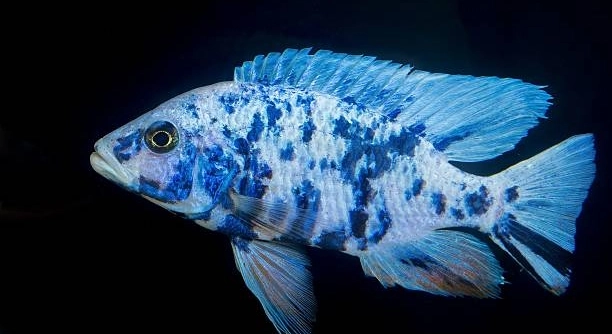
Many cichlid owners notice their fish fixating on one specific spot in the tank for long periods. This behavior can seem strange or amusing, but it is actually a common trait among these curious and intelligent fish.
Cichlids often focus on a single spot because it serves as a reference point in their territory. This behavior helps them establish boundaries, monitor potential threats, and interact socially within the tank environment, contributing to their sense of security.
Observing this behavior more closely can reveal insights into your cichlids’ natural instincts and how they interact with their surroundings daily.
Spot Fixation and Territorial Behavior
Cichlids are naturally territorial fish, and their attention to a single spot often relates to claiming or defending their space. In aquariums, even small tanks can trigger this instinct. They may circle, hover, or guard a chosen area to establish dominance. This spot can be near decorations, rocks, or plants, which provide a sense of security. Some cichlids even rearrange objects to mark their territory. This behavior is more noticeable when other fish are nearby, as it signals boundaries and social ranking. Over time, owners can notice patterns in how cichlids select spots, often returning to the same area repeatedly. Recognizing this behavior helps in setting up tanks with adequate hiding places and space. Adjusting tank layout or adding natural barriers can reduce stress and aggression, making the fish more comfortable. Observing these habits offers insight into their instincts and how they interact with their environment daily.
Territorial fixation is strongest during breeding or when new fish are introduced.
Cichlids use visual markers and repeated visits to a single spot to monitor surroundings. This allows them to respond quickly to changes, detect intruders, and assert control. Providing varied tank structures reduces stress and encourages healthy interactions. Understanding these behaviors helps maintain balance among multiple fish.
The Role of Curiosity and Hunting Instincts
Cichlids often fixate on a spot because it holds potential food or movement.
Cichlids’ attention to a spot is not just about territory—it is tied to curiosity and feeding instincts. They are attentive to movement, reflections, and small changes in the tank. A speck of debris, a small insect, or even a shadow can capture their focus. This behavior mirrors their natural hunting methods in lakes and rivers, where focusing on a single point increases efficiency in finding food. Even without prey, their brain treats the spot as a source of potential rewards. Observing this behavior allows owners to recognize mental stimulation needs. Environments with variety, hiding spaces, and occasional enrichment can keep them engaged. Ignoring this instinct may lead to boredom or stress, which can affect overall health. By understanding their focus patterns, it is easier to provide a habitat that supports natural instincts while minimizing tension among tank mates.
How Light and Reflections Affect Their Focus
Cichlids are sensitive to light and reflections, which can make a single spot more noticeable. Bright areas, shadows, or mirrored surfaces in the tank often attract their attention, leading to prolonged observation.
Changes in lighting or reflections can trigger fixations in cichlids. Light bouncing off the water surface or glass may appear as movement or potential food. Fish may hover near these spots, thinking something is happening. This behavior is more common in tanks with strong overhead lights or shiny decorations. Adjusting lighting levels or covering reflective surfaces can reduce unnecessary stress. Sometimes, placing plants or rocks strategically breaks up reflections and makes fish feel more secure. Their focus on light-related spots is a natural response, not a sign of illness.
Providing varied light conditions and minimizing strong reflections encourages natural movement. Cichlids will explore more evenly when their environment is visually balanced and calm.
Influence of Breeding and Social Hierarchy
During breeding periods, cichlids become more fixated on specific areas. This behavior signals readiness to mate or defend nesting sites.
Social dynamics also play a major role in spot fixation. Dominant fish often claim areas as their own, while subordinate fish learn which spaces are safe to approach. Observing which spots are chosen provides insight into the hierarchy within the tank. Some species return to the same spot repeatedly as a display of dominance or to protect eggs. Even outside breeding times, these locations remain important for territorial claims. Providing multiple hiding spots and open spaces helps reduce conflicts.
Spot selection is influenced by both environmental cues and the fish’s status. Recognizing these patterns allows for better tank management and ensures all fish have a secure place to settle.
Environmental Changes and Spot Attention
Cichlids notice even small changes in their environment, which can make them focus on a single spot. New decorations, plants, or rearranged rocks often draw their attention as they assess the space.
Temperature shifts or water movement can also influence their focus. Strong currents or uneven heating may cause them to hover near calm, familiar areas. They use these spots to feel secure and monitor their surroundings. Consistent environmental conditions help reduce unnecessary stress.
Feeding Habits and Observation
Cichlids often fixate on spots associated with food. They learn to recognize where feeding occurs and return frequently, anticipating meals or movement. Their attention to these areas is a natural instinct to maximize feeding efficiency.
Interaction with Tank Mates
Cichlids use their chosen spot to monitor other fish. They watch movements, gauge behavior, and maintain awareness of potential threats or rivals.
Mental Stimulation and Behavior
Focusing on a spot helps cichlids stay mentally engaged. They process visual cues, track movements, and interact with the environment. This behavior supports natural instincts and reduces boredom in a confined tank.
FAQ
Why does my cichlid stare at one spot for hours?
Cichlids often focus on a single spot because it gives them a sense of security and control over their territory. They use these areas to monitor changes, detect movement, and respond quickly to potential threats. This behavior is normal and shows that they are alert and aware of their environment.
Is it a problem if my cichlid keeps returning to the same spot?
Repeatedly returning to the same spot is usually harmless. It reflects territorial behavior, curiosity, or anticipation of food. However, if your fish shows signs of stress, such as rapid breathing, hiding excessively, or refusing food, it may indicate that something in the tank is uncomfortable. Checking water quality and environment is a good idea.
Do reflections in the tank confuse cichlids?
Yes, reflections can attract attention because cichlids may interpret them as another fish or moving object. Mirrors or bright surfaces can trigger prolonged focus or even mild aggression. Adjusting lighting or covering reflective surfaces often helps reduce unnecessary fixation.
Does tank size affect spot fixation?
Smaller tanks can increase spot-focused behavior because fish feel limited in space and need a reference point for comfort. Larger tanks with multiple hiding areas allow cichlids to distribute their attention and feel less confined, reducing obsessive hovering over one spot.
Can cichlids get bored without a specific spot?
Cichlids are intelligent and need mental stimulation. If a tank lacks structures, hiding spots, or variation, they may fixate on one area out of boredom. Adding rocks, plants, or decorations encourages exploration and provides natural engagement for their instincts.
Do cichlids only focus on spots when breeding?
Breeding amplifies spot-focused behavior, but it is not limited to reproduction. Both males and females may fixate on areas to monitor territory, food, or social interactions. Breeding simply increases territorial and protective instincts, making the behavior more noticeable.
Should I move decorations if my cichlid likes a certain spot?
Frequent changes can stress the fish. If your cichlid has a favorite area, it is best to leave it mostly undisturbed. Introducing new objects gradually is safer, allowing them to assess the changes without losing their comfort zone.
Can stress cause excessive focus on a single spot?
Yes, stress can increase spot-focused behavior. Factors like aggressive tank mates, poor water quality, or sudden environmental changes may make a cichlid cling to a safe area. Observing overall behavior and tank conditions helps identify and resolve stress triggers.
Do different species of cichlids focus on spots differently?
Yes, species vary in their behavior. Some are naturally more territorial and will guard a spot intensely, while others are more social and only occasionally fixate. Researching the specific species’ tendencies helps anticipate patterns and manage tank setups appropriately.
How can I encourage healthy behavior in my cichlid?
Providing a balanced environment with hiding spots, plants, and moderate lighting helps. Consistent feeding schedules, clean water, and observing interactions with tank mates support mental stimulation. This encourages natural behavior and reduces obsessive focus on a single area.
Will my cichlid stop focusing on one spot over time?
Some will reduce fixation as they become comfortable in their environment, especially with adequate enrichment and space. Others maintain a preferred area indefinitely due to territorial instincts or habitual routines. Respecting their comfort zones ensures they remain confident and healthy.
Can spot fixation indicate illness?
Rarely, but it can be a subtle signal. If fixation is paired with lethargy, loss of appetite, abnormal swimming, or color changes, it may indicate illness. In such cases, checking water parameters and consulting a veterinarian experienced with fish is recommended.
Does feeding method affect spot focus?
Yes, fish often return to spots associated with food. Feeding in the same area encourages anticipation, which is why some cichlids hover in a location before and after feeding times. Varying feeding spots occasionally can reduce overly repetitive focus.
Are cichlids’ spot habits permanent?
Spot-focused behavior is influenced by environment, social structure, and individual personality. While preferences may change slightly over time, most cichlids maintain favored areas as part of their natural instincts and daily routines.
How do I know if the behavior is normal?
Normal spot fixation is consistent but not obsessive to the point of stress. Fish remain active, eat well, and interact with tank mates. Sudden changes, extreme aggression, or health issues are signs that intervention may be needed. Observing patterns over weeks helps distinguish normal habits from problems.
Can introducing new fish affect spot fixation?
Yes, new fish can trigger territorial behavior, causing cichlids to cling to a spot for longer periods. Gradual introductions and careful observation help maintain peace and prevent excessive stress for both existing and new fish.
Do cichlids communicate through spot-focused behavior?
They do. Hovering or guarding a spot signals to other fish about territory, dominance, or readiness to breed. Understanding these cues helps in managing multiple cichlids in a single tank and preventing conflicts.
Does tank layout influence fixation habits?
Absolutely. Tanks with varied terrain, plants, and hiding areas allow cichlids to explore and shift focus naturally. Barren tanks limit stimulation and increase prolonged fixation, which may seem obsessive but is often a coping behavior.
How much attention should I give to spot-focused cichlids?
Observing is enough; they don’t need constant interaction. Ensuring proper environment, diet, and tank conditions supports their well-being while letting them maintain natural behavior. Too much interference can disrupt their comfort and cause stress.
Can spot fixation be entertaining or educational?
Yes, watching how cichlids interact with their favorite spots offers insight into their instincts, social hierarchy, and personality traits. It’s a way to understand their natural behaviors and adapt tank conditions to meet their needs effectively.
Cichlids’ fascination with a single spot is a natural part of their behavior. This focus comes from instincts developed over thousands of years in lakes and rivers. In the wild, having a reliable point in their territory allows them to monitor changes, detect potential threats, and protect themselves from predators. Even in a home aquarium, this instinct remains strong. They often choose areas near decorations, plants, or rocks because these objects give them a sense of security and stability. Watching how a cichlid interacts with its chosen spot can reveal a lot about its personality and comfort level in the tank. While it may seem odd to see a fish hovering in one area for long periods, it is usually harmless and shows that the fish feels confident in its environment.
Spot fixation is influenced by several factors, including territorial behavior, feeding habits, social hierarchy, and environmental conditions. Cichlids establish territories to assert dominance, and a favorite spot becomes a reference point for their surroundings. Feeding routines also encourage repeated visits to specific areas, as fish learn to expect food at certain times or locations. Social dynamics affect behavior as well; dominant fish often claim prime areas, while subordinate fish may adjust their movements to avoid conflict. Changes in light, reflections, or decorations can attract attention and make a fish focus on a particular spot. Even temperature differences or water movement can influence where a cichlid feels safest. Understanding these factors helps in creating a tank environment that reduces stress and supports healthy behavior.
Providing a balanced and enriching environment is important for cichlids’ well-being. Adding plants, rocks, and hiding spots gives them options to explore, reduces boredom, and allows them to maintain natural behaviors. Maintaining stable water conditions, consistent feeding schedules, and careful observation of interactions among tank mates helps keep stress levels low. While spot-focused behavior is normal, it can become a sign of discomfort if combined with unusual activity, loss of appetite, or aggression. Paying attention to these signs ensures that your cichlid stays healthy and happy. Observing how a cichlid uses its favorite spot can be rewarding, as it reflects their instincts and individuality. Over time, respecting their preferences and providing a stimulating environment allows them to thrive naturally, making the tank a peaceful and engaging space for both fish and owner.

Hello,
If you enjoy the content that we create, please consider saying a "Thank You!" by leaving a tip.
Every little bit helps us continue crafting quality advice that supports the health, happiness, and well-being of pets around the world, for pets of all shapes, sizes, and species.
We really appreciate the kindness and support that you show us!