
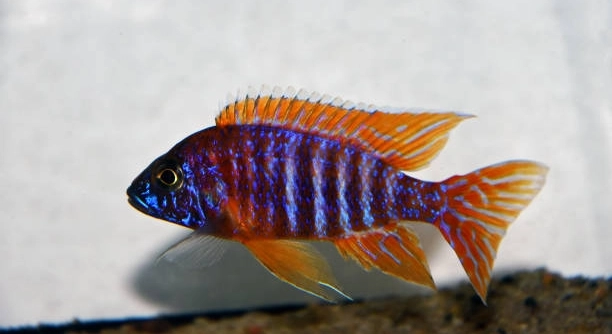
Caring for cichlids can be rewarding, but sometimes subtle changes in their behavior and appearance indicate stress. Ammonia buildup is one of the most common hidden threats that can quietly affect their health.
Ammonia stress in cichlids often manifests through signs such as rapid gill movement, loss of appetite, faded coloration, lethargy, clamped fins, frequent hiding, and unusual swimming patterns. Early detection and water management are essential for preventing long-term damage.
Recognizing these signs early helps maintain a healthy tank environment and ensures your cichlids continue to thrive in optimal conditions.
Rapid Gill Movement
When cichlids experience elevated ammonia levels, their gills often move faster than usual. This happens because ammonia irritates their delicate gill tissues, making it harder for them to extract oxygen from the water. At first, the rapid gill movement might be subtle and easy to overlook, especially if your fish are usually active. Over time, the breathing becomes more labored, and you may notice them coming closer to the water surface more frequently. These signs indicate that the water quality is affecting their overall health. Adjusting filtration, performing partial water changes, and monitoring ammonia levels can help reduce the stress. Even small improvements in water quality can quickly make a noticeable difference in their breathing patterns. Keeping the tank well-maintained ensures that your cichlids remain active and comfortable, preventing long-term harm that ammonia stress can cause. Observing gill activity daily can help catch issues early.
Rapid gill movement is often the first visible sign of ammonia stress. Monitoring their breathing is crucial for early intervention.
Consistently checking gill motion allows you to detect subtle changes before they escalate. Combining regular water testing with small, frequent water changes can stabilize ammonia levels. Providing proper aeration and ensuring the filter is functioning efficiently will support oxygen availability, reducing stress. Early attention prevents more severe health issues and keeps cichlids vibrant and active. Over time, you will notice calmer swimming and more natural behavior when ammonia levels are controlled.
Loss of Appetite
Cichlids may stop eating when ammonia levels rise. They often appear uninterested in food, even during regular feeding times.
Loss of appetite is a strong indicator that ammonia is affecting their overall well-being.
Reduced feeding can lead to weakened immune systems and slower recovery. It is important to respond quickly by testing water parameters and performing corrective actions. Maintaining clean water and providing small, nutritious meals helps restore appetite. Observing feeding patterns daily can prevent long-term nutritional deficiencies. Ammonia affects digestion and energy levels, so consistent care improves their vitality. Supporting their diet with occasional high-quality treats can also encourage eating while maintaining water quality.
Faded Coloration
Faded coloration is a common sign of ammonia stress. Cichlids lose their bright hues and appear dull or washed out. It signals poor water quality and prolonged exposure to harmful ammonia levels.
Color fading happens because ammonia interferes with pigment cells and overall health. Stressed cichlids often show duller fins, pale body areas, or blotchy patches. Even healthy fish may temporarily lose vibrancy if water conditions fluctuate. Over time, prolonged exposure can weaken their immune system and make them more prone to disease. Addressing ammonia levels quickly can help restore their natural colors. Keeping consistent water parameters and avoiding overfeeding also reduces stress, making coloration recovery faster.
Regular observation of your cichlids’ appearance helps track subtle color changes. Adjusting filtration, performing water changes, and testing ammonia levels are key. Nutrition also supports pigment recovery. Consistency in care ensures that vibrant colors return and fish remain healthy. Avoiding sudden chemical or temperature changes prevents further stress.
Lethargy
Lethargy becomes noticeable when cichlids move slowly or spend more time resting at the tank bottom. It is a direct response to ammonia exposure.
Ammonia affects energy levels by reducing oxygen efficiency in the blood. Fish may appear listless, swim less, or ignore interactions they usually enjoy. Prolonged lethargy can weaken their muscles and immune system, increasing vulnerability to infections. Immediate attention is needed to prevent permanent health decline. Improving water quality through partial changes and enhancing aeration can help cichlids regain normal activity. Observing behavior patterns daily provides early warning before lethargy worsens.
Supporting a stressed cichlid involves consistent water maintenance and monitoring ammonia levels. Ensuring proper filtration, adding aeration, and avoiding overfeeding reduces energy strain. Providing a balanced diet strengthens immunity, allowing fish to recover activity naturally. Over time, with stable water conditions, cichlids regain their normal swimming patterns, showing renewed energy and responsiveness. Understanding the direct link between water quality and activity helps prevent recurring lethargy and promotes long-term health.
Clamped Fins
Clamped fins occur when cichlids hold their fins close to their body instead of spreading them naturally. This is a stress response to elevated ammonia and indicates discomfort or irritation in the fish.
Clamped fins reduce swimming efficiency and make the fish appear smaller or weaker. Prolonged fin clamping can lead to secondary infections if ammonia stress continues. Regular observation and maintaining proper water quality help prevent this behavior.
Frequent Hiding
Cichlids may hide more than usual when stressed by ammonia. They retreat to corners, decorations, or caves, avoiding open areas in the tank.
Frequent hiding is a sign that the fish feels unsafe or uncomfortable. High ammonia irritates gills and skin, making exposure to open water stressful. Addressing water parameters and improving oxygenation encourages normal behavior.
Unusual Swimming Patterns
Ammonia stress can cause cichlids to swim erratically, dart suddenly, or hover near the surface. These behaviors are signs of discomfort and reduced oxygen efficiency.
Observing swimming patterns daily helps identify problems early. Correcting water quality and ensuring adequate aeration allows fish to regain normal movement.
FAQ
What is ammonia stress in cichlids?
Ammonia stress occurs when the ammonia levels in the tank water rise above safe limits. Ammonia is a toxic byproduct of fish waste, uneaten food, and decaying plant matter. Even small increases can irritate gills, reduce oxygen absorption, and weaken the immune system, causing visible stress signs.
How can I detect ammonia stress early?
Early signs include rapid gill movement, clamped fins, faded coloration, reduced appetite, lethargy, frequent hiding, and unusual swimming patterns. Observing these behaviors regularly helps catch issues before they escalate. Water testing kits provide exact ammonia readings, which is crucial for timely intervention.
What causes high ammonia levels in a cichlid tank?
High ammonia typically results from overfeeding, insufficient filtration, overcrowding, or infrequent water changes. Even healthy tanks can experience spikes after cleaning, adding new fish, or sudden temperature changes. Monitoring tank maintenance routines is essential to prevent toxic buildup.
Can ammonia stress kill cichlids?
Yes, prolonged exposure to elevated ammonia can be fatal. It damages gill tissue, reduces oxygen availability, and stresses internal organs. Early detection and corrective actions, like water changes and improved filtration, can prevent serious health consequences and save affected fish.
How often should I test for ammonia?
Testing at least once a week is recommended for established tanks. New or recently stocked tanks should be checked daily during the first few weeks. Frequent monitoring ensures ammonia levels remain within a safe range and allows early action if they rise.
What is the safest way to reduce ammonia quickly?
Perform partial water changes of 25-50% depending on the severity of the ammonia spike. Using ammonia-neutralizing products can provide temporary relief but should not replace consistent water management. Ensuring filtration is functioning properly supports long-term water stability.
Does diet affect ammonia levels?
Yes, overfeeding contributes significantly to ammonia buildup. Uneaten food decomposes, releasing ammonia into the water. Feeding smaller amounts, removing leftovers, and providing high-quality nutrition reduces waste and helps maintain a cleaner tank environment.
Can plants help control ammonia?
Live plants absorb ammonia as part of their nutrient cycle. Adding fast-growing aquatic plants can help reduce ammonia levels naturally. However, plants alone are not enough if the tank is heavily stocked or poorly maintained, so regular water changes remain necessary.
How long does it take for cichlids to recover from ammonia stress?
Recovery time varies depending on the severity and duration of exposure. Mild stress may improve within a few days after water adjustments, while prolonged exposure could take weeks. Consistent water quality, proper diet, and low-stress conditions support faster recovery.
Are there permanent effects of ammonia stress?
Severe or long-term ammonia exposure can cause lasting gill damage, stunted growth, or weakened immunity. Even after recovery, cichlids may remain more sensitive to environmental changes. Preventive care and early intervention are the best ways to avoid lasting harm.
Can filtration alone prevent ammonia stress?
Filtration is crucial but not sufficient on its own. Biological filters convert ammonia to less harmful compounds, but overfeeding, overcrowding, and neglecting water changes can still lead to spikes. A combination of filtration, proper feeding, and regular maintenance ensures a safe environment.
Is tap water safe for water changes?
Tap water often contains chlorine or chloramine, which are harmful to fish. Always treat tap water with a dechlorinator before adding it to the tank. This prevents additional stress and protects the gills from chemical irritation.
How can I make my cichlids more resilient to stress?
Maintaining stable water parameters, providing a balanced diet, reducing sudden environmental changes, and avoiding overcrowding strengthens resilience. Healthy fish are better equipped to tolerate minor fluctuations and recover faster from temporary stressors.
Are certain cichlid species more sensitive to ammonia?
Yes, some species are more tolerant, while others are highly sensitive. For example, African cichlids often handle slight ammonia fluctuations better than delicate South American species. Knowing your species’ tolerance helps tailor care practices to prevent stress.
What are the long-term signs of recurring ammonia exposure?
Recurring exposure often leads to stunted growth, chronic lethargy, persistent color fading, and frequent disease outbreaks. Even subtle behavioral changes can indicate repeated stress episodes. Monitoring and maintaining water quality consistently helps avoid long-term damage.
How can I prevent ammonia stress effectively?
The most effective prevention includes regular water testing, partial water changes, proper feeding, adequate filtration, and maintaining a balanced stocking level. Combining these practices ensures ammonia stays low and fish remain healthy and active.
Can ammonia affect breeding behavior?
Yes, stressed cichlids are less likely to spawn or care for fry. Ammonia irritates gills, lowers energy, and reduces appetite, which can directly impact reproductive success. Keeping water clean and stable supports normal breeding behavior.
Do temperature changes influence ammonia toxicity?
Higher water temperatures increase fish metabolism and can make ammonia more toxic. Warmer water also reduces oxygen availability, amplifying stress. Maintaining consistent temperature helps minimize the combined impact of heat and ammonia on cichlid health.
Is there a safe level of ammonia in the tank?
Ideally, ammonia should always be zero. Even low levels can cause subtle stress over time. Any detectable ammonia requires attention and corrective measures to maintain optimal conditions for cichlid health.
How can I tell if ammonia stress is improving?
Improvement is seen through normal gill movement, restored appetite, brighter coloration, active swimming, and reduced hiding. Regular observation combined with water testing confirms that ammonia levels are under control. Stable conditions support full recovery and prevent recurrence.
This FAQ provides a complete guide to recognizing, managing, and preventing ammonia stress in cichlids. Proper observation, maintenance, and care are essential for their long-term health.
Final Thoughts
Maintaining a healthy cichlid tank requires consistent attention to water quality. Ammonia stress is one of the most common threats that can quietly affect fish health. It is not always obvious at first, as many signs are subtle and easy to overlook. Rapid gill movement, clamped fins, faded coloration, reduced appetite, lethargy, frequent hiding, and unusual swimming patterns are all indicators that ammonia levels may be elevated. Even mild stress can weaken a fish’s immune system, making it more susceptible to disease. Regular water testing is the most reliable way to catch ammonia problems early. Using test kits weekly or more frequently in new or heavily stocked tanks helps maintain a safe environment. Partial water changes, proper filtration, and careful feeding practices are key strategies for controlling ammonia levels. Consistent observation of fish behavior allows you to identify stress before it leads to serious health problems.
Addressing ammonia stress requires both immediate and long-term solutions. Partial water changes can quickly reduce high ammonia levels and provide temporary relief, but they should be combined with proper filtration and ongoing maintenance. Biological filters play an essential role in converting ammonia into less harmful compounds, but overfeeding, overcrowding, and irregular tank care can still cause spikes. Aeration is also important because oxygen availability affects how stressed fish respond to ammonia. In addition, a balanced diet helps support immune function and overall resilience. While some species tolerate minor fluctuations better than others, all cichlids benefit from stable water conditions and a well-managed environment. Observing their appearance and behavior daily helps catch subtle changes that indicate stress, allowing corrective action before it becomes critical. Over time, these consistent practices can prevent recurring ammonia problems and keep cichlids healthy and active.
Preventing ammonia stress is always easier than treating it after it occurs. Maintaining clean water, monitoring ammonia regularly, and providing a suitable environment reduces the likelihood of long-term health issues. Stress not only affects their activity and color but can also impair growth, weaken immunity, and impact reproductive behavior. Taking a proactive approach ensures that cichlids remain vibrant and responsive, with natural coloration and normal swimming patterns. Even small adjustments, like removing uneaten food promptly, avoiding overcrowding, and ensuring filtration is working efficiently, make a significant difference. With careful attention and routine maintenance, ammonia stress can be minimized, giving cichlids a safe and healthy environment to thrive. Consistency and observation are key to supporting their long-term well-being.

Hello,
If you enjoy the content that we create, please consider saying a "Thank You!" by leaving a tip.
Every little bit helps us continue crafting quality advice that supports the health, happiness, and well-being of pets around the world, for pets of all shapes, sizes, and species.
We really appreciate the kindness and support that you show us!