
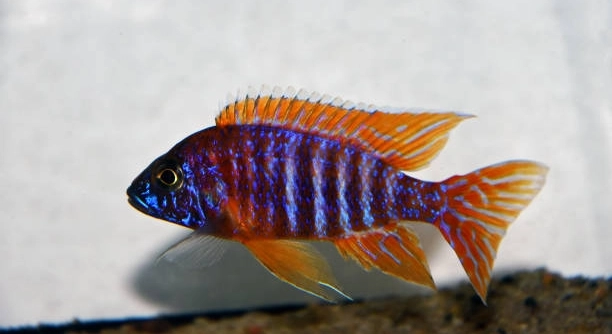
Are your cichlids showing signs of stress or aggression in your tank? Pairing them without proper planning can lead to conflicts and health issues, making it important to consider their behavior and environment beforehand.
Before pairing cichlids, it is essential to evaluate species compatibility, tank size, water parameters, temperament, feeding habits, and social hierarchy. Proper assessment ensures a stable environment, minimizes aggression, and promotes the overall health and wellbeing of all fish.
Understanding these factors will help you create a harmonious aquarium and avoid potential problems with your cichlids’ interactions and care.
Understanding Cichlid Temperaments
Cichlids are known for their varied personalities, which can range from peaceful to highly aggressive. Observing how each species behaves in different environments is critical before pairing. Some cichlids are territorial, defending their space vigorously, while others are more social and tolerant. Aggression often increases when tanks are too small or hiding spots are limited, so tank setup plays a major role. Diet can also affect behavior; some species become more defensive when competing for food. Breeding pairs or dominant individuals may display heightened aggression, making compatibility assessments essential. Identifying which cichlids are naturally compatible reduces the risk of stress and injury. Paying attention to fin nipping, chasing, and hiding can indicate whether the pairing will succeed. Each species has unique needs, and balancing those requirements ensures a more harmonious environment. Observing interactions over time is key to understanding temperament and preventing future conflicts.
Monitoring temperament early allows adjustments before serious aggression occurs, keeping all cichlids safe and healthy.
Consistency in tank conditions, such as water temperature and pH, reduces stress that can trigger aggressive behavior. Providing adequate space, shelters, and visual barriers helps mitigate conflicts. Even compatible species may show temporary disputes that settle over time if the environment meets their needs. Adjusting stocking density and introducing new fish gradually allows the established cichlids to acclimate. Keeping a close eye on feeding interactions can also prevent dominance-related stress. Recording behavior patterns and maintaining a structured routine helps anticipate potential issues. Successful pairings often depend on patience, observation, and a willingness to rearrange the tank to suit the fish’s preferences. Overlooking temperament can lead to injuries, disease, and decreased vitality. By taking a proactive approach, you create a balanced habitat where cichlids can coexist peacefully, thrive, and display their natural behaviors without unnecessary conflict.
Evaluating Tank Size and Environment
Tank size directly impacts how well cichlids interact. Crowded spaces often trigger aggression and stress, while ample room allows natural behavior to flourish.
Proper tank setup involves providing adequate swimming space, hiding spots, and environmental enrichment. A 55-gallon tank or larger is recommended for multiple cichlids. Substrate choice, rocks, and plants help create territories and reduce visual stress. Matching water parameters, including temperature, pH, and hardness, to each species’ needs is essential. Regular monitoring prevents sudden changes that could affect health and behavior. Introducing compatible cichlids gradually allows them to adjust and reduces territorial disputes. Using dividers temporarily can help new fish acclimate without immediate confrontations. Even minor environmental adjustments, like rearranging decorations, can alter dominance dynamics and ease tension. Clean water, adequate filtration, and consistent lighting contribute to a stable habitat. Observing fish reactions to their environment reveals if further modifications are needed. Planning tank design with species-specific requirements in mind ensures a safer, more balanced pairing.
Selecting the right tank size and environment minimizes conflicts, supports health, and allows cichlids to display natural behaviors comfortably, reducing stress and fostering long-term stability for multiple species.
Choosing Compatible Species
Not all cichlids can coexist peacefully. Aggressive species may harm more docile ones, while similar temperaments reduce conflict. Pairing fish with comparable sizes and activity levels helps maintain balance in the tank and prevents stress-related injuries or health problems.
Compatibility depends on behavior, size, and natural habitat. African cichlids, for example, often require rock-heavy environments to establish territories, whereas South American species prefer planted tanks. Mixing species from different regions can create stress due to differing water preferences. Monitoring interactions during the first few weeks is critical. If chasing, fin nipping, or hiding becomes excessive, adjustments are necessary. Tank size and structure also play a role; even compatible species need room to claim personal space. Gradual introductions and careful observation reduce risk, ensuring harmony.
Feeding habits influence compatibility as well. Aggressive feeders may outcompete slower eaters, leading to malnutrition or stress. Providing multiple feeding stations and varied diets helps maintain fairness. Territorial behaviors often intensify around food, so scheduling consistent feeding times and distributing food evenly is beneficial. Keeping species with similar dietary needs together minimizes competition. Adjusting feeding strategies and observing interactions ensures all fish remain healthy. Balancing temperament, size, and diet creates an environment where compatible cichlids coexist without constant conflict or stress, promoting long-term stability.
Monitoring Health and Behavior
Regular observation is essential to detect stress, illness, or aggression early. Signs like faded colors, clamped fins, or lethargy indicate potential problems requiring attention.
Maintaining water quality directly affects health and behavior. Consistent testing for ammonia, nitrite, nitrate, pH, and temperature prevents sudden changes that could stress cichlids. Sick or injured fish should be quarantined promptly to avoid spreading disease. Behavioral monitoring helps identify dominance issues, feeding problems, and territorial conflicts. Recording patterns over time provides insight into each fish’s well-being and the overall tank dynamics. Adjustments to tank layout, population density, or feeding practices can resolve minor issues before they escalate.
Proactive care includes routine water changes, cleaning substrate, and ensuring filtration efficiency. Observing interactions between cichlids helps determine if aggression is temporary or persistent. Addressing stressors like overcrowding, incompatible pairings, or poor nutrition maintains health and reduces disease risk. Environmental enrichment such as rocks, caves, and plants provides hiding spaces, easing tension. Quarantining new arrivals and monitoring for unusual behavior prevents introducing illness. Keeping detailed notes of behavior, feeding, and water parameters allows early detection of subtle changes, helping maintain a balanced, healthy tank environment for all cichlids.
Preparing the Tank
Setting up the tank before introducing cichlids reduces stress and aggression. Arrange rocks, caves, and plants to create hiding spots and territories. This helps fish establish boundaries and feel secure, minimizing conflicts once new fish are added.
Ensure water parameters match the species’ needs. Test for temperature, pH, and hardness, adjusting gradually. Stable conditions prevent shock and illness, making the environment more suitable for all cichlids.
Introducing New Cichlids
Add new cichlids slowly to prevent stress. Using a quarantine tank for observation allows you to detect illness or aggression before mixing them with established fish. Introducing fish gradually gives them time to adjust. Proper acclimation reduces territorial disputes and promotes a balanced tank environment.
Observing Interactions
Watch closely during the first few days. Aggressive chasing, fin nipping, or hiding indicates stress. Early detection allows you to intervene before injuries or long-term conflict occur.
Adjusting as Needed
If issues arise, rearranging tank decorations, separating aggressive fish, or increasing space can help. Minor adjustments often restore balance and reduce stress in the aquarium.
FAQ
How do I know if two cichlids are compatible?
Compatibility depends on size, temperament, and natural habitat. Fish of similar aggression levels and activity patterns coexist more easily. Observing interactions in a quarantine or temporary tank helps determine potential issues before pairing in a permanent setup.
What tank size is best for multiple cichlids?
Larger tanks reduce territorial disputes and stress. A 55-gallon tank is a minimum for a small group, while bigger species or more fish require 75 gallons or more. Providing enough swimming space and hiding spots ensures each fish can establish personal territory.
Can cichlids from different regions live together?
Mixing species from different regions is risky due to varying water preferences. African cichlids need harder, more alkaline water, while South American species prefer softer, slightly acidic water. Maintaining stable parameters for all fish is challenging and may lead to stress or health issues.
How should I introduce new cichlids to an established tank?
Introduce fish gradually, ideally using a quarantine tank first. Acclimate them to water parameters slowly and rearrange decorations to reduce established territory dominance. Observing interactions during the first days allows early intervention if aggression occurs.
What are common signs of aggression in cichlids?
Chasing, fin nipping, hiding, and faded colors indicate stress or conflict. Territorial disputes often intensify near feeding times or breeding periods. Prompt observation and adjustments to tank layout or population density help prevent injuries and long-term stress.
How often should I monitor water conditions?
Check temperature, pH, hardness, ammonia, nitrite, and nitrate levels weekly. Sudden fluctuations can trigger aggression or illness. Maintaining stable conditions supports health and ensures that cichlids remain comfortable in their environment.
What feeding practices reduce conflict among cichlids?
Provide multiple feeding stations and spread food evenly. Aggressive feeders may outcompete slower ones, so dividing portions helps prevent malnutrition. Feeding consistently at the same times establishes routine and reduces dominance-related stress.
How can I reduce stress in a mixed cichlid tank?
Add hiding spots, rocks, and plants to break line-of-sight and create territories. Maintain stable water conditions and avoid overcrowding. Gradual introductions and observation allow you to address conflicts early, fostering a calmer tank environment for all species.
Is quarantining new cichlids necessary?
Quarantining is essential to detect illness and reduce aggression before adding fish to a main tank. It allows you to monitor behavior, treat disease, and ensure water parameters match the established tank, minimizing risk to resident cichlids.
When should I separate aggressive cichlids?
Separate fish if chasing, fin nipping, or hiding persists beyond the first few days. Aggression that causes injury or prevents feeding requires immediate intervention. Temporary dividers or separate tanks can restore balance while allowing fish to adjust.
Can cichlids of different sizes live together?
Size differences influence aggression and feeding competition. Large cichlids may bully smaller ones, causing stress or injury. Pairing similarly sized fish helps maintain balance and ensures all individuals have fair access to food and territory.
How do breeding pairs affect tank dynamics?
Breeding pairs often become highly territorial, increasing aggression toward other fish. Providing extra hiding spots and adequate space can reduce conflicts. Monitoring interactions closely ensures other cichlids remain safe while allowing natural breeding behavior.
What equipment helps maintain a peaceful cichlid tank?
Effective filtration, heaters, and regular water testing equipment are essential. Decorations like rocks and caves create visual barriers and territories. Consistent lighting and clean substrate contribute to stable conditions, which reduce stress and aggression.
How long does it take for cichlids to settle?
Adjustment periods vary by species and temperament. Some fish adapt in days, while others take weeks. Observing behavior and making gradual environmental adjustments supports successful pairing and long-term stability.
Can stress affect cichlid health?
Chronic stress weakens immune systems, making fish more susceptible to disease. Aggression, poor water conditions, or overcrowding are common stressors. Monitoring behavior, maintaining stable water parameters, and providing hiding spots minimizes risk and supports overall health.
What are signs that my tank setup needs improvement?
Excessive aggression, hiding, poor feeding, faded colors, or injuries indicate problems. Rearranging decorations, increasing space, adjusting water parameters, or reducing population density often restores balance. Observing fish behavior provides insight into environmental suitability.
How do I maintain harmony long-term?
Regular observation, proper feeding, consistent water maintenance, and thoughtful tank arrangements prevent long-term conflicts. Gradual additions, careful species selection, and attention to behavior help cichlids coexist peacefully and thrive in a stable environment.
Can adding plants help reduce aggression?
Yes. Plants provide cover, break line-of-sight, and create natural territories. Dense vegetation reduces stress and gives less dominant cichlids safe spaces, improving overall tank harmony and decreasing incidents of chasing or fin nipping.
What should I do if aggression continues despite precautions?
Consider separating aggressive individuals or increasing tank size. Reassess species compatibility and adjust decorations to create more territories. Persistent conflicts may require long-term separation to protect the health of all cichlids.
How often should I rearrange the tank?
Minor rearrangements can help reduce dominance and aggression. Avoid frequent or drastic changes that stress fish. Small adjustments, like moving rocks or adding hiding spots, encourage exploration and create balanced territories.
How can I tell if cichlids are stressed but not aggressive?
Signs include hiding, reduced feeding, lethargy, or faded colors. These behaviors indicate discomfort with the environment or tankmates. Addressing water quality, space, and hiding spots can help reduce stress and support wellbeing.
Are visual barriers important in a cichlid tank?
Yes. Rocks, plants, and decorations break line-of-sight and reduce territorial disputes. They allow fish to retreat or establish private zones, minimizing conflict and stress while encouraging natural behaviors.
What role does population density play in aggression?
Overcrowding increases territorial disputes and stress. Maintaining appropriate numbers for the tank size ensures each cichlid has sufficient space, reducing chasing, fin nipping, and stress-related health problems.
Can compatible species still fight occasionally?
Yes. Temporary disputes can occur during feeding or territory changes. These minor conflicts often settle if the environment meets the fish’s needs and stressors are minimized. Observation and patience are key.
How do I know if diet is causing aggression?
Competition for food may trigger chasing or dominance behaviors. Ensuring multiple feeding points and distributing food evenly reduces stress, helps all fish eat properly, and prevents diet-related conflicts.
How do I keep track of fish behavior effectively?
Maintain a journal of feeding, interactions, and water parameters. Noting changes in behavior helps identify patterns, early signs of aggression, or stress, allowing proactive adjustments to maintain a peaceful environment.
Can cichlids recover from minor injuries?
Yes, if water quality is excellent and aggression is reduced. Healing is faster with proper nutrition and minimal stress. Persistent fighting increases risk of infection, making intervention necessary to ensure recovery.
Is it necessary to separate male and female cichlids?
Not always, but males can be territorial, especially during breeding. Providing hiding spots and space reduces aggression. Separation may be necessary for highly aggressive species or during breeding periods.
How important is observation in a cichlid tank?
Observation is critical. Monitoring behavior, feeding, and health allows early detection of stress, illness, or aggression. Timely adjustments maintain a balanced environment and ensure all cichlids thrive together.
What is the best way to reduce aggression during feeding?
Feed multiple locations simultaneously and provide ample portions. Distributing food prevents dominant fish from monopolizing resources, allowing all cichlids to eat safely and reducing tension around feeding times.
How do I know when to intervene in fights?
Intervene if chasing, fin nipping, or hiding persists and causes injury. Temporary dividers or separating fish can restore balance while minimizing long-term harm.
Can water temperature affect aggression?
Yes. Temperatures outside the preferred range increase stress and irritability, often leading to more aggressive behavior. Maintaining stable, species-appropriate temperatures supports calmer interactions.
How can I reduce stress when adding new fish?
Acclimate slowly, rearrange decorations, and provide hiding spots. Gradual introduction and careful observation reduce conflict, allowing both new and established fish to adjust comfortably.
What are long-term strategies for a peaceful cichlid tank?
Careful species selection, proper tank size, adequate hiding spots, stable water conditions, consistent feeding, and observation help maintain harmony. Early intervention and adjustments prevent aggression, supporting long-term health and wellbeing for all cichlids.
This FAQ provides detailed answers for managing compatibility, aggression, health, and tank conditions, ensuring cichlids thrive together safely and comfortably.
Pairing cichlids requires careful consideration of their behavior, size, and environment. Each species has unique traits that influence how well they interact with others in a shared tank. Aggression, territorial instincts, and feeding habits vary widely, making it important to plan ahead. Observing the temperament of your cichlids and understanding their natural behaviors helps prevent conflicts and injuries. Properly matching fish based on these traits reduces stress and supports a more harmonious tank. Overlooking compatibility can result in frequent chasing, fin nipping, or hiding, which negatively affects both health and overall tank stability. Paying attention to these details early on allows for adjustments before problems become serious.
Tank setup plays a significant role in maintaining peace among cichlids. Providing adequate space, hiding spots, and visual barriers helps each fish establish its own territory. Large tanks reduce competition and allow cichlids to display natural behaviors without feeling threatened. Decorations such as rocks, caves, and plants break line-of-sight and create safe areas for less dominant fish. Water conditions also impact behavior. Stable temperature, pH, and hardness aligned with the needs of the species reduce stress and prevent aggression. Feeding practices are equally important. Using multiple feeding stations and ensuring food is evenly distributed prevents dominant fish from monopolizing resources and allows all individuals to maintain proper nutrition. Gradual introductions of new fish and careful observation in the first few days can make a significant difference in maintaining long-term harmony.
Monitoring and proactive care are essential for a healthy cichlid tank. Regular observation allows early detection of stress, illness, or persistent aggression. Maintaining water quality through routine testing and cleaning supports both health and stability. Adjustments to tank layout, population density, or feeding practices often resolve minor issues before they escalate. Even compatible species can experience temporary disputes, so it is important to intervene when necessary. By staying attentive and responsive to the needs of your fish, you can create an environment where cichlids coexist peacefully. With proper planning, consistent care, and attention to behavior, pairing cichlids can be a manageable and rewarding experience, ensuring a stable and thriving aquatic habitat.

Hello,
If you enjoy the content that we create, please consider saying a "Thank You!" by leaving a tip.
Every little bit helps us continue crafting quality advice that supports the health, happiness, and well-being of pets around the world, for pets of all shapes, sizes, and species.
We really appreciate the kindness and support that you show us!