
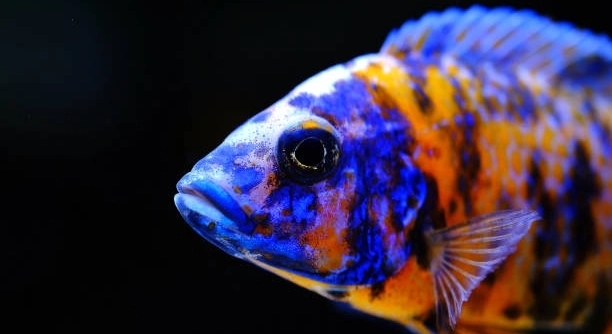
New convict cichlids are lively and colorful additions to any freshwater aquarium. Bringing them home can be exciting, but introducing them directly to an established tank may lead to unforeseen stress or health issues for your fish.
Quarantining new convict cichlids before adding them to a main aquarium is essential to prevent the spread of disease, allow for observation of health issues, and give the fish time to adapt to new water conditions safely.
Taking the time to quarantine your new cichlids ensures their well-being and helps maintain a healthy, balanced aquarium environment for all your fish.
Preventing Disease Spread
New convict cichlids may carry bacteria, parasites, or viruses that are not immediately visible. Introducing them directly to your main tank can put your established fish at risk. A quarantine period allows you to monitor for signs of illness, such as unusual swimming patterns, discoloration, or loss of appetite. During this time, any treatments can be administered safely without affecting the main tank’s delicate ecosystem. Observing your new cichlids closely also helps identify stress levels, which can impact their immune system. A clean, separate tank with controlled water parameters reduces the chance of disease transmission. Quarantining may feel like an extra step, but it is a simple and effective way to protect all the fish in your aquarium.
Quarantining keeps your tank healthy while giving new cichlids time to adjust and recover if needed. It’s a small effort for long-term benefits.
Regular observation during quarantine also helps you notice behavioral changes, such as aggression or hiding. Adjusting water temperature, feeding schedules, or adding mild treatments during this period can prevent minor issues from becoming serious problems. Additionally, quarantining makes it easier to acclimate fish to your tank’s water chemistry, reducing stress when they are finally introduced. Over time, this practice ensures stronger, healthier fish and a more balanced environment for every inhabitant of your aquarium.
Adjusting to New Water Conditions
Quarantine allows convict cichlids to adapt gradually to new water parameters without overwhelming stress.
New fish often experience shock from sudden changes in temperature, pH, or hardness. By isolating them, you can slowly adjust these factors to match your main tank. Gradual acclimation reduces the risk of illness caused by environmental stress. Monitoring their response also helps you identify ideal feeding routines and prevent overfeeding. A separate tank provides space to test water treatments, supplements, or medications safely. This controlled environment ensures the fish maintain strong immune function before joining the main tank. Over time, they become more resilient and less likely to trigger health issues among established fish. Maintaining this practice not only protects new arrivals but also supports overall aquarium stability, making the tank a safer and more enjoyable habitat.
Reducing Stress for New Fish
Quarantine provides a calm, controlled space for new convict cichlids. This separation reduces stress from aggressive tank mates and helps them settle into feeding and swimming routines.
Stress in new fish can lower immunity, making them more prone to infections. A separate tank lets them adjust to feeding schedules, water flow, and lighting without competition or harassment. Observing their behavior closely during this period can reveal signs of anxiety or illness that might go unnoticed in a busy main tank. By keeping new cichlids in a quiet, stable environment, you give them the best chance to grow stronger and develop normal social behaviors before joining the main community.
A calm quarantine environment also allows for careful monitoring of interactions with tank decorations and hiding spots. Providing ample shelter, smooth surfaces, and gentle filtration reduces sudden movements that could startle them. Gradual acclimation to these conditions teaches the fish to explore confidently and establish a routine. Over time, this reduces erratic swimming, aggression, or hiding once they move to the main tank, promoting a smoother transition and healthier overall behavior.
Observing Feeding and Growth Patterns
Quarantining new convict cichlids allows you to monitor eating habits and growth rates closely, ensuring they are healthy before adding them to the main tank.
During quarantine, you can track how much each fish eats, how quickly they adapt to prepared foods, and whether any display signs of malnutrition or digestive issues. Feeding in a smaller, controlled environment also makes it easier to detect food competition or picky eating behaviors that might otherwise go unnoticed. Regular observation helps you adjust diet type and portion sizes for optimal growth. It also provides insight into individual personalities, such as timid or dominant behavior, which can influence tank dynamics. Maintaining a consistent routine during quarantine encourages steady growth and strengthens the fish’s resilience.
Tracking growth patterns is essential for long-term tank success. Quarantine allows for weighing or measuring fish, noting changes in body shape, fin development, and coloration. Any sudden loss of weight or unusual appearance can be addressed immediately with treatments or diet adjustments, preventing larger issues once the fish joins the main aquarium. Observing feeding behavior also helps identify early signs of parasites or infections, which might not be visible externally. By carefully monitoring these aspects, you ensure that each cichlid is fully prepared for introduction, contributing to a balanced, healthy, and vibrant aquarium ecosystem.
Preventing Aggression
Quarantine helps reduce early aggression in new convict cichlids. Separating them prevents fights with established fish and allows them to develop confidence and social skills without stress.
Observing behavior during quarantine gives insight into temperaments. You can identify overly aggressive or overly timid fish and prepare strategies for smoother integration into the main tank.
Ensuring Water Quality Stability
A separate quarantine tank allows careful monitoring of water parameters without affecting the main aquarium. Sudden changes in pH, ammonia, or nitrates can be managed more easily in a smaller, controlled environment. Maintaining stable water quality ensures new cichlids adapt safely and remain healthy before introduction.
Treating Minor Illnesses
Quarantine gives the opportunity to treat minor illnesses immediately, preventing them from spreading. Early attention ensures your main tank remains safe and disease-free.
FAQ
How long should new convict cichlids be quarantined?
Most experts recommend a quarantine period of at least 2 to 4 weeks. This time allows for careful observation of behavior, appetite, and health. During this period, any signs of disease or stress can be addressed before introducing the fish to your main tank, reducing risks for all inhabitants.
What type of tank is best for quarantine?
A small, separate tank with stable water parameters works best. It should have a simple setup with a filter, heater, and hiding spots. Decorations can be minimal to make monitoring easier. The goal is a controlled environment that reduces stress and allows close observation.
How should I feed cichlids during quarantine?
Feed small, consistent portions once or twice daily. High-quality flakes, pellets, or frozen foods work well. Monitoring how much they eat helps identify picky eaters, digestive issues, or health problems early. Avoid overfeeding to maintain water quality and reduce stress on the fish.
Can I treat sick fish in the main tank?
It’s not recommended. Treating fish in the main tank can expose healthy fish to medications unnecessarily. A quarantine tank allows for targeted treatment, precise dosing, and careful observation of responses, ensuring safety for both sick and healthy fish.
How do I monitor water quality in quarantine?
Regular testing for pH, ammonia, nitrites, and nitrates is important. Small tanks can change quickly, so daily checks help maintain stability. Frequent partial water changes keep parameters steady, preventing stress and illness during this vulnerable period.
Should I quarantine fish that appear healthy?
Yes. Even healthy-looking fish may carry parasites or bacteria that are not immediately visible. Quarantining ensures they are truly fit for your main tank and prevents potential outbreaks. This precaution protects both new and established fish.
How do I introduce quarantined fish to the main tank?
Acclimate fish slowly by matching water temperature and chemistry between the quarantine and main tanks. Gradually mix small amounts of main tank water into the quarantine tank over several hours. This process reduces shock and helps fish transition smoothly to their new environment.
What signs of illness should I watch for?
Look for faded colors, clamped fins, rapid breathing, unusual swimming patterns, or loss of appetite. Early detection allows treatment before problems escalate. Observing fish in a quiet quarantine environment makes spotting these signs much easier than in a busy main tank.
Can I quarantine multiple new fish together?
Yes, if they are similar in size and temperament. However, monitor closely for aggression or bullying. Separate individuals if conflicts arise. Quarantine is about safety and observation, so maintaining harmony among new fish is important.
Do I need live plants in the quarantine tank?
Live plants are optional. They can reduce stress and provide hiding spots, but minimal setups are easier to clean and monitor. Plastic plants or simple hiding shelters are sufficient for observation and treatment during the quarantine period.
How often should water changes occur in quarantine?
Perform small, frequent water changes, usually 20-30% every few days. This maintains water quality without shocking the fish. Frequent changes reduce waste buildup and prevent conditions that might promote disease during this critical adjustment phase.
When is it safe to move fish to the main tank?
Once fish show healthy behavior, consistent appetite, and stable water parameters, they can be introduced. Make sure no signs of disease are present and acclimate them slowly to avoid stress. This ensures a smooth and safe integration into your main aquarium.
Can quarantine reduce aggression in future tank interactions?
Yes. Giving fish time to settle in a separate tank allows them to build confidence and learn normal social behaviors. Once introduced, they are less likely to act overly aggressive or stressed, improving harmony in your main aquarium.
Is medication always necessary during quarantine?
No. Medication is only needed if signs of illness or parasites appear. Quarantine allows observation, and healthy fish may not require treatment. Avoiding unnecessary medication prevents disrupting the fish’s immune system and the balance of your main tank.
What equipment is essential for quarantine?
A quarantine tank needs a reliable filter, heater, thermometer, test kits for water quality, and simple hiding spots. Additional items like air stones or gentle circulation can reduce stress. Keeping the setup minimal makes monitoring and treatment easier while still providing comfort for the fish.
How do I handle fish safely during quarantine?
Minimize handling to reduce stress. Use soft nets, and always wash hands before and after contact. If treatment or transfers are needed, do so calmly and carefully. Gentle handling during quarantine protects both the fish and the stability of the tank environment.
How can quarantine improve overall aquarium health?
Quarantine prevents disease introduction, reduces stress, and allows observation of new fish. It ensures that only healthy, acclimated fish enter the main tank, protecting all inhabitants. This practice promotes a balanced ecosystem, reduces outbreaks, and supports the long-term well-being of your aquarium community.
How long should monitoring continue after quarantine?
Even after introduction, continue to observe fish closely for at least a week. Watch feeding, swimming, and interactions. This period ensures that the transition is successful and that no hidden health issues appear after the move to the main tank.
Does quarantine work for all fish species?
Yes, it is a recommended practice for most freshwater and many saltwater species. While duration and setup may vary, the principle of separating new fish to monitor health and reduce stress applies broadly, making it a standard part of responsible fishkeeping.
Can quarantine help with breeding behavior?
Quarantine can help prepare convict cichlids for breeding by reducing stress and ensuring optimal health. Healthy, well-adjusted fish are more likely to display natural breeding behaviors once moved to the main tank, increasing the chances of successful reproduction.
How important is temperature control in quarantine?
Temperature control is critical. Sudden changes can cause stress and weaken immunity. Maintaining stable water temperature that matches the main tank helps fish acclimate safely and reduces the likelihood of illness during quarantine.
Final Thoughts
Quarantining new convict cichlids is one of the simplest steps you can take to protect the health of your aquarium. Although it might seem like extra work, the benefits far outweigh the effort. A separate tank allows you to observe each fish closely for any signs of illness, stress, or unusual behavior before they are introduced to your main tank. This observation period is critical because many diseases or parasites are not immediately visible. Even healthy-looking fish can carry infections that could spread quickly to established tank inhabitants. By quarantining new arrivals, you prevent potential outbreaks and ensure that all fish have the best chance to thrive in a safe and balanced environment.
Quarantine also gives new cichlids time to adapt to the water conditions and environment of your home aquarium. Fish coming from pet stores, breeders, or other tanks often experience sudden changes in water chemistry, temperature, or light. These changes can cause stress and weaken their immune system, making them more vulnerable to disease. In a quarantine tank, you can control these conditions more carefully, gradually adjusting water parameters to match the main tank. This slow acclimation reduces shock and helps the fish build strength and confidence. It also allows you to monitor their feeding habits and growth patterns, ensuring that they are healthy and eating properly before introducing them to the main community.
Finally, quarantining new convict cichlids promotes a smoother integration into your main aquarium. Fish that have been observed, treated if necessary, and allowed to adjust in a separate tank are less likely to display extreme aggression or stress when they meet established tank mates. They enter the main tank healthier, calmer, and more resilient, which benefits the overall balance of the aquarium. Taking the time for quarantine is not just about preventing disease; it is about supporting the long-term well-being of every fish in your care. In the end, a few weeks of preparation and careful observation can save you from much larger problems, keeping your aquarium vibrant, stable, and enjoyable for years to come.

Hello,
If you enjoy the content that we create, please consider saying a "Thank You!" by leaving a tip.
Every little bit helps us continue crafting quality advice that supports the health, happiness, and well-being of pets around the world, for pets of all shapes, sizes, and species.
We really appreciate the kindness and support that you show us!