
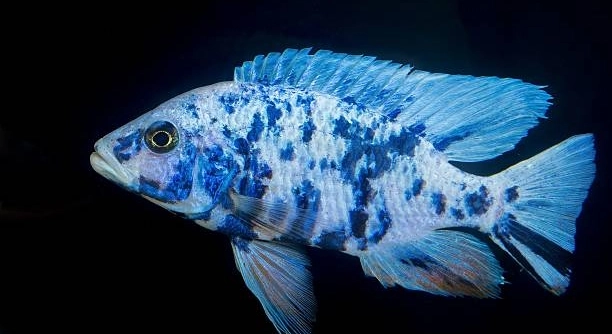
Keeping a peaceful cichlid tank can be both enjoyable and challenging. Some fish are naturally aggressive, while others prefer calm environments. Choosing the right companions ensures your aquarium stays harmonious and stress-free for all inhabitants.
The best tankmates for peaceful cichlids include larger, non-aggressive fish species such as certain catfish, rainbowfish, and tetras. These species coexist well due to their temperaments, size compatibility, and minimal competition for territory, helping maintain a stable and balanced aquatic environment.
Selecting suitable companions requires careful observation and planning. Each choice can impact your cichlids’ behavior and overall tank harmony.
Catfish: Gentle Bottom Dwellers
Catfish are excellent choices for peaceful cichlid tanks because they spend most of their time at the bottom. Their calm behavior and scavenging habits keep the tank clean without disturbing more active cichlids. Many species, like Corydoras or Plecos, can grow to match your cichlids’ size, reducing potential conflicts. Their armored bodies provide extra protection, and they rarely compete for food aggressively. Catfish also help control leftover food, which prevents water quality issues. With a variety of species available, you can choose ones that suit your tank size and aesthetic preferences. Their presence adds movement at lower levels, balancing activity across the aquarium. Catfish are social in small groups, so keeping two or three together often enhances their comfort. They adapt well to standard water conditions, making them reliable tankmates for cichlids that prefer calm environments. Over time, you may notice less aggression as both species establish their own territories and routines in the tank.
Catfish coexist well with cichlids due to their non-territorial nature and complementary feeding habits, creating harmony at the tank’s lower levels.
Keeping catfish requires proper substrate and hiding spots to ensure comfort. Soft sand or smooth gravel prevents injuries, while driftwood or caves give them spaces to rest. Feeding should be regular but not excessive, as overfeeding can harm water quality. Observing interactions between cichlids and catfish is important, especially during breeding periods, as territorial behavior can increase. Maintaining stable water conditions helps both species thrive. Over time, cichlids usually ignore catfish, recognizing them as non-threatening companions. Adding a few catfish can transform your tank dynamics, making it more active without introducing stress. Their quiet presence provides visual interest while contributing to overall tank health. The balance between mid-level cichlids and bottom-dwelling catfish creates a layered, natural look. As they adapt, you may notice subtle behavioral shifts, indicating comfort and acceptance within the shared environment.
Rainbowfish: Active Mid-Level Swimmers
Rainbowfish bring color and movement to the middle levels of a tank. Their peaceful temperament allows them to swim alongside cichlids without provoking aggression.
Rainbowfish are ideal because they occupy different swimming zones than most cichlids, reducing competition. They are schooling fish, so keeping at least six is recommended. Their bright hues enhance tank aesthetics and provide visual variety. Rainbowfish adapt to similar water conditions as many peaceful cichlids, making maintenance straightforward. Feeding is simple, as they accept flakes, pellets, and live foods. Their active swimming stimulates a dynamic environment without creating stress. Breeding is generally easy, producing small eggs that can coexist with other tank inhabitants if removed or protected. Rainbowfish display schooling behavior, which adds movement and balance to a tank dominated by territorial cichlids. Watching them interact is enjoyable, as their synchronized swimming can be calming. Proper tank plants and open swimming areas are essential for their comfort. The combination of cichlids and rainbowfish can make the aquarium visually engaging and behaviorally stable, with both species occupying distinct niches. Regular observation ensures that all species remain healthy and that the rainbowfish continue to thrive alongside their tankmates without conflict.
Tetras: Small and Peaceful
Tetras are small, calm fish that work well with peaceful cichlids. They swim in groups, reducing stress and adding activity to the mid-level of the tank. Their gentle nature makes them unlikely to provoke aggression from cichlids.
Tetras thrive in schools of six or more, which keeps them confident and active. Their small size allows them to occupy spaces cichlids often ignore, reducing competition for territory. Feeding is simple, as they accept flakes, micro-pellets, and tiny live foods. They prefer planted tanks with open swimming areas, which provide safety and encourage natural behaviors. Observing their schooling patterns adds a sense of liveliness without causing tension among other fish.
Keeping tetras requires attention to water quality, as they are sensitive to rapid changes. Stable conditions and regular maintenance help them remain healthy. They are excellent companions for non-aggressive cichlids, creating a balanced tank dynamic. Tetras often move in synchronized patterns, giving a calming visual contrast to larger, slower-moving cichlids. Their adaptability makes them a reliable choice for aquariums where harmony and gentle interactions are important.
Gouramis: Calm and Colorful
Gouramis are peaceful fish that add color and calm presence to a cichlid tank. Their slow movements reduce stress among more active cichlids.
Gouramis prefer mid to upper water levels, which complements cichlids that stay lower or mid-level. They enjoy hiding spots among plants and benefit from tall decorations or floating plants. Gouramis feed on flakes, pellets, and occasional live foods, making care simple. Breeding gouramis can be interesting, but they generally do not disturb other tankmates. Their temperament is gentle, and they rarely compete for food or space. Maintaining good water quality and moderate lighting helps them feel secure.
Choosing gouramis requires observing tank interactions at first. Some individuals may be slightly territorial, especially males, so keeping more space and hiding areas is recommended. Pairing them with mid to large peaceful cichlids usually works well, as their behaviors are complementary rather than conflicting. Gouramis’ colors, from blues to reds, add a soft visual contrast to cichlids’ bolder tones. Watching them glide slowly among plants creates a relaxed atmosphere. Their ability to occupy upper levels while cichlids dominate mid and lower zones helps balance activity across the tank. This careful zoning reduces stress and allows both species to thrive without interference.
Danios: Fast and Hardy
Danios are energetic fish that tolerate a variety of water conditions. Their speed and playful nature keep them active without disturbing peaceful cichlids.
These fish thrive in schools, so keeping at least five ensures confidence and consistent movement. Their small size and non-aggressive behavior make them easy companions for cichlids, adding lively activity throughout the tank.
Mollies: Adaptable Surface Swimmers
Mollies are versatile fish that occupy upper water levels. They coexist with peaceful cichlids because they rarely compete for space or food. Their tolerance for different water parameters makes them easy to maintain. Feeding mollies is straightforward, as they accept flakes, pellets, and occasional live foods, reducing care complexity.
Swordtails: Colorful and Calm
Swordtails bring bright colors and gentle movement to a tank. They generally remain non-aggressive, making them compatible with peaceful cichlids.
Otocinclus: Tiny Algae Cleaners
Otocinclus are small, peaceful fish that focus on cleaning algae. They rarely interact aggressively with cichlids, making them excellent low-maintenance companions.
What makes a cichlid tank peaceful?
A peaceful cichlid tank depends on proper selection of tankmates, tank size, and environment setup. Avoid aggressive or territorial fish that may provoke conflicts. Include hiding spots, plants, and rocks to give fish areas to retreat. Consistent water quality and proper feeding routines also reduce stress and aggression.
Which fish are safest with peaceful cichlids?
Safe tankmates are usually non-aggressive and occupy different zones than cichlids. Catfish, tetras, rainbowfish, gouramis, danios, mollies, swordtails, and otocinclus are reliable choices. Their temperaments and size complement peaceful cichlids, reducing chances of conflict. Avoid overly small or aggressive species that may trigger fights.
Can I mix different cichlid species?
Mixing cichlid species is possible if they are similarly peaceful and of compatible size. Always observe behaviors carefully, especially during feeding or breeding. Larger tanks with distinct territories help reduce competition. It is important to avoid overly aggressive cichlids or species that dominate tank space.
How many tankmates should I add?
The number of tankmates depends on tank size and cichlid behavior. Overcrowding increases stress and aggression. Start with small groups, like 3–6 schooling fish or a few bottom dwellers. Monitor interactions and expand slowly while ensuring sufficient hiding spots and swimming space.
What are signs of stress in peaceful cichlids?
Signs of stress include hiding excessively, loss of color, reduced appetite, or unusual aggression. Rapid swimming or constant chasing also indicates discomfort. Stress may result from poor water quality, incompatible tankmates, or insufficient territory. Adjusting the environment often restores balance and calm behavior.
Do tankmates need similar water conditions?
Yes, compatible water conditions are essential. Most peaceful cichlids prefer neutral to slightly alkaline water with moderate temperatures. Choose tankmates that thrive under the same conditions. Regular monitoring of pH, temperature, and cleanliness ensures all species remain healthy and minimizes stress-related behavior.
How can I reduce aggression in a mixed tank?
Provide hiding spots, caves, and plants to break lines of sight. Avoid overcrowding and maintain stable water conditions. Distribute food evenly to prevent competition. Choosing compatible species and giving each fish adequate territory are key to minimizing aggression over time.
Are schooling fish better for cichlid tanks?
Yes, schooling fish like tetras, danios, and rainbowfish feel safer in groups. Their movement creates visual interest without threatening cichlids. Keeping them in appropriate group sizes helps reduce stress and encourages natural behaviors, contributing to a balanced and peaceful tank environment.
Should I separate fish during breeding?
Yes, peaceful cichlids can become territorial during breeding. Temporarily isolating the breeding pair prevents stress or attacks on other fish. Provide hiding spots and monitor interactions. Once fry are grown or breeding ends, fish can usually rejoin the main tank safely.
How do I maintain harmony long-term?
Regular maintenance, stable water conditions, and careful observation are essential. Avoid sudden changes in environment or adding aggressive species. Adjust stocking levels gradually and provide a mix of hiding spaces and open swimming areas. Over time, peaceful cichlids and compatible tankmates develop stable routines and coexist well.
Can bottom dwellers coexist with mid-level cichlids?
Yes, bottom dwellers like catfish and otocinclus occupy areas that cichlids usually ignore. This zoning reduces territorial conflicts. Providing hiding areas and appropriate substrate ensures comfort. Over time, both species adapt to each other’s presence, creating a harmonious tank with activity across multiple levels.
What should I feed peaceful cichlid tankmates?
Feed according to each species’ dietary needs. Flakes and pellets work for most mid-level fish. Bottom dwellers benefit from sinking wafers or algae-based foods. Offer variety, but avoid overfeeding to maintain water quality. Regular feeding schedules also help reduce stress and prevent aggressive behavior.
Can small fish survive with larger cichlids?
Small fish can survive if they are fast, schooling, or occupy different zones than cichlids. Very tiny species may become targets, so choose moderately sized, peaceful companions. Observing interactions and providing escape areas ensures both species coexist safely.
Is plant coverage important in a peaceful cichlid tank?
Yes, plants provide hiding spaces and reduce stress. They also improve water quality and mimic natural habitats. Floating plants, tall stems, and dense sections allow fish to establish territories without constant confrontation. Planting strategically balances tank activity and keeps both cichlids and companions comfortable.
How do I introduce new fish safely?
Quarantine new fish before adding them to prevent disease. Introduce them slowly, ideally during feeding times, to reduce stress. Observe their interactions carefully for the first few days. Adding new fish gradually allows cichlids to adjust, minimizing territorial disputes and helping maintain a peaceful tank.
Are algae eaters necessary in a peaceful cichlid tank?
Algae eaters like otocinclus help control unwanted growth. They occupy the bottom and rarely disturb cichlids. While not strictly necessary, they improve tank cleanliness and reduce manual maintenance, contributing to overall harmony in a mixed-species environment.
Can I mix fast swimmers with slow cichlids?
Yes, fast swimmers like danios or rainbowfish usually avoid conflict because they occupy different swimming spaces. Their speed adds liveliness, while slow cichlids maintain their territory without interference. Proper tank layout ensures both types of fish coexist without stress or competition.
How important is monitoring behavior regularly?
Observing fish behavior is crucial for long-term peace. Early signs of stress, aggression, or illness allow quick intervention. Adjusting tank layout, hiding spots, or stocking levels prevents conflicts and ensures all species remain healthy and comfortable in a shared environment.
Can peaceful cichlids share a tank with aggressive species occasionally?
It is not recommended. Even occasional aggressive fish can trigger long-term stress and disrupt established routines. Keeping only compatible, calm species ensures stability. If aggressive fish must be added, separate tanks or temporary isolation are safer options.
What is the ideal tank size for multiple species?
A larger tank reduces competition and stress. Mid-sized to large aquariums allow zoning for bottom dwellers, mid-level swimmers, and upper-level fish. Adequate space, hiding areas, and swimming zones are essential to maintain balance and prevent conflicts between cichlids and other tankmates.
How can I encourage natural behaviors in a mixed tank?
Provide varied environments, including plants, rocks, and open swimming areas. Feed a balanced diet and maintain stable water conditions. Observe fish interactions and adjust territories as needed. Encouraging natural behaviors ensures cichlids and companions remain healthy, active, and stress-free.
What common mistakes should I avoid with peaceful cichlids?
Avoid overcrowding, aggressive tankmates, and sudden water changes. Neglecting hiding spots or feeding routines can also increase stress. Careful species selection, regular maintenance, and monitoring behavior are key to creating a stable, peaceful tank that allows all fish to thrive.
This FAQ addresses the most important concerns for maintaining a peaceful cichlid tank, guiding proper species selection, environment setup, and care practices. By following these strategies, harmony among cichlids and their tankmates is achievable.
Keeping a peaceful cichlid tank can be very satisfying if done correctly. Choosing the right tankmates is the most important step. Fish like catfish, tetras, rainbowfish, gouramis, danios, mollies, swordtails, and otocinclus are all good options because they have calm temperaments and rarely provoke aggression. These fish occupy different parts of the tank, which helps reduce territorial disputes. By providing enough space, hiding spots, and proper water conditions, you can create an environment where all fish coexist without constant stress. Observing their behavior over time is also key, as it helps you understand how each species interacts and allows you to make small adjustments to maintain harmony.
Feeding and care routines play a big role in keeping a peaceful tank. Overfeeding or inconsistent feeding can lead to competition and stress. Offering food suited to each species and distributing it evenly can prevent conflicts. Bottom dwellers, like catfish and otocinclus, prefer sinking foods, while mid-level and surface swimmers benefit from flakes, pellets, or occasional live foods. Regular water testing and maintenance are equally important, as stable water conditions support overall health and reduce aggression. Even small changes, like adding a few more plants or rearranging decorations, can help fish establish territories and feel secure. A well-maintained tank encourages natural behaviors and keeps both cichlids and their companions active and stress-free.
Patience and observation are essential when keeping a mixed tank. It may take time for fish to adjust to one another, and occasional minor disputes are normal. By carefully selecting species, providing adequate space, and maintaining consistent care, most peaceful cichlids can live alongside compatible tankmates successfully. Over time, you will notice that the tank becomes more balanced, with each fish occupying its preferred zone and moving comfortably around the space. Maintaining a peaceful aquarium is not just about choosing the right fish, but also about creating an environment that meets their needs. With attention, care, and careful observation, a peaceful cichlid tank can be a calm, colorful, and enjoyable space for both the fish and the owner.

Hello,
If you enjoy the content that we create, please consider saying a "Thank You!" by leaving a tip.
Every little bit helps us continue crafting quality advice that supports the health, happiness, and well-being of pets around the world, for pets of all shapes, sizes, and species.
We really appreciate the kindness and support that you show us!