
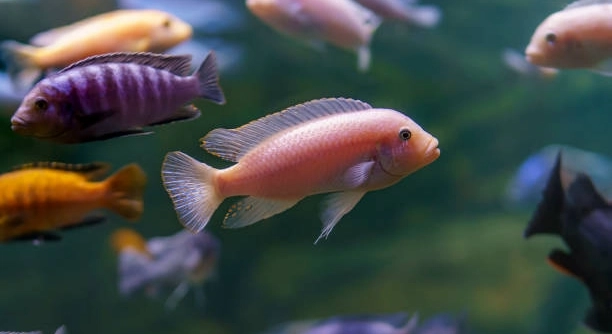
Cichlids are fascinating fish that can brighten any aquarium with their colors and personality. Sometimes, their behavior shifts suddenly, leaving owners puzzled about what caused the change and how to respond appropriately.
Sudden changes in cichlid behavior are usually linked to environmental stressors, health issues, or social dynamics. Variations in water quality, tank mates, diet, and breeding conditions can all trigger noticeable differences in activity, aggression, or feeding patterns.
Learning the reasons behind these changes can help you manage your aquarium more effectively and keep your fish healthy and comfortable.
Changes in Water Quality
Cichlids are very sensitive to the conditions in their tank. Even small changes in temperature, pH, or hardness can make them act differently. Cloudy water, leftover food, or high ammonia levels may stress them out, causing hiding, aggression, or reduced appetite. Regular testing and partial water changes are important. Keeping water parameters stable allows your cichlids to feel secure and behave normally. Adding proper filtration and avoiding overcrowding helps maintain balance in the tank. Sometimes, a sudden change in behavior happens after introducing new decor or rearranging plants. These shifts can temporarily unsettle fish, making them swim erratically or fight more. Observing your fish closely during these times helps you understand what they need. Slow adjustments and careful monitoring prevent stress and promote healthy behavior. Cichlids thrive best in a consistent environment with clean water, proper temperature, and minimal sudden changes.
Testing water frequently and keeping it clean prevents most behavior issues in cichlids. Stability is key.
Monitoring water quality and observing your cichlids daily can prevent stress. Consistent care ensures they stay active, eat well, and interact normally with tank mates.
Social Dynamics and Tank Mates
Aggression or sudden shyness can appear if new fish are introduced.
Cichlids have complex social hierarchies, and interactions with other tank mates strongly influence their behavior. Adding a new fish may disrupt established pecking orders, causing some cichlids to hide while others act more aggressively. Territory disputes can arise, especially in smaller tanks or when multiple males are present. Even subtle differences in size or coloration can lead to dominance struggles. Observing interactions helps identify which fish are stressed or bullied. Providing enough hiding spaces and visual barriers reduces tension and allows fish to establish territories safely. Sometimes separating aggressive fish temporarily can restore calm in the tank. Over time, cichlids often adjust to newcomers, but monitoring their behavior during this period is essential to prevent injury or long-term stress. Tank layout and careful pairing can greatly improve harmony among cichlids, making their environment more stable and comfortable for all inhabitants.
Diet and Feeding Habits
Changes in feeding schedules or food types can make cichlids act differently. Skipping meals or offering unfamiliar food may reduce appetite or increase aggression.
Cichlids rely on a consistent diet to maintain energy and health. Sudden changes in food type, quantity, or frequency can confuse them and affect behavior. Overfeeding can lead to bloating and lethargy, while underfeeding may increase aggression during feeding times. Some cichlids develop favorites and may refuse new foods entirely. Monitoring how your fish respond to different foods helps ensure they receive balanced nutrition. Including variety, like pellets, frozen, and occasional live foods, keeps them interested and supports healthy behavior. Small, frequent meals often work better than large, irregular feedings.
Observing their reactions during feeding is essential. Noting which foods cause excitement or stress helps adjust their diet for a calmer, healthier tank environment.
Breeding and Territorial Behavior
Cichlids become protective and aggressive during breeding periods, which is normal. This behavior often includes chasing, hiding, and guarding specific areas.
Territorial instincts grow stronger when cichlids prepare to mate or guard eggs. Males often claim spaces and display vivid colors to attract females, while females may become more defensive around their chosen nesting sites. Conflicts can arise if territories overlap or the tank is too small. Providing separate hiding spaces and visual barriers helps reduce fights. Recognizing these behaviors prevents unnecessary stress and ensures all fish remain safe during this period. Some cichlids even become more active at night or change feeding patterns while breeding. Careful observation allows owners to maintain balance in the tank and adjust the layout or population if necessary.
Managing territory and observing interactions carefully minimizes injury risks and keeps breeding pairs comfortable. Providing extra space and hiding spots allows cichlids to maintain natural behaviors without causing excessive stress.
Illness and Health Issues
Sick cichlids often change behavior, becoming lethargic, hiding, or refusing food. Early detection helps prevent serious illness and supports faster recovery.
Pay attention to signs like faded colors, rapid gill movement, or unusual swimming. Prompt treatment and quarantine can protect the rest of the tank.
Lighting and Environment
Too much or too little light can stress cichlids and affect their activity. They thrive with a stable day-night cycle.
Bright lights may cause hiding or aggression, while dim areas encourage exploration. Adjusting lighting gradually helps fish adapt and maintain normal behavior patterns.
Stress from Handling and Changes
Cichlids may react poorly to frequent netting, tank rearrangements, or sudden noise. Limiting disturbances reduces anxiety and supports healthy interactions.
Handling should be minimal and slow. Moving decorations or adding new fish gradually helps them feel secure. Consistency in care routines keeps stress levels low.
FAQ
Why is my cichlid hiding all the time?
Hiding is usually a sign of stress, illness, or discomfort. It can happen when water quality changes, tank mates are aggressive, or the fish feels threatened. Ensuring clean water, stable conditions, and plenty of hiding spots helps cichlids feel secure and reduce constant hiding behavior.
What causes sudden aggression in cichlids?
Aggression often arises from territorial disputes, breeding instincts, or competition for food. Male cichlids are naturally territorial, especially in smaller tanks. Providing enough space, hiding areas, and monitoring social interactions can help control aggressive behavior and maintain a calmer environment for all fish.
Why is my cichlid not eating?
Loss of appetite can result from stress, illness, poor water quality, or sudden changes in diet. Sick or stressed fish may refuse food. Offering familiar foods, keeping the tank clean, and checking for signs of disease can restore normal feeding patterns. Sometimes minor environmental adjustments are enough to get them eating again.
Can tank size affect behavior?
Yes, overcrowding increases stress and aggression. Cichlids need space to establish territories and swim freely. Small tanks can lead to constant fights, hiding, or unusual behaviors. Choosing an appropriate tank size and adding decorations or partitions helps reduce conflicts and supports natural activity.
How does water temperature impact cichlid behavior?
Temperature affects metabolism and energy levels. If the water is too cold, cichlids may become lethargic and hide more. Too warm can increase aggression or rapid breathing. Keeping a stable temperature suited for the specific species encourages regular feeding, swimming, and social interactions.
Why do my cichlids chase each other suddenly?
Chasing is often related to breeding, territorial disputes, or competition for food. During these periods, dominant fish assert control, while others defend their space. Observing interactions and adding hiding spaces or rearranging the tank can help reduce stress and prevent injury.
Can lighting changes influence cichlid behavior?
Yes, abrupt changes in lighting can startle cichlids and make them act nervously or hide. Maintaining a consistent day-night cycle and using gradual transitions in light intensity helps fish adjust and keeps behavior stable. Avoid bright or direct light without shaded areas.
Do cichlids get stressed from handling?
Frequent netting, moving them between tanks, or rearranging decorations can stress cichlids. Stress may lead to hiding, loss of appetite, or aggression. Minimizing handling and performing slow, careful adjustments allows them to feel secure and maintain normal behavior patterns.
How can I tell if my cichlid is sick?
Signs include faded colors, frayed fins, rapid gill movement, lethargy, or unusual swimming patterns. Early detection is important. Quarantining affected fish and treating the specific illness helps recovery and protects the rest of the tank. Observing behavior closely gives valuable clues about their health.
What should I do if my cichlid suddenly changes behavior?
Check water quality, tank mates, diet, temperature, and recent changes in the tank. Observing patterns helps identify the cause. Adjusting the environment, offering proper nutrition, and monitoring social dynamics usually restores normal behavior. Prompt action prevents stress and potential health issues in your fish.
Can diet affect behavior?
Yes, sudden changes in food type or feeding frequency can cause lethargy, aggression, or refusal to eat. Balanced nutrition with variety keeps cichlids active and calm. Small, frequent meals and introducing new foods gradually reduces stress and helps maintain consistent behavior.
Is breeding the only reason for aggression?
No, aggression can also result from social hierarchy, overcrowding, or limited resources. Breeding amplifies natural territorial instincts, but other factors like tank layout, size, and the number of fish contribute. Adjusting the environment and observing interactions prevents unnecessary conflicts.
How long does it take for behavior to return to normal?
It depends on the cause. Minor stress or temporary environmental changes may resolve within days. Health issues, aggressive interactions, or long-term water quality problems may take weeks. Consistent care, monitoring, and gradual adjustments help restore stable behavior more quickly.
Can rearranging decorations upset cichlids?
Yes, sudden changes in their environment can trigger stress and territorial disputes. Rearranging should be done gradually or with plenty of hiding spots. This gives cichlids time to adjust while maintaining normal activity and social behaviors.
Are some cichlid species more prone to behavioral changes?
Yes, certain species are naturally more territorial or sensitive. Mbuna, for example, show frequent aggression if overcrowded. Angelfish may hide more when stressed. Knowing the species’ temperament helps plan tank size, mates, and decorations to minimize sudden behavior shifts.
What role does water hardness play in behavior?
Water hardness affects their comfort and biological balance. Incorrect levels can stress cichlids, causing hiding, aggression, or appetite changes. Testing and adjusting hardness for the specific species keeps behavior stable and supports overall health.
How can I prevent sudden behavioral changes?
Maintaining consistent water conditions, proper diet, appropriate tank size, and monitoring social interactions reduces sudden shifts. Gradual adjustments when adding fish or changing the environment help cichlids feel secure. Regular observation ensures early detection of stress or illness, keeping behavior predictable and healthy.
Why do some cichlids become more active at night?
Activity changes can result from stress, light cycles, or natural nocturnal behavior in some species. Providing a stable day-night schedule and quiet environment ensures normal daytime activity while accommodating natural variations in energy levels.
Can tank noise affect behavior?
Loud vibrations, tapping, or sudden movement can stress cichlids, causing hiding or erratic swimming. Minimizing disturbances around the aquarium and creating quiet areas helps them feel secure and reduces behavioral fluctuations.
Do water changes affect behavior?
Yes, both frequency and volume matter. Sudden large changes can temporarily stress fish, while regular, small water changes maintain water quality and stability. Consistent maintenance keeps behavior predictable and reduces aggression or hiding caused by unstable conditions.
Is it normal for cichlids to fight occasionally?
Yes, occasional skirmishes are natural, especially among males establishing territories. Constant or severe fighting signals stress, overcrowding, or poor tank setup. Providing space, hiding spots, and observing interactions helps manage conflicts without harming fish.
Can illness cause long-term behavior changes?
Yes, untreated illness can lead to lasting lethargy, aggression, or feeding problems. Early detection, quarantine, and proper treatment are essential. Maintaining overall tank health prevents recurrent stress and ensures cichlids return to normal activity and social patterns.
How important is observation for behavior management?
Watching your cichlids daily helps detect early signs of stress, illness, or social issues. Regular observation allows timely adjustments in water, diet, or tank setup, keeping behavior stable and supporting overall health and well-being.
Caring for cichlids requires paying close attention to their behavior and environment. These fish are sensitive to changes in water quality, temperature, and tank conditions. Even small fluctuations can make them act differently, from hiding to sudden aggression. Regular water testing, partial water changes, and maintaining a stable temperature help keep them comfortable. Proper filtration and careful monitoring of pH, hardness, and ammonia levels also reduce stress and prevent behavior problems. Overcrowding is another common cause of sudden behavior changes. Giving cichlids enough space to establish territories and move freely is essential. A tank that is too small can increase aggression, hiding, or unusual swimming patterns. Providing hiding spots, plants, and decorations helps fish feel secure. Rearranging these elements should be done gradually to prevent unnecessary stress. Observing your cichlids daily allows you to notice small changes before they become serious issues.
Feeding and nutrition also play a significant role in behavior. Sudden changes in diet or feeding schedules can make cichlids more aggressive, lethargic, or reluctant to eat. They respond best to a consistent routine with balanced food, including pellets, frozen options, and occasional live foods. Overfeeding can lead to bloating and lethargy, while underfeeding may increase aggression during meals. Some cichlids develop preferences for certain foods and may refuse new options at first. Introducing changes gradually and monitoring how they respond helps maintain normal behavior. It is also important to consider species-specific needs. Some cichlids are naturally more territorial or sensitive, so their behavior may appear more dramatic even under normal conditions. Understanding the natural tendencies of each species helps in setting up the right tank size, choosing suitable tank mates, and providing the appropriate environment. This awareness reduces stress for both the fish and the owner.
Health issues are another factor that can cause sudden behavioral changes. Sick or injured cichlids often become lethargic, hide frequently, or lose interest in food. Early detection of illness is crucial for recovery and for preventing the spread of disease to other fish. Observing for signs such as faded colors, frayed fins, rapid gill movement, or unusual swimming patterns allows prompt intervention. Quarantining affected fish and treating the specific illness supports a healthier tank overall. Even minor stress from handling, loud noises, or sudden environmental changes can affect behavior. Limiting disturbances, keeping a stable routine, and providing a quiet, consistent environment allows cichlids to feel secure. With careful observation, proper care, and attention to their environment, diet, and health, sudden changes in behavior can often be prevented or corrected, helping cichlids thrive and maintain their natural activity.

Hello,
If you enjoy the content that we create, please consider saying a "Thank You!" by leaving a tip.
Every little bit helps us continue crafting quality advice that supports the health, happiness, and well-being of pets around the world, for pets of all shapes, sizes, and species.
We really appreciate the kindness and support that you show us!