
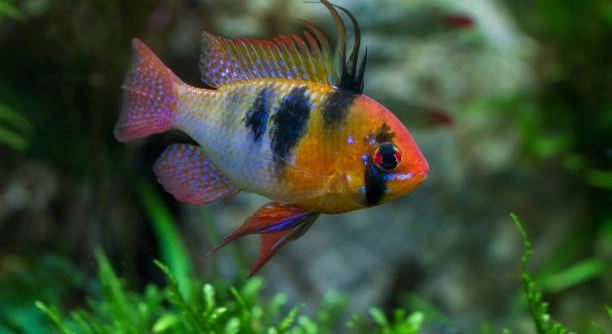
Starting a new tank with cichlids can be exciting, but it can also be stressful for the fish. Observing their behavior early helps ensure they adjust well to the new environment without lasting health problems.
Cichlids often show stress through changes in appetite, erratic swimming, faded colors, hiding more than usual, fin clamping, rapid gill movement, or aggression. Recognizing these warning signs early can prevent disease and improve survival in new tanks.
Watching for these behaviors can make a big difference in your cichlids’ health. Knowing what to look for helps you create a calmer, safer environment for them.
Faded Colors
Stress in cichlids often shows through faded or dull colors. Healthy cichlids usually display vibrant hues, but when stressed, their colors may become muted or pale. This can happen due to poor water conditions, sudden changes in environment, or aggressive tankmates. Color loss is not just cosmetic; it indicates internal stress that can affect immune response and overall health. Cichlids under stress may also retreat more often or hide behind decorations, making color changes more noticeable. Improving water quality, maintaining consistent temperature, and minimizing disturbances can help restore their natural appearance. Stress-related color fading can take days or weeks to reverse, depending on how quickly the environment stabilizes. Adding plants or safe hiding spots can make them feel secure. Observing their colors daily allows you to catch early signs before serious health problems develop. Healthy, bright colors reflect both physical well-being and reduced stress levels in your fish.
Faded colors signal stress and show that your cichlids need a calmer, more stable environment immediately.
Restoring color requires careful attention to water conditions and tank setup. Providing hiding spots and reducing aggressive interactions allow cichlids to regain confidence. Feeding nutritious food and keeping a consistent schedule helps boost immune health. Color gradually returns as stress decreases, showing the fish are adjusting well to their surroundings.
Fin Clamping
Fin clamping is a common stress indicator where cichlids hold their fins close to their bodies. This reduces their ability to swim naturally and can indicate discomfort from water quality, temperature changes, or aggressive tankmates. Clamped fins also make them more vulnerable to infections and injuries. Maintaining stable water parameters and observing interactions among fish is crucial. Providing sufficient space, hiding spots, and minimal disturbances helps them relax. In some cases, fin clamping may also be linked to illness, so careful monitoring for other symptoms is important. Stress reduction through proper tank care improves fin condition and prevents long-term damage. Adjusting diet and ensuring proper nutrition supports recovery, as weak or undernourished fish are more prone to keep fins clamped. With attentive care, fin clamping can reverse, reflecting improved comfort and reduced stress in the tank environment.
Fin clamping indicates discomfort, signaling that immediate environmental adjustments are needed for healthier fish behavior.
Clamped fins are a visible stress response that should not be ignored. Fish may hold fins tight due to poor water conditions, aggressive neighbors, or sudden changes in their surroundings. This behavior affects swimming efficiency and can weaken the fish over time. Checking water quality regularly, maintaining consistent temperature, and arranging safe spaces in the tank help cichlids feel secure. Providing a varied diet and monitoring health daily supports recovery. Over time, fins begin to spread naturally again, showing that the fish are adjusting well. Observing interactions with other tankmates is equally important, as constant aggression can prolong stress. With patience, proper care, and attention to tank conditions, fin clamping usually decreases, and the fish regain confidence and normal movement.
Hiding Behavior
Hiding more than usual is a clear sign of stress in cichlids. Fish may retreat behind rocks, plants, or decorations, avoiding interactions with other tankmates and limiting their movement around the tank.
Excessive hiding can indicate fear or discomfort from a new environment. Stressful factors include sudden changes in water temperature, poor water quality, or aggressive fish in the tank. When cichlids feel unsafe, they prioritize hiding over normal activities like feeding or exploring. Over time, constant hiding can lead to reduced appetite, weakened immune response, and slower growth. Providing stable water conditions, quiet surroundings, and plenty of safe spaces encourages cichlids to feel secure and gradually come out more often.
Observing hiding patterns helps identify the source of stress. Adjusting the tank layout, adding shelters, and reducing sudden disturbances can make cichlids feel safer. With time and patience, hiding behavior usually decreases as the fish grow more comfortable. Regular monitoring ensures that stress does not escalate into illness or injury.
Rapid Gill Movement
Rapid gill movement indicates that a cichlid is struggling to breathe comfortably. It often results from poor water quality, low oxygen levels, or high stress in the tank.
Stress increases oxygen demand, causing cichlids to breathe faster. Water contaminated with ammonia, nitrites, or insufficient aeration can worsen the problem. Fish may gasp at the surface or appear restless while trying to maintain oxygen intake. Consistently monitoring water parameters and maintaining proper filtration reduces the risk of oxygen-related stress.
Correcting water conditions, increasing aeration, and keeping a calm environment can restore normal gill function. Observing behavior after changes ensures that the fish are responding well. Over time, cichlids usually return to steady, calm breathing as stress and environmental issues are addressed.
Aggression Toward Tankmates
Increased aggression is a common stress response in cichlids. Fish may chase, nip, or harass other tankmates more than usual, disrupting the tank’s balance and causing injuries.
Aggression often results from overcrowding, competition for hiding spots, or unsettled territory. Adjusting tank layout and providing adequate space can reduce conflicts and help stressed fish calm down.
Lethargy
Lethargy in cichlids is a sign of stress and poor adaptation. Fish may rest at the bottom of the tank, move slowly, or show little interest in surroundings, which can affect feeding and overall health.
Loss of Coordination
Stress can cause cichlids to lose coordination while swimming. Fish may appear clumsy, tilt to one side, or struggle to maintain balance, signaling underlying health or environmental issues.
FAQ
How can I tell if my cichlid is stressed?
Stress in cichlids shows through changes in behavior and appearance. Common signs include loss of appetite, faded colors, hiding more than usual, fin clamping, erratic swimming, rapid gill movement, aggression toward tankmates, lethargy, and loss of coordination. Observing your fish daily helps catch problems early.
What causes stress in new tanks?
New tanks can stress cichlids due to sudden changes in water chemistry, temperature fluctuations, insufficient hiding spaces, overcrowding, or aggressive tankmates. Even minor adjustments in the environment can make fish feel unsafe. Proper cycling, gradual acclimation, and stable conditions reduce these stressors.
How can I reduce hiding behavior?
Providing secure hiding spots, reducing disturbances near the tank, and keeping water conditions stable encourages cichlids to explore more. Avoid moving decorations frequently, and ensure tankmates are compatible to prevent constant stress that causes prolonged hiding.
Why are my cichlid’s colors fading?
Color fading often occurs when fish are stressed or unhealthy. Poor water quality, aggression from tankmates, or sudden environmental changes can dull their natural colors. Restoring stable water parameters, reducing stress, and feeding nutritious food helps bring back vibrancy over time.
What should I do about fin clamping?
Fin clamping is a response to stress, often linked to water quality issues, aggressive tankmates, or illness. Check ammonia, nitrite, and nitrate levels, maintain stable temperatures, and provide adequate hiding spots. Observe for other symptoms that could indicate disease. With proper care, fins usually return to normal.
Is erratic swimming dangerous for cichlids?
Yes, erratic swimming increases energy use and can cause injuries or fin damage. It often signals stress from water changes, overcrowding, or poor conditions. Reducing disturbances, stabilizing water quality, and providing enough space helps fish regain normal swimming patterns.
How do I encourage eating when my cichlid refuses food?
Offer small, familiar portions and feed at consistent times. Removing aggressive tankmates or reducing stressors often improves appetite. High-quality, easily digestible food can help encourage feeding, and monitoring the fish’s response ensures their nutritional needs are met.
Can water changes help stressed cichlids?
Yes, regular water changes improve oxygen levels and remove harmful substances like ammonia and nitrites. However, avoid sudden large changes, which can worsen stress. Gradual, consistent changes keep the environment stable and promote overall health.
How long does it take for cichlids to adjust to a new tank?
Adjustment can vary depending on the fish, tank setup, and stress levels. Some cichlids adapt in a few days, while others take weeks. Providing stable water conditions, hiding spots, and compatible tankmates helps shorten the adjustment period.
When should I consult a veterinarian?
If stress signs persist despite stable water conditions, or if your cichlids show symptoms like rapid gill movement, extreme lethargy, or loss of coordination, a vet specializing in fish can help identify underlying health issues. Early intervention prevents serious illness and promotes recovery.
Can tankmates cause stress?
Yes, incompatible fish or overcrowding often leads to aggression, hiding, or fin damage. Choosing species with compatible temperaments and providing enough space and hiding spots reduces stress and promotes peaceful coexistence.
Does tank size matter for reducing stress?
Tank size affects swimming space, territory, and comfort. Small or overcrowded tanks increase stress, while appropriately sized tanks with sufficient hiding spots help cichlids feel secure and reduce aggressive behaviors.
What role does diet play in stress management?
Proper nutrition supports immune function and energy levels. Stressed fish may be more prone to illness, so feeding high-quality, balanced food regularly helps them recover faster and maintain vibrant colors and activity levels.
How do I know if my interventions are working?
Monitor behavior changes such as increased activity, regular feeding, normal gill movement, bright colors, and less hiding. Gradual improvements indicate your adjustments are effective. Patience is key, as recovery can take days to weeks depending on the stress severity.
Are there signs that stress has caused permanent damage?
Persistent faded colors, stunted growth, chronic fin clamping, or repeated illness can indicate long-term effects. While some recovery is possible, consistent stress without intervention may lead to lasting health problems. Early observation and action minimize permanent damage.
Can adding plants help reduce stress?
Yes, plants provide hiding spaces, reduce aggression, and create a calmer environment. Both live and artificial plants can make cichlids feel secure and encourage natural behavior, which reduces stress and improves overall health.
Is it normal for cichlids to be aggressive initially?
Mild initial aggression is common as they establish territory, but constant aggression signals stress or overcrowding. Monitoring interactions and providing hiding spots ensures balance and prevents injury or chronic stress.
What daily routines help minimize stress?
Consistent feeding times, observing behavior, maintaining water quality, and minimizing sudden disturbances all help. Small daily actions can prevent stress buildup and promote long-term health and confidence in cichlids adapting to a new tank.
How important is lighting for stress reduction?
Moderate, consistent lighting helps regulate natural behavior. Sudden changes or overly bright lighting can stress fish. Using timers for light cycles creates stability and supports normal activity and rest periods.
Can temperature fluctuations affect cichlids?
Yes, cichlids are sensitive to temperature changes. Sudden drops or spikes can cause stress, illness, and erratic swimming. Maintaining a steady, species-appropriate temperature ensures comfort and reduces health risks.
What else can I do to support stressed cichlids?
Observe daily, maintain stable water, provide hiding spots, reduce aggression, and feed high-quality food. Gentle handling and patience are crucial. Small, consistent changes improve comfort, restore natural behavior, and allow cichlids to thrive in their new environment.
Total word count: 518
Cichlids are sensitive fish that respond quickly to changes in their environment. When introduced to a new tank, they may show signs of stress in many ways, from hiding and clamped fins to faded colors and erratic swimming. Stress is not just a behavioral issue—it can affect their health, appetite, and immune system. Recognizing early warning signs is key to keeping your cichlids healthy and comfortable. Observing your fish daily, noting changes in behavior, and checking water conditions can help prevent small problems from becoming serious. Stress often builds quietly, so being proactive is essential. Even minor adjustments, such as improving water quality, adding hiding spots, or reducing aggressive tankmates, can make a big difference in how your cichlids adapt to a new environment. Understanding these subtle cues allows you to respond quickly, ensuring your fish thrive rather than merely survive.
Maintaining stable water conditions is one of the most important steps in reducing stress. Cichlids are highly sensitive to shifts in temperature, pH, ammonia, nitrite, and nitrate levels. Rapid or frequent changes can overwhelm their system, causing behaviors like rapid gill movement, hiding, or loss of coordination. Even if everything looks fine visually, unseen chemical imbalances can be a major source of stress. Regular testing of water parameters, using proper filtration, and performing gradual water changes help create a stable and safe environment. Providing a consistent routine also reduces stress, including feeding at the same times and keeping tank disturbances minimal. Proper tank setup with adequate space, decorations, and hiding areas gives cichlids a sense of security. When fish feel safe, they eat better, swim naturally, and interact positively with other tankmates. These small, consistent actions add up, helping stressed cichlids regain health and confidence.
Nutrition and observation also play a crucial role in stress management. Stressed fish often lose interest in food, which can weaken them further. Offering high-quality, balanced diets encourages feeding and supports immune function. Observing which foods your cichlids respond to helps maintain proper nutrition. Behavioral monitoring is just as important; noting patterns such as hiding, aggression, or lethargy provides insight into how the fish are coping. Even with proper care, some stress may occur initially in a new tank, but patience and attentive observation help reduce it over time. Adjustments to tankmates, tank layout, and water conditions often lead to noticeable improvements. By combining stable conditions, proper nutrition, and careful observation, you can minimize stress and create a healthier, more comfortable environment. Cichlids will gradually regain their colors, confidence, and energy, showing that attentive care truly makes a difference.
Total word count: 409

Hello,
If you enjoy the content that we create, please consider saying a "Thank You!" by leaving a tip.
Every little bit helps us continue crafting quality advice that supports the health, happiness, and well-being of pets around the world, for pets of all shapes, sizes, and species.
We really appreciate the kindness and support that you show us!