
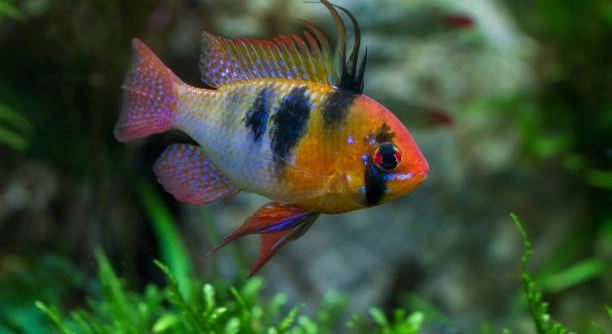
Caring for cichlids can be rewarding, especially when they spawn successfully. Observing new fry in your tank brings excitement, but sometimes parents may reject or even harm their offspring. This can leave owners unsure how to respond.
When cichlids reject their fry, immediate action involves separating the fry from the parents to prevent harm. Providing appropriate water conditions, suitable hiding spaces, and proper nutrition ensures their survival and supports healthy growth outside parental care.
Understanding the reasons behind this behavior and proper intervention can help maintain fry health and increase the chances of a thriving aquarium.
Common Reasons Cichlids Reject Their Fry
Cichlids may reject their fry for several reasons, many of which relate to instinct and environmental conditions. Stress is a significant factor. Sudden changes in water temperature, poor water quality, or overcrowding can trigger parents to abandon or eat their young. Nutrition also plays a role; if the parents are underfed or lacking essential nutrients, their natural behavior toward fry may shift toward rejection. Some cichlids exhibit selective care, prioritizing only the strongest offspring. Others may misidentify fry as food when hiding spaces are limited. Aggression between mating pairs can also affect parental care, causing one or both parents to turn on the fry. Observing the tank and ensuring stable conditions helps reduce the risk of rejection. Maintaining clean water, stable temperatures, and proper feeding can improve parental care and support fry survival.
Recognizing these factors early allows for intervention before fry are harmed, improving survival rates.
Understanding the reasons behind rejection helps create a safer environment. Adjusting tank conditions, providing shelters, and monitoring feeding routines can prevent loss. Consistent care ensures fry have a higher chance of survival and growth, even if the parents remain unpredictable.
How to Rescue and Care for Rejected Fry
Immediate separation from the parents is essential to protect the fry from harm. Use a small breeding tank or container with gentle filtration and stable water conditions. Ensure water temperature matches the main tank to reduce stress. Providing fine food like infusoria or specially formulated fry food supports growth during early stages.
Once separated, maintain consistent care routines. Feed small amounts frequently, monitor water quality closely, and gradually acclimate fry to the main tank as they grow. Avoid overcrowding the rescue tank, as this can lead to stress or disease. Observing their development helps identify health concerns early. Over time, the fry will gain strength and independence, making them ready for integration back into a community or species-specific tank. Consistent attention and patience are key to successfully raising rejected cichlid fry.
Preventing Fry Rejection in the Future
Providing a calm and stable environment is key. Avoid sudden changes in water temperature, maintain proper filtration, and reduce overcrowding to help parents feel secure and attentive toward their fry.
Offering a balanced diet to adult cichlids improves parental behavior. Regularly feeding high-quality pellets, frozen foods, and live foods ensures they have the nutrients needed to care for their offspring. Stress from competition or poor nutrition can lead to aggression toward fry, so maintaining both water quality and diet is crucial. Observing parents closely allows you to notice early signs of rejection and intervene before fry are harmed. Small adjustments in tank layout, like adding hiding spaces and dividing aggressive pairs, can prevent unnecessary loss. Creating an environment that mimics natural conditions encourages better parental care, reducing the likelihood of rejection in future spawns.
Consistently monitoring tank conditions and adjusting feeding routines supports a healthier relationship between parents and fry. Over time, attentive care fosters a more successful breeding setup, increasing fry survival rates.
Monitoring Fry Growth and Health
Daily observation is essential to track development. Watch for signs of disease, slow growth, or unusual behavior that may indicate problems.
Providing proper nutrition helps fry develop strong immune systems. Small, frequent feedings of finely crushed flakes, baby brine shrimp, or specialized fry food encourage growth and vitality. Monitor water parameters closely, keeping temperature, pH, and ammonia levels stable to prevent stress. Gradually increasing tank size as fry grow ensures they have enough space to swim freely and avoid overcrowding, which can lead to stunted growth. Note any deformities or lethargy early, as prompt action improves chances of survival. Regular cleaning and gentle water changes keep the environment safe without shocking the fry. Patience and attention during this stage are critical for raising healthy cichlids.
As fry grow, continue separating them from aggressive adults until they are strong enough. Observing interactions in community tanks helps prevent bullying and accidental losses. Gradually introducing them to the main tank teaches them to adapt to natural social dynamics. Consistent care, attention to water quality, and proper feeding routines ensure fry develop into healthy, resilient adult cichlids capable of thriving in their environment.
Adjusting Tank Conditions
Maintaining stable water parameters is crucial for fry survival. Regular testing of pH, temperature, and ammonia levels helps prevent stress, which can cause parents to reject their young. Proper filtration and gentle water flow support a healthy environment.
Adding hiding spaces with plants or decorations reduces fry exposure to aggressive adults. This encourages safer exploration and decreases stress, giving fry more chances to thrive.
Selecting Suitable Breeding Pairs
Choosing compatible cichlids reduces aggression and improves parental care. Observe temperament and interactions before breeding to avoid conflicts that could endanger fry.
Careful pairing increases the likelihood that both parents will protect and nurture their offspring. Selecting healthy, well-fed adults also ensures they have the energy and resources to raise fry successfully.
Feeding Strategies for Growing Fry
Frequent small feedings are essential. Offer a variety of finely crushed flakes, baby brine shrimp, and specialized fry food to encourage steady growth and healthy development.
When to Reintroduce Fry to the Main Tank
Wait until fry are strong and large enough to avoid aggression. Gradually acclimate them to prevent stress and ensure smoother integration.
FAQ
Why do cichlids sometimes eat their fry?
Cichlids may eat their fry due to stress, poor water conditions, or lack of nutrition. Overcrowding or sudden changes in the tank can trigger this behavior. In some cases, parents may remove weaker fry to focus resources on those more likely to survive.
How can I tell if the fry are being rejected?
Signs include parents chasing or attacking fry, hiding fry without parental supervision, or sudden disappearance of young. If fry consistently avoid parents or appear injured, it indicates rejection and the need for immediate separation.
What is the best way to separate fry from parents?
Use a small breeding tank or container with gentle filtration. Carefully transfer the fry using a soft net, keeping water temperature and quality similar to the main tank to minimize stress. Provide hiding spaces and proper food immediately.
How often should I feed the separated fry?
Fry require small, frequent feedings throughout the day. Offer baby brine shrimp, infusoria, or finely crushed specialized fry food. Regular feeding supports growth and reduces vulnerability to disease.
Can rejected fry survive without parental care?
Yes, with proper care they can thrive. Maintaining stable water conditions, feeding consistently, and providing hiding spaces are essential. Fry raised this way often grow strong and healthy, comparable to those cared for by parents.
How do I prevent future fry rejection?
Maintain stable water parameters, avoid overcrowding, and feed adults a balanced diet. Adding plants or decorations gives fry hiding spaces and reduces stress. Careful selection of breeding pairs also increases parental success.
Is it normal for cichlids to reject some fry but not all?
Yes, selective care is common. Parents may focus on stronger offspring while abandoning weaker ones. This behavior is instinctual and can occur even in otherwise attentive pairs.
When should I reintroduce fry to the main tank?
Wait until fry are large enough to avoid aggression. Gradually acclimate them to the main tank environment to prevent stress. Monitor interactions closely for any signs of bullying or aggression.
What are the signs of healthy fry growth?
Healthy fry are active, feed regularly, and show steady growth. Their coloration gradually develops, and they explore the tank without prolonged hiding. Weak or slow-growing fry may require extra attention or adjusted feeding.
How important is water quality for fry survival?
Water quality is critical. Ammonia, nitrite, and nitrate levels must be monitored regularly. Consistent temperature and pH help prevent stress and disease, directly affecting the fry’s ability to grow and survive.
Can I mix fry from different clutches?
Mixing fry is possible but requires caution. Ensure all fry are strong and compatible in size to prevent bullying or accidental injury. Introduce them gradually and provide ample hiding spaces to reduce conflict.
How do I manage aggressive parents during breeding?
Observe behavior closely. If aggression toward fry or between parents becomes severe, separate one or both adults. Providing plants, rocks, or breeding boxes can also reduce stress and allow fry to thrive safely.
Are live foods better than flakes for fry?
Live foods like baby brine shrimp offer higher nutrition and encourage natural hunting behavior, which supports development. Flakes can be used but should be finely crushed and supplemented with live options for optimal growth.
What common mistakes should I avoid when raising fry?
Avoid overcrowding, inconsistent feeding, sudden water changes, and neglecting water quality. Removing fry too late or exposing them to aggressive adults can also lead to unnecessary losses. Patience and careful observation prevent most common issues.
How long until fry are independent from parental care?
This varies by species but generally takes several weeks. Once fry are actively swimming, feeding on their own, and strong enough to avoid bullying, they can be gradually integrated into the main tank or community setup.
What equipment is recommended for raising rejected fry?
A small tank or breeding box with gentle filtration, heater to maintain stable temperature, and hiding spaces like plants or small rocks works best. Frequent water monitoring tools help maintain ideal conditions consistently.
How do I know if the parents will accept future clutches?
Parents may behave differently with each spawn. Providing optimal conditions, minimizing stress, and selecting compatible pairs improves chances. Observing previous behavior can help predict care tendencies but is not always guaranteed.
Can stress in the main tank cause rejection even if parents are healthy?
Yes, stress from environmental changes, aggressive tankmates, or overcrowding can trigger rejection. Reducing stressors and providing a calm environment improves parental care and fry survival.
Is hand-feeding fry labor-intensive?
It requires attention but becomes routine. Multiple small feedings each day are necessary at first. Once fry grow, feeding becomes easier and less frequent as they start consuming larger foods and developing independence.
Can rejected fry grow into healthy adult cichlids?
Absolutely. With proper care, water quality management, and nutrition, rejected fry can develop into strong, healthy adults capable of breeding and thriving in a community tank.
Final Thoughts
Raising cichlids can be a rewarding experience, but it comes with challenges, especially when parents reject their fry. Understanding why rejection happens is the first step in ensuring the fry survive and grow. Environmental factors, such as water temperature, pH, and filtration, play a significant role in parental behavior. Stress caused by overcrowding or sudden changes in the tank can make even attentive parents abandon or attack their young. Nutrition is equally important. Well-fed adults are more likely to provide proper care, while undernourished or weak parents may focus on self-preservation instead of nurturing. Observing the tank closely helps you notice early signs of rejection and intervene before fry are harmed. Providing stable conditions and hiding spaces reduces stress for both parents and fry, improving overall survival rates.
When fry are rejected, immediate action is essential. Separating them from the parents prevents injury and allows for controlled care. A small breeding tank or container with gentle filtration and stable water conditions creates a safe environment for growth. Fry need frequent, small feedings with high-quality food like infusoria, baby brine shrimp, or specialized fry food. Consistent monitoring of water parameters, temperature, and cleanliness ensures a healthy environment and prevents disease. Adding hiding spaces reduces stress and allows fry to explore safely. As they grow stronger, they can gradually be acclimated to the main tank or integrated into a community setup. Patience is key, and careful observation ensures the fry develop properly and remain healthy.
Preventing future rejection requires attention to both the adults and the tank setup. Selecting compatible breeding pairs, providing a balanced diet, and maintaining stable water conditions all contribute to better parental care. Adding plants or decorations gives fry places to hide, reducing exposure to aggression and increasing survival chances. Consistent care, monitoring, and adjustments over time help create a more successful breeding environment. While rejection can be discouraging, it is often a natural part of cichlid behavior. With proper intervention and attention, rejected fry can grow into healthy, resilient adults. Following these steps allows you to support your fish effectively while learning more about their instincts, behavior, and development.

Hello,
If you enjoy the content that we create, please consider saying a "Thank You!" by leaving a tip.
Every little bit helps us continue crafting quality advice that supports the health, happiness, and well-being of pets around the world, for pets of all shapes, sizes, and species.
We really appreciate the kindness and support that you show us!