
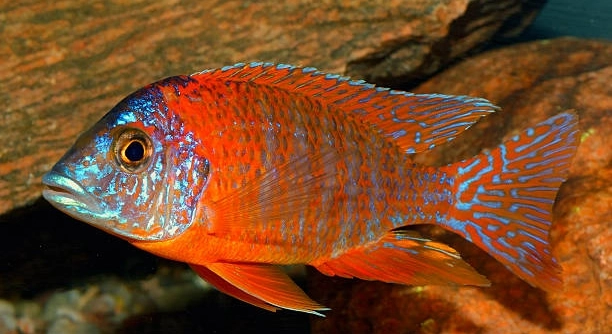
Many aquarium keepers notice strong pair behavior in cichlids and wonder what it truly means. Understanding lifelong bonding helps owners support healthier tanks, reduce stress, and appreciate the social patterns shaping these fascinating freshwater fish.
Cichlids are considered bonded for life when a male and female consistently form exclusive pairs, share territory, defend eggs together, and repeatedly spawn. This stable partnership often persists across breeding cycles, indicating long-term mate selection rather than temporary reproductive behavior.
Recognizing these signs can transform daily care routines and deepen appreciation for cichlid relationships within a balanced, peaceful aquarium environment.
Clear Signs of a Lifelong Cichlid Bond
When cichlids are bonded for life, their behavior becomes consistent and easy to recognize over time. A bonded pair stays close, often swimming together and resting near one another. They select and defend a shared territory, pushing away other fish without constant aggression. During breeding periods, both parents actively participate in cleaning surfaces, guarding eggs, and protecting fry. This cooperation continues even after several spawning cycles, showing stability rather than convenience. I have noticed that bonded pairs remain calm in familiar surroundings and show less stress during tank changes. Feeding patterns also align, with both fish eating side by side without conflict. These patterns do not appear overnight and usually strengthen as the fish mature. Observing these repeated behaviors across weeks and months provides strong evidence that the bond is intentional, stable, and rooted in natural pairing instincts rather than temporary reproductive behavior within captive aquarium environments for lasting stability.
Bonded cichlids also show predictable responses to separation. When divided, they often lose appetite, display agitation, or search for their partner. Once reunited, normal behavior resumes quickly. This reaction highlights emotional attachment rather than simple breeding convenience or territorial habit observed repeatedly in stable home aquariums over time by keepers.
Not all cichlid species bond the same way, so context matters. Some species form seasonal pairs, while others maintain lifelong partnerships when conditions remain stable. Tank size, compatible temperament, and reduced stress support long-term bonding. From my experience, patience plays a major role, as forced pairings rarely succeed. Allowing natural selection within a suitable group leads to stronger bonds. Consistent water quality and minimal disruptions help maintain trust between paired fish. When these needs are met, bonded cichlids display reliable cooperation that supports both breeding success and overall tank harmony over extended periods in well maintained aquarium systems at home.
How to Support and Maintain Strong Pair Bonds
Supporting bonded cichlids starts with stability. Provide adequate space, consistent water parameters, and visual barriers to reduce tension. Avoid rearranging decor too often, as familiarity strengthens pair confidence. Gentle observation helps detect stress early without disrupting established behaviors that develop slowly through repeated daily interactions in captivity over time now.
Long-term bonding thrives when the aquarium environment remains predictable and supportive. Choose tank mates carefully to prevent constant competition or harassment. Overcrowding often leads to tension that weakens pair stability. Feeding high-quality, species-appropriate food on a regular schedule reinforces routine and shared behavior. I prefer observing bonded pairs during feeding, as cooperation often becomes most visible then. Lighting cycles should stay consistent to mirror natural rhythms and reduce confusion. During breeding, avoid unnecessary interference unless safety becomes a concern. Removing eggs or fry too often can disrupt established roles between parents. Regular maintenance should be gentle and scheduled, allowing fish to anticipate changes rather than react to surprises. Over time, this consistency builds trust within the pair. A calm environment allows bonded cichlids to focus on cooperation, protection, and shared space. When these conditions are maintained, the bond often strengthens naturally and remains resilient despite minor changes within the aquarium setup. From my perspective, patience matters more than constant adjustment. Allow fish to communicate through behavior and routine. Avoid frequent handling or drastic shifts. Stability supports long-term success and reduces unnecessary stress for paired cichlids especially in home aquariums maintained with care over many months by attentive keepers daily routines.
What Can Weaken or Break a Cichlid Bond
Even strong cichlid bonds can weaken under poor conditions. Sudden tank changes, overcrowding, aggressive tank mates, or repeated disruptions during breeding can create stress. Stress reduces trust between paired fish, leading to avoidance, defensive behavior, or eventual separation over time. These issues often appear slowly rather than immediately for keepers.
Loss of a bonded partner can also affect behavior long term. Remaining fish may stop breeding, eat less, or become unusually withdrawn. In some cases, a new pairing may form, but it often takes months. I have found that rushing replacements rarely works. Allowing space and time helps fish adjust naturally. Environmental stability becomes even more important after separation. Maintaining water quality, consistent feeding, and calm surroundings can reduce prolonged stress. While bonds can sometimes reform, they are rarely identical to the original partnership once broken. Observation and patience guide better long-term outcomes for bonded cichlids in home aquariums today.
Temporary pairing is common during breeding readiness and should not be confused with lifelong bonding. Fish may tolerate each other briefly to reproduce, then separate afterward. These pairs lack shared territory defense and long-term cooperation. I notice temporary pairs avoid close contact outside spawning periods. Lifelong bonds show consistency beyond reproduction. They persist during nonbreeding months and stressful moments. Watching behavior across time matters more than a single spawning event. Repeated cooperation, calm proximity, and shared responsibility indicate a lasting bond rather than a short-term arrangement. This distinction becomes clearer with patient, routine observation by attentive aquarium keepers over time.
Factors That Influence Bond Formation Over Time
Young or newly introduced cichlids often need time before forming stable bonds. Age, maturity, and prior experiences influence readiness. Immature fish may display mixed signals that mimic bonding. I prefer allowing natural group dynamics to unfold. Forced pairing often leads to tension. Watching gradual changes in interaction provides clearer insight into whether attachment is developing or simply situational. This patience reduces mistakes when identifying genuine long-term bonds in shared aquarium spaces over extended periods consistently.
Environmental factors heavily influence whether a bond lasts. Poor water quality, unstable temperatures, and limited hiding spaces increase tension. Consistency supports trust. I focus on maintaining predictable routines because cichlids respond strongly to stability. Tank size should allow pairs to retreat without conflict. Visual barriers help reduce constant interaction with others. Nutrition also plays a role, as well-fed fish show less competition. Lighting schedules that remain unchanged support natural rhythms. When these elements align, bonded pairs behave calmly and cooperatively. Over time, this stability reinforces attachment and reduces the likelihood of separation caused by avoidable stressors. Regular observation helps detect subtle shifts early, allowing adjustments before strain affects established pair dynamics. This approach has worked well in my own tanks over many years of care.
Behavioral Changes That Signal Bond Stress
Changes in behavior often signal that a bond is fading. Increased hiding, refusal to share space, or sudden aggression can appear. I watch for reduced cooperation during feeding and breeding. These shifts usually reflect rising stress rather than personality changes within stable, previously bonded pairs over extended observation periods consistently.
Environmental disruptions are another common factor. Rearranging decor, frequent tank moves, or unstable water conditions weaken trust. From my experience, even small changes made too often cause tension. Bonds rely on predictability, and repeated disruptions prevent pairs from settling into cooperative routines that support long-term stability and attachment over time.
How to Confirm a Lifelong Bond With Observation
Observation over time is the most reliable way to confirm lifelong bonding. I focus on consistency rather than single events. True pairs remain close during calm periods and stress. They share territory without constant conflict. Both fish participate in defense, cleaning, and care repeatedly. Temporary pairs separate once breeding ends. Lifelong bonds persist across months. Feeding behavior stays cooperative. When separated briefly, bonded fish show agitation and reduced appetite. Reunion restores normal behavior quickly. These patterns together provide clearer evidence than appearance or size. Patience reveals bonds more accurately than assumptions formed from short observations alone in aquarium settings now.
When Lifelong Bonding Does Not Occur
Some cichlids never form lifelong bonds. Species traits, individual temperament, and environment all matter. I have seen healthy fish remain solitary without stress. This does not indicate failure. It reflects natural variation. Recognizing this prevents forcing pairings that cause long-term tension and unnecessary stress within home aquarium systems over time.
FAQ
Do all cichlid species bond for life?
No, not all cichlid species form lifelong bonds. Some species naturally pair for extended periods, while others only cooperate during breeding. I have kept species that showed no interest in long-term pairing and remained stable on their own. Genetics and natural behavior patterns play a major role. Understanding the species helps set realistic expectations and prevents unnecessary intervention that could increase stress.
How long does it take for cichlids to form a bond?
Bonding does not follow a fixed timeline. In my tanks, some pairs formed within months, while others took over a year. Age, maturity, and environment all affect timing. Stable water conditions and minimal disruption support bonding. Rushing the process often leads to rejection or aggression rather than attachment.
Can two female or two male cichlids bond?
Same-sex cichlids may share territory peacefully, but this is not the same as a breeding bond. These pairings usually lack cooperative spawning behavior. I have seen same-sex pairs defend space together, yet the relationship often changes over time. This arrangement should not be mistaken for lifelong bonding.
What happens if a bonded cichlid loses its partner?
Loss often results in noticeable behavioral changes. Reduced appetite, hiding, or aggression may appear. From my experience, recovery varies widely. Some fish eventually accept a new partner, while others remain solitary. Providing stability during this period helps reduce prolonged stress and supports adjustment.
Can bonded cichlids be separated safely?
Separation is not recommended unless necessary. When separated, bonded cichlids often show distress. If separation must occur, maintaining visual contact may reduce stress. I avoid separation unless aggression or health concerns make it unavoidable. Reintroduction should be gradual and carefully monitored.
Is aggression a sign that bonding has failed?
Occasional aggression does not always mean failure. During breeding, increased defense is normal. However, constant chasing, biting, or refusal to share space signals trouble. I look for patterns rather than isolated incidents. Consistent aggression usually reflects environmental stress or incompatibility.
Do bonded cichlids always breed?
Not always. Some bonded pairs never spawn due to age, water conditions, or stress. I have seen bonded pairs display all cooperative behaviors without producing eggs. Bonding is about attachment and cooperation, not just reproduction. Breeding is one possible outcome, not a requirement.
Can tank size affect bonding success?
Yes, tank size matters greatly. Limited space increases conflict and reduces retreat options. In my experience, larger tanks support stronger bonds by reducing tension. Adequate space allows pairs to establish territory without constant pressure from others.
Does rearranging the tank break bonds?
Frequent rearranging can weaken bonds. While occasional changes are manageable, repeated disruptions reduce predictability. I limit decor changes to necessary maintenance. Stability supports trust and cooperation between paired fish over time.
How can I tell the difference between bonding and tolerance?
Tolerance involves peaceful coexistence without cooperation. Bonding includes shared tasks like defense, cleaning, and coordinated movement. I watch for repeated behaviors across weeks. Bonded fish remain close even when not breeding. Tolerant fish keep distance once interaction is no longer required.
Is it possible to force a bond?
Forcing a bond rarely works. Introducing two fish and isolating them together often increases stress. I have learned that natural selection within a group produces stronger bonds. Allowing choice leads to better long-term results and healthier behavior.
Do bonded cichlids recognize each other after separation?
Short separations usually result in recognition upon reunion. Longer separations reduce this likelihood. From my experience, scent and routine play important roles. Quick reunions often restore normal behavior, while extended separations may require reintroduction as if they were new tank mates.
Can stress permanently damage a bond?
Yes, prolonged stress can cause permanent changes. Poor water quality, harassment, or constant disruption weaken attachment. I prioritize preventing stress rather than fixing damage later. Once trust erodes, rebuilding it becomes difficult and sometimes impossible.
Should bonded pairs be kept alone?
Not always. Some pairs coexist well in community tanks if space allows. I assess temperament and tank dynamics before deciding. Isolation can reduce stress for some pairs, while others thrive with compatible tank mates. Observation guides the best choice.
Do bonded cichlids behave differently as they age?
Yes, behavior often becomes calmer with age. Older bonded pairs show less aggression and more routine behavior. I notice increased tolerance of minor changes over time. Aging often strengthens stability rather than weakening attachment when conditions remain supportive.
Final Thoughts
Understanding whether cichlids are bonded for life requires time, consistency, and careful observation. These fish communicate through patterns that repeat quietly rather than dramatic moments. When I pay attention to daily routines, shared spaces, and calm cooperation, the picture becomes clearer. Lifelong bonding is less about constant closeness and more about reliability. Stable pairs respond to stress together, return to normal behavior quickly, and show mutual awareness without tension. This perspective helps avoid assumptions based on single breeding events or short-term tolerance. Recognizing bonding as an ongoing pattern rather than a fixed label allows for better care decisions. It also encourages patience, which often leads to healthier tanks and calmer fish. A measured approach supports both the fish and the keeper by reducing unnecessary interference and stress.
It is also important to accept that not all cichlids will form lifelong bonds, even in ideal conditions. Some fish thrive independently, and forcing pairings can do more harm than good. From my experience, respecting individual behavior creates better outcomes than trying to fit every fish into the same expectation. Observing without rushing allows natural behavior to surface. When bonds do form, they tend to be strong and stable when the environment remains predictable. Simple actions such as maintaining water quality, limiting disruptions, and providing adequate space make a meaningful difference. These steps support trust between fish and reduce conflict. Over time, small, consistent choices often matter more than major changes made too frequently.
Caring for bonded cichlids becomes more intuitive once their patterns are understood. Their behavior offers feedback that guides adjustments without constant guesswork. I have found that slowing down and watching closely leads to fewer problems and more rewarding experiences. Lifelong bonds, when present, add depth to the aquarium and reflect natural behavior that deserves respect. Even when bonding does not occur, providing stability and meeting basic needs remains the foundation of good care. Viewing cichlids as individuals rather than display pieces encourages better decisions and long-term success. A calm, steady approach benefits both the fish and the keeper, creating an environment where natural behavior can continue without unnecessary pressure.

Hello,
If you enjoy the content that we create, please consider saying a "Thank You!" by leaving a tip.
Every little bit helps us continue crafting quality advice that supports the health, happiness, and well-being of pets around the world, for pets of all shapes, sizes, and species.
We really appreciate the kindness and support that you show us!