
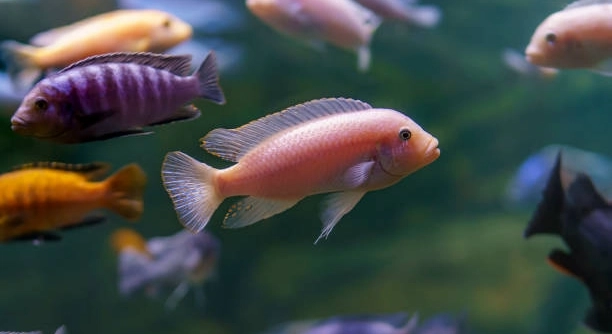
Convict cichlids are known for surprising aquarium keepers with their strong instincts and bold behavior, especially during breeding periods, when egg laying can occur in places that seem unusual, unexpected, and sometimes amusing to observe.
Convict cichlids often lay eggs in odd locations because they prioritize shelter, security, and territorial control. Enclosed or overlooked surfaces provide protection from predators and disturbances, allowing parents to guard offspring efficiently while maintaining dominance within their chosen breeding environment.
This exploration highlights unexpected spawning sites, offering insight into their behavior and helping aquarists better manage breeding tanks successfully responsibly.
Inside Flower Pots and Clay Decor
Convict cichlids often choose flower pots and clay decorations because these items mimic caves and crevices found in natural habitats. The curved surfaces and narrow openings provide a strong sense of security. During breeding periods I notice they carefully clean the interior surface removing debris and algae. This preparation helps eggs adhere properly and reduces the risk of fungal growth. Flower pots also allow parents to fan water across the eggs ensuring oxygen circulation. Because these items are movable they can be positioned away from strong light or heavy traffic areas which further lowers stress levels. In many home aquariums this choice reflects instinct rather than randomness showing how adaptable convict cichlids can be when selecting a breeding site within limited space while still maintaining control over their surroundings and offspring safety at all times. This behavior often surprises keepers who expect eggs only on rocks or glass surfaces alone.
Although convenient for the fish flower pots may catch owners off guard. Eggs hidden inside decorations are easy to overlook during routine maintenance leading to accidental disturbance if care is not taken when cleaning or rearranging tank items nearby slowly and carefully at all times during breeding periods overall health.
Placing multiple pots with varied sizes helps reduce conflict between pairs. I prefer using unglazed clay since it allows better grip for eggs and promotes water flow. Position the opening slightly downward to prevent debris settling inside. If spawning occurs avoid moving the pot unless necessary. Stable conditions encourage successful hatching and reduce stress on the parents. Observing this behavior up close has helped me understand how structure and placement influence breeding outcomes in small aquariums. Practical adjustments like these support healthier fry survival rates and create a calmer environment for both fish and keeper over time without unnecessary interference.
Behind Filters and Equipment
Another odd but common location is behind internal filters and heaters. These areas offer warmth and steady water movement. The narrow space limits access from other fish making it easier for parents to guard eggs without constant confrontation or patrol duties throughout the tank daily life routines and habits observed.
Filters and equipment may seem risky but convict cichlids value consistency. The hum of machinery creates a stable background vibration that masks sudden disturbances from outside the tank. I have learned that once eggs are laid in these spots parents become highly defensive. Regular maintenance should be adjusted during this time. Turning off equipment briefly can expose eggs to temperature drops so planning ahead matters. If cleaning is unavoidable work slowly and keep movements minimal. Using sponge filters instead of strong intakes reduces the risk of fry being pulled in after hatching. This setup also allows better control over water quality as waste can accumulate quickly behind equipment. Observing these choices has made me more attentive to how fish interact with manmade objects rather than avoiding them entirely. Small adjustments like securing cords and creating safe gaps can support breeding success without major tank changes. Over time this awareness leads to fewer losses and a more predictable breeding outcome in shared aquarium spaces while maintaining stable routines for daily care tasks and long term tank balance and fish wellbeing overall across different setups at home aquariums managed carefully with patience and consistency in practice and observation habits developed gradually over
On Bare Tank Glass
Convict cichlids sometimes lay eggs directly on bare tank glass when no enclosed structures meet their standards. The flat surface allows easy cleaning beforehand and clear visibility for guarding. I often see this choice in minimal setups where decorations are limited and water flow remains steady nearby during breeding periods.
Glass spawning sites offer stability and reduce the chance of eggs being dislodged by currents. Parents fan the eggs constantly and remove any debris that settles nearby. I have noticed they prefer corners or lower sections where foot traffic outside the tank feels less intense. This location also allows keepers to observe development without disturbing the pair. However exposed eggs face higher light levels which may cause stress if the tank is brightly lit. Adjusting lighting intensity and avoiding sudden movements near the aquarium helps improve hatch rates. Consistent water parameters are especially important since there is no surrounding structure.
When eggs are laid on glass maintenance routines must pause. Gravel cleaning near the site can raise debris and stress parents. I usually leave algae on nearby panels during this period to limit reflections. Fry that hatch on glass are easier to monitor but harder to protect if tank mates are present. Temporary dividers can help without moving the parents. This spawning choice reflects adaptability rather than preference. Given limited options convict cichlids still manage successful reproduction. Observing these moments has taught me that simplicity in tank design does not prevent natural behavior. It only reshapes how it appears visually.
Deep Within Rock Crevices
Rock crevices attract convict cichlids because they closely resemble natural shelters. Narrow gaps provide darkness and controlled entry points. I have found they favor rocks with smooth inner surfaces over sharp textures. This reduces egg damage and makes cleaning easier. Rock based sites also retain stable temperatures. The surrounding mass buffers minor changes in water conditions which supports steady development and calmer parental behavior during guarding phases within confined aquarium layouts common home tank setups.
Eggs laid deep within rocks are harder for keepers to see yet often have higher survival rates. Predation risk drops and parents expend less energy on constant defense. I tend to stack rocks securely to prevent shifting once spawning begins. Any movement can crush eggs or collapse the chosen space. Smooth river stones or aquarium safe slate work well. Water flow should reach the crevice without creating direct pressure. Gentle circulation prevents waste buildup while keeping oxygen levels steady. This placement also limits light exposure which helps reduce stress. Over time I have noticed pairs reuse the same rock site across multiple spawns. Familiarity appears to improve coordination and efficiency during care leading to calmer outcomes and stronger parental responses overall across repeated breeding cycles.
Beneath Driftwood Pieces
Convict cichlids sometimes deposit eggs beneath driftwood where shadows and tight clearance provide cover. The wood creates a natural barrier that limits access from above. I notice parents patrol the perimeter closely, using the structure to guide fry once they hatch and begin moving through the surrounding tank space safely.
Driftwood sites can trap debris so water flow matters. I adjust positioning to allow gentle circulation underneath. Boiling or soaking wood beforehand prevents tannin spikes. Once eggs appear I avoid lifting the wood. Stability supports better hatching and reduces aggressive reactions during routine tank care and daily observation periods overall.
Under Large Plant Leaves
Some pairs choose the underside of large leaves from hardy plants. Broad leaves offer a flat surface with overhead cover. I have seen parents clean the leaf slowly before laying. This choice works best with strong rooted plants that do not sway. Movement can dislodge eggs. Trimming nearby leaves improves water flow without exposing the site. Lighting should remain moderate to prevent algae buildup. Plant spawning feels delicate yet controlled. When successful fry cling briefly before dropping. This location shows how living elements can support breeding when conditions remain stable and hands off for observant keepers maintaining patience and consistency.
Inside Decorative Ornaments
Occasionally eggs appear inside unused shells or ornaments meant for other species. Tight interiors create instant shelter. I learned to check decor openings regularly. Once spawning happens decorations should remain untouched. Removing them can destroy eggs quickly and provoke intense defensive behavior from otherwise calm parents within community aquarium settings.
Why do convict cichlids lay eggs in unusual places?
Convict cichlids prioritize safety and security over convenience. In my experience, they often select sites that are enclosed, shaded, or hidden to protect eggs from potential threats. Even in a controlled aquarium, instinct drives them to seek locations that mimic natural hiding spots. Observing pairs, I notice that the choice of site depends on available surfaces, tank layout, and water flow. Parents will carefully inspect and clean potential areas before laying eggs, ensuring the surface is suitable for adhesion. It’s fascinating how they adapt to different tank setups, sometimes using unexpected spots like the underside of leaves, behind filters, or inside decorative items. These selections show how instinct and environmental assessment combine to maximize offspring survival, even in artificial habitats where dangers are minimal.
How can I tell if eggs are healthy?
Healthy eggs appear clear or slightly translucent with visible developing embryos, and they are firmly attached to surfaces. I usually check for uniform shape and absence of white fuzzy spots, which indicate fungal infection. Parents often fan healthy eggs continuously, which keeps them oxygenated and clean. If eggs appear discolored or start falling off, it often points to water quality issues or stress from disturbances. Observing parental behavior is equally important; active guarding and fanning typically mean the eggs are viable. Using gentle lighting and maintaining stable temperature and pH improves chances of hatching. I’ve found that minimal interference during early stages is crucial.
Can eggs survive on bare glass?
Yes, eggs can survive on bare glass if parents are attentive and water parameters are stable. I have seen eggs thrive on corners of the tank glass where pairs fan them constantly. The smooth surface allows for easier cleaning before spawning, but it also exposes eggs to higher light levels and potential disturbances. I reduce tank activity near these spots to avoid stress, and I sometimes use temporary dividers to protect them from other fish. While less sheltered than pots or crevices, bare glass is still an effective breeding site when carefully monitored.
Should I move eggs to a safer spot?
Moving eggs is risky and generally not recommended. I learned that parents may abandon or eat eggs if the site is disturbed. Only in extreme cases, such as a collapsing ornament or dangerous water conditions, should relocation be attempted. Using soft tools and minimal movement can sometimes help, but success is not guaranteed. Often, the safest approach is to adjust tank conditions around the existing site rather than physically relocating eggs.
How long does it take for eggs to hatch?
Convict cichlid eggs typically hatch within three to five days, depending on temperature and water conditions. I observe slight changes in color as embryos develop, and parents become more protective as hatching approaches. Once hatched, fry remain close to the chosen site for several days, guided by parental care. Proper oxygenation and gentle water flow help ensure successful hatching. Maintaining stable temperature around 25–28°C usually promotes timely and healthy development without additional intervention.
Can eggs be left in community tanks?
It is possible, but survival rates drop significantly if other fish are present. I often notice pairs defending eggs aggressively, which may provoke conflicts. In community setups, fry can be eaten immediately after hatching. If relocation isn’t feasible, providing hidden spots such as pots, rock crevices, or dense plants can help. The more protected the site, the higher the chance of survival. Careful observation is necessary, especially in tanks with curious or aggressive species.
Do parents eat their eggs?
Yes, parents may consume eggs under stress or poor conditions. I have seen this occur when water quality drops or the site is disturbed. Sometimes the pair removes infected or damaged eggs to prevent fungal spread, which is a natural instinct. Observing consistent care and minimal disturbance usually prevents this behavior. Healthy eggs and calm conditions encourage parents to remain dedicated throughout the incubation period.
How can I improve egg survival?
Stable water parameters, gentle water flow, and minimal tank disturbance are key. I provide multiple hiding spots to allow parents to choose preferred locations and reduce stress. Regular monitoring for fungus or debris without touching the eggs helps maintain hygiene. Adjusting lighting to moderate levels and reducing sudden movement near the tank ensures calm parents. I also avoid cleaning or moving decorations during incubation. These small measures collectively improve hatching success and support fry survival after leaving the egg stage.
What happens after hatching?
Fry remain close to the original site for a few days, guided by the parents. I notice continuous fanning and protection until fry become more mobile. Small adjustments in tank maintenance ensure fry are not swept away by currents. Feeding begins once fry start swimming independently. Parents often lead fry to safe spots, reinforcing the importance of choosing well-protected initial egg sites. Over time, fry disperse but parents remain attentive, which reduces early losses and supports healthier juvenile development in the tank.
Can artificial decorations affect breeding behavior?
Yes, artificial decorations can mimic natural shelters and influence site choice. I often observe eggs laid inside pots, ornaments, or behind equipment. Stability and smooth surfaces are essential. I position items to reduce sudden movement or strong currents. Artificial structures can enhance breeding success if carefully integrated into the aquarium layout. Proper placement ensures parents feel secure, eggs adhere correctly, and fry have safe initial spaces for early growth.
Are some tank layouts better for breeding than others?
Tank layouts with multiple hiding spots, gentle flow, and stable conditions improve breeding outcomes. I arrange rocks, plants, and decorations to create choices for pairs. Open water and limited shelter can force eggs onto bare glass or exposed areas, which increases stress. A balanced mix of cover and visibility allows parents to guard effectively while maintaining a calm environment, supporting higher hatching rates and fry survival in home aquariums.
How do I know when fry are ready to leave the eggs?
Fry typically break free of the chorion within three to five days. I watch for movement inside the egg and color changes. Parents increase fanning and defensive behaviors as hatching approaches. Once fry swim independently, they rely on parents for guidance and protection until ready to explore the tank. Observing this phase helps determine when supplementary feeding can begin and ensures minimal interference for maximum survival.
Is special feeding required for parents during breeding?
Parents benefit from nutritious food during breeding periods. I provide high-protein options like brine shrimp, pellets, or finely chopped foods. Proper nutrition supports egg production, fanning energy, and defensive behavior. Overfeeding can foul water, so I monitor portions carefully. Consistent feeding helps maintain healthy parents and supports better survival of both eggs and fry throughout the reproductive cycle.
Can stress prevent spawning?
Stress from sudden movements, poor water quality, or aggressive tank mates can delay or prevent spawning. I notice pairs may abandon potential sites or become aggressive under stress. Stable conditions, calm surroundings, and multiple hiding options encourage natural breeding behavior. Minimizing sudden changes ensures eggs are laid in preferred locations and improves the likelihood of successful hatching and fry development.
Do convict cichlids reuse egg sites?
Yes, they often reuse previously successful sites. I’ve seen pairs return to the same pot, rock crevice, or plant leaf multiple times. Familiarity with the environment reduces stress and allows efficient care. I make minor adjustments to water flow or decoration positioning to maintain stability. Reusing sites reflects learned behavior and strengthens parental coordination, ultimately supporting higher survival rates for successive broods.
Can I breed convict cichlids in a small tank?
Breeding is possible in small tanks if hiding spots and stable conditions are provided. I use pots, plants, and small rock stacks to create multiple options. Water parameters must remain steady, and I avoid overcrowding to reduce stress. Careful planning allows eggs and fry to thrive even in compact environments without compromising parental behavior or offspring safety.
How do I handle fungus on eggs?
Fungus can appear if water quality drops or debris accumulates. I carefully remove affected eggs using soft tools, though prevention is better. Maintaining clean, stable water, proper circulation, and vigilant observation keeps fungus minimal. Parents often remove infected eggs naturally, which helps preserve the rest. Immediate attention reduces losses and supports healthy hatching.
Are there differences between first-time and experienced breeders?
First-time pairs may take longer to select sites and appear more hesitant during care. I’ve seen them abandon eggs more often or lay in less secure locations. Experienced parents coordinate better, defend eggs actively, and reuse familiar sites effectively. Observing repeated breeding cycles reveals how familiarity with the tank layout and confidence improves reproductive outcomes and increases fry survival in subsequent spawns.
How important is water temperature for breeding?
Temperature affects egg development and hatching time. I maintain around 25–28°C for consistent results. Lower temperatures slow development, while higher temperatures increase metabolism but can stress parents. Gradual, stable conditions are crucial. Sudden fluctuations can lead to egg abandonment or deformities in fry. Monitoring temperature ensures predictable and successful breeding outcomes.
Can breeding behavior indicate tank health?
Active spawning and attentive parental care often reflect stable, healthy conditions. I notice reduced aggression and consistent fanning when parameters are optimal. Conversely, skipped breeding or abandoned eggs may indicate stress, poor water quality, or overcrowding. Observing reproductive behavior provides insights into overall tank stability and allows adjustments to improve long-term fish health, egg survival, and fry development.
How do I protect fry after hatching?
I keep the tank calm and avoid cleaning near the site. Temporary dividers can shield fry from other fish. Parents naturally lead fry to hidden spaces while fanning for oxygen. Gentle feeding begins once they swim independently. Minimal interference ensures higher survival rates and supports healthy growth during early development stages.
What should I avoid during breeding?
I avoid moving decorations, overfeeding, sudden water changes, and unnecessary handling. Any disturbance can stress parents or damage eggs. Consistent lighting, temperature, and water quality, combined with secure hiding spots, support calm behavior. Maintaining a predictable environment ensures eggs develop normally and fry survive the vulnerable early days post-hatching.
Can eggs survive in high-flow areas?
High flow can dislodge eggs or disturb fanning. I place sites in moderate current zones or behind protective structures. Gentle circulation ensures oxygenation without washing away eggs. Monitoring water movement and adjusting filter output is essential. Observing how parents respond to current helps determine safe locations for successful incubation and hatching.
How long should parents guard eggs?
Parents guard until eggs hatch and fry are mobile. I usually observe attentive care for about five days, depending on temperature. Defense includes fanning, chasing intruders, and cleaning debris. After fry begin swimming independently, protection continues until they are capable of finding food and hiding on their own. This period is critical for survival.
Can eggs hatch without parental care?
Artificial hatching is possible with careful monitoring, oxygenation, and water quality control. I have occasionally transferred eggs to separate tanks with gentle aeration. Without parents, eggs require frequent cleaning to prevent fungus and optimal temperature. While survival rates are lower, attentive management can produce viable fry, especially in tanks where parents are absent or aggressive.
Is breeding easier with pairs or groups?
Pairs simplify management and reduce aggression. I’ve seen better hatching rates when only one male and female occupy a territory. Groups can result in egg predation, conflicts, and site competition. Providing sufficient hiding spots helps, but pairs generally produce higher survival rates and calmer breeding behavior, making observation and care more predictable.
How often do convict cichlids spawn?
Spawning can occur every four to six weeks under optimal conditions. I notice intervals depend on water quality, food availability, and parental condition. Experienced pairs may lay eggs more consistently, while first-time breeders need longer acclimation periods. Continuous monitoring and stable tank setups encourage regular, successful reproductive cycles, supporting ongoing fry production in home aquariums.
Can water hardness affect egg laying?
Water hardness influences egg adhesion and development. I maintain moderate hardness to improve stickiness and embryo growth. Extremely soft or highly hard water can reduce hatching success or deform fry. Observing egg attachment and adjusting mineral content gradually ensures stable conditions. Proper hardness contributes to reliable, healthy breeding outcomes and supports both parents’ well-being during reproductive periods.
Is it normal for eggs to be scattered?
Scattered eggs occur when parents are inexperienced or the site is unsuitable. I have seen eggs fall onto gravel or nearby surfaces. While not ideal, careful observation ensures most remain protected. Repositioning eggs is risky, so improving site conditions and letting parents reorganize often yields better results. Patience is essential for successful development.
How do I know when fry are ready for independent feeding?
Fry begin swimming freely and leaving the egg site within a few days post-hatch. I introduce finely crushed food or infusoria when they actively search for sustenance. Parents may guide fry to feeding areas while protecting them. Observing readiness ensures fry receive proper nutrition and grow without stressing parents, supporting higher survival rates during early development.
What impact do tank mates have on breeding?
Tank mates can disrupt egg laying or fry survival. I isolate pairs in breeding sections when possible. Aggressive or curious species may harass parents or consume eggs. Even non-aggressive fish can create stress, reducing egg adhesion and hatching rates. Providing secure hiding spots or temporary separation supports higher success while maintaining a balanced aquarium environment.
Can lighting influence egg laying?
Lighting affects stress and activity levels. I use moderate lighting to reduce reflection and prevent algae buildup. Bright, fluctuating light can disturb parents and eggs, while dim, steady illumination encourages natural behaviors. Adjusting photoperiod to mimic consistent day-night cycles helps pairs select sites confidently and maintain attentive care, ultimately improving survival and hatching rates.
Are there signs of parental fatigue?
Excessive aggression, abandoned eggs, or reduced fanning indicate fatigue. I monitor parents for these behaviors, ensuring proper feeding and minimal disturbance. Providing multiple hiding spots and stable conditions reduces stress. Recognizing fatigue allows intervention, such as temporary separation or environmental adjustments, to protect eggs and support both parent and fry health during critical stages.
How do I encourage reuse of spawning sites?
I leave previously successful locations intact, avoiding movement or cleaning. Familiarity encourages pairs to return. Multiple options nearby reduce competition, while stable water conditions support confidence. Observing patterns over time reveals preferences, allowing me to optimize site selection and improve long-term reproductive success in home tanks.
Can water flow affect parental behavior?
Strong or uneven flow can disrupt fanning and guarding. I adjust filters to create gentle currents near sites while avoiding direct pressure on eggs. Observing how parents position themselves helps ensure proper oxygenation without dislodging eggs. Balanced water movement supports calm behavior, effective care, and higher survival rates for developing fry.
Is it normal for parents to eat some fry?
Yes, selective consumption can occur under stress, poor nutrition, or overcrowding. I monitor water quality, feeding, and site security to minimize losses. Parents sometimes remove weak fry naturally to protect stronger offspring. Understanding this instinct helps me maintain conditions that reduce unnecessary losses while supporting overall brood survival and healthy juvenile development.
Can seasonal changes affect spawning?
Temperature and light cycles influence egg laying. I notice pairs spawn more reliably under stable, warm conditions resembling natural breeding seasons. Sudden changes in water temperature or photoperiod can delay or prevent spawning. Maintaining consistent environmental parameters ensures predictable reproductive behavior and healthier outcomes for both parents and fry throughout the year.
How do I clean around eggs without disturbing them?
I carefully remove debris with soft tools and avoid strong currents. Minimal handling ensures eggs stay attached and reduces stress on parents. Spot cleaning without moving the site maintains oxygenation and hygiene while supporting successful hatching. Patience and slow movements prevent accidental damage and maximize survival rates in the early stages of development.
Can eggs develop without fanning?
Limited development is possible, but survival drops without parental fanning. I observe eggs needing constant oxygenation; still water may lead to fungus or death. In artificial setups, gentle aeration can partially replace fanning, but parental care remains the most reliable method for healthy embryo growth and successful hatching.
Do pairs stay together after spawning?
Pairs often remain close until fry are independent, coordinating defense and guidance. I see them continue guarding and leading fry through the tank. Separation too early can reduce fry survival, as parents provide protection and teach early movement. Cohesion between the pair supports calmer, more efficient care and higher early survival rates.
Can stress cause egg discoloration?
Yes, stress from sudden changes, poor water quality, or disturbances can discolor eggs. I monitor water conditions and minimize movement near sites. Healthy eggs remain clear or lightly tinted, while stressed eggs may turn cloudy. Prompt intervention and calm conditions often prevent losses and support normal development until hatching.
Are there signs eggs won’t hatch?
Discoloration, fungus, or detachment indicate poor viability. I remove affected eggs cautiously to protect healthy ones. Parents sometimes eat unviable eggs naturally. Recognizing early signs prevents spread of infection and maintains higher survival rates for the remaining brood. Observation and stable conditions are key to successful outcomes.
Do eggs need light or darkness?
Moderate light is best. I avoid direct bright exposure and excessive shading. Parents select spots naturally balancing light and cover. Proper illumination helps visibility for observation while reducing stress and algae buildup, supporting optimal egg development and attentive care from parents.
Can temperature swings harm eggs?
Yes, rapid changes can kill embryos or cause developmental issues. I maintain steady temperatures within recommended ranges. Gradual adjustments are essential for acclimation. Stable thermal conditions promote reliable hatching and healthy fry growth, preventing unnecessary losses caused by environmental stress.
How do I handle aggressive parents?
Aggression may increase during breeding. I avoid tank entry near sites and provide multiple hiding spaces for other fish. Temporary barriers can protect eggs and reduce conflicts. Calm water conditions, consistent routines, and minimal interference help manage behavior without disturbing parental care.
Can I remove fry after hatching?
Yes, separating fry is possible for protection or feeding management. I usually wait until they are swimming independently. Careful transfer minimizes stress and supports survival, especially in community tanks where parents may become overprotective or other fish pose a threat.
Do fry require special water conditions?
Stable temperature, gentle flow, and clean water are critical. I ensure low nitrates, moderate hardness, and consistent parameters. Fry are sensitive to rapid changes, so maintaining a calm environment supports healthy growth, early development, and reduces mortality.
How often should I check eggs?
Daily observation is enough. I monitor for fungus, detachment, or parental behavior changes. Minimal handling prevents stress. Checking consistently allows prompt intervention if problems arise, ensuring higher survival and healthier fry without unnecessary disturbance.
Is it normal for parents to chase each other during spawning?
Yes, temporary aggression is common. I watch for balanced interaction rather than prolonged fights. Chasing helps establish territory and coordination. Ensuring enough space and hiding spots reduces stress and prevents injury while supporting successful egg care and fry survival.
Can diet influence egg quality?
Yes, high-protein, nutrient-rich food improves egg development. I provide brine shrimp, pellets, and occasional live food. Adequate nutrition supports strong embryos, attentive parental care, and higher hatching success. Poor diet can lead to weak eggs and reduced fry survival rates.
**Do
Convict cichlids are fascinating fish because of their strong instincts and surprising adaptability when it comes to laying eggs. They do not always choose obvious or conventional sites, and observing them in home aquariums can be both educational and rewarding. Over time, I have noticed that they select locations that provide safety, shelter, and control over their environment, whether it is inside pots, behind equipment, under leaves, or even on bare glass. Each choice reflects a balance between protection from potential threats and convenience for parental care. While these behaviors may seem unusual at first, they make sense when considering the fish’s natural instincts and need to maximize the survival of their offspring. Understanding these patterns helps aquarists create better tank environments that support natural breeding behavior and reduce stress on both the fish and the developing eggs.
Providing appropriate hiding spots and maintaining stable conditions are key to successful spawning. I have learned that careful observation, minimal disturbance, and thoughtful placement of decorations, plants, or rocks can significantly improve egg survival rates. Convict cichlids are meticulous parents; they clean surfaces, fan eggs to ensure oxygenation, and actively defend their chosen site. Even small details, like gentle water flow, moderate lighting, and proper temperature, play an important role in maintaining healthy eggs and fry. By anticipating their needs and mimicking aspects of their natural habitat, it is possible to encourage spawning in a controlled aquarium setting. Watching a pair work together to protect and nurture their eggs provides insight into their behavior and can be a deeply satisfying experience for anyone keeping these fish, while also highlighting the importance of patience and consistency in aquarium care.
Finally, breeding convict cichlids is a process that requires attention, understanding, and respect for the fish’s natural instincts. Eggs may appear in unusual or hidden locations, and parental care is crucial for their survival. Interfering too much can cause stress or lead to egg loss, while supportive practices—such as providing secure sites, monitoring water quality, and maintaining stable conditions—can lead to healthier fry and more predictable outcomes. Over time, I have observed that pairs become more confident, reuse successful sites, and demonstrate remarkable coordination in protecting and guiding their young. Recognizing and accommodating these behaviors allows aquarists to foster a safe and suitable environment, ultimately improving breeding success and offering a closer look at the natural life cycle of convict cichlids in home aquariums. Respecting their instincts and providing careful management ensures the eggs and fry have the best chance of thriving, making the experience both rewarding and informative.

Hello,
If you enjoy the content that we create, please consider saying a "Thank You!" by leaving a tip.
Every little bit helps us continue crafting quality advice that supports the health, happiness, and well-being of pets around the world, for pets of all shapes, sizes, and species.
We really appreciate the kindness and support that you show us!