
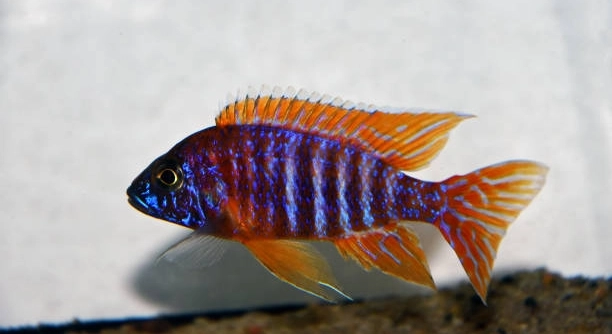
Many fish owners enjoy watching cichlids breed and care for their young. Observing their behaviors can be fascinating, but once breeding ends, their daily routines and interactions start to shift noticeably.
After breeding concludes, cichlids often return to their normal social structures, showing less aggression toward each other. Parental care decreases, and energy is redirected from protecting fry to maintaining territory and personal health within the tank environment.
Recognizing these changes helps keep your cichlids healthy and maintains harmony in the aquarium community. Adjusting care practices after breeding can improve their long-term wellbeing and tank balance.
How Cichlids Behave After Breeding
After breeding, cichlids often show noticeable changes in behavior. Many pairs that were fiercely protective of their fry start to become calmer. Aggression toward other fish usually decreases, and they may spend more time exploring the tank. Energy once devoted to guarding eggs or fry is redirected toward personal health, feeding, and maintaining their territory. Some cichlids may become more reclusive, hiding in decorations or behind rocks. Social hierarchies in the tank can shift as dominant fish relax their strict control over space. During this period, it is common to notice changes in feeding habits, with fish eating more consistently and appearing less stressed. Adjusting the tank environment by offering additional hiding spots or maintaining water quality can make this transition smoother. Observing these patterns helps understand their natural cycles and ensures long-term care aligns with their needs.
Cichlids generally return to their normal feeding and social routines after fry are independent.
Monitoring tank dynamics is essential. Changes in behavior after breeding can impact fish health. Ensuring a stable environment helps prevent unnecessary stress and keeps the aquarium balanced. Proper observation allows early intervention if conflicts arise.
Tank Maintenance and Care Post-Breeding
Maintaining the tank after breeding is important to support cichlids’ recovery and overall health.
Water quality should be checked frequently, as leftover food or waste can accumulate more quickly after breeding. Perform partial water changes to keep conditions stable. Inspect decorations and substrate for damage from territorial behaviors, and rearrange if needed to reduce stress. Filtration systems should run efficiently, and feeding schedules can return to normal, focusing on balanced nutrition. Monitoring water parameters such as pH, ammonia, and nitrate levels helps prevent disease. Cleaning the tank carefully without disturbing the fish allows them to settle into their post-breeding routine. Observing how cichlids interact with each other during this period informs whether additional hiding places or space adjustments are necessary. Providing consistent care helps them regain energy, maintain good health, and establish long-term social stability within the aquarium. Over time, their natural behaviors will normalize, making the tank environment more predictable and easier to manage.
Feeding Changes After Breeding
Cichlids often eat more steadily once breeding ends. Their focus shifts from guarding fry to restoring energy, making feeding routines more predictable and less stressful.
After breeding, many cichlids return to their usual diet with greater consistency. Protein-rich foods can help them regain strength, while occasional vegetables support overall health. Overfeeding should be avoided, as their activity level may not match increased intake. Watching how they respond to different foods helps identify preferences and prevents waste. Feeding at regular intervals maintains their energy and keeps the tank cleaner. Some fish may become bolder at mealtime, while others may stay cautious, reflecting temporary changes in their social structure.
It’s also common to notice cichlids exploring the tank more while searching for food. Their interest in different areas increases, and they may interact with other fish without the tension seen during breeding. Offering a variety of foods encourages natural foraging behaviors and keeps them mentally engaged. Feeding patterns can reveal individual health issues early, making observation an important part of post-breeding care. Balancing diet and observation ensures fish regain vitality efficiently.
Social Dynamics Post-Breeding
Dominance and territory behaviors often relax once breeding concludes. Fish may interact more calmly and establish a less rigid hierarchy.
Even after parental care ends, some cichlids maintain residual protective instincts, especially around familiar tank areas. Aggressive displays decrease, but occasional squabbles over food or space may still occur. Social groups settle into a more predictable routine, with less chasing or guarding. Observation helps identify persistent conflicts that require intervention. Tank layout can influence these interactions; adding hiding spots or rearranging decorations can reduce stress. Over time, fish adjust to each other, restoring a balanced social environment.
Cichlids display a mix of cautious and confident behaviors post-breeding. While energy is no longer focused on fry, fish continue exploring and establishing boundaries. Their personalities become more apparent, showing boldness, shyness, or curiosity. Social interactions stabilize as they adapt to less pressure, and territories may shrink or expand naturally. Monitoring these dynamics allows you to maintain harmony in the tank. Adjusting feeding, shelter, and observation routines ensures all fish feel secure. Consistent care and awareness of group behavior help prevent aggression, supporting both health and social balance within the aquarium.
Physical Recovery After Breeding
Cichlids often show signs of fatigue once breeding ends. Their bodies need time to regain strength after the energy spent on mating and protecting fry.
Coloration may fade slightly during recovery, but regular feeding and stable water conditions help them regain vibrancy. Rest is crucial for overall health.
Behavioral Adjustments
Post-breeding, cichlids gradually return to their normal routines. They explore the tank more freely and interact without the tension seen during breeding periods. Observing these changes helps maintain a peaceful environment and supports their mental wellbeing.
Preparing for the Next Breeding Cycle
Even after a breeding period ends, some cichlids retain residual reproductive behaviors. Providing proper nutrition and tank conditions ensures they are ready for future cycles and reduces stress.
Monitoring Health Indicators
Regularly checking for changes in appetite, coloration, and activity levels helps detect early signs of stress or illness, keeping the tank safe for all fish.
FAQ
What should I feed my cichlids after breeding?
After breeding, cichlids benefit from a balanced diet to restore energy. Protein-rich foods such as pellets, frozen or live brine shrimp, and occasional bloodworms are ideal. Adding vegetables like spinach or peas supports overall health. Feed smaller portions multiple times a day to avoid overfeeding and maintain water quality. Observing how each fish responds helps adjust the diet based on activity levels and preferences. Consistent feeding supports recovery, enhances coloration, and keeps fish energetic.
How long does it take for cichlids to recover physically?
Recovery varies depending on the species and the intensity of parental care. Generally, it takes one to two weeks for energy levels to return to normal. During this period, coloration and appetite gradually improve. Providing a calm environment with clean water, regular feeding, and sufficient hiding spaces helps speed up recovery. Avoid stressing them with new tankmates or excessive handling, as this can delay the process. Monitoring behavior ensures timely adjustments if fish seem sluggish or weak.
Will cichlids fight less after breeding?
Yes, aggression usually decreases once the fry are independent. Territorial disputes become less frequent, and dominant fish relax their control. Minor conflicts may still occur, especially around food or shelter, but overall social tension reduces. Maintaining adequate hiding spots and proper tank space helps minimize stress and allows fish to settle naturally. Over time, the hierarchy stabilizes, and interactions become more predictable. Observing these patterns helps maintain a balanced tank environment.
Do cichlids lose color after breeding?
Temporary fading of coloration is common after breeding due to the energy spent on reproduction and fry protection. With proper nutrition, water quality, and rest, colors return within days to a few weeks. High-quality food and a stress-free environment support vibrant recovery. Avoid sudden changes in lighting or tank conditions, which can further dull coloration. Regular observation helps determine if fading is part of the natural recovery or a sign of stress or illness.
How often should I check the water after breeding?
Water should be monitored closely during the post-breeding period. Frequent checks, at least twice a week, help catch ammonia, nitrate, and pH fluctuations early. Partial water changes maintain stability and prevent stress-related health issues. Keeping the filter clean and inspecting for leftover food or waste supports a healthy environment. Consistent water maintenance helps cichlids regain strength and prevents problems that could interfere with their post-breeding recovery.
Can cichlids breed again soon after?
Some species may be ready to breed again within a few weeks, but this depends on recovery, nutrition, and overall health. Forcing early breeding can stress the fish and affect future reproduction. Providing adequate rest, balanced feeding, and stable tank conditions ensures they are prepared naturally. Observing behavior and energy levels indicates readiness. Avoid introducing new pairs too soon, as social dynamics must stabilize first. Supporting gradual recovery improves success in future breeding cycles.
How can I tell if a cichlid is stressed post-breeding?
Signs of stress include reduced appetite, hiding excessively, sluggish swimming, or fading color. Frequent monitoring helps identify these issues early. Maintaining stable water conditions, avoiding sudden changes, and minimizing aggressive interactions reduce stress. If stress persists, adjusting tank layout or providing additional hiding spots can help fish regain confidence. Early intervention prevents illness and ensures long-term health.
Should I separate cichlids after breeding?
Separation is usually unnecessary once fry are independent, unless aggression persists. Most adult cichlids calm down naturally. Only consider temporary separation if dominant fish threaten others or if a fish appears weak or injured. Providing sufficient space, hiding areas, and monitoring interactions often resolves conflicts without permanent separation. Balancing social dynamics supports overall tank health and reduces stress for all inhabitants.
How does tank layout affect post-breeding behavior?
Tank layout plays a key role in recovery. Adequate hiding spots, rocks, and plants allow fish to retreat and reduce conflicts. Open swimming areas encourage normal movement, while varied terrain supports natural exploration. Rearranging decorations slightly after breeding can help reestablish territories and lower aggression. Observing how fish adapt to changes provides insight into social balance and stress levels. Proper layout promotes healthier interactions and faster recovery post-breeding.
When should I consult a vet about post-breeding changes?
Consult a vet if fish show persistent lethargy, significant weight loss, abnormal swimming, or signs of disease. While behavioral changes after breeding are normal, prolonged symptoms may indicate health issues. Early professional advice ensures proper treatment and prevents long-term problems. Routine observation and water maintenance usually prevent complications, but timely intervention is important when unusual symptoms appear.
Final Thoughts
Caring for cichlids after breeding requires attention, patience, and observation. Once the fry are independent, adult cichlids gradually shift their focus back to themselves. Their behavior, feeding habits, and social interactions change, reflecting the reduced energy spent on reproduction. During this time, it is important to maintain stable water conditions and provide a calm environment. Monitoring water quality, including ammonia, nitrate, and pH levels, ensures that fish remain healthy and comfortable. Tank maintenance, such as regular water changes and checking the filter, supports a clean and safe habitat. Proper nutrition is equally important, as it helps fish recover from the energy demands of breeding. Offering a balanced diet that includes protein, vegetables, and occasional treats supports their immune system, coloration, and overall vitality. Small adjustments, like adding hiding spots or rearranging decorations, can reduce stress and help fish reestablish territories naturally. Observing the fish daily allows you to notice subtle changes in behavior, feeding, or color, which are key indicators of their recovery and well-being.
Understanding social dynamics after breeding is another critical aspect of long-term care. Aggression usually decreases, but minor conflicts may still occur over food or space. Dominant fish often relax their territorial control, and shy fish may become bolder as the tank environment stabilizes. By providing sufficient space and appropriate shelter, these interactions are managed without unnecessary stress. Watching how cichlids interact during this period helps prevent persistent bullying or injury. Over time, their social hierarchy becomes more predictable, allowing all fish to coexist peacefully. Behavioral observation is also important for anticipating future breeding cycles. Some cichlids may show signs of reproductive readiness, and ensuring they are healthy and well-fed prepares them naturally for future spawning. A calm, structured environment benefits both the fish and the keeper, making the post-breeding phase manageable and less stressful.
Finally, attention to physical recovery is essential. Cichlids may experience temporary fading of coloration or reduced energy after breeding. With proper care, they regain vibrancy and strength within a few weeks. Rest, nutrition, and a stable habitat allow their bodies to recover fully. Avoiding sudden changes in lighting, water parameters, or tankmates during this period helps prevent unnecessary stress. Consistent care supports not only the adult fish but also the long-term health of the entire aquarium community. Observing their behavior, feeding, and activity levels ensures that recovery is progressing as expected. By maintaining patience and a steady routine, the post-breeding period becomes an opportunity to better understand your cichlids’ natural behaviors and needs. Ultimately, thoughtful care during this stage promotes stronger, healthier fish that are ready for future breeding cycles while sustaining a balanced and harmonious tank environment.

Hello,
If you enjoy the content that we create, please consider saying a "Thank You!" by leaving a tip.
Every little bit helps us continue crafting quality advice that supports the health, happiness, and well-being of pets around the world, for pets of all shapes, sizes, and species.
We really appreciate the kindness and support that you show us!