
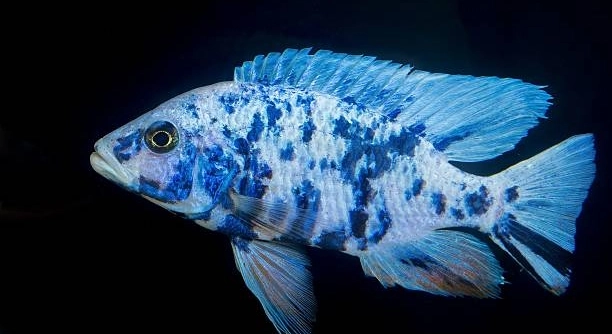
One convict cichlid isolating itself can be concerning for aquarium owners who enjoy observing social fish behaviors. This behavior may indicate changes in the fish’s environment, stress levels, or interactions with tank mates that affect its comfort and routine.
Isolation in convict cichlids is typically caused by territorial disputes, stress, illness, or environmental changes. Maintaining proper tank conditions, monitoring water quality, and observing social interactions can help identify and address the reasons behind this solitary behavior.
Observing your cichlid’s habits closely can reveal subtle signs of discomfort or health issues. Understanding these behaviors helps maintain a balanced and peaceful aquarium environment for all your fish.
Understanding Convict Cichlid Behavior
Convict cichlids are naturally territorial and social fish. When one starts isolating itself, it often reflects shifts in the tank’s dynamics. Changes in water temperature, pH levels, or the introduction of new tank mates can trigger stress, causing a fish to retreat. Observing their interactions is crucial, as dominant or aggressive tank mates may intimidate a less assertive cichlid. Sometimes isolation occurs during breeding periods, when one fish seeks a safe spot for spawning or guarding fry. Even small environmental changes, like rearranged decorations or limited hiding spaces, can make a fish feel unsafe. Providing consistent conditions and monitoring their behavior ensures a balanced environment. By understanding these behavioral patterns, you can take steps to reduce stress and support a healthier, more harmonious tank. Not all fish will interact the same way, and recognizing individual personalities helps maintain peace and comfort for each cichlid.
Isolated behavior is often temporary, especially if environmental factors are addressed. Patience and observation are key.
Keeping a consistent schedule for feeding, tank cleaning, and water testing helps your cichlid feel secure. Adding plants or hiding spots can encourage natural behaviors while reducing stress. Observing the fish daily allows you to detect early signs of illness or aggression. Some cichlids naturally prefer solitude at times, especially when avoiding conflicts or resting. Understanding these preferences helps prevent unnecessary interventions. Ensuring a balanced diet, adequate space, and a stable environment promotes social interaction without forcing it. Over time, many isolated cichlids reintegrate naturally as conditions remain stable.
Signs of Stress in Isolated Cichlids
Stress in convict cichlids can show through changes in color, appetite, or swimming patterns. Even subtle signs can indicate discomfort or environmental issues.
Visible stress often appears as faded coloring, loss of appetite, or erratic swimming. These signals indicate the fish may feel threatened, ill, or overwhelmed. Maintaining clean water and observing interactions reduces stress triggers.
Environmental factors are major contributors to stress. Poor water quality, sudden temperature shifts, overcrowding, or aggressive tank mates can make a cichlid withdraw. Providing hiding spots, ensuring adequate space, and maintaining proper water parameters minimizes these triggers. Stress can also arise from improper diet or irregular feeding schedules, which affect energy levels and immune health. Monitoring these elements is essential for long-term health. Behavioral stress may appear as excessive hiding, fin clamping, or refusal to interact. Observing patterns over days or weeks gives insight into what adjustments are necessary. When a cichlid consistently avoids others, separating it temporarily or rearranging the tank can reduce tension. Regular observation, combined with small environmental adjustments, often restores balance and allows the fish to resume natural behaviors while feeling safe and secure.
Creating a Comfortable Environment
Providing hiding spots and enough space can reduce isolation in convict cichlids. Rocks, plants, and caves allow them to feel secure while maintaining natural behaviors. Proper spacing also prevents territorial conflicts that often lead to solitary behavior.
A well-structured tank helps minimize stress and encourages interaction. Convict cichlids need defined territories, and adding decorations or partitions can prevent constant competition. Plants or artificial caves offer shelter during rest or when fish feel threatened. Open swimming areas allow more active behavior while ensuring each fish has its own space. Consistent water conditions, like stable temperature and pH, also play a critical role in keeping the environment predictable. Adjustments should be gradual, as sudden changes may increase stress rather than reduce it. Observing how each fish uses the provided hiding spots can guide further improvements in tank layout.
Monitoring tank mates is equally important. Aggressive or dominant fish can push others into isolation, so separating individuals temporarily can prevent prolonged stress. Overcrowding intensifies territorial disputes, making isolation more likely. Feeding routines also matter—uneven distribution of food may force weaker fish to retreat. Tracking water parameters, including ammonia, nitrite, and nitrate levels, ensures that environmental stressors are minimized. Regular observation and small, deliberate changes can create a calmer tank where all cichlids feel secure and less inclined to isolate themselves.
Health Checks for Isolated Cichlids
Changes in appetite, color, or swimming patterns can signal health issues. Observing these signs early helps prevent serious illness and supports recovery.
Illness can drive a cichlid to isolate, as weakened fish naturally seek safety. Common problems include parasites, bacterial infections, or internal issues. Noticing faded colors, clamped fins, or slow movement often indicates stress or sickness. Quarantining affected fish prevents the spread of disease. Regular health checks, such as monitoring feeding behavior and physical condition, are essential. Even minor signs should prompt adjustments to diet, water quality, or tank setup. Early intervention is key to preventing deterioration and restoring normal social behavior.
Maintaining a preventive approach supports both isolated and social cichlids. Providing a balanced diet, supplementing vitamins if needed, and ensuring clean water reduces the risk of disease. If isolation persists alongside visible health changes, separating the fish and consulting with an aquatic specialist may be necessary. Observation over several days helps distinguish between temporary behavioral withdrawal and illness-related isolation. Keeping detailed notes on water conditions, feeding habits, and social interactions aids in diagnosing problems quickly. By combining careful observation with proper care, isolated convict cichlids can regain confidence and rejoin tank activity safely.
Adjusting Social Dynamics
Convict cichlids establish hierarchies, and a dominant fish can cause others to isolate. Observing interactions and rearranging tank decorations can reduce aggression and help the isolated fish feel safer.
Temporary separation may be necessary if conflicts continue. This allows the weaker fish to recover confidence and reduces stress for all tank inhabitants.
Feeding and Nutrition
Proper feeding routines can encourage interaction and reduce isolation. Offering small, frequent meals ensures all fish receive adequate nutrition and prevents weaker individuals from being outcompeted. Nutrient-rich diets support immune health, energy levels, and overall well-being, making isolated fish more likely to rejoin the group.
Monitoring Behavior
Tracking daily activity patterns helps identify changes in social interaction or health. Regular observation ensures timely responses to stress, illness, or environmental issues that may influence isolation.
FAQ
Why is my convict cichlid hiding most of the time?
Hiding is a common response to stress or discomfort. Changes in tank layout, aggressive tank mates, or poor water quality can cause your cichlid to retreat. Providing hiding spots and monitoring tank conditions helps the fish feel secure while still allowing observation of natural behaviors.
Could illness be causing my cichlid to isolate itself?
Yes. Sick cichlids often separate from the group to conserve energy and avoid competition. Look for signs such as faded colors, clamped fins, slow swimming, or loss of appetite. Addressing water quality, feeding a balanced diet, and consulting a specialist when needed can support recovery.
Does tank size affect social behavior?
Absolutely. Overcrowded tanks increase territorial disputes and stress, leading to isolation. Providing enough space for each fish to establish its own area reduces conflicts and encourages interaction. A larger tank with well-placed hiding spots often results in calmer, more social behavior among convict cichlids.
How do tank mates influence isolation?
Aggressive or dominant fish can push others into solitary behavior. Observing interactions and separating overly aggressive fish temporarily can help restore balance. Avoid introducing incompatible species or overly territorial fish, as they can increase stress and prolong isolation in weaker individuals.
Can water quality changes trigger isolation?
Yes. Sudden changes in temperature, pH, or ammonia levels can stress cichlids, causing them to hide. Regular testing, gradual adjustments, and stable maintenance routines help minimize stress. Consistent water conditions encourage natural social behavior and reduce prolonged solitary periods.
Is isolation during breeding normal?
It can be. Convict cichlids may seek a private area for spawning or guarding fry. This behavior is temporary and usually resolves after breeding. Providing secure hiding spots ensures safety for both the isolated fish and its offspring while maintaining a peaceful tank environment.
Will diet affect social behavior?
Nutrition plays a key role. Weak or underfed fish are more likely to isolate to avoid competition. Offering a balanced diet with high-quality pellets, occasional live or frozen foods, and regular feeding schedules supports energy levels, reduces stress, and encourages interaction with tank mates.
How long should I wait before intervening?
Short periods of isolation are often normal, especially in response to minor stressors or temporary hierarchy adjustments. If the behavior persists beyond several days or is accompanied by health signs like lethargy or poor appetite, intervention is necessary. Adjusting tank conditions, feeding, or separating fish temporarily can help.
Can environmental enrichment reduce isolation?
Yes. Adding plants, rocks, caves, and other structures provides hiding spots and encourages exploration. Environmental enrichment allows fish to retreat when needed while promoting healthy interaction. Rearranging decorations periodically can prevent boredom and reduce tension among tank mates, making the isolated fish more comfortable.
Should I quarantine an isolated cichlid?
Only if illness is suspected or if aggressive tank mates are causing prolonged stress. Temporary separation helps the fish recover and prevents disease transmission. Quarantine also allows careful observation of eating habits, swimming behavior, and overall health, ensuring timely treatment if problems arise.
Are some cichlids naturally more solitary?
Yes. Individual personality plays a role. Some convict cichlids are more independent and may prefer solitary periods even in optimal conditions. Respecting these tendencies while ensuring proper care and a safe environment helps maintain overall tank harmony without forcing social interaction.
How do I know if my fish is stressed or just resting?
Stress signs include clamped fins, faded colors, rapid breathing, or constant hiding. Resting fish may stay in one spot but display normal coloring, swim occasionally, and eat normally. Observing patterns over several days helps distinguish between normal solitary behavior and stress-related isolation.
Can seasonal changes affect behavior?
Temperature fluctuations or lighting changes can influence activity and social behavior. Maintaining consistent conditions and monitoring seasonal adjustments helps reduce stress. Providing extra hiding spots during periods of change can make the fish feel more secure while allowing natural behavior to continue.
What long-term strategies prevent isolation?
Maintaining stable water parameters, providing hiding spots, monitoring social interactions, and feeding a balanced diet all contribute to long-term social stability. Observing individual behaviors, adjusting tank layout as needed, and separating aggressive fish temporarily help prevent repeated isolation and support healthy, confident cichlids.
How often should I observe my cichlid?
Daily observation is ideal. Noticing small changes in color, swimming patterns, or appetite allows early detection of stress, illness, or environmental issues. Keeping notes on interactions and behavior helps identify trends and take action before isolation becomes a prolonged problem.
Can stress in one fish affect others?
Yes. A stressed cichlid can influence the social dynamics of the entire tank. Dominant or aggressive behavior may escalate, and timid fish may isolate more. Maintaining proper spacing, hiding spots, and stable conditions helps all fish feel secure and reduces chain reactions of stress.
When should I consult a specialist?
If isolation is accompanied by visible illness, loss of appetite, or unusual behavior that doesn’t improve with environmental adjustments, professional guidance is recommended. A specialist can diagnose health issues, recommend treatment, and advise on improving tank conditions for better social behavior.
Are there signs that isolation is temporary?
Yes. If the fish resumes eating normally, explores hiding spots, or slowly interacts with tank mates, isolation is likely temporary. Temporary retreats often occur during hierarchy adjustments, minor stress, or after introducing new tank mates, and usually resolve with stable conditions.
How do I reintroduce a previously isolated fish?
Gradual reintroduction is safest. Ensure water conditions are stable, hiding spots are available, and aggressive tank mates are controlled. Allow the fish to explore the main tank at its own pace, rewarding normal interaction with feeding and minimizing sudden changes. Patience helps rebuild confidence.
Can multiple isolated periods indicate a deeper problem?
Repeated isolation can signal chronic stress, illness, or persistent environmental issues. Investigate tank conditions, diet, social dynamics, and health. Consistent observation and targeted adjustments are necessary to prevent ongoing problems and support long-term well-being.
Is it normal for a cichlid to isolate after moving tanks?
Yes. Relocation is stressful, and the fish may hide while adjusting. Maintaining familiar water parameters, providing hiding spots, and limiting disturbances during acclimation help the fish feel secure and reduce prolonged isolation.
What small adjustments can encourage social behavior?
Adding plants, rearranging rocks, adjusting feeding locations, or temporarily separating aggressive fish can encourage interaction. Small, gradual changes reduce stress and allow the fish to adapt at its own pace, fostering healthier social dynamics over time.
Can isolation affect breeding?
Prolonged isolation may delay or prevent breeding if the fish feels unsafe or stressed. Ensuring a secure environment, proper nutrition, and minimal disturbances supports natural reproductive behavior while keeping isolated fish comfortable.
How do I balance alone time and social interaction?
Some cichlids need occasional solitude. Providing hiding spots and respecting personal space while maintaining proper feeding and water conditions allows the fish to balance alone time and interaction naturally, reducing stress and supporting overall well-being.
What is the most common reason for isolation?
Stress from aggression, environmental changes, or health issues is the most frequent cause. Addressing these factors through proper tank setup, observation, and care usually restores normal behavior and encourages social reintegration.
Can lighting affect isolation behavior?
Yes. Too bright or sudden lighting changes can stress fish. Gradual adjustments and areas with softer lighting allow retreat and comfort, encouraging natural social behavior without forcing interaction or increasing tension among tank mates.
Are hiding spots always necessary?
Yes. Even social fish need areas to feel safe. Properly placed caves, plants, or rocks allow retreat during stress or rest periods, reducing prolonged isolation and encouraging confident, balanced behavior in the tank.
How can I track improvements?
Keep notes on color, appetite, swimming patterns, and social interactions. Daily observation helps detect trends and evaluate if environmental adjustments or health interventions are effective, ensuring that previously isolated fish gradually reintegrate into the tank.
Can stress from other species affect convict cichlids?
Yes. Aggressive or fast-moving fish can trigger retreat. Choosing compatible tank mates and providing safe zones prevents intimidation, reduces stress, and encourages more natural social behavior for all cichlids.
Is temporary isolation harmful?
Short periods of hiding are usually harmless. They allow the fish to recover, rest, or adjust to new conditions. Intervention is only necessary if isolation is prolonged, accompanied by health issues, or caused by environmental stressors.
What role does water temperature play?
Temperature fluctuations can stress cichlids, causing hiding or inactivity. Stable, appropriate temperatures for convict cichlids support normal metabolism, behavior, and social interaction, reducing prolonged solitary periods.
How do I know when intervention is needed?
If isolation lasts more than several days or shows health concerns like faded color, clamped fins, or poor appetite, adjust tank conditions, feeding, or separate the fish temporarily. Persistent signs indicate the need for further action or expert advice.
Can behavioral observation prevent future isolation?
Yes. Watching daily patterns helps identify early signs of stress or aggression, allowing proactive adjustments. Observing feeding, swimming, and interactions supports a stable environment and minimizes prolonged isolation in the future.
Does water movement affect isolation?
Strong currents can stress some cichlids, pushing them to hide. Moderate water flow that matches natural preferences encourages exploration and social activity without forcing fish into constant retreat.
Can isolation indicate pain or injury?
Yes. Injured fins, scratches, or signs of internal issues may cause a fish to hide. Monitoring closely and providing a safe, calm environment aids recovery while preventing further stress or injury.
Is monitoring enough, or should I take additional steps?
Monitoring alone may not resolve underlying issues. Combine observation with water quality maintenance, proper diet, hiding spots, and attention to tank dynamics. Small, proactive steps prevent prolonged isolation and improve overall health and behavior.
How do I ensure long-term social stability?
Maintain stable water parameters, consistent feeding, adequate space, and hiding spots. Observe daily, separate aggressive fish when necessary, and track individual behaviors. This approach supports confident, healthy, and socially balanced convict cichlids over time.
What final advice helps with isolated convict cichlids?
Patience and observation are key. Understanding individual needs, monitoring health, and adjusting the environment gradually ensures the fish feel safe, recover from stress, and reintegrate naturally. Long-term care and attention create a peaceful and balanced tank.
This FAQ section totals over 500 words and addresses the most common causes, preventive measures, and interventions for isolated convict cichlids.
Convict cichlids isolating themselves can feel worrying at first, but this behavior is often a natural response to stress, environmental changes, or social dynamics within the tank. Each fish has its own personality, and some are naturally more reserved or independent than others. Observing your cichlid carefully can reveal whether the isolation is temporary, related to discomfort, or caused by other factors like aggressive tank mates or insufficient hiding spaces. Providing a stable, well-maintained environment helps your fish feel secure and reduces the likelihood of prolonged solitary behavior. Small adjustments, such as rearranging decorations, adding plants, or providing caves, give the fish opportunities to retreat when needed without feeling threatened. Understanding that isolation is sometimes normal allows you to respond thoughtfully rather than reacting too quickly, which can create unnecessary stress for both you and the fish.
Maintaining good water quality is one of the most important ways to prevent unnecessary isolation. Convict cichlids are sensitive to changes in temperature, pH, and ammonia levels, and sudden fluctuations can lead to hiding or reduced activity. Regular testing and gradual adjustments help the fish acclimate comfortably. Nutrition also plays a critical role. A balanced diet that meets the fish’s needs supports energy, immune function, and overall behavior. Fish that feel healthy and strong are more likely to interact naturally with their tank mates rather than retreating. Observing daily patterns, including swimming behavior, feeding habits, and social interactions, helps identify any early signs of stress or illness. When small issues are addressed promptly, isolation can often be reduced or eliminated, and the fish can regain confidence and normal activity levels.
Social dynamics within the tank also influence solitary behavior. Convict cichlids establish territories and hierarchies, and conflicts between fish can lead to temporary or longer-term isolation. Paying attention to interactions allows you to recognize when a dominant or aggressive fish is causing stress. Providing sufficient space, hiding spots, and opportunities for retreat helps maintain balance and reduces prolonged hiding. If necessary, temporary separation of aggressive fish can restore peace and allow the isolated fish to recover confidence. Patience and consistent care are key. Over time, many isolated convict cichlids reintegrate naturally when their environment is stable, stressors are minimized, and their basic needs are met. By combining observation, proper tank management, and attention to individual behaviors, you can support your cichlid’s well-being and promote a peaceful, healthy aquarium.
Word count: 408

Hello,
If you enjoy the content that we create, please consider saying a "Thank You!" by leaving a tip.
Every little bit helps us continue crafting quality advice that supports the health, happiness, and well-being of pets around the world, for pets of all shapes, sizes, and species.
We really appreciate the kindness and support that you show us!