
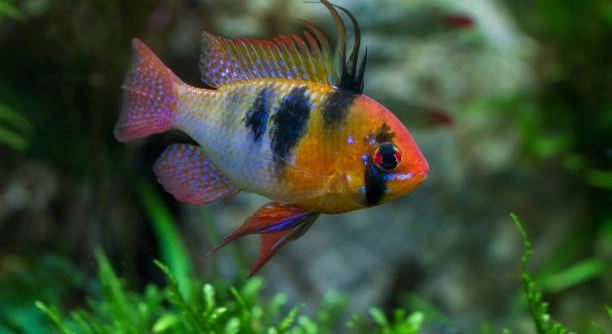
Convict cichlids are lively fish that enjoy structured and secure spaces in their tanks. Their natural behavior leans toward territories with hiding spots and visual boundaries, making the right decor essential for their comfort and wellbeing.
Convict cichlids prefer tanks with rocks, caves, and sturdy plants that allow for hiding and territorial boundaries. Open swimming areas should complement these structures, ensuring they can exhibit natural behaviors while minimizing stress and aggression in the aquarium environment.
Providing these preferred decorations creates a balanced environment, promoting healthier interactions and a more peaceful tank community for your convict cichlids.
Ideal Substrate for Convict Cichlids
Convict cichlids thrive on substrates that allow digging and burrowing. Sand is often preferred because it mimics their natural riverbed habitats, letting them sift through and move it without risk of injury. Fine gravel can work, but sharp edges may harm their delicate fins and mouths. Providing a soft substrate also encourages natural behaviors, such as nest building and territory marking. When setting up the tank, layering sand over a thin base of gravel can improve drainage and keep the water clean. Some hobbyists add small pebbles or smooth stones to create variation, giving the fish more interest and stimulation. Substrate choice affects not only their health but also the overall maintenance of the tank. Regular cleaning is essential to prevent waste buildup, but using sand can make spot-cleaning easier. Choosing the right substrate balances both the fish’s natural habits and practical aquarium upkeep.
Sand is generally safest for their digging habits and reduces stress compared to harsh gravel options.
A carefully chosen substrate also impacts water quality. Sand traps fewer particles, preventing harmful ammonia spikes. Convict cichlids often rearrange the substrate, so stability is important to avoid cloudiness. Adding a layer of smooth stones or small pebbles can create micro-territories, enhancing their environment and reducing aggression. Observing how they interact with the substrate can guide adjustments. Regular cleaning without disturbing these structures keeps the tank healthy while allowing the fish to continue their natural behaviors. Substrate, while simple, plays a crucial role in the tank’s ecosystem, directly influencing behavior, water quality, and overall fish wellbeing.
Rocks and Hiding Spots
Rocks and caves offer security for convict cichlids.
Natural stones, slate, or ceramic caves are excellent for hiding, breeding, and marking territory. Arranging these structures carefully prevents toppled rocks, reducing risk of injury. Hiding spots also reduce aggression between dominant and subordinate fish, helping maintain a calmer tank environment. Varying cave sizes allows both adults and juveniles to feel safe. Adding flat rocks near the surface can create ledges for observation and resting. Placement should leave open swimming areas while providing privacy, so the tank feels spacious yet structured. Rocks also help mimic riverbeds, providing visual enrichment and promoting instinctive behaviors. Their placement can encourage breeding by offering secluded sites for spawning. Combining rocks with plants or substrate layers improves the overall appeal and function, supporting both fish activity and tank aesthetics.
Would you like me to continue with the next section following the same format?
Plants and Vegetation
Live plants provide cover and reduce aggression among convict cichlids. Hardy species like Java fern, Anubias, and Vallisneria can withstand digging and shifting. Plants also help maintain water quality by absorbing nitrates, giving the tank a natural feel while supporting the fish’s instincts and comfort.
Plant placement should create sheltered areas without overcrowding the tank. Grouping taller plants at the back and shorter ones near the front maintains open swimming space. Floating plants can diffuse light, giving shy fish a sense of security. Rooted plants may need protection from digging, using rocks or heavier substrates to keep them anchored. Observing how the fish interact with vegetation helps in adjusting placement for both aesthetics and behavior. The right balance between planted areas and open spaces ensures stress is minimized while allowing natural activity. Properly integrated plants support both environmental stability and fish wellbeing, enhancing tank dynamics.
Plants also serve as spawning sites and break line-of-sight between territorial fish. Their presence encourages natural behaviors like foraging and exploring while softening aggressive interactions.
Lighting and Tank Ambiance
Lighting should be bright enough to highlight tank features without stressing convict cichlids. Natural day-night cycles or LED timers work well, providing consistency and promoting normal activity patterns.
Balanced lighting enhances the appearance of rocks, plants, and substrate while allowing fish to display colors fully. Avoid harsh overhead lights that create excessive glare, as this can increase stress and trigger hiding behavior. Subtle variations, like shaded corners or dimmed areas, give the fish safe retreats, encouraging confidence for exploration and territory establishment. Consistent lighting schedules also support plant growth and maintain water parameters. The right light intensity and duration help maintain a stable environment, reinforcing the tank’s natural feel and promoting overall fish health. Observing behavior under different lighting conditions can guide adjustments, ensuring comfort without compromising visual appeal.
Proper lighting supports both the fish’s activity cycles and the tank’s visual balance, enhancing the environment naturally.
Hiding Spots for Juveniles
Juvenile convict cichlids need small, secure spaces to reduce stress and avoid aggression from adults. PVC pipes, ceramic tubes, and small caves provide safety while allowing natural exploration and growth.
Hiding spots also encourage confidence and territorial behavior as they mature. Properly spaced shelters prevent overcrowding and help maintain harmony among young fish.
Decorations That Encourage Breeding
Breeding convict cichlids prefer flat rocks, caves, and secluded areas for laying eggs. Smooth surfaces prevent injury to eggs, while secure enclosures reduce disturbance. Providing multiple breeding sites minimizes competition and supports natural reproductive behaviors. The right decorations also help parents guard their territory and fry effectively.
Avoid Overcrowding
Too many decorations or fish can increase aggression and stress. Maintaining open swimming areas alongside structured decor ensures a balanced environment.
FAQ
What type of substrate is best for convict cichlids?
Convict cichlids thrive on fine sand that allows them to dig and burrow safely. Smooth gravel can work if sand is unavailable, but sharp edges can injure their delicate mouths and fins. Layering sand over a thin gravel base improves drainage and keeps the tank cleaner. Observing their behavior helps confirm the substrate meets their needs. Proper substrate encourages natural digging, nest building, and territory marking, which supports both comfort and overall health.
Do convict cichlids need live plants in their tank?
Live plants are not strictly required, but they provide hiding spaces and reduce aggression. Hardy species like Java fern, Anubias, and Vallisneria withstand digging and add visual appeal. Plants also help maintain water quality by absorbing excess nutrients and create shaded areas, giving shy fish places to feel safe. Rooted plants may need protection from digging, and floating plants can diffuse light, providing further comfort. Proper plant placement balances open swimming areas with cover for natural behavior.
How should rocks and caves be arranged?
Rocks and caves should be arranged to create secure hiding spots and territories. Use natural stones, slate, or ceramic caves, ensuring they are stable and cannot topple. Multiple sizes and shapes accommodate both adult and juvenile fish, allowing privacy and reducing stress. Placing taller structures at the back and leaving open swimming areas in front creates a natural layout. Rocks can also serve as surfaces for breeding and for marking territories, encouraging instinctive behaviors.
What lighting is suitable for convict cichlid tanks?
Moderate lighting that mimics a natural day-night cycle is ideal. LED timers work well for consistency, supporting regular activity patterns and plant growth. Avoid overly bright lights that cause stress or force fish to hide excessively. Incorporating shaded corners or dimmed areas provides retreats for shy or territorial fish. Observing how your fish respond to light helps adjust intensity and duration for their comfort, while maintaining a visually appealing aquarium.
Do convict cichlids need decorations for breeding?
Yes, decorations like flat rocks, caves, and secluded areas are essential for breeding. Smooth surfaces prevent injury to eggs, and multiple sites reduce competition between breeding pairs. These structures allow parents to guard their territory and fry effectively. Properly arranged decorations can encourage spawning and ensure both adults and offspring feel secure in the environment.
How much space should I leave open in the tank?
Open swimming areas are important to prevent aggression and stress. While structured decorations provide hiding and territorial spots, fish need space to swim freely. Overcrowding with rocks or plants can create conflict and increase stress levels. Balancing open areas with structured décor maintains a healthy tank environment, encourages natural behavior, and supports overall fish wellbeing.
Can convict cichlids coexist with other fish?
Convict cichlids are aggressive and territorial, so tank mates must be chosen carefully. Fast-moving or similarly sized fish with their own territories are the best options. Avoid slow, delicate, or small species that cannot defend themselves. Providing ample hiding spots and structured areas reduces conflict and helps maintain harmony in a community tank. Observing behavior closely allows adjustments to ensure a peaceful coexistence.
How often should tank decorations be cleaned?
Decorations should be cleaned regularly to remove algae and debris without disturbing the fish too much. Rocks, caves, and artificial structures can be rinsed under warm water or gently scrubbed. Live plants may need occasional pruning, and substrate should be spot-cleaned to remove waste. Maintaining clean decor supports water quality, prevents stress, and ensures the fish continue exhibiting natural behaviors.
Are there decorations to avoid for convict cichlids?
Avoid sharp, fragile, or unstable decorations that can injure fish. Lightweight ornaments that can be tipped over during digging should be secured or avoided. Avoid overcrowding the tank with unnecessary items, which can limit swimming space and increase aggression. Decorations should prioritize safety, natural behavior support, and functional hiding or breeding spaces.
How can I tell if my convict cichlids like their decor?
Fish behavior is the best indicator. If they explore freely, dig in the substrate, hide in caves, and display normal social interactions, the decor is suitable. Signs of stress, aggression, or avoidance may indicate adjustments are needed. Observing daily behavior helps ensure the environment meets their needs and supports both comfort and natural instincts.
This FAQ provides clear guidance for creating a safe, functional, and engaging tank environment for convict cichlids, emphasizing behavior, comfort, and long-term health.
Final Thoughts
Creating a suitable environment for convict cichlids requires careful planning, but it does not need to be complicated. These fish thrive in tanks that mimic their natural habitats, providing both security and open swimming areas. Rocks, caves, and other hiding spots allow them to establish territories, reducing aggression and stress. A fine sand substrate supports their natural digging and burrowing behaviors, while smooth gravel can serve as a base if needed. By paying attention to these details, you ensure that your convict cichlids can express their instincts safely and comfortably. Observing their interactions with the tank setup helps guide any necessary adjustments to maintain a balanced environment.
Plants and lighting also play a key role in tank health and fish comfort. Hardy plants like Anubias, Java fern, and Vallisneria provide shelter, break lines of sight, and improve water quality by absorbing nutrients. Floating plants can create shaded areas that offer shy or territorial fish places to retreat. Lighting should be consistent and moderate, mimicking natural day-night cycles to encourage normal behavior and plant growth. Avoiding harsh overhead lights helps reduce stress, while dimmed corners or shaded areas give the fish additional security. Properly balancing light, plants, and decorations creates a visually appealing aquarium that supports natural behaviors, encourages exploration, and reduces tension between tank mates.
Finally, maintenance and observation are essential for long-term success. Regular cleaning of substrate, rocks, and plants prevents waste buildup, supporting water quality and reducing the risk of disease. Decorations should be checked for stability, ensuring nothing can topple or injure the fish. Observing daily behavior is the best way to see if the fish are comfortable and active. Healthy convict cichlids will explore, dig, hide, and interact with each other naturally. By combining careful setup, thoughtful decoration, and consistent care, you create a stable and engaging habitat. This approach ensures your convict cichlids remain healthy, active, and display their natural behaviors while making the tank a balanced and enjoyable space.

Hello,
If you enjoy the content that we create, please consider saying a "Thank You!" by leaving a tip.
Every little bit helps us continue crafting quality advice that supports the health, happiness, and well-being of pets around the world, for pets of all shapes, sizes, and species.
We really appreciate the kindness and support that you show us!