
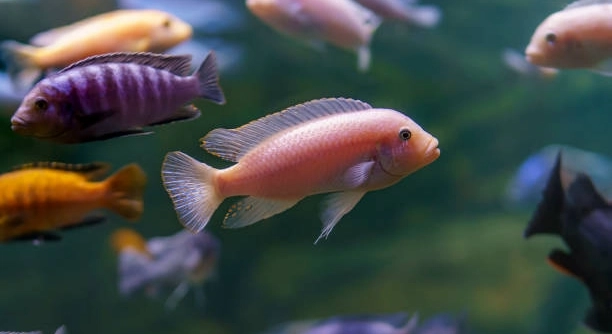
Many cichlid owners enjoy watching their fish breed, but sometimes these colorful pets refuse to spawn despite ideal conditions. Understanding why this happens can save frustration and help maintain a healthy aquarium environment for both fish and owner.
Cichlids often refuse to spawn due to stress, improper water conditions, or lack of suitable breeding pairs. Ensuring stable temperature, correct pH, proper diet, and adequate hiding spaces increases the likelihood of successful spawning and healthy fry development.
Following simple adjustments and observing your fish carefully can greatly improve their chances of breeding successfully in a home aquarium.
Adjust Water Conditions
Cichlids are very sensitive to their environment. Even small changes in temperature, pH, or hardness can prevent spawning. I learned that keeping the water clean and stable makes a big difference. Regular testing and partial water changes help maintain the right balance. Some species prefer slightly acidic water, while others thrive in neutral or slightly alkaline conditions. Temperature also plays a key role. Many cichlids need a few degrees warmer water to trigger breeding behavior. If the tank fluctuates too much, they can become stressed, which stops them from spawning. Hiding spots like rocks or plants give them security. Stress can be subtle—like flicking fins nervously or hiding more than usual. Observing these signs can guide adjustments. It’s not just about keeping the water “good,” it’s about creating a calm, stable space where the fish feel safe to breed and care for their eggs properly.
Consistently stable water encourages cichlids to become more confident and ready to spawn, increasing the chances of successful breeding.
Maintaining ideal water conditions requires attention to both chemical and physical factors. Monitor pH, hardness, and temperature carefully, making changes slowly to avoid shocking the fish. Use a reliable thermometer and test kits to track levels accurately. Partial water changes every week prevent buildup of harmful chemicals like ammonia or nitrites. Adding natural décor such as rocks, caves, or plants can simulate a natural environment. This helps cichlids feel secure, which is critical for mating behavior. Different species have different preferences, so research is important. For example, African cichlids often prefer harder water, while South American species may need softer conditions. Avoid overcrowding, as too many fish in one tank increases stress and reduces breeding chances. Observing behavior closely will indicate if adjustments are working. Over time, small consistent changes in water quality and tank setup can create the ideal environment for cichlids to spawn successfully.
Provide Proper Diet
A healthy diet directly affects breeding readiness. Feeding high-quality food and occasional live treats improves egg production and vitality.
Nutrition is crucial for cichlids to develop energy for spawning. They need protein, vitamins, and varied food sources to stay healthy and fertile.
Offering a mix of pellets, flakes, and occasional live or frozen foods strengthens cichlids’ reproductive systems. Protein-rich meals like brine shrimp or bloodworms can stimulate breeding behavior. Vegetables such as spinach or peas provide fiber and essential nutrients. Feeding smaller amounts multiple times a day keeps fish active and reduces stress. Avoid overfeeding, as excess food pollutes the water and may reduce breeding motivation. Seasonal changes in diet can also help trigger natural spawning cycles. For instance, increasing protein slightly before breeding season can encourage egg development. Observing how your fish respond to different foods helps identify what works best. Maintaining a consistent feeding schedule supports overall health, making cichlids more likely to engage in mating behaviors, lay eggs, and care for fry successfully.
Separate Aggressive Fish
Aggression can stop cichlids from spawning. Dominant fish may harass or chase mates, preventing courtship and egg-laying. Separating aggressive individuals can create a calmer environment and encourage breeding.
Keeping aggressive fish apart reduces stress and allows shy or smaller cichlids to behave naturally. In a tank with multiple species or uneven sex ratios, dominant fish often intimidate others, making them hide or avoid pairing. Using dividers or temporary quarantine tanks can help manage behavior. Observation is key—watch for chasing, nipping, or territorial displays that disrupt courtship. Adjusting tank layout with extra hiding spots also lowers tension. Once aggression is minimized, cichlids are more likely to form pairs, engage in mating rituals, and lay eggs successfully.
After separating aggressive fish, observe interactions closely. Some cichlids may still assert dominance, so be prepared to rearrange decorations or provide additional barriers. Maintaining calm conditions and consistent monitoring supports natural breeding patterns, ensuring all potential breeders feel safe enough to reproduce.
Introduce Suitable Breeding Pairs
Not all cichlids will spawn with any tank mate. Pairing compatible males and females increases chances of successful breeding. Proper selection depends on species, size, and temperament.
Selecting the right pair involves more than choosing one male and one female. Age, health, and previous breeding experience affect readiness. Some cichlids are strictly monogamous, while others tolerate multiple partners. Observing behavior helps identify compatible mates; signs include mutual following, gentle nipping, or synchronized swimming. Avoid pairing fish of very different sizes, as aggression or fear may prevent spawning. When possible, let them acclimate together gradually, allowing natural courtship behaviors to emerge. Ensuring the pair has enough space and privacy also reduces stress, increasing the likelihood of successful egg-laying.
Once a compatible pair is established, support their breeding environment with proper water conditions, nutrition, and hiding spots. Monitoring their interactions allows timely adjustments, preventing fights and enhancing the chances of healthy fry development. This careful pairing strategy often makes the difference between repeated failure and successful cichlid spawning.
Increase Hiding Spots
Cichlids feel more secure with plenty of hiding spots. Rocks, caves, and plants reduce stress and encourage natural breeding behavior.
Providing multiple hiding areas allows shy or smaller fish to retreat when needed. Feeling safe makes them more likely to court and lay eggs.
Adjust Lighting
Lighting affects cichlid behavior. Brighter lights can stress some species, while dimmer, consistent lighting often encourages spawning. Adjust the light gradually and maintain a steady schedule to mimic natural day and night cycles.
Monitor Tank Temperature
Temperature plays a key role in triggering spawning. Keep water within the preferred range for your specific cichlid species. Sudden drops or spikes can delay or prevent breeding, so consistency is essential.
Reduce Noise and Vibrations
Cichlids are sensitive to external disturbances. Limiting loud noises, sudden movements, and vibrations around the tank helps them feel secure and increases the chances of successful spawning.
FAQ
Why are my cichlids not spawning even though conditions seem perfect?
Even with seemingly ideal water, nutrition, and tank setup, subtle stressors can prevent spawning. Overcrowding, aggressive tank mates, or insufficient hiding spaces may stop courtship. Observing their behavior closely often reveals signs of stress, such as hiding, fin flicking, or avoiding potential mates. Small adjustments in tank layout or separating aggressive fish usually help.
How long does it take for cichlids to start spawning?
The timeline varies by species, age, and environment. Some cichlids may start within a few weeks of reaching sexual maturity, while others take several months. Maintaining consistent water conditions, proper diet, and reducing stressors accelerates readiness, but patience is often necessary. Courtship behavior can appear before actual egg-laying.
Do I need to provide special foods for breeding?
Yes, nutrition impacts fertility. High-quality pellets, flakes, and protein-rich live or frozen foods like brine shrimp or bloodworms enhance egg development. Vegetables, such as peas or spinach, provide fiber and vitamins. Feeding smaller portions multiple times a day keeps fish active without polluting water, which is essential for healthy spawning.
Can cichlids spawn in community tanks?
Some species can, but aggressive or territorial behavior from other fish may prevent it. Separating pairs or using dividers often works better. Community tanks require careful observation to ensure the breeding pair has enough space and privacy, and that fry are protected from potential predators in the tank.
How do I know if my cichlids are ready to breed?
Signs include increased activity, following or circling each other, gentle nipping, and cleaning surfaces where eggs may be laid. Males may display brighter colors, while females appear fuller when carrying eggs. Observing these behaviors helps identify readiness and indicates which pair is most compatible.
What should I do if eggs are being eaten?
Egg predation is common. Some cichlids eat their own eggs if stressed or inexperienced. Providing proper hiding spots, removing aggressive fish, and ensuring water conditions are stable reduces this risk. In some cases, separating the eggs or moving them to a breeder tank may be necessary to ensure fry survival.
Do temperature changes really affect spawning?
Yes, small temperature changes can trigger or delay spawning. Many cichlids spawn more readily when water is slightly warmer. Consistency is key, as sudden spikes or drops cause stress and halt breeding behavior. Using a reliable heater and thermometer ensures stable conditions.
Can cichlids breed more than once a year?
Yes, with the right conditions, some species can spawn multiple times annually. Regular feeding, stable water, and stress-free environments allow frequent reproductive cycles. However, overbreeding may weaken females, so monitoring health is important to avoid long-term harm.
How do I protect fry after hatching?
Fry need calm, secure spaces away from adult aggression. Fine-leaved plants, breeding boxes, or separate fry tanks work well. Feeding infusoria or finely crushed food supports early growth. Regular water changes help maintain quality, which is crucial for their survival and healthy development.
What if my cichlids never spawn?
Some fish may be incompatible or stressed beyond resolution. Age, health, or temperament differences affect breeding potential. Adjusting tank conditions, diet, and pairing strategies improves chances, but sometimes it may take trying different pairs or environments to achieve successful spawning.
Cichlids are fascinating fish, but getting them to spawn can take patience and attention. Even when water conditions, diet, and tank setup seem perfect, these fish may not reproduce immediately. Stress, aggression, and subtle environmental factors often play a larger role than many realize. Providing hiding spots, proper nutrition, and calm surroundings helps create a sense of security, which encourages natural breeding behaviors. Watching their interactions closely allows you to notice early signs of courtship or problems. Adjustments can be small, like rearranging rocks or plants, or slightly larger, like separating aggressive individuals or changing the lighting schedule. Over time, these consistent steps build an environment where cichlids feel safe enough to breed. Understanding their specific species needs is also important because not all cichlids have the same preferences for water hardness, pH, or tank mates. Observing their reactions to small changes gives clear guidance on what works best.
Successful cichlid breeding is rarely instant. Many fish need time to acclimate to their surroundings and to form compatible pairs. Pair selection is especially important because not every male and female will bond or spawn naturally. Signs like mutual following, gentle nipping, or synchronized swimming indicate that a pair may be ready to breed. Once eggs are laid, additional care may be required to ensure they survive, such as providing extra hiding spaces or moving fry to a separate tank. Feeding plays a significant role throughout the process. A balanced diet with protein-rich live or frozen foods, supplemented by vegetables and high-quality pellets, improves fertility and overall health. Consistency is key, whether it is feeding schedules, water quality, or lighting patterns. Even small, gradual improvements in care can dramatically increase the likelihood of successful spawning and healthy fry development.
Patience and careful observation are the most valuable tools for anyone trying to breed cichlids. Adjusting water conditions, diet, and tank layout may feel like minor steps, but they collectively create a stable, stress-free environment that encourages natural breeding behavior. Aggression and stress are major obstacles, so maintaining calm, providing hiding spots, and separating incompatible individuals when necessary can make a real difference. Monitoring temperature and light consistency supports natural spawning triggers, while gradual changes avoid shocking the fish. Even after eggs hatch, proper care of the fry ensures survival and growth. Understanding the needs of each species, paying attention to behavioral cues, and consistently maintaining optimal conditions are essential. With time, observation, and thoughtful adjustments, cichlids that initially refuse to spawn can eventually breed successfully, allowing you to enjoy the process and witness the growth of healthy, vibrant fry.

Hello,
If you enjoy the content that we create, please consider saying a "Thank You!" by leaving a tip.
Every little bit helps us continue crafting quality advice that supports the health, happiness, and well-being of pets around the world, for pets of all shapes, sizes, and species.
We really appreciate the kindness and support that you show us!