
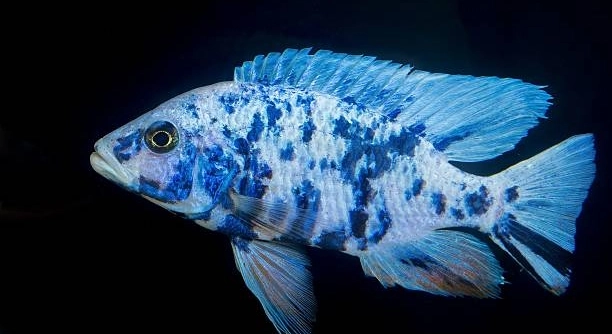
Convict cichlids are known for their lively and sometimes aggressive behavior, especially during breeding. Their vibrant colors and strong personalities make them fascinating to watch, but their mating habits can sometimes lead to unexpected consequences.
Convict cichlids can indeed sustain injuries during mating due to their territorial and competitive behavior. Fights between mates or rival males may cause fin tears, scale loss, or minor wounds, though these injuries are generally not life-threatening if the environment is safe.
Being aware of these risks can help owners maintain a safer tank environment for their fish. Proper care and observation ensure their mating process remains healthy and relatively stress-free.
How Mating Can Cause Injuries
During mating, convict cichlids display strong territorial behavior. Males often chase females or other males aggressively to defend their chosen area. This can lead to fin nipping, scratches, or scale loss. Even when a female is ready to mate, she may resist, triggering minor fights. Overcrowded tanks increase stress and the likelihood of injuries. Sharp decorations or rough surfaces in the aquarium can worsen these wounds. It is important to observe interactions carefully. Providing hiding spots and smooth surfaces can reduce accidental injuries. Balanced feeding also helps fish maintain strength and recover faster. Stress from frequent disturbances can make even minor injuries more serious. Understanding typical mating behavior allows owners to predict and minimize risks. While some fighting is normal, repeated or severe aggression needs attention. Keeping the tank clean and monitoring water quality supports healing. Most injuries heal naturally if the fish are in a calm environment with proper care.
Providing enough space and hiding spots helps reduce conflict and keeps mating interactions safer for all fish involved.
Even with precautions, injuries can happen. When they occur, it’s essential to treat minor wounds promptly. Small scratches usually heal on their own, but deep cuts or torn fins may require isolation or medicated baths. Observing behavior daily helps detect signs of stress or infection early. Adjusting tank mates or rearranging the environment can prevent further harm. Maintaining water quality reduces the risk of secondary infections, which can worsen injuries. Avoid overfeeding or introducing aggressive fish during breeding periods. Healthy fish recover faster, so focus on balanced nutrition and gentle handling. Documenting injuries and recovery progress helps recognize patterns in aggression. Over time, you learn how each fish behaves during mating. This knowledge allows interventions that keep both males and females safer. Minor injuries are part of their natural behavior, but careful management ensures they remain temporary. Consistent observation and proper tank setup are the most effective ways to protect convict cichlids during mating.
Signs of Injury to Watch
Small tears, missing scales, or ragged fins are common indicators of injury during mating.
If injuries appear, immediate attention is needed to prevent infection. Clean water, isolation when necessary, and monitoring feeding habits are key steps. Injured fish may hide more or show reduced activity. Preventing escalation involves reducing stress and maintaining a calm environment. Regular observation ensures minor injuries do not become serious, helping convict cichlids remain healthy while mating. Recognizing early warning signs allows quick intervention and supports recovery.
Preventing Mating Injuries
Providing plenty of space in the tank helps reduce aggression during mating. Smooth surfaces and hiding spots prevent accidental wounds. Separating overly aggressive fish can protect weaker mates and keep injuries minimal.
Monitoring interactions is crucial. Male convict cichlids are naturally territorial, and females may fight back if cornered. Overcrowded tanks increase stress and make injuries more likely. Keeping decorations rounded and avoiding sharp objects reduces the risk of cuts and torn fins. Providing visual barriers or plants allows fish to retreat safely. Proper nutrition strengthens their immune system, helping minor wounds heal faster. Observing behavior regularly helps predict potential fights before they escalate. Stress reduction and careful tank management create a safer breeding environment for both males and females.
Sometimes injuries still occur despite precautions. Minor scratches or fin tears are usually temporary and heal with clean water and proper nutrition. Severe injuries may need isolation or medicated treatment. Avoid sudden changes in water temperature or adding new fish during breeding periods, as these stressors can worsen aggression. Watching for early signs of infection ensures timely intervention. Healthy, well-fed fish recover more quickly, and careful attention prevents long-term damage. Adjusting tank layout or separating dominant males can maintain peace. Documenting incidents can help identify patterns and improve future breeding conditions.
Treating Injuries in Convict Cichlids
Isolating injured fish prevents further aggression and speeds recovery. Proper water quality and minimal stress are essential.
Once injured fish are separated, maintaining optimal water parameters is critical. Clean water reduces infection risk, while gentle filtration prevents damage to delicate fins or scales. Adding aquarium salt or mild antiseptic treatments can support healing, but only in recommended doses. Observe feeding behavior, as injured fish may eat less. Providing soft, nutritious food encourages recovery. Avoid frequent handling to reduce stress further.
For more severe wounds, medicated baths or isolation tanks may be necessary. Deep cuts or fin loss can attract secondary infections if left untreated. Regular observation allows adjustments in treatment and tank conditions. Preventing further fights is as important as healing the injury. Adjusting tank mates, adding hiding spaces, and reducing disturbances ensures the injured fish can recover safely. Early intervention often leads to full recovery, keeping breeding pairs healthy for future mating cycles. Maintaining proper care during this period supports long-term fish health.
Common Causes of Mating Injuries
Aggression between males is a frequent cause of injuries during mating. Territorial disputes and competition for females often lead to fin nips and scratches.
Females can also sustain injuries if they resist persistent males. Overcrowding and sharp tank decorations make these wounds worse, increasing stress and slowing recovery.
Recognizing Stress in Convict Cichlids
Stress can make fish more prone to injury. Signs include hiding, reduced activity, loss of appetite, and faded colors. Consistent observation helps detect these early. Reducing stress through proper tank setup, sufficient space, and gentle handling improves their overall health during mating periods.
Tank Setup Tips
Provide smooth surfaces, plants, and hiding spots to reduce conflicts. Adequate space prevents aggressive encounters and supports safer mating behavior.
FAQ
Can convict cichlids die from mating injuries?
Most injuries during mating are minor, such as fin nips or small scratches, and do not lead to death. Severe wounds or infections, however, can become dangerous if left untreated. Prompt isolation, clean water, and proper care usually prevent fatal outcomes.
How can I tell if my fish is seriously injured?
Serious injuries often involve deep cuts, missing scales, torn fins, or bleeding. Fish may hide excessively, lose appetite, or show unusual swimming patterns. Early recognition is crucial, as these signs indicate the need for isolation and possibly medicated treatment.
Is aggression normal during mating?
Yes, aggression is a natural part of convict cichlid mating. Males compete for territory and females, and females may resist persistent males. While some fighting is expected, monitoring interactions ensures injuries remain minor and manageable.
How do I reduce fighting between males?
Providing more space, visual barriers, and hiding spots reduces male-on-male aggression. Avoid overcrowding and ensure each male has its own territory. Rearranging decorations occasionally helps prevent one fish from dominating all areas.
Should injured fish be isolated?
Yes, isolating injured fish prevents further aggression and supports faster recovery. Use a separate tank or breeding box with clean water and minimal stress. This also reduces the risk of secondary infections.
Can diet affect healing?
A balanced diet supports healing. Protein-rich foods and occasional vitamin supplements strengthen the immune system and help wounds recover faster. Avoid overfeeding, as excess food can reduce water quality and slow healing.
How long does it take for injuries to heal?
Minor injuries may heal in a few days to a week, while deeper cuts or fin damage can take several weeks. Maintaining clean water and reducing stress speeds recovery. Observing the healing process daily ensures timely intervention if complications arise.
Are some tank setups safer than others?
Yes, tanks with smooth surfaces, rounded decorations, plants, and hiding spots reduce accidental injuries. Sharp objects and overcrowding increase risk, especially during mating periods. Proper layout encourages retreat and minimizes physical confrontations.
Do females need separate care during mating?
Females often face repeated harassment from males. Providing hiding spots and ensuring plenty of space helps them avoid stress and injury. Observing their behavior allows adjustments to prevent prolonged aggression.
What signs show stress in convict cichlids?
Stress is visible through hiding, lethargy, loss of appetite, faded colors, or erratic swimming. Chronic stress can slow healing and increase susceptibility to disease. Maintaining stable water conditions and minimizing disturbances helps manage stress effectively.
Can tankmates influence mating injuries?
Yes, other fish in the tank can escalate conflicts. Non-aggressive species may reduce tension, but aggressive or similarly territorial fish can worsen fights. Choosing compatible tankmates during breeding periods is important for safety.
Are medicated treatments necessary for all injuries?
Not all injuries require medication. Minor scratches or fin tears usually heal naturally with clean water and reduced stress. Medicated baths or topical treatments are recommended for deep wounds or signs of infection.
How do I prevent repeated injuries?
Observing behavior, adjusting tank layout, and isolating overly aggressive fish prevent recurring injuries. Providing sufficient space and hiding spots reduces conflicts. Regular monitoring ensures that both males and females remain healthy throughout mating cycles.
Does water quality affect healing?
Absolutely. Clean, stable water is essential for recovery. Poor water quality can lead to infections, slow healing, and increased stress. Regular water changes, proper filtration, and monitoring parameters like pH and temperature support the healing process.
Can injuries affect future breeding?
Minor injuries typically do not affect future breeding, but repeated or severe wounds can cause stress and weaken fish. Ensuring recovery before the next breeding cycle improves health, reduces aggression, and supports successful mating.
Is it normal for fish to hide after an injury?
Yes, hiding is a natural response. Injured fish seek safety and minimize further harm. Providing quiet spaces and minimal disturbance encourages recovery and helps reduce stress.
How often should I check on mating pairs?
Frequent but brief observations are ideal. Watching daily allows early detection of injuries, stress, or aggression. Avoid excessive interference, which can increase stress, but ensure the environment remains safe and calm.
What if a fish refuses to eat after injury?
Reduced appetite is common after stress or injury. Offering soft, protein-rich foods in small amounts encourages feeding. Maintaining clean water and minimizing disturbances helps the fish regain strength naturally.
Are there long-term effects from repeated injuries?
Repeated injuries can cause chronic stress, slower growth, and increased disease risk. Adjusting tank conditions, separating aggressive individuals, and providing proper care ensures long-term health and safe mating behavior.
Can adding plants really reduce injuries?
Yes, plants provide hiding spots, visual barriers, and areas to retreat. They break lines of sight between aggressive fish, reducing confrontations and helping both males and females feel secure during mating periods.
Is it necessary to rearrange the tank during breeding?
Rearranging the tank occasionally helps prevent dominant fish from controlling all areas, reduces territory disputes, and lowers the risk of injuries. Moving decorations or adding barriers creates a safer, more balanced environment for mating fish.
How do I know if injuries are infected?
Signs of infection include redness, swelling, white patches, frayed fins, or fungus-like growth. Infected wounds require immediate attention, clean water, and sometimes medicated treatments to prevent serious complications.
Can stress cause aggression-related injuries even in healthy fish?
Yes, stress from overcrowding, poor water quality, or frequent disturbances can increase aggression, making injuries more likely. Reducing stress through proper tank setup and careful management is key to minimizing mating-related harm.
How can I balance multiple males and females safely?
Ensure sufficient space, hiding spots, and defined territories. Avoid overcrowding, monitor interactions closely, and separate individuals if aggression escalates. Balancing numbers reduces conflicts while maintaining natural breeding behavior.
Do injuries heal differently in males and females?
Healing is generally similar, but stressed females may take longer if repeatedly harassed. Ensuring hiding spaces, proper nutrition, and minimal stress supports recovery for both sexes equally.
Can tank temperature affect healing or aggression?
Yes, stable temperatures reduce stress and support healing. Sudden changes can increase aggression and slow recovery. Keeping the tank within the recommended range for convict cichlids ensures both safe mating and proper healing.
Are there signs that aggression is about to escalate?
Frequent chasing, flaring, or cornering behavior often precedes injuries. Early recognition allows interventions, such as separating fish, adding barriers, or providing more space, to prevent serious wounds.
How important is observation for preventing injuries?
Observation is critical. Watching daily helps identify early stress, aggression, or injury. Quick action prevents complications and ensures both males and females can mate safely and recover properly.
Can injuries impact fish behavior long-term?
Minor injuries usually do not. Severe or repeated injuries can increase stress, fearfulness, or submissive behavior. Maintaining a safe environment encourages normal mating patterns and overall healthy behavior.
What is the best approach for ongoing breeding without injuries?
Provide ample space, hiding spots, smooth surfaces, and compatible tankmates. Monitor behavior closely, isolate aggressive fish if needed, maintain clean water, and support proper nutrition. Consistent care minimizes injuries while allowing natural mating behavior.
How do I support recovery after aggressive mating?
Clean water, minimal stress, isolation if necessary, and balanced nutrition are essential. Gentle observation ensures wounds heal and fish remain healthy for future breeding.
Final Thoughts
Convict cichlids are lively and interesting fish, especially during mating. Their behavior can seem intense, but aggression and minor injuries are a natural part of their interactions. Males compete for territory and females, while females may resist persistent attention. Most of these injuries are small, such as fin nips or scratches, and rarely cause long-term harm. Understanding their behavior helps reduce worry and ensures they remain healthy in the tank. Proper observation, tank setup, and care allow mating to occur safely while minimizing risks.
Preventing injuries begins with creating a safe environment. Tanks should have enough space to avoid overcrowding and include smooth decorations, plants, and hiding spots. These features allow fish to retreat and reduce the chance of accidental wounds. Separating overly aggressive males or providing visual barriers can also prevent conflicts. Balanced nutrition supports their immune system, helping minor injuries heal faster. Maintaining clean water is equally important, as poor water quality can worsen wounds or lead to infection. Even small adjustments to tank conditions can make a noticeable difference in reducing stress and aggression during mating periods.
Recovery from injuries requires careful attention. Minor scratches usually heal on their own with proper care, while deeper cuts or torn fins may need isolation or medicated treatment. Monitoring feeding behavior, water quality, and activity levels ensures fish regain strength quickly. Reducing stress by limiting disturbances and providing safe spaces encourages faster recovery. Over time, regular observation helps recognize patterns in behavior, allowing adjustments to tank layout, group composition, or feeding routines. By taking these steps, owners can support convict cichlids in mating safely, keeping them healthy and reducing the risk of repeated injuries.

Hello,
If you enjoy the content that we create, please consider saying a "Thank You!" by leaving a tip.
Every little bit helps us continue crafting quality advice that supports the health, happiness, and well-being of pets around the world, for pets of all shapes, sizes, and species.
We really appreciate the kindness and support that you show us!