
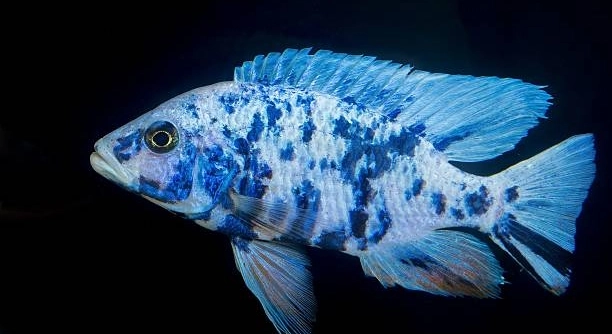
Convict cichlids are known for their strong territorial instincts. Even when no other fish are nearby, they often guard empty caves in their aquarium. This behavior is a fascinating glimpse into their natural instincts and survival strategies.
The primary reason convict cichlids guard empty caves is rooted in reproductive and territorial behavior. Protecting a potential nesting site ensures readiness for breeding and establishes dominance in their environment, which increases the likelihood of reproductive success and long-term survival.
Understanding this behavior can help aquarists create a more harmonious aquarium. Observing their guarding instincts reveals the natural patterns that shape their interactions.
Understanding Empty Cave Guarding
Convict cichlids often display guarding behavior even when a cave appears empty. This instinct comes from their need to secure potential breeding sites and maintain territory. In the wild, unoccupied caves can quickly become nesting spots for other fish. By claiming these areas early, cichlids increase their chances of successful reproduction. They patrol the area, chase away intruders, and remain vigilant for threats. Observing them, it’s clear that their actions are not random but carefully calculated. This behavior can also reduce stress when a mate or eggs are eventually present, as the environment already feels secure. In aquariums, this means that providing multiple caves and hiding spots can help reduce aggression. Cichlids may seem obsessive, but guarding empty caves is simply their way of preparing for future needs. It’s a fascinating example of instinct driving daily behavior.
Providing extra hiding spaces can ease tension among tank mates and improve overall fish health.
Empty cave guarding also highlights the social hierarchy among convict cichlids. Dominant individuals control the best territories, while subordinates often take smaller spaces. The vigilance shown in guarding empty caves translates into strong protective behaviors later during breeding. Even minor disturbances in the tank can trigger defensive actions. This demonstrates how instinct shapes interactions and establishes boundaries without human intervention. Observing these behaviors allows aquarists to plan tank layouts carefully, reducing fights and stress. Over time, cichlids may expand their guarded areas, marking their territory with regular patrolling and display behaviors. Understanding the reasons behind empty cave guarding helps create a balanced environment. It also provides insight into their natural reproductive strategies, showing how early preparation impacts survival.
Factors Influencing Guarding Intensity
The size of the tank and availability of caves can influence how intensely convict cichlids guard empty spaces.
Tank conditions, such as water quality and population density, play a significant role in shaping guarding behavior. In smaller tanks, limited territory can lead to more frequent and aggressive patrols, while larger aquariums with multiple hiding spots may reduce tension. The presence of other fish, especially potential rivals, also increases guarding intensity. Nutrition and overall health affect their energy levels for defense. Even the type of substrate or decor can influence how secure they feel in an empty cave. Some cichlids prefer caves with specific textures or shapes, showing selective guarding tendencies. Environmental stability matters; sudden changes in temperature or water chemistry can make them more protective of their chosen spots. Understanding these factors allows aquarists to anticipate behavior and adjust tank setups. Proper planning can help maintain a calm environment while supporting natural instincts. Observing and responding to these variables ensures convict cichlids thrive without unnecessary stress or conflict.
Recognizing Guarding Behavior
Convict cichlids display several signs when guarding an empty cave. They hover near the entrance, flare their fins, and chase away nearby fish. Even subtle movements of other tank inhabitants can trigger a defensive response. Their vigilance is continuous, reflecting strong territorial instincts.
Guarding behavior often begins shortly after a cichlid identifies a suitable cave. They inspect the area carefully, ensuring no intruders are present. Frequent patrols and repeated flaring are common as they establish dominance. This behavior may appear excessive, but it is a natural part of their territorial management. Observing these actions provides insight into their instincts and helps aquarists understand how to arrange tank spaces to reduce conflicts and provide security.
The intensity of guarding can vary depending on the fish’s age and experience. Younger cichlids may guard less aggressively, while mature fish show heightened vigilance. Social interactions with other tank mates can also influence behavior. Dominant individuals often expand their territory beyond a single cave, marking boundaries and defending against intruders. Understanding these nuances allows for better tank management, ensuring each cichlid has a sense of security while minimizing stress and aggression within the aquarium.
Environmental Impact on Guarding
Water quality and tank setup directly affect guarding behavior. Poor conditions can increase stress, making cichlids more aggressive in defending empty caves.
Stable water parameters, including temperature and pH, encourage calm and predictable guarding. When conditions fluctuate, cichlids become hyper-vigilant, perceiving even minor disturbances as threats. The number and placement of caves also play a role. A well-arranged tank with multiple hiding spots reduces competition and aggression. Decorations, rocks, and plants can create visual barriers, providing security and allowing fish to retreat when threatened. Overcrowding intensifies guarding, while appropriate stocking ensures each fish has its own space.
Lighting and flow in the aquarium further influence behavior. Bright lights or strong currents may make cichlids more cautious or defensive, affecting how they patrol empty caves. Properly arranging caves at different heights and positions can help balance territorial instincts. Observing interactions between tank mates and adjusting environmental factors helps manage aggression naturally. By tailoring the tank to their needs, cichlids maintain instinctive guarding behavior without excessive stress, allowing for healthier, more stable social dynamics within the aquarium.
Territorial Patterns
Convict cichlids often establish clear boundaries around their chosen caves. They patrol consistently, ensuring no intruders enter their space. These patterns help maintain order in the tank and reduce sudden conflicts between fish.
Territorial behavior is strongest during breeding periods. Even empty caves receive attention as potential nesting sites. Dominant fish reinforce their status by guarding more aggressively, while subordinate fish typically avoid confrontation and respect established zones. This hierarchy keeps interactions predictable and manageable.
Social Influence
Interactions with other fish strongly affect guarding intensity. Nearby rivals or curious tank mates can trigger heightened defensive behavior, even when a cave is empty. Understanding these dynamics helps manage aggression and maintain a balanced environment.
Long-Term Habits
Repeated guarding of empty caves reinforces territory familiarity. Over time, cichlids become more efficient at monitoring spaces and defending key areas within the aquarium.
FAQ
Why do convict cichlids guard empty caves even when no other fish are around?
Convict cichlids guard empty caves as a natural instinct tied to reproduction and territory. Empty caves represent potential nesting sites, so claiming them early ensures a safe space for future eggs. This behavior is protective, helping reduce competition and prepare for breeding without requiring immediate occupancy.
Is guarding empty caves a sign of aggression?
Not necessarily. While it may appear aggressive, guarding is mostly instinctive and preventative. The fish are securing a resource rather than attacking other tank mates without cause. Aggression usually occurs only when another fish approaches too closely or threatens the perceived territory.
Does the size of the tank affect empty cave guarding?
Yes. In smaller tanks, cichlids may guard more aggressively due to limited territory and higher potential for encounters. Larger tanks with multiple caves allow fish to spread out, reducing stress and intensity of guarding while still maintaining natural behavior.
How many caves should I provide in my aquarium?
Providing multiple caves is recommended to reduce conflicts. Ideally, there should be at least one cave per fish, plus extra options for hiding and retreating. Varying the shape and size of caves can also make fish feel secure while preventing over-concentration of guarding behavior.
Do male and female convict cichlids guard caves differently?
Yes. Males tend to patrol larger areas and show stronger displays of dominance, while females focus more on potential nesting spots and maintaining readiness for eggs. Both genders engage in guarding behavior, but their focus and intensity can differ based on reproductive needs.
Can guarding behavior be reduced without affecting natural instincts?
Somewhat. Increasing the number of caves, providing visual barriers like plants or rocks, and ensuring proper tank size can help reduce stress and unnecessary aggression. The fish will still guard, but the intensity and conflicts can be minimized, creating a calmer environment for all inhabitants.
Does water quality influence empty cave guarding?
Absolutely. Poor water quality can increase stress, making fish hyper-vigilant and more defensive. Stable water parameters, including temperature, pH, and cleanliness, help cichlids feel secure. When the environment is consistent, guarding behavior remains natural but less aggressive, benefiting both the fish and the tank’s harmony.
Are empty cave guarding behaviors temporary or long-lasting?
Guarding can be both situational and long-term. Initially, it may be stronger as the fish establish territory. Over time, as the area becomes familiar and no threats are present, they may reduce patrols slightly but continue occasional checks to maintain dominance.
Do other fish respect convict cichlid territories?
Generally, yes. Subordinate fish often avoid the caves claimed by dominant cichlids, reducing conflicts naturally. However, aggressive or equally territorial species can provoke fights. Monitoring tank dynamics and ensuring adequate space can prevent serious disputes.
Will convict cichlids guard artificial caves the same as natural ones?
Yes. They respond to the security and shelter offered rather than the material. As long as the cave provides a sense of safety and suitable size, cichlids will guard it similarly to natural caves, using it as a potential nesting site or territorial base.
How can I tell if guarding behavior is excessive?
Excessive guarding is indicated by constant aggression, chasing, or stress signals in the tank. Signs include damaged fins, prolonged hiding, or frequent skirmishes. Adjusting tank layout, adding caves, and ensuring stable conditions can help reduce over-guarding while preserving natural behavior.
Is empty cave guarding linked to breeding readiness?
Yes, it is closely tied to reproductive behavior. Guarding empty caves allows cichlids to have prepared sites ready for eggs and fry. This ensures higher survival rates once breeding occurs and is a key instinct for reproductive success in both wild and captive environments.
Do all convict cichlids guard caves in the same way?
Individual behavior can vary. Some fish are more vigilant, while others are less assertive. Age, experience, dominance status, and personality all influence how intensely a cichlid guards empty caves. Observing each fish helps aquarists understand their tendencies and manage tank harmony effectively.
Can guarding empty caves impact tank mate selection?
Yes. Aggressive guarding may make some species unsuitable as tank mates, especially smaller or passive fish. Choosing compatible species that tolerate territorial behavior reduces stress and ensures peaceful cohabitation. Planning the aquarium setup with space and hiding spots helps maintain balance and reduces conflicts.
What should I do if guarding leads to constant fights?
If fights persist, consider increasing tank size, adding more caves, or separating highly aggressive individuals. Adjusting environmental factors and monitoring behavior regularly helps maintain safety. Providing sufficient territory and hiding spaces ensures natural instincts are satisfied without excessive harm.
Does empty cave guarding decrease with age?
Sometimes. Younger or less experienced fish may be less consistent, while mature cichlids show stronger, more focused guarding. Over time, some older fish may patrol less frequently as territory is established, but they rarely abandon the instinct entirely.
Can guarding behavior indicate health problems?
Indirectly. Sudden changes in guarding patterns, such as hyper-aggression or lethargy, can signal stress or illness. Monitoring behavior alongside water quality and diet ensures early detection of potential issues. Consistent, natural guarding usually reflects healthy, well-adjusted fish.
Are there differences in guarding between captive-bred and wild convict cichlids?
Captive-bred cichlids may show slightly less intense guarding due to familiarity with stable environments, but the instinct remains strong. Wild cichlids tend to patrol more rigorously, reflecting exposure to competition and natural threats. Tank conditions and environmental enrichment help maintain natural behaviors for both types.
How long do convict cichlids typically guard an empty cave?
Guarding can be ongoing as long as the fish feels the site is valuable. While intensity may fluctuate, cichlids periodically patrol and defend the area, ensuring readiness for potential breeding or territorial challenges. Regular monitoring helps understand individual patterns.
Can empty cave guarding be redirected to other areas?
Yes. Introducing additional caves or rearranging decorations can encourage cichlids to claim new areas. This helps distribute territorial behavior, reduces stress, and creates a more balanced tank environment without suppressing natural instincts.
Does diet influence guarding behavior?
A well-fed cichlid has more energy to patrol and defend territory. Poor nutrition can lead to lethargy, reducing guarding, or irritability, increasing aggression. Consistent, balanced feeding supports natural instincts and maintains stable behavior in the tank.
How do I know which caves a cichlid prefers?
Observation is key. Fish will spend more time near preferred caves, frequently inspect them, and display guarding behaviors. Factors like size, shape, and location influence preference. Providing multiple options allows them to select and defend their favored spaces naturally.
Can environmental enrichment reduce obsessive guarding?
Yes. Plants, rocks, and varied terrain provide hiding spots and visual barriers. These elements allow cichlids to feel secure without constant patrols, reducing stress and creating a healthier, more engaging aquarium environment.
Are empty cave guards usually successful in breeding later?
Generally, yes. Fish that maintain a claimed cave are ready for egg laying and raising fry when conditions are favorable. Early guarding establishes a secure site, improving the chances of reproductive success and protecting future offspring from intruders.
Do guarding behaviors differ in community tanks versus species-only tanks?
Yes. In community tanks, the presence of other species can increase vigilance and selective guarding. In species-only tanks, interactions are predictable, and cichlids may patrol less aggressively, focusing on their territory and potential breeding sites within the group.
How long does it take for a cichlid to establish an empty cave as its territory?
It usually takes several hours to a few days. Fish assess the site, perform patrols, and display dominance. Once established, they continue periodic checks and defense, ensuring the cave remains secure against intruders or rival fish.
Can guarding empty caves lead to exhaustion or stress?
Intense, prolonged guarding can increase stress, especially in overcrowded or poorly arranged tanks. Providing adequate caves, hiding spots, and a stable environment reduces the strain on fish, allowing natural instincts without compromising well-being.
Are certain cave types more appealing to convict cichlids?
Yes. Fish often prefer caves with appropriate size, secure walls, and a sense of protection. Rounded, enclosed spaces or ones with narrow entrances are favored, as they offer safety from intruders and a suitable site for potential breeding.
Does guarding change after breeding?
Guarding usually intensifies during breeding and egg-laying periods. After eggs hatch, fish may guard fry aggressively. Once fry are more independent, some guarding may decrease, but territorial behavior often continues around preferred caves.
Can two cichlids share the same empty cave?
Sharing is rare unless they are bonded mates. Typically, one fish dominates the site while others keep their distance. Providing multiple caves allows for coexistence without constant conflict, supporting natural behaviors in a balanced environment.
What are signs that a cave is highly valued by a cichlid?
Frequent patrols, flaring, and prolonged time spent near the entrance indicate high value. The fish will chase intruders more vigorously and repeatedly inspect the cave, showing attachment and readiness for potential nesting or defense.
How does tank layout influence guarding patterns?
Caves placed in open areas may trigger more intense defense due to visibility. Hiding spots and plants can reduce stress by providing cover, allowing fish to guard without constant exposure. Thoughtful placement balances territorial instincts and overall aquarium harmony.
Does water current affect empty cave guarding?
Strong currents may make cichlids feel exposed, increasing vigilance. Gentle, consistent flow creates a stable environment, allowing natural guarding behavior without unnecessary stress or overreaction to water movement.
Can guarding behavior be used to predict future breeding success?
Often, yes. Fish that consistently guard a cave show readiness for reproduction. Observing these patterns helps anticipate breeding activity, providing insight into timing and the likelihood of successful egg-laying and fry survival.
Is guarding more intense at certain times of day?
Guarding can fluctuate with light and activity levels. Fish are often more vigilant during daylight when interactions occur, while reduced activity at night may lower patrol intensity, reflecting natural rhythms.
Do convict cichlids remember previously claimed caves?
Yes. They can recognize and return to previously claimed sites, even after temporary relocation. Memory of territory helps maintain dominance and reduces time needed to reestablish a secure area in familiar surroundings.
How do I safely introduce new caves without triggering fights?
Add caves gradually and at multiple locations. Monitor interactions closely, and ensure space for retreat. This allows cichlids to explore and claim new areas without provoking excessive aggression, maintaining natural instincts and tank stability.
Can empty cave guarding indicate stress or insecurity?
Mild guarding is natural, but hyper-vigilance or obsessive defense may signal stress, overcrowding, or environmental instability. Adjusting tank setup and ensuring proper conditions helps cichlids feel secure while maintaining instinctive behavior.
Do all fish in a tank interact with a guarded empty cave?
Interaction depends on hierarchy and temperament. Subordinate or non-territorial fish usually avoid it, while curious or dominant species may test boundaries. Understanding social dynamics helps manage conflicts and maintain peaceful coexistence in the aquarium.
Is guarding empty caves common in other cichlid species?
Yes, many cichlids exhibit similar behavior, though intensity and patterns vary. Species with strong territorial instincts are more likely to claim and defend empty caves as potential nesting sites. Observing natural tendencies informs tank management.
How can I encourage natural guarding without stress?
Provide multiple caves, ensure proper tank size, and maintain stable water conditions. Arrange decorations for visual barriers and allow sufficient space for each fish. These steps support instinctive behavior while minimizing aggression and stress.
Are there seasonal influences on empty cave guarding?
In captivity, seasonal effects are less pronounced but can be mimicked by adjusting lighting or temperature. Natural instincts may still trigger stronger guarding at times corresponding to breeding readiness. Stable environmental cues help regulate behavior predictably.
Does guarding empty caves impact other daily activities?
Guarding can influence swimming patterns and feeding, as cichlids prioritize monitoring territory. With multiple caves and space, fish can balance patrols with exploration and feeding, maintaining normal activity levels without constant stress.
Can guarding behavior be modified through training or conditioning?
Direct modification is limited. Fish rely on instinct, but environmental adjustments, enrichment, and tank layout can shape how guarding is expressed, reducing unnecessary aggression without suppressing natural instincts.
Do young convict cichlids guard caves the same way as adults?
Juveniles may show interest but guard less consistently. Adults display more precise, aggressive, and ritualized behavior. Experience and maturity enhance their ability to patrol effectively and maintain territory.
Is empty cave guarding observed in wild convict cichlids?
Yes. In natural habitats, guarding is common to secure breeding sites and prevent intrusion from rivals. Captive behavior reflects these instincts, demonstrating the persistence of territorial patterns even in controlled environments.
How important is visual contact in empty cave guarding?
Visual contact helps fish detect intruders and assess threats. Obstructed views may reduce aggressive displays but do not eliminate guarding entirely. Strategic placement of caves and visual barriers supports natural defense behaviors safely.
Can environmental stressors override guarding instincts?
Extreme stress, poor water quality, or overcrowding may suppress or alter guarding. While instinct remains, fish prioritize survival over territory. Maintaining stable conditions ensures guarding persists naturally without negative health impacts.
Do convict cichlids share caves with mates outside breeding periods?
Typically, sharing occurs mainly between bonded pairs during breeding. Outside these periods, caves are usually defended individually. Providing multiple caves reduces competition and allows natural interactions without conflict.
Can guarding intensity predict hierarchy within the tank?
Yes. Dominant fish generally guard more aggressively and claim preferred sites. Observing empty cave defense provides insight into social structure, helping manage tank dynamics and prevent unnecessary stress for subordinate fish.
How does age affect guarding style?
Older, experienced cichlids may guard more strategically, expending less energy while maintaining territory. Younger fish may display more erratic or frequent patrolling. Experience improves efficiency and reduces unnecessary conflict in established tanks.
Does empty cave guarding ever stop completely?
Rarely. Territorial instincts persist throughout life, though intensity may vary. Cichlids may reduce patrols when the area is secure, but occasional checks are maintained to ensure continued dominance and readiness for future reproduction.
Are certain tank decorations better for reducing guarding conflicts?
Yes. Plants, rocks, and visual barriers create zones, allowing multiple fish to claim spaces without confrontation. Properly arranged caves combined with hiding spots distribute territorial behavior naturally and reduce stress-related aggression.
Can guarding behavior indicate reproductive health?
Consistent, active guarding often reflects readiness for breeding and good overall health. Sudden changes or lethargy in defending behavior may signal stress, illness, or suboptimal conditions, prompting adjustments in care.
Does feeding schedule influence guarding patterns?
Regular feeding supports energy levels, allowing fish to patrol effectively without excessive stress. Irregular feeding can lead to irritability, increasing unnecessary aggression or reducing the effectiveness of territorial defense.
Is guarding behavior linked to water temperature?
Temperature affects metabolism and activity. Fish in optimal conditions guard efficiently, while extremes may increase stress or reduce patrols. Maintaining stable, appropriate temperatures helps natural territorial instincts function properly.
Do convict cichlids guard caves even when not breeding?
Yes. Guarding empty caves occurs year-round as part of territorial instinct. This ensures readiness for future breeding and maintains dominance within their environment.
Can guarding behavior be used to observe social bonds?
Yes. Interactions around caves reveal dominance, submission, and mate selection. Watching how fish respond to rivals and empty caves provides insight into relationships and social dynamics in the tank.
How can I monitor guarding without stressing the fish?
Observation from a distance, using minimal disturbance, allows natural behavior to continue. Avoid frequent tapping or sudden movements. Recording patterns over time helps understand habits without interfering with instincts.
Does lighting affect guarding intensity?
Bright lighting can increase vigilance as fish feel more exposed. Dimmer or natural lighting helps reduce hyper-vigilant behavior, allowing patrols to be steady and less stressful for both the guarding fish and tank mates.
Can guarding be redirected toward less important caves?
Yes. Introducing attractive caves with secure design and optimal placement encourages fish to claim them. This spreads territorial behavior and reduces excessive focus on a single site, balancing instincts with tank management.
Do stress signals differ between guarding an empty cave and guarding eggs?
Yes. Guarding eggs involves higher intensity, constant vigilance, and rapid responses to intruders. Empty cave guarding is preparatory, generally less aggressive, and focused on future security rather than immediate defense of offspring.
Is empty cave guarding consistent across tank sizes?
Behavior adapts. Smaller tanks increase visibility and encounters, intensifying defense. Larger tanks allow dispersed territories, reducing aggression while maintaining natural patrol patterns and reproductive readiness.
Can guarding intensity indicate fish temperament?
Often. Highly aggressive or dominant individuals patrol more persistently. Observing cave defense gives insight into personality and hierarchical status, helping tailor tank management to reduce conflict and stress.
How do I maintain natural guarding without promoting aggression?
Provide multiple caves, stable water conditions, visual barriers, and adequate space. Encourage natural instincts while preventing constant confrontation, ensuring fish remain healthy and territorial behavior is expressed safely.
Does guarding behavior decline with repeated exposure to the same tank mates?
Sometimes. Familiarity may reduce unnecessary aggression, but basic instincts continue. Fish adjust patrol frequency as territories are recognized, balancing defense with energy conservation and social hierarchy maintenance.
Are empty cave guards typically successful in securing mates?
Yes. Fish that maintain and defend a cave are often prepared for breeding. Strong territorial behavior signals fitness and increases chances of reproductive success once conditions are right.
Does aggression around empty caves affect overall tank health?
Excessive aggression can stress other fish, damage fins, and create imbalance. Proper layout, multiple caves, and monitoring ensure natural instincts are expressed without compromising the wellbeing of tank inhabitants.
Can guarding behavior indicate compatibility with tank mates?
Yes. Observing responses to empty cave defense helps identify which species or individuals coexist peacefully and which may trigger conflicts, guiding selection and arrangement of tank inhabitants.
Do environmental changes alter guarding patterns?
Yes. Changes in lighting, flow, water chemistry, or tank decorations can increase or decrease guarding intensity. Gradual adjustments help maintain natural behavior while minimizing stress and conflict.
Can guarding behavior be predicted?
To some extent. Observing patterns, preferred caves, and social interactions allows aquarists to anticipate when fish will patrol and defend territory, aiding in tank management and planning.
Do convict cichlids guard vertical caves differently from horizontal caves?
Guarding style adapts to shape. Vertical caves may require more precise patrols around the entrance, while horizontal caves allow for
Final Thoughts
Convict cichlids guarding empty caves is a behavior rooted deeply in instinct. It is not random or meaningless; it reflects their natural need to secure territory and prepare for potential breeding. Even when a cave appears unused, the fish perceive it as valuable real estate. By patrolling and defending these areas, they create a sense of safety and readiness that increases their chances of successful reproduction. Observing this behavior shows how carefully these fish balance vigilance with daily life in the tank. Each movement, from flaring fins to chasing intruders, serves a clear purpose. This behavior is consistent in both wild and captive cichlids, demonstrating the strength of instinct over environmental conditions. Understanding why they guard empty caves helps aquarists anticipate interactions and arrange the tank in ways that support both natural instincts and a calm environment.
Territorial instincts vary depending on factors such as tank size, number of caves, presence of other fish, and individual personality. Dominant fish often patrol larger areas, while subordinate fish focus on avoiding conflict and respecting established boundaries. Age, experience, and reproductive readiness also influence how intensely a cichlid guards a cave. Environmental stability plays a significant role as well. Proper water conditions, consistent temperature, and adequate hiding spaces reduce stress and allow fish to display natural behaviors without excessive aggression. When these factors are managed carefully, guarding behavior becomes a natural, manageable part of aquarium life. Multiple caves and thoughtful layout give each fish the chance to claim its own space, reducing tension while still honoring instinct. This balance helps maintain harmony in the tank and supports the overall health of the fish.
Empty cave guarding is a reminder of how convict cichlids interact with their environment and each other. It is not merely a quirk of captivity, but a reflection of their natural reproductive and territorial strategies. For aquarists, observing and understanding these behaviors allows better tank management and creates a stable, enriching environment for the fish. Recognizing subtle signs, such as patrol patterns, flaring, and cave inspections, provides insight into social hierarchy and readiness for breeding. By providing multiple caves, stable water conditions, and visual barriers, aquarists can support instinctive behavior while reducing unnecessary stress. Ultimately, guarding empty caves illustrates the balance between instinct and environment. Careful observation and thoughtful tank management allow these behaviors to be expressed naturally, resulting in healthier, more confident fish that feel secure and supported in their space. This understanding strengthens the connection between the aquarist and their fish, ensuring the aquarium functions smoothly while respecting the instincts that define convict cichlid behavior.

Hello,
If you enjoy the content that we create, please consider saying a "Thank You!" by leaving a tip.
Every little bit helps us continue crafting quality advice that supports the health, happiness, and well-being of pets around the world, for pets of all shapes, sizes, and species.
We really appreciate the kindness and support that you show us!