
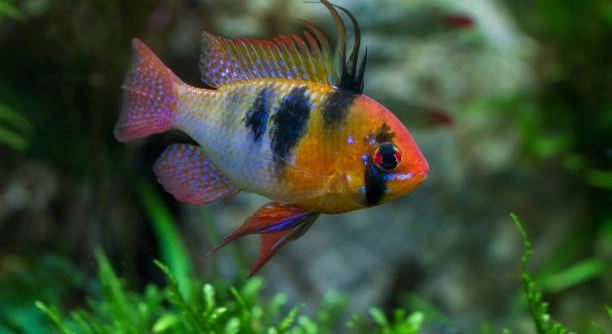
Convict cichlids are popular freshwater fish known for their unique behavior and striking patterns. Observing them swim can be calming, but sometimes their movements appear unusual, signaling potential concerns in their care or environment.
Odd swimming in convict cichlids can result from several factors, including poor water quality, improper diet, infections, parasites, stress, physical injuries, or developmental deformities. Identifying the underlying cause is essential for correcting behavior and maintaining overall fish health.
Recognizing these issues early helps ensure your cichlids stay healthy and active. Each factor can impact their behavior in different ways, making awareness crucial for proper care.
Poor Water Quality
Convict cichlids are sensitive to their tank conditions, and poor water quality can quickly affect their swimming. High levels of ammonia, nitrites, or nitrates create a stressful environment that can lead to lethargy, erratic movements, or floating near the surface. Even minor imbalances in pH or temperature can cause noticeable changes in behavior. Regular water testing is important, as clear water does not always mean it is safe. Filtration systems help, but they must be properly maintained. Frequent water changes, ideally 20-30% weekly, reduce toxin buildup and keep the environment stable. Overcrowding can worsen these issues, as more fish produce more waste, further destabilizing the tank. Observing your fish daily can reveal subtle shifts in swimming patterns early. Stress from poor water quality can weaken their immune system, making them more vulnerable to diseases. Maintaining clean, stable water ensures your cichlids swim normally and remain healthy over time.
Testing water regularly prevents sudden problems. Small adjustments can restore stability and improve swimming behavior.
Keeping water balanced is a continuous task. Proper filtration, monitoring temperature, and avoiding overfeeding all contribute to stability. Even minor fluctuations in pH or ammonia can affect their energy levels and swimming style. Overcrowded tanks increase stress, and poor hygiene can introduce pathogens. Observing fish daily allows early detection of abnormal swimming or signs of discomfort. Correcting water issues immediately improves their health and reduces the risk of infections. A consistent maintenance routine, including water changes and filter cleaning, is the most effective way to ensure the fish move naturally and thrive in their environment.
Improper Diet
A poor diet can lead to nutritional deficiencies, affecting a cichlid’s strength and coordination. Feeding only flakes or the wrong food type may cause sluggish or awkward swimming. A balanced mix of proteins, vegetables, and occasional live food supports healthy movement and energy levels.
Proper feeding routines improve swimming and overall vitality. Small, frequent meals prevent overfeeding and reduce stress.
Convict cichlids need a varied diet for consistent health. Overfeeding or offering only one type of food can create digestive issues, bloating, and abnormal buoyancy, causing them to swim oddly. Live foods like brine shrimp or bloodworms stimulate natural hunting behavior and improve muscle tone. Vegetables such as peas or zucchini provide fiber, aiding digestion and keeping energy levels stable. A balanced diet prevents nutritional gaps that may result in weak swimming or lethargy. Observing how your fish respond after feeding helps identify dietary improvements. Adjusting portions and diversifying food ensures cichlids remain active, agile, and resilient, minimizing unusual swimming patterns caused by poor nutrition.
Do you want me to continue with the next causes following the same format?
Parasites and Infections
Parasites and infections often cause convict cichlids to swim erratically. Signs include flashing, rubbing against objects, or isolation. Internal infections can affect buoyancy, making swimming uneven. Early detection is crucial to prevent the condition from worsening and to maintain overall fish health.
Parasites like ich or flukes attach to the skin and gills, causing irritation and stress. Infected fish may lose appetite and show rapid, jerky movements. Bacterial infections can develop from poor water conditions, leading to fin rot, bloating, or sluggish swimming. Prompt treatment with appropriate medication and quarantine for affected fish reduces the spread and helps them recover faster. Observing swimming patterns closely allows for early intervention, minimizing long-term damage.
Treating infections requires careful observation and action. Administering medication in proper doses and improving water quality supports recovery. Regular monitoring ensures the fish regain normal swimming behavior, and maintaining a clean environment prevents recurrence.
Stress and Aggression
Stress and aggression can disrupt normal swimming. Overcrowding, incompatible tank mates, or sudden environmental changes cause convict cichlids to act nervous or swim unpredictably. Stress weakens immunity, increasing susceptibility to disease and behavioral issues.
Stress manifests through hiding, erratic swimming, or aggressive chasing. Aggressive behavior often results from territorial disputes or breeding competition. Reducing stress involves providing hiding spots, controlling tank population, and monitoring interactions. Adjusting light levels, maintaining stable water parameters, and avoiding sudden changes further help calm the fish. Observation allows early identification of stress triggers, helping to restore balance and ensure smooth swimming.
Aggressive encounters may leave marks or injuries that interfere with movement. Territorial disputes can cause repeated chasing, leading to exhaustion and reduced appetite. A well-structured environment with decorations and adequate space separates individuals and reduces tension. Gradually introducing new fish and observing interactions prevents unexpected conflicts. Stress management combined with proper tank setup and routine care helps convict cichlids regain normal behavior, swim efficiently, and remain healthy in their aquatic environment.
Physical Injuries
Physical injuries can affect a convict cichlid’s swimming immediately. Scrapes, torn fins, or bruises from sharp decorations or aggressive tank mates often result in uneven or slow movement. Prompt care and isolation can prevent further damage and infection.
Injuries may also stem from rough handling during tank maintenance or accidental collisions. Monitoring the fish for signs of bleeding, fin deterioration, or unusual posture helps identify affected individuals. Providing a soft, safe environment with fewer hazards allows proper healing. Ensuring injured fish are not stressed by other tank mates aids recovery and restores normal swimming behavior efficiently.
Developmental Deformities
Some convict cichlids have congenital deformities that impact swimming. Spine or fin malformations can make movement awkward or uneven, and these issues are usually permanent. Observation helps distinguish deformities from temporary conditions caused by illness or injury.
Temperature Fluctuations
Rapid changes in water temperature can disrupt swimming patterns. Convict cichlids are sensitive to sudden heat or cold, which can lead to lethargy, stress, or erratic movements. Maintaining a stable temperature prevents these issues.
FAQ
Why is my convict cichlid swimming sideways?
Sideways swimming is often caused by swim bladder issues or internal infections. Overfeeding, constipation, or sudden water changes can affect buoyancy, making your fish struggle to maintain a normal position. Observing its diet and water conditions can help identify the problem quickly.
Can water quality really change swimming behavior that fast?
Yes, convict cichlids are sensitive to toxins and imbalances in the tank. Even small rises in ammonia, nitrites, or nitrates can stress them and result in erratic or slow swimming. Regular testing and water changes are essential to maintain stability and prevent behavioral problems.
What foods improve swimming health?
A balanced diet with proteins, vegetables, and occasional live food is crucial. Live foods stimulate natural hunting behavior, while vegetables like peas or zucchini aid digestion. Avoid feeding only flakes or pellets, as this can lead to bloating, weak muscles, and abnormal swimming patterns.
How do I know if stress is affecting my cichlid?
Signs of stress include hiding, erratic movements, chasing, or refusing food. Overcrowding, aggressive tank mates, or sudden changes in lighting or temperature are common stressors. Providing hiding spots, stable conditions, and sufficient space can help them regain calm and normal swimming behavior.
Can parasites cause long-term swimming problems?
Yes, parasites like ich, flukes, or internal worms can interfere with movement. If untreated, infections may weaken muscles or affect buoyancy permanently. Prompt identification and proper treatment, along with quarantine if needed, help restore normal behavior and prevent recurrence.
Is swimming oddly always a serious issue?
Not always. Occasional unusual movements can happen during feeding or territorial displays. However, consistent changes or persistent erratic swimming usually indicate underlying problems like water issues, illness, or stress. Monitoring behavior and environment helps distinguish normal activity from a real concern.
What steps can prevent injuries in the tank?
Use smooth decorations, avoid sharp edges, and separate aggressive fish if necessary. Handling fish gently during maintenance and providing ample space reduces collisions. Injuries heal faster when fish are kept stress-free and isolated from potential threats in the tank.
Can temperature changes affect swimming overnight?
Yes, sudden temperature shifts disrupt metabolism and stress the fish. Convict cichlids thrive in stable water, and fluctuations can cause sluggishness, erratic swimming, or hiding. Using a reliable heater and monitoring daily ensures consistent conditions and reduces behavioral issues.
How do I tell if swimming problems are diet-related?
Diet-related swimming issues often appear alongside bloating, constipation, or lethargy. Adjusting feeding amounts, offering varied foods, and including fiber-rich vegetables can restore energy levels and improve swimming efficiency over time.
Should I separate a fish with swimming issues?
If the fish is injured, stressed, or infected, temporary isolation is beneficial. A quarantine tank prevents further harm and allows targeted treatment. Ensure clean water and minimal disturbances to support recovery while monitoring swimming patterns closely.
How long does it take for swimming to return to normal?
Recovery time varies based on the cause. Minor water quality issues or diet adjustments may show improvement in days. Stress, parasites, or injuries may take weeks. Consistent care, proper feeding, and a stable environment accelerate the return to natural swimming behavior.
Are some fish permanently affected by deformities?
Yes, congenital deformities like spinal or fin malformations can cause permanent irregular swimming. While they may adapt over time, providing safe conditions and minimizing stress helps them move more comfortably despite limitations.
What daily checks help prevent swimming problems?
Observe behavior, check water parameters, monitor diet, and look for injuries or signs of disease. Early detection of abnormalities ensures timely intervention and prevents minor issues from becoming severe.
Is overfeeding a common cause of odd swimming?
Yes, overfeeding can cause bloating, constipation, and swim bladder problems. Feeding small portions multiple times a day and removing uneaten food reduces risks and supports consistent, normal swimming patterns.
Can multiple causes happen at the same time?
Absolutely. Water issues, stress, diet, and parasites can combine, creating more pronounced swimming problems. Addressing all potential factors together ensures the best chance for recovery and long-term health.
How do I monitor improvements effectively?
Keep a daily log of swimming behavior, feeding response, and interactions with tank mates. Regular observations make it easier to spot changes and evaluate the effectiveness of adjustments in care, diet, or treatment plans.
Can sudden swimming changes signal an emergency?
Yes, rapid deterioration such as erratic flipping, floating at the surface, or sinking can indicate serious illness or poisoning. Immediate attention to water quality, potential infections, or isolation is critical to prevent further harm.
Is it necessary to consult a professional?
For persistent or severe swimming issues, consulting an aquatic veterinarian or experienced fish keeper is advisable. Professional guidance ensures proper diagnosis and treatment, especially when infections, parasites, or complex health problems are involved.
Do tank size and setup affect swimming behavior?
Yes, small or cluttered tanks restrict movement and increase stress. Providing enough space, hiding spots, and a clean, organized environment allows natural swimming and reduces aggression or erratic activity.
How can I maintain long-term swimming health?
Consistent water testing, balanced nutrition, stress management, safe tank setup, and early intervention for injuries or infections are key. Regular monitoring and preventive measures help convict cichlids remain active, healthy, and swim normally throughout their life.
This FAQ covers the most common questions and practical steps to ensure convict cichlids swim naturally and stay healthy in a home aquarium.
Final Thoughts
Observing convict cichlids swim is one of the most rewarding parts of keeping them. Their movements can reflect overall health, making it important to pay attention when something seems unusual. Odd swimming often signals an underlying issue, whether it is poor water quality, stress, dietary imbalances, parasites, or physical injury. Addressing these problems early prevents long-term health complications and supports their well-being. Maintaining a stable and clean environment is one of the simplest yet most effective ways to help your fish thrive. Regular water testing, partial water changes, and proper filtration reduce toxins and stabilize parameters. This consistency allows convict cichlids to move naturally and remain active, minimizing stress and potential illness. Even small adjustments, such as controlling feeding portions or providing hiding spots, can have a significant impact on their behavior and comfort in the tank. Over time, these practices build a strong foundation for a healthy aquatic environment, reducing the chances of swimming issues from recurring.
Diet plays a central role in maintaining healthy swimming patterns. Providing a balanced mix of protein, vegetables, and occasional live food supports muscle strength, buoyancy, and energy levels. Overfeeding or relying on a single type of food can cause bloating, digestive problems, and weak swimming. Introducing vegetables such as peas or zucchini helps with digestion, while live foods stimulate natural hunting behaviors and encourage movement. Watching how your fish respond after each feeding allows you to notice signs of discomfort or irregular swimming. If issues appear, adjusting diet immediately can prevent long-term consequences. Feeding smaller portions multiple times a day, rather than one large meal, helps avoid overfeeding and maintains proper buoyancy. By combining proper nutrition with clean water and a safe environment, you support both physical health and normal behavior. When diet, water quality, and stress are all managed, convict cichlids are more likely to swim steadily, interact naturally, and remain resilient against disease or injury.
Monitoring behavior consistently is equally important. Convict cichlids show subtle signs when something is wrong, such as hiding, floating near the surface, swimming erratically, or isolating themselves from tank mates. Observing daily allows you to catch problems early, whether related to stress, infection, injury, or deformities. If a fish shows persistent odd swimming despite good care, temporary isolation and treatment may be necessary. Maintaining a calm and stable environment, avoiding sudden changes in temperature or light, and providing sufficient space for swimming reduces stress significantly. Even minor injuries should be treated promptly to prevent infection and help fish recover. By combining preventive care with regular observation, you create a supportive environment where convict cichlids can move naturally, stay active, and enjoy a long, healthy life. Paying attention to these details ensures that swimming issues are minimized, and your fish remain strong, healthy, and comfortable in their home aquarium.

Hello,
If you enjoy the content that we create, please consider saying a "Thank You!" by leaving a tip.
Every little bit helps us continue crafting quality advice that supports the health, happiness, and well-being of pets around the world, for pets of all shapes, sizes, and species.
We really appreciate the kindness and support that you show us!