
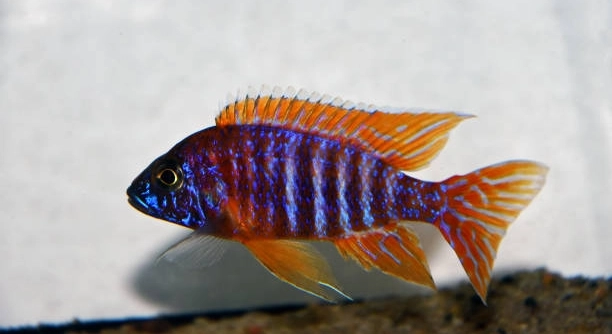
Convict cichlids are known for their strong territorial instincts and attentive behaviors. Observing their movements and reactions in a tank can reveal subtle signs of how they interact with their surroundings. Changes in their environment often catch their attention quickly.
Convict cichlids are capable of recognizing changes in their tank environment. They respond to alterations in layout, decorations, and hiding spaces by adjusting their behavior, which demonstrates their awareness and ability to adapt to new stimuli within their aquatic habitat.
Understanding how convict cichlids respond to changes can help maintain a balanced and stress-free tank environment for these intelligent fish. Proper observation ensures their wellbeing and harmonious tank dynamics.
How Convict Cichlids React to Tank Rearrangements
Convict cichlids are very aware of changes in their environment. When decorations, plants, or rocks are moved, they often explore the new arrangement immediately. Their movements become cautious as they inspect every corner. Some may stake out new territories, while others retreat to familiar hiding spots until they feel safe again. These reactions show their ability to remember previous layouts and adapt quickly. Feeding patterns can also be affected. Fish may hesitate to eat if they feel unsettled by the changes. Over time, most cichlids adjust to new settings, but repeated or sudden changes can increase stress levels. Observing their behavior after rearrangements is key to maintaining a healthy tank. A calm, consistent approach helps them feel secure. Their awareness highlights the importance of planning changes carefully. By introducing modifications slowly, owners can reduce stress while keeping the tank stimulating.
Adjustments in tank decor should be gradual. Sudden changes can make cichlids anxious.
Patience is important when changing a tank layout. Allowing convict cichlids time to explore and settle helps maintain their health. Observing their reactions provides insight into their comfort levels and helps ensure the environment remains suitable for their natural behaviors.
Recognizing Signs of Stress
Signs of stress in convict cichlids can be subtle. Reduced movement, hiding more than usual, or avoiding food indicates discomfort.
Stress can affect growth, breeding, and immunity. Constant observation helps prevent long-term issues. If changes are necessary, introduce them slowly and monitor responses carefully. Small adjustments over time reduce anxiety, ensuring cichlids remain active and healthy. Creating hiding spots and maintaining consistent water parameters further supports their well-being. Stress management is essential for fostering natural behaviors and keeping fish active and interactive. A calm tank environment encourages exploration and normal feeding routines.
Understanding stress triggers allows better tank management. Changes in water flow, lighting, or decorations may unsettle cichlids. By gradually modifying their environment, owners can reduce anxiety and promote stability. Providing enrichment, like rocks and plants, encourages natural behaviors and prevents boredom. Observing interactions among tank mates is also important, as territorial disputes can increase tension. Careful monitoring of activity, appetite, and color patterns helps identify stress early. Adapting the tank layout with consideration for their habits ensures convict cichlids remain healthy, responsive, and engaged. Consistency and slow introduction of changes are key strategies for maintaining a harmonious aquarium that supports their intelligence and territorial instincts.
Monitoring Behavior After Tank Changes
Observation is key after making changes to a convict cichlid tank. Watch how they swim, explore, and interact with new objects. Noting these behaviors helps determine if they are adjusting comfortably or showing signs of stress that need attention.
After rearranging decorations or adding new plants, convict cichlids often move cautiously at first. They may circle objects repeatedly, inspect hiding spots, and occasionally display territorial displays. These behaviors indicate they are assessing the environment and establishing boundaries. Over a few days, most fish begin to explore more freely, resume feeding, and regain normal activity levels. Careful observation during this period ensures the changes do not negatively affect their health or well-being.
Feeding patterns are also useful indicators of adjustment. A temporary decrease in appetite is normal when changes occur, but prolonged refusal to eat signals stress. Tracking interactions among tank mates is important, as dominant fish may react more strongly to new arrangements. Providing familiar hiding spots and gradually introducing new elements helps minimize tension. Consistency in water quality, lighting, and temperature further supports a smooth transition. Paying attention to these details ensures convict cichlids remain comfortable, active, and healthy in their altered environment.
Tools and Techniques for Observation
Using tools like small cameras or mirrors can help monitor convict cichlid reactions discreetly. Recording behavior over time provides a clear picture of how they adapt to changes.
Behavioral logs are helpful in tracking adjustments. Note activity levels, feeding patterns, and territorial displays daily. Recording changes in swimming speed, hiding frequency, or aggression helps identify stress triggers. Observing at different times of day gives insight into natural routines and responses to environmental shifts. These notes can guide future tank modifications.
Regularly checking water parameters complements behavioral observation. Stable conditions reduce stress and allow fish to adapt more easily. Combining visual monitoring with environmental tracking ensures convict cichlids stay healthy. Consistent observation allows owners to make informed decisions on tank layout and care, promoting long-term comfort. Keeping a routine in observing behavior also strengthens awareness of subtle signs that might otherwise be missed, ensuring the aquarium remains a safe and engaging space for the fish.
Adjusting Tank Layouts Slowly
Making changes gradually helps convict cichlids feel secure. Move one decoration or plant at a time, giving them a chance to explore without feeling overwhelmed.
Rapid rearrangements can cause stress and aggression. Small, incremental adjustments allow fish to adapt while maintaining normal feeding and activity patterns.
Using Hiding Spots Effectively
Providing hiding spots reduces stress when the tank layout changes. Rocks, caves, and plants offer security, allowing convict cichlids to feel protected while they assess new surroundings. This encourages exploration while minimizing conflict and anxiety among tank mates.
Observing Feeding Behavior
Changes in appetite often signal how well cichlids are adjusting. Tracking feeding patterns helps identify stress early, ensuring timely interventions.
FAQ
Can convict cichlids remember tank layouts?
Yes, convict cichlids have a strong sense of spatial awareness. They can recognize areas where food is usually placed, favorite hiding spots, and territories within the tank. After rearrangements, they often return to familiar locations, indicating memory and adaptation. Observing repeated behaviors can confirm their recognition skills.
How quickly do convict cichlids adjust to changes?
Adjustment times vary depending on the extent of changes. Small modifications like moving a rock or plant may take a day or two for full adaptation. Larger changes, such as rearranging the entire tank, can take up to a week or longer, depending on each fish’s temperament.
What are common signs of stress after tank changes?
Stress is visible through increased hiding, reduced activity, or aggressive interactions. Loss of appetite and color fading are also indicators. Watching these behaviors closely helps determine if changes are affecting their comfort or if further adjustments are needed to maintain balance in the tank.
Should I rearrange the tank frequently?
Frequent changes are not recommended. Convict cichlids prefer consistency and may become stressed if their environment is constantly altered. Occasional, gradual updates are better, as they provide stimulation without disrupting established territories or causing unnecessary tension among tank mates.
Do tank mates affect how cichlids respond to changes?
Yes, tank mates can influence reactions. Dominant fish may become territorial when new objects are introduced, while more passive fish may hide more often. Understanding individual behaviors and observing interactions is essential when modifying the tank layout to avoid unnecessary stress or aggression.
Can hiding spots reduce stress effectively?
Providing multiple hiding spots significantly lowers stress levels. Rocks, caves, or dense plants allow fish to retreat safely when feeling uncertain. Even during minor rearrangements, these secure areas help them explore the tank at their own pace and maintain normal feeding habits.
How does feeding behavior indicate adaptation?
Feeding patterns are a clear measure of comfort. A convict cichlid that eats normally after a change is likely adjusting well. Hesitation or refusal to eat signals stress or confusion, suggesting the tank setup may need a slower introduction of new elements.
Is water quality important during tank changes?
Absolutely. Maintaining stable temperature, pH, and cleanliness ensures that stress is not compounded by poor water conditions. Healthy water parameters allow convict cichlids to focus on adapting to changes rather than coping with environmental stressors.
Can adding plants or decorations improve adjustment?
Yes, adding new plants or decorations gradually can stimulate natural behaviors. They offer exploration opportunities and can create visual barriers that reduce aggression. Introducing these elements slowly helps cichlids feel secure while enhancing the overall tank environment.
How can I monitor long-term comfort?
Consistent observation of activity, color, feeding, and interactions provides insight into long-term adaptation. Keeping a simple log of behavior after each change helps identify trends. Over time, this allows owners to make informed decisions on tank layouts that support stress-free, healthy convict cichlids.
Are there specific objects that cichlids prefer?
Convict cichlids generally favor rocks, caves, and dense plant clusters. These provide security and satisfy territorial instincts. Smooth surfaces for resting and areas with hiding options are essential for comfort, especially when rearranging tanks or introducing new features.
Can stress affect breeding?
Yes, stress can delay or prevent breeding. Ensuring a stable environment with familiar territories and adequate hiding spots encourages normal mating behaviors. Reducing sudden changes and observing comfort levels are crucial for maintaining reproductive health in convict cichlids.
What is the best approach for rearranging tanks?
Gradual, planned adjustments are ideal. Introduce one new element at a time, monitor behavior, and wait until fish seem comfortable before adding more changes. Combining observation with stable water conditions and sufficient hiding spaces ensures a smooth transition.
Do older cichlids adapt differently than younger ones?
Older cichlids may be more territorial and cautious, taking longer to adjust. Younger fish are often more curious and resilient. Awareness of age-related behaviors helps manage expectations and guides the pace of changes within the tank.
How can I tell if a fish is exploring or stressed?
Exploration is active and confident, often with consistent swimming and occasional investigation of new objects. Stress is marked by rapid darting, hiding, or avoidance of new areas. Watching these subtle differences ensures proper interpretation of behavior and supports effective tank management.
What is the role of lighting in adjustment?
Lighting impacts comfort and activity. Sudden changes in brightness or position can startle fish. Gradual adjustments and consistent light schedules help convict cichlids adapt without unnecessary stress, supporting normal routines and feeding behaviors.
Can multiple small changes be better than one large change?
Yes, smaller incremental changes are less disruptive. They allow fish to adapt gradually and maintain routine behaviors. Introducing modifications in steps supports exploration and reduces the risk of aggression, hiding, or refusal to eat.
How often should I observe after a change?
Daily observation during the first few days is ideal. Track swimming patterns, feeding, hiding, and interactions. After initial adaptation, occasional monitoring is sufficient, but regular attention ensures long-term comfort and helps catch early signs of stress before problems develop.
Is it necessary to rearrange tanks at all?
Not always. While occasional changes provide stimulation, convict cichlids thrive in stable, familiar environments. Only make adjustments to improve enrichment, comfort, or tank organization, always introducing them gradually to support healthy behavior.
Can environmental enrichment improve overall health?
Yes, thoughtful enrichment like plants, rocks, and hiding spots encourages natural behaviors, reduces stress, and keeps fish active. Combining enrichment with stable water conditions and careful observation ensures convict cichlids remain healthy, confident, and engaged in their aquatic environment.
This FAQ provides a comprehensive guide to understanding how convict cichlids perceive and respond to tank changes, offering strategies for maintaining comfort, reducing stress, and promoting healthy behavior in their environment.
Final Thoughts
Convict cichlids are intelligent and aware fish that respond clearly to changes in their environment. Observing their behavior after rearranging a tank provides valuable insight into how they perceive their surroundings. They notice even small modifications, from moving a rock to adding new plants, and often explore cautiously before returning to normal routines. Their territorial instincts make them sensitive to changes, so gradual adjustments are always recommended. By understanding their natural tendencies, owners can create a stable environment that encourages normal activity, feeding, and social interactions. Paying attention to subtle behaviors, such as hiding more than usual, reduced swimming, or temporary aggression, helps identify how comfortable they are with new layouts and whether further adjustments are necessary.
Providing a combination of familiar hiding spots and incremental changes ensures that convict cichlids feel secure. Rocks, caves, and dense plants allow them to explore safely while maintaining personal space. Gradual introductions of new objects or decorations reduce stress and prevent territorial disputes. Observing feeding patterns during these transitions is also important, as changes in appetite often indicate how well they are adapting. Fish that eat normally are likely adjusting well, while hesitation or refusal to feed signals stress. Stable water parameters, consistent lighting, and careful planning of tank modifications complement behavioral observations. Together, these practices create an environment where convict cichlids can remain active, healthy, and confident despite adjustments in their habitat.
Monitoring convict cichlids over time ensures long-term comfort and wellbeing. Recording daily behaviors, including swimming patterns, interactions with tank mates, and responses to new objects, allows owners to identify trends and adjust their approach if needed. Understanding individual personalities and observing subtle differences between younger and older fish further supports effective tank management. While occasional rearrangements can provide stimulation, consistency is essential for minimizing stress. Environmental enrichment should always be combined with careful observation and gradual implementation. By maintaining a calm, predictable tank environment and respecting the natural instincts of convict cichlids, owners can support both mental and physical health, ensuring these fish thrive in a safe and engaging space.

Hello,
If you enjoy the content that we create, please consider saying a "Thank You!" by leaving a tip.
Every little bit helps us continue crafting quality advice that supports the health, happiness, and well-being of pets around the world, for pets of all shapes, sizes, and species.
We really appreciate the kindness and support that you show us!