
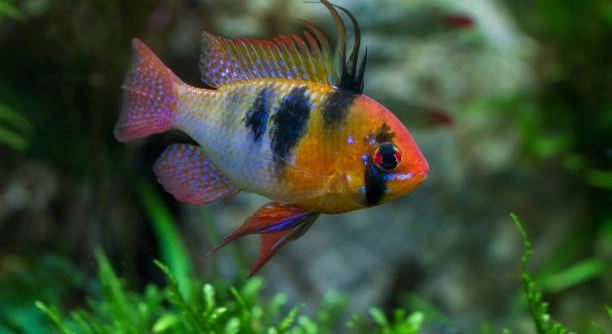
Do you love keeping fish but find yourself unsure how to connect with your convict cichlid? These striking freshwater fish are known for their bold personalities and can form surprising bonds with their owners over time.
Bonding with a convict cichlid requires consistent interaction, patience, and understanding of their behavior. Offering appropriate feeding, maintaining a stable environment, and observing their natural habits helps establish trust and encourages positive engagement.
Building a strong connection with your convict cichlid goes beyond feeding and tank maintenance, creating a rewarding experience for both owner and fish.
Understanding Your Convict Cichlid’s Behavior
Convict cichlids are known for their territorial and active nature. Observing their behavior closely can reveal a lot about their mood and comfort level. They respond well to consistent routines, which helps them feel secure in their environment. Recognizing body language, such as fin flaring or hiding, allows you to gauge stress or contentment. Regular observation also helps identify health issues early, preventing problems before they escalate. Providing hiding spots and maintaining stable water conditions supports their natural instincts, promoting calm and interactive behavior. Over time, consistent care fosters trust, making your interactions more predictable and enjoyable. Feeding at the same time each day and minimizing sudden changes in the tank reduces stress and builds familiarity. Even simple gestures, like approaching the tank slowly or tapping gently, can encourage them to acknowledge your presence without fear. Understanding their signals ensures your efforts to bond are effective and respectful.
Consistent observation and predictable routines are key to encouraging positive interactions with your convict cichlid.
Patience and attention to detail create a smoother, more rewarding experience, making it easier to respond to their needs and behavior effectively.
Feeding as a Bonding Tool
Feeding your convict cichlid directly can strengthen recognition and trust. Offering high-quality, varied food at regular intervals establishes a positive association with your presence. Avoid overfeeding, as it can lead to health issues and reduce responsiveness. Using feeding tools like tongs or your fingers carefully can encourage interaction while keeping safety in mind. Observing how they react to different foods helps identify preferences and keeps them engaged. Treats should be occasional to maintain excitement and prevent dependency. Feeding routines signal safety and reliability, important for territorial fish that may be cautious around humans. Consistency in feeding also creates opportunities to observe personality traits and behavioral patterns, helping you adapt your approach. Interacting during feeding times allows you to gauge comfort levels and adjust your methods accordingly, ensuring a harmonious relationship. Small gestures, like moving slowly or speaking softly, reinforce familiarity and reduce stress during feeding. Over weeks, these repeated positive experiences gradually increase the bond.
Feeding interactions are simple yet effective ways to build trust and encourage your convict cichlid to engage more actively.
Establishing feeding routines enhances trust, supports their well-being, and opens the door to deeper interaction, allowing you to respond thoughtfully to their behavior and needs every day.
Interactive Tank Environment
Providing a stimulating environment encourages natural behaviors and keeps your convict cichlid engaged. Rocks, caves, and plants offer hiding spots and areas to explore, making them more confident and interactive. A well-arranged tank promotes comfort and reduces stress, supporting bonding.
Arranging the tank to mimic natural habitats encourages your cichlid to explore and interact. Rocks and caves allow them to establish territories, while plants create safe zones that reduce anxiety. Varying the layout occasionally keeps them curious without overwhelming them. Observing their movement and reactions helps identify preferred spots and areas that may need adjustment. Interactive elements encourage natural behaviors, allowing you to understand their personality better. Over time, a thoughtfully arranged environment becomes a foundation for trust, making interactions smoother and more predictable.
Introducing new objects gradually supports confidence and curiosity. This keeps your convict cichlid engaged while allowing you to monitor stress levels. Interaction through exploration strengthens recognition and makes your presence more familiar.
Gentle Handling and Observation
Handling your convict cichlid carefully is crucial for building trust. Avoid sudden movements and keep interactions brief to prevent stress. Patience ensures a positive response over time.
Approaching the tank slowly and using minimal contact fosters comfort. Observing reactions helps you adapt to their tolerance, reducing anxiety and increasing familiarity. Regular, calm handling teaches them that your presence is safe. Small gestures, like lightly tapping the glass or gently moving objects, can condition them to recognize you. Gradually, they respond without fear, showing increased interest in interaction. Understanding limits prevents stress-related behaviors, such as hiding or aggression. Over time, these careful practices make your cichlid more confident and responsive, encouraging bonding.
Consistent observation and gentle handling create predictable experiences. This fosters trust, supports positive interactions, and helps your convict cichlid adjust to your presence in a calm, secure manner.
Consistent Interaction
Spending time near the tank daily helps your convict cichlid recognize you. Talking softly or moving slowly signals a non-threatening presence.
Short, frequent interactions are more effective than long, sporadic sessions. Consistency builds familiarity and reduces fear, making your cichlid more comfortable around you.
Understanding Territorial Behavior
Convict cichlids are naturally territorial, especially during breeding. Recognizing signs like flaring fins or guarding areas helps prevent stress. Avoid sudden changes in tank layout and respect established boundaries to maintain a calm environment. Gradually, they learn to accept your presence without feeling threatened, fostering trust. Regular observation allows you to identify which areas they prefer and how they respond to your movements. Providing sufficient space and hiding spots reduces aggressive encounters, while consistent, gentle interaction encourages positive associations. Understanding these behaviors is key to managing interactions safely and building a lasting bond with your cichlid over time.
Using Visual Signals
Cichlids respond to hand movements and gestures. Slow motions near the tank encourage curiosity and engagement.
FAQ
How do I know if my convict cichlid is comfortable with me?
A comfortable convict cichlid will respond calmly to your presence. They may swim closer when you approach the tank or follow your movements. Avoiding sudden flares or hiding is a good sign they are becoming familiar and trusting. Regular observation helps you notice small improvements over time.
Can I feed my convict cichlid by hand?
Yes, hand feeding is possible with patience. Start by placing food near the tank edge, then gradually move it closer to your fingers. Avoid forcing contact. Consistency and calm movements teach your cichlid to associate your presence with food, which strengthens trust and interaction.
How often should I interact with my convict cichlid?
Daily, short sessions work best. Frequent, gentle interaction encourages familiarity without overwhelming them. Even a few minutes observing, speaking softly, or moving slowly around the tank helps them recognize you and reduces stress. Consistency is more important than duration.
What if my cichlid hides when I approach?
Hiding is normal, especially for new or stressed cichlids. Give them space, minimize sudden movements, and maintain a consistent routine. Over time, as trust develops, they will emerge more frequently and respond to your presence. Patience is key.
Should I rearrange the tank decorations for interaction?
Minor adjustments are fine, but avoid frequent or drastic changes. Convict cichlids are territorial, and too many alterations can cause stress. Gradual changes keep them engaged without feeling threatened, supporting bonding and natural behaviors.
Are there specific gestures my cichlid responds to?
Slow hand movements near the glass or gentle tapping can catch their attention without causing fear. Avoid sudden motions. Over time, these gestures help your cichlid recognize you and encourage curiosity, improving interaction.
How long does it take to bond with a convict cichlid?
Bonding varies with each fish, but consistent care, observation, and gentle interaction over weeks or months build trust. Some respond faster, while others take longer. Regular routines and patience significantly influence progress.
Can breeding affect bonding?
Yes, breeding can increase territorial behavior. During this time, maintain a calm presence and respect boundaries. Avoid touching eggs or fry. Positive interactions should continue gradually, allowing your cichlid to feel secure despite heightened instincts.
Is it safe to touch my cichlid?
Direct contact is generally discouraged. Convict cichlids have sensitive scales and stress easily. Focus on hand movements outside the tank, feeding tools, and gestures to encourage interaction safely. Trust develops without physical handling.
How do I keep my cichlid engaged over time?
Provide environmental enrichment like rocks, caves, and plants, and vary feeding routines slightly. Regular observation and small interactions maintain curiosity. Engagement supports mental stimulation and strengthens recognition, making bonding consistent and rewarding.
What are signs of stress to watch for?
Signs include excessive hiding, fin clamping, aggression, or loss of appetite. If these occur, check water quality, minimize disturbances, and ensure the tank layout is stable. Responding quickly prevents long-term stress and maintains trust.
Can I use toys or objects for interaction?
Yes, floating objects or mirrors can attract attention. Introduce items gradually and observe responses. Some cichlids enjoy following moving objects, which can be used to encourage activity and engagement safely.
Is it important to maintain water conditions during bonding?
Absolutely. Stable temperature, pH, and cleanliness are critical. Stress from poor water conditions undermines trust and can trigger aggressive or withdrawn behavior. Consistency in care reinforces security and supports positive interaction.
Do all convict cichlids bond in the same way?
No, personalities differ. Some may become interactive quickly, while others remain cautious. Observing individual behavior and adjusting interaction methods ensures a tailored approach, improving success in building trust and engagement.
Can I interact with multiple cichlids at once?
Yes, but monitor territorial behavior. Some may compete for attention or space. Respect boundaries, maintain environmental enrichment, and observe each cichlid’s response to ensure interactions remain safe and positive for all fish.
How do I reinforce positive behavior?
Reward calm and interactive behavior with food or gentle gestures. Avoid forcing engagement or reacting to aggression with stress. Positive reinforcement strengthens recognition and encourages repeated friendly interactions.
Is patience the most important factor?
Yes, patience is crucial. Convict cichlids need consistent, gentle interaction over time to build trust. Rushing or forcing contact can cause stress, hindering bonding. Gradual, predictable care ensures a lasting connection.
Can I bond without hand feeding?
Yes, interaction through observation, gestures, and providing a stable environment is sufficient. Hand feeding accelerates recognition, but consistent care and predictable routines alone can foster trust and familiarity.
How do I recover trust if my cichlid becomes stressed?
Minimize disturbances, maintain stable water conditions, and resume gentle, predictable routines. Gradually reintroduce interaction using calm gestures and feeding. Trust can rebuild over time with patience and consistent care.
What role does tank size play in bonding?
Adequate space reduces stress and aggression. Larger tanks allow natural exploration and safe boundaries, making interactions more positive. Overcrowding increases territorial conflicts, hindering bonding and reducing responsiveness to gentle gestures.
Can visual cues alone strengthen the bond?
Yes, consistent presence and hand movements outside the tank signal familiarity. Convict cichlids recognize patterns and respond to repeated, calm gestures, reinforcing trust without direct contact.
Are there risks in over-interacting?
Too much forced interaction can cause stress, hiding, or aggression. Short, consistent sessions are more effective. Observing tolerance and gradually increasing interaction ensures comfort and long-term positive engagement.
Does personality affect bonding success?
Absolutely. Some cichlids are naturally curious, while others are cautious. Understanding individual temperament allows tailored interaction strategies, increasing the likelihood of successful bonding and reducing stress-related behaviors.
How can I monitor progress effectively?
Track behavior changes like increased approach, reduced hiding, and following hand movements. Consistent observation over weeks shows improvements and identifies areas needing adjustment, supporting a structured approach to bonding.
Can lighting impact interaction?
Yes, bright or sudden lighting may stress them. Moderate, consistent lighting mimics natural conditions, encouraging natural activity and receptiveness to interaction. Avoid frequent changes to maintain comfort and predictability.
What is the best way to end an interaction session?
End calmly by stepping away slowly or stopping gestures. Avoid abrupt movements, as this helps your cichlid associate your presence with safety and positive experiences, reinforcing trust over time.
How do I combine all bonding techniques?
Use feeding, gentle observation, environmental enrichment, and slow gestures consistently. Monitor stress signals, respect boundaries, and adjust methods to suit your cichlid’s personality. Over time, combining these approaches ensures stronger recognition, trust, and enjoyable interactions.
How long should each session last?
Short sessions of a few minutes daily are most effective. Extended periods can overwhelm the fish. Consistency, rather than duration, promotes familiarity and maintains comfort with your presence.
Can bonding improve cichlid health?
Yes, reduced stress from positive interaction supports appetite, activity, and overall well-being. Confident, engaged fish are less prone to illness and display more natural behaviors, enhancing their quality of life.
Is it possible to bond with shy cichlids?
Yes, with extra patience. Gradually build trust using slow gestures, observation, and consistent feeding routines. Respecting their pace encourages confidence, eventually allowing interaction and recognition without forcing contact.
How important is routine in bonding?
Highly important. Predictable feeding times, tank maintenance, and interaction create a sense of security. Routine minimizes stress, reinforces positive associations, and makes your cichlid more receptive to engagement.
Can bonding techniques be adapted for breeding pairs?
Yes, but extra care is needed. Respect their increased territorial instincts, maintain consistent observation, and use gentle interactions. Safe spaces and controlled gestures ensure trust without provoking stress during this sensitive period.
What should I avoid when bonding?
Avoid sudden movements, overhandling, inconsistent routines, overcrowded tanks, and forced interactions. These can trigger stress, aggression, or withdrawal, hindering the bonding process and reducing trust.
Are there long-term benefits to bonding?
Yes, regular interaction fosters trust, reduces stress, encourages natural behaviors, and allows closer observation of health. Bonded cichlids are more predictable and responsive, creating a smoother and more enjoyable care experience.
How do I handle setbacks in bonding?
If your cichlid shows stress or aggression, reduce interaction, maintain a stable environment, and gradually reintroduce gentle gestures. Consistency and patience help rebuild trust without causing further anxiety.
Can multiple bonding techniques be used together daily?
Yes, combining feeding, observation, environmental enrichment, and gestures in small, consistent daily sessions creates a comprehensive approach. Monitoring behavior ensures your cichlid remains comfortable and responsive.
Does age affect bonding ability?
Younger cichlids may adapt quicker, but adults can also bond with patience. Individual personality often has more influence than age, so adjust your approach based on behavior and tolerance levels.
How do I balance interaction with natural behaviors?
Allow time for exploration, hiding, and territorial activities. Interaction should complement, not replace, natural behaviors. Respecting instincts ensures comfort, encourages engagement, and prevents stress-related responses.
Are there signs that bonding is successful?
Signs include approaching your presence, following hand movements, reduced hiding, and calm behavior during feeding. Confidence, curiosity, and responsiveness indicate trust and a growing bond over time.
How can I continue improving the bond?
Maintain routines, gradually introduce enrichment, observe behavior, and adjust gestures as needed. Patience, consistency, and respect for your cichlid’s comfort levels ensure ongoing positive interactions and deeper trust.
Can bonding techniques differ between tanks?
Yes, tank size, layout, and stocking density influence interaction. Adjust methods to suit each environment while keeping routines, gestures, and enrichment consistent to support positive behavior and bonding.
Is professional advice ever necessary?
If your cichlid shows prolonged stress, illness, or extreme aggression, consult an experienced aquarist or veterinarian. Expert guidance ensures health and safe bonding practices.
Does social interaction with other fish affect bonding?
Yes, aggressive tankmates can increase stress, while calm companions may encourage confidence. Monitor interactions and provide sufficient space to ensure bonding remains positive.
Can technology help with bonding?
Cameras or motion-activated feeders can track behavior and engagement, allowing observation without constant disturbance. These tools support understanding and adapting your approach for effective interaction.
How do I maintain the bond long-term?
Consistency, routine, and patience are key. Continue feeding schedules, gentle observation, and environmental enrichment. Regular positive experiences reinforce trust, keeping your convict cichlid comfortable and interactive over the years.
Are there seasonal considerations for bonding?
Yes, temperature fluctuations or breeding cycles can alter behavior. Adjust interaction accordingly, maintain stable conditions, and continue gentle, predictable routines to sustain trust and engagement throughout the year.
What is the overall goal of bonding?
The goal is to create trust, reduce stress, and encourage natural, interactive behavior. A strong bond allows better care, closer observation of health, and a more rewarding experience for both you and your convict cichlid.
How do I track progress effectively?
Keep notes on behavior changes, responses to gestures, and interaction frequency. Tracking patterns over weeks or months helps refine your approach and ensures the bond strengthens consistently.
Can bonding techniques help with aggressive behavior?
Yes, positive interaction, consistent routines, and environmental enrichment can reduce territorial aggression. Gradual, predictable engagement encourages calm behavior and helps manage conflicts safely.
How important is observation in bonding?
Observation is essential. It provides insight into mood, preferences, and comfort levels. Understanding individual behavior guides interactions, ensures safety, and strengthens trust over time.
Can bonding affect breeding success?
Yes, reduced stress and increased comfort can support natural breeding behaviors. Calm, confident cichlids are more likely to breed successfully in a stable environment.
Is it okay to skip interaction sometimes?
Yes, brief breaks are acceptable as long as routine care continues. Avoid long gaps, as inconsistency may increase stress or reduce responsiveness.
How do I combine feeding, gestures, and environment?
Use feeding times for gentle gestures, enrich the tank for exploration, and observe responses. Coordinating these approaches daily enhances recognition, trust, and interactive behavior.
What mistakes should I avoid for successful bonding?
Avoid sudden movements, overhandling, frequent tank changes, inconsistent routines, and forcing interaction. These errors increase stress and hinder trust-building efforts.
How do I adapt to a shy convict cichlid?
Approach slowly, use consistent feeding, observe from a distance, and respect hiding spaces. Gradual exposure encourages confidence and eventual interaction without pressure.
Can bonding improve overall tank harmony?
Yes, a confident, engaged cichlid interacts predictably with others. Reduced stress lowers aggression and promotes balanced social dynamics, enhancing the overall tank environment.
How long does it take to notice changes?
Small improvements can appear within weeks, but full bonding may take months. Patience and consistent effort ensure meaningful progress.
Should I change my approach over time?
Yes, adapt based on behavior, stress signals, and engagement. Flexibility ensures interactions remain positive, reinforcing trust and comfort throughout your cichlid’s life.
Can bonding methods differ for multiple tanks?
Yes, each tank’s size, layout, and fish behavior may require adjusted techniques while maintaining core routines, gestures, and enrichment for consistent bonding results.
What is the most important factor in bonding?
Consistency, patience, and respect for your cichlid’s comfort are crucial. Understanding behavior, providing stable conditions, and offering gentle, repeated interaction fosters lasting trust and recognition.
Does personality override technique?
Personality plays a large role. While techniques guide interaction, adapting to individual traits ensures success, as each cichlid responds differently to gestures, routines, and enrichment.
Can bonding reduce stress in new environments?
Yes, familiar gestures, feeding routines, and stable conditions help cichlids adjust to new tanks, lowering anxiety and promoting confidence.
Are there signs that bonding is failing?
Signs include persistent hiding, aggression, refusal to eat, or stress-related behavior. Immediate adjustments in care, interaction, and environment are necessary to rebuild trust.
Is ongoing engagement necessary after bonding?
Yes, continued interaction maintains trust, reinforces positive behavior, and ensures your convict cichlid remains comfortable, curious, and confident in your presence over time.
Can bonding techniques prevent aggression toward tankmates?
Indirectly, yes. Confident, engaged cichlids are less likely to display heightened territorial behavior. Environmental enrichment, consistent routines, and gentle interaction support calmer social dynamics.
How can I balance attention between multiple cichlids?
Monitor individual responses, respect boundaries, and provide enough space. Rotate interaction focus to ensure each cichlid receives gentle attention without causing stress or competition.
Do older cichlids bond differently than younger ones?
Older cichlids may take longer to adapt but can still form trust. Adjust pacing and patience according to their temperament for effective bonding.
Is feeding variety important for bonding?
Yes, different foods maintain interest and reinforce positive associations. Offering occasional treats or varied diet keeps your cichlid engaged and responsive during interactions.
How do I measure success in bonding?
Success is seen through calm behavior, approachability, curiosity, following gestures, and responsiveness. These indicators show trust and comfort, reflecting a strong bond over time.
Can environmental stress undo bonding progress?
Yes, poor water quality, sudden layout changes, or aggressive tankmates can increase stress. Maintaining stable conditions ensures bonding remains effective and positive.
Are there signs of enjoyment during interaction?
Signs include active swimming, following hand movements, approaching feeding areas, and reduced hiding. These behaviors indicate curiosity, comfort, and positive recognition of your presence.
Can bonding help with health monitoring?
Yes, closer observation allows early detection of illness, appetite changes, or abnormal behavior, enabling prompt care and maintaining overall well-being.
Is it necessary to adapt techniques seasonally?
Seasonal changes in temperature, lighting, or breeding cycles may require minor adjustments. Maintaining routines and gentle interactions ensures comfort and continued trust year-round.
How do I encourage shy fish to engage?
Approach slowly, maintain predictable feeding, use environmental enrichment, and allow observation from a distance. Gradually, curiosity and comfort increase without forcing contact.
Can bonding improve response to training or conditioning?
Yes, trust and recognition make your cichlid more receptive to gentle conditioning, such as approaching at feeding or following hand movements, enhancing interaction quality.
What is the ultimate goal of FAQ guidance?
The goal is to provide clear, practical strategies for consistent, patient interaction, fostering trust, reducing stress, and supporting natural, engaged behavior in convict cichlids.
How do I implement multiple strategies effectively?
Combine feeding, observation, gestures, and environmental enrichment in small, consistent daily routines. Monitor behavior closely, adjust as needed, and prioritize comfort and predictability to strengthen bonding outcomes.
Does the tank setup influence bonding success?
Yes, sufficient space, hiding spots, and stable environment reduce stress and support natural behaviors, making your cichlid more receptive to interaction and trust-building.
How do I ensure interactions remain positive?
Observe behavior, respect boundaries, maintain stable routines, and avoid overhandling. Positive experiences reinforce trust, reduce stress, and encourage engagement consistently.
Are there long-term advantages to successful bonding?
Yes, it improves fish well-being, allows better care, reduces aggression, and enhances enjoyment through predictable, calm interactions, creating a rewarding experience for both you and your convict cichlid.
Can bonding prevent sudden stress reactions?
Yes, familiar gestures, feeding routines, and calm presence reduce startle responses, helping your cichlid remain confident and comfortable in its environment.
How do I combine bonding with routine care?
Incorporate gentle observation, feeding, and minor environmental adjustments into maintenance tasks. Coordinating these activities ensures trust while supporting health and comfort simultaneously.
Is gradual progression important in bonding?
Yes, slow, consistent increases in interaction build confidence. Abrupt changes can cause fear or aggression, undermining trust and reducing long-term bonding success.
How can I maintain engagement after bonding is established?
Continue short daily interactions, vary enrichment, maintain feeding routines, and observe behavior. Consistency and attentiveness ensure your cichlid remains comfortable, curious, and responsive over time.
Can bonding techniques apply to other cichlid species?
Yes, many strategies like feeding routines, gentle gestures, observation, and enrichment work with similar temperaments, but adjustments may be needed for species-specific behaviors and territoriality.
**Does
Final Thoughts
Bonding with a convict cichlid takes patience, consistency, and careful observation. These fish are naturally territorial and can be cautious around new stimuli, but they are also capable of forming recognition and trust with their owners. Understanding their behavior is the first step in building a strong connection. Watching how they react to your presence, noting preferences in tank layout, and paying attention to feeding habits all provide important information. Simple actions, like approaching the tank slowly or speaking softly, signal that you are not a threat. Over time, these small, consistent efforts help your cichlid feel more secure and comfortable, which is the foundation for any bond. Recognizing their natural instincts, such as hiding when stressed or flaring fins during territorial moments, ensures you can interact appropriately without causing unnecessary anxiety.
Creating a suitable environment is just as important as your interaction style. Convict cichlids respond well to a tank that provides hiding spots, caves, and plants, allowing them to establish their territory safely. A well-structured tank encourages exploration and reduces stress, which supports positive engagement. Feeding routines also play a major role in bonding. Offering food consistently and observing how they respond helps them associate your presence with positive experiences. Hand-feeding can accelerate trust, but even regular, predictable feeding schedules are effective. Using a variety of foods keeps them interested and encourages curiosity. Gradual changes in tank layout, combined with short, calm interaction sessions, reinforce familiarity and help your cichlid feel more at ease.
Patience is essential throughout this process. Bonding does not happen overnight, and each cichlid has its own pace for building trust. Some may respond quickly, while others require weeks or even months of consistent care and attention. The key is to maintain steady routines, respect their boundaries, and continue gentle observation and interaction. Over time, these efforts result in a fish that is more confident, curious, and responsive to your presence. A bonded convict cichlid not only makes tank maintenance and feeding more enjoyable, but it also provides a rewarding sense of connection. By paying attention to behavior, supporting natural instincts, and providing predictable care, you can create a calm, secure environment where your cichlid thrives and a lasting bond develops.

Hello,
If you enjoy the content that we create, please consider saying a "Thank You!" by leaving a tip.
Every little bit helps us continue crafting quality advice that supports the health, happiness, and well-being of pets around the world, for pets of all shapes, sizes, and species.
We really appreciate the kindness and support that you show us!