
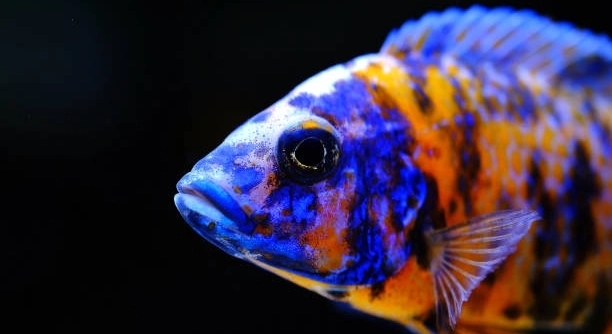
Do convict cichlids are small, colorful fish often kept in home aquariums. They are known for their bold personalities and territorial behavior, which can make them both interesting and challenging for hobbyists to observe closely.
Convict cichlids do not typically fight to the death under normal conditions. While they display aggressive territorial behavior, most encounters involve displays, chasing, and occasional nipping rather than lethal combat, allowing both fish to survive and continue cohabitating.
Understanding their social dynamics and aggression levels is key for maintaining a peaceful aquarium environment and ensuring the well-being of your fish. Proper care can reduce conflicts significantly.
Understanding Convict Cichlid Aggression
Convict cichlids are naturally territorial fish. They defend their space, especially during breeding. Males tend to patrol and chase intruders, while females guard the nest and fry. Aggression usually appears as flaring fins, chasing, or nudging other fish. While this may seem violent, it is often more about establishing dominance than causing serious harm. Proper tank size, hiding spots, and visual barriers can reduce conflicts significantly. Overcrowding or mixing incompatible species increases stress, leading to more frequent confrontations. Observing their behavior carefully helps you intervene before minor scuffles escalate. Feeding schedules also influence aggression. Well-fed cichlids tend to display less persistent chasing. Breeding pairs, however, can become highly protective and may temporarily isolate from other fish. Understanding their triggers and providing adequate space ensures a balanced tank environment where aggression is controlled.
Providing enough room and hiding places helps cichlids coexist without constant fighting.
Aggression management includes separating overly aggressive fish, maintaining clean water, and monitoring interactions. Tank décor can break lines of sight, reducing tension. Pairing compatible species minimizes stress, and consistent feeding ensures no fish feels threatened. Over time, cichlids can establish stable hierarchies, allowing multiple fish to share the same space safely.
Breeding and Territorial Behavior
Convict cichlids breed aggressively, often becoming highly protective of their eggs and fry.
During breeding, territorial instincts intensify. Pairs claim specific areas, usually flat surfaces for egg-laying, and guard these zones fiercely. Intruders are chased away, and aggression peaks until fry are mobile. Understanding this behavior is critical for anyone maintaining a community tank. Tank layout is important; visual barriers and separate breeding zones can prevent stress among other fish. Providing consistent feeding and monitoring interactions allows you to maintain balance in the aquarium. Even after fry hatch, parents continue to patrol the area, protecting their young while still maintaining overall tank harmony. Aggression usually decreases once fry grow and become more independent. Handling breeding pairs requires attention but can be rewarding, as observing their care routines provides insight into natural fish behavior. Recognizing early signs of stress or over-aggression ensures the tank remains safe for all inhabitants.
Signs of Conflict Among Convict Cichlids
Flaring fins, chasing, and nipping are the most common signs of conflict. These behaviors indicate territorial disputes or dominance struggles rather than intentions to kill. Observing these signs helps manage aggression before it becomes serious.
Aggression in convict cichlids often follows a pattern. Males display their fins and swim quickly toward rivals to assert dominance. Females protect their nests and fry, chasing away anything approaching. Minor scuffles are common and usually end without injury, but prolonged fighting can stress fish. Tank conditions, such as overcrowding or lack of hiding spots, can make aggression more frequent. Keeping a close eye on interactions allows timely intervention and reduces risk.
Environmental factors heavily influence conflict levels. Tight spaces or clear sightlines increase tension, while hiding spots, plants, and rocks provide safe zones. Regular feeding ensures no fish feels deprived, reducing competition. Adjusting tank layout and observing behavior consistently can prevent most conflicts from escalating, allowing convict cichlids to coexist safely.
Preventing Serious Aggression
Providing sufficient space and territory is crucial to prevent serious fights among convict cichlids.
Overcrowding is the leading cause of lethal aggression. Each cichlid needs room to patrol its own territory and escape if challenged. Visual barriers, such as rocks and plants, break lines of sight and reduce stress. Separating overly aggressive individuals prevents injury and allows calmer fish to thrive. Monitoring feeding routines ensures no fish feels threatened or starved. Establishing proper tank conditions early, including stable water quality, consistent temperature, and balanced diets, keeps aggression manageable. Observing pair interactions, especially during breeding, lets you intervene before disputes intensify, maintaining a safer environment for all fish.
A stable environment reduces stress and aggression, allowing cichlids to form hierarchies naturally. Proper tank setup, consistent care, and timely intervention prevent most lethal encounters. By paying attention to behavior patterns and providing hiding spots, you can maintain peace and ensure the long-term health of your fish. Even breeding pairs can coexist safely with careful management and monitoring. Understanding triggers and planning tank layout thoughtfully makes all the difference in preventing serious fights.
Managing Aggressive Individuals
Separating overly aggressive convict cichlids is often necessary. Individual fish that repeatedly attack others can cause injury or stress. Temporary or permanent separation helps maintain peace in the tank.
Monitoring interactions closely allows you to identify which fish need intervention. Consistent observation ensures aggression does not escalate and keeps the tank environment safe for all inhabitants.
Tank Setup and Territory
Providing multiple hiding spots and visual barriers reduces conflict. Rocks, plants, and decorations allow fish to escape or claim personal space. Territory boundaries prevent constant chasing and support natural hierarchies. Properly arranged tanks give each fish a sense of security, lowering overall stress and aggression levels.
Feeding and Aggression
Regular feeding prevents competition over food, which can trigger fights. Ensuring all fish receive enough nutrition helps maintain calmer behavior and reduces tension in shared spaces.
FAQ
Do convict cichlids ever kill each other?
Convict cichlids rarely kill one another under normal circumstances. Most aggression is territorial or dominance-related. Chasing, nipping, and flaring fins are common, but actual lethal fights are uncommon unless the tank is overcrowded, lacks hiding spots, or conditions are stressful. Careful observation and proper tank setup prevent serious harm.
Why do convict cichlids chase each other?
Chasing is a natural behavior for establishing territory and hierarchy. Males patrol their area, while females guard nests and fry. The chase often ends without injury. Providing enough space and visual barriers reduces the frequency of these encounters. Chasing is part of their social structure rather than an intention to harm.
How can I reduce aggression in my tank?
Adequate space, hiding spots, and consistent feeding are key. Overcrowding increases stress and fights. Adding rocks, plants, and decorations helps break sightlines, giving fish escape routes. Monitoring interactions allows intervention if one fish becomes overly aggressive. Adjusting tank layout and observing behavior regularly keeps peace in the aquarium.
Do breeding pairs fight more than others?
Yes, breeding pairs are more protective and territorial. They defend their eggs and fry aggressively. Males patrol, while females remain close to the nest. Conflicts with intruders or other tank mates can escalate quickly. Visual barriers and separate breeding zones help minimize stress and prevent unnecessary aggression.
Should I separate aggressive fish permanently?
Permanent separation is sometimes necessary for safety. Fish that repeatedly attack others can cause injury or stress. Temporary separation may suffice if aggression is situational. Evaluating each fish’s behavior helps determine the best solution. Ensuring calmer tankmates remain undisturbed preserves harmony in the aquarium.
Does tank size affect aggression?
Tank size directly impacts aggression levels. Smaller tanks increase territorial disputes, while larger tanks provide space for each fish to establish its own area. A tank that is too small can lead to continuous chasing, stress, and potential injury. Providing sufficient volume and hiding spots supports natural behavior.
Can diet influence convict cichlid aggression?
Yes, diet plays a role. Underfed fish may become more aggressive, competing for food. Providing regular, adequate meals reduces tension and minimizes fighting over resources. Balanced nutrition helps maintain calmer behavior and overall health. Observing feeding ensures every fish receives enough without competition.
What signs indicate aggression is becoming dangerous?
Severe nipping, repeated attacks, visible injuries, and persistent chasing are warning signs. Stress behaviors like hiding constantly, loss of appetite, or lethargy indicate tension is high. Immediate intervention, such as separating aggressive individuals or adjusting tank layout, is essential to prevent serious injury.
Do visual barriers really work?
Yes, visual barriers like plants, rocks, or decorations are highly effective. They break lines of sight and give fish places to escape or retreat. Barriers reduce stress and aggressive encounters by allowing fish to establish private spaces without constant confrontation. Proper placement is key for effectiveness.
How long does aggression last during breeding?
Aggression is most intense during the egg-laying and fry stages. Parents aggressively defend territory and offspring until fry become mobile and independent. After this period, aggression typically declines. Monitoring interactions and providing space ensures safety for other tank inhabitants while allowing parents to care for young.
Can multiple breeding pairs coexist in one tank?
It is possible but challenging. Multiple breeding pairs require sufficient space, visual barriers, and separate territories. Overcrowding can lead to intense conflicts and stress. Careful planning of tank layout and consistent monitoring allows coexistence, but it demands attentive management to prevent aggression from escalating.
Is it safe to mix convict cichlids with other fish?
Mixing with other fish is possible if tankmates are large, robust, and non-territorial. Small or passive species are likely to be harassed. Visual barriers, sufficient space, and monitoring interactions help reduce aggression toward other fish. Compatibility depends on species temperament and tank setup.
Can aggression decrease over time?
Yes, convict cichlids often establish a hierarchy that stabilizes social interactions. Once dominance is clear and territories are defined, chasing and nipping decrease. Consistent care, proper tank conditions, and adequate hiding spots help maintain long-term peace and reduce the frequency of conflicts.
How do I know if my tank is stressful for cichlids?
Signs of stress include constant hiding, loss of appetite, faded colors, and frequent chasing. Overcrowding, poor water quality, or lack of hiding spaces often contribute. Addressing these issues by adjusting tank size, décor, and water conditions improves behavior and reduces aggression.
Are convict cichlids naturally aggressive?
Yes, they have inherent territorial and protective instincts. Aggression is part of their natural behavior, especially during breeding. While it may appear harsh, it is not meant to be lethal. Understanding these instincts and managing the environment accordingly ensures safe coexistence in a home aquarium.
How can I safely introduce new cichlids?
Introduce fish gradually, ideally using a quarantine or divider system. This allows existing fish to adjust without immediate territorial disputes. Observing initial interactions closely helps prevent injuries. Rearranging tank décor before introduction reduces territorial claims and supports smoother integration of newcomers.
Does water quality impact aggression?
Poor water quality increases stress and aggressive behavior. Maintaining proper temperature, pH, and cleanliness is essential. Stable conditions reduce tension and promote calmer interactions. Regular monitoring and maintenance help keep convict cichlids healthy and minimize unnecessary fighting.
Can aggression cause long-term health issues?
Yes, chronic stress from fighting can weaken the immune system, stunt growth, and make fish prone to disease. Injuries from nipping can also lead to infections. Preventing prolonged aggression is crucial for maintaining overall health and ensuring a balanced, safe environment in the tank.
Are there signs of compatibility between convict cichlids and tankmates?
Compatible tankmates show minimal stress, can retreat when chased, and avoid prolonged conflict. Observing behavior over several days helps determine if coexistence is possible. Calm interactions, eating without competition, and no visible injuries indicate that the species or individuals are likely compatible.
What should I do if aggression escalates suddenly?
Immediate intervention is necessary. Separate aggressive fish, provide additional hiding spots, or rearrange the tank to reset territorial boundaries. Checking water quality and feeding routines ensures no environmental factors are contributing. Quick action prevents injury and stabilizes the tank’s social structure.
Can aggression be completely eliminated?
No, some level of aggression is natural and unavoidable. The goal is to manage it through tank setup, monitoring, feeding, and separation when necessary. Proper care minimizes risks while allowing cichlids to express natural behaviors safely within the aquarium environment.
How often should I monitor my cichlids for aggression?
Daily observation is ideal, especially during feeding and breeding periods. Early detection of conflict allows timely intervention. Watching interactions, checking for injuries, and noting behavior patterns ensures that aggression remains controlled and the tank remains safe for all fish.
Does age or size affect aggression?
Larger and more mature cichlids tend to dominate smaller or younger fish. Size differences influence hierarchy, and mismatched groups can increase conflicts. Careful selection of tankmates and attention to growth patterns help reduce stress and prevent unnecessary aggression.
Are there natural ways to calm aggressive cichlids?
Yes, providing hiding spots, rearranging décor, and maintaining stable conditions naturally reduce aggression. Grouping compatible species, consistent feeding, and minimizing stress factors like overcrowding or poor water quality encourage calmer behavior without medication or intervention.
How do I know when to intervene?
Intervene when chasing becomes persistent, injuries occur, or fish show signs of stress. Early action, such as separating individuals or adjusting territory, prevents serious harm. Regular observation allows you to act before conflicts escalate, ensuring a safe and balanced tank environment.
Can aggression affect breeding success?
Yes, excessive stress or constant fighting can disrupt breeding behavior. Pairs may abandon eggs or fry, or injuries can reduce reproductive success. Providing a safe, well-structured tank with minimal disturbances supports healthy breeding and protects offspring from aggressive tankmates.
What are the most effective long-term strategies to manage aggression?
Key strategies include proper tank size, hiding spots, visual barriers, compatible tankmates, consistent feeding, and regular observation. Separating aggressive individuals when necessary and maintaining stable water quality support long-term harmony. Planning for breeding pairs and monitoring social interactions ensures ongoing safety and reduces stress-related behavior.
Can aggression return after it has decreased?
Yes, changes in tank conditions, new introductions, or growth can reignite aggression. Regular monitoring, adjustments to tank layout, and careful management of interactions are essential to maintain stability. Even previously peaceful fish may display renewed territorial behavior under new circumstances.
Is it better to keep convict cichlids in groups or pairs?
Pairs are easier to manage, especially during breeding, as aggression is localized. Small groups can work with enough space and hiding spots but require careful observation to prevent dominance disputes. Tank size and layout largely determine which setup is safer and more manageable.
How do I handle injuries from aggression?
Minor injuries should be treated promptly with proper care and clean water. Severe wounds may require isolation and treatment. Monitoring health, maintaining water quality, and reducing stress factors prevent further injuries and support recovery for affected fish.
Are some convict cichlids naturally more aggressive than others?
Yes, individual temperament varies. Some fish are more territorial or bold, while others are calmer. Observing behavior over time allows you to identify which individuals may need separation or extra monitoring to prevent conflicts.
Can aggression affect feeding order or nutrition?
Aggressive fish often dominate feeding areas, causing shy individuals to eat less. Ensuring multiple feeding points or spreading food throughout the tank allows all fish to access nutrition and reduces competition-driven aggression.
Does breeding season length affect aggression intensity?
Longer breeding periods usually mean prolonged territorial behavior. Parents guard eggs and fry for several weeks, with aggression peaking early and gradually decreasing as fry grow. Planning tank layout and monitoring interactions ensures other fish remain safe during this period.
Can environmental enrichment reduce aggression?
Yes, adding rocks, plants, and structures provides exploration opportunities and hiding places, reducing boredom and territorial disputes. Enriched environments encourage natural behaviors while minimizing constant chasing, creating a calmer, safer tank for all cichlids.
Is aggression more common with certain tankmates?
Aggression increases when tankmates are small, passive, or occupy the same space. Choosing robust, non-territorial species minimizes conflicts. Monitoring introductions and providing escape routes ensures compatibility and reduces the likelihood of fights.
Do convict cichlids remember past conflicts?
They show recognition of previous dominance interactions. Fish may avoid certain individuals or continue to assert hierarchy based on past encounters. Understanding this behavior helps predict interactions and manage tank dynamics effectively.
How does lighting affect aggression?
Bright lighting can increase visibility and territorial behavior, while dimmer lighting may reduce tension. Adjusting lighting according to fish activity and comfort levels can influence aggression subtly but effectively.
Are aggressive behaviors seasonal?
Aggression mainly coincides with breeding periods or growth phases. Outside these periods, interactions are generally calmer. Planning tank management around breeding cycles helps maintain peace and reduces stress-related aggression.
Can aggression cause long-term behavioral changes?
Chronic fighting or stress can make fish permanently skittish or overly dominant. Early intervention and proper management prevent lasting behavioral issues, supporting healthier interactions and reducing long-term tension.
Do convict cichlids respond to human presence during aggression?
Yes, they may become more alert or defensive when humans approach, especially near territories. Minimizing disturbances during aggressive periods helps reduce stress and prevents escalation in the tank.
Is aggression linked to water temperature?
Higher temperatures can increase metabolism and activity, sometimes intensifying territorial behavior. Maintaining stable, appropriate temperatures helps moderate aggression and supports healthy overall behavior.
Can adding more fish reduce aggression?
In some cases, adding more fish can diffuse aggression by spreading dominance interactions. However, this only works if the tank is large enough and hiding spots are sufficient; otherwise, overcrowding may worsen conflicts.
Are male convict cichlids more aggressive than females?
Males typically show more outward aggression, patrolling and defending territory. Females are aggressive mainly during nesting and fry protection. Understanding these differences helps anticipate behavior and manage tank interactions effectively.
Do visual changes in the tank influence aggression?
Rearranging décor can reset territorial boundaries and reduce conflicts temporarily. Fish may reassess territories and avoid constant chasing, allowing calmer coexistence after adjustments.
Can aggression affect color and health?
Stress from fighting can dull colors, weaken immune systems, and stunt growth. Managing aggression through tank setup, feeding, and monitoring ensures vibrant, healthy fish.
How often should tank layout be adjusted?
Adjusting layout periodically prevents fixed territorial dominance and reduces repetitive aggression. Moving rocks, plants, and decorations allows fish to explore and establish new boundaries safely.
Are younger convict cichlids less aggressive?
Juveniles are generally less territorial, though dominance hierarchies may form early. Aggression increases with maturity, particularly during breeding. Monitoring growth stages helps anticipate changes in behavior.
Does the number of hiding spots matter?
Yes, more hiding spots reduce stress and allow fish to retreat. This prevents constant chasing and gives subordinate individuals safe spaces, supporting peaceful coexistence.
Can aggression affect tank cleanliness?
Aggressive chasing can scatter substrate and decorations, leading to uneven waste distribution. Maintaining regular cleaning and careful layout management ensures hygiene and reduces stress-related behavior.
Is aggression more common in certain tank shapes?
Long, narrow tanks limit escape routes, increasing conflict. Wider or irregularly shaped tanks with multiple zones help fish establish separate territories and reduce constant chasing.
How can I prepare for breeding aggression?
Provide separate breeding zones, visual barriers, and adequate space. Monitor pairs closely and ensure other tankmates have escape routes. Early preparation minimizes stress and prevents serious conflicts during this period.
Are there signs aggression is declining?
Reduced chasing, calmer swimming, and fewer injuries indicate aggression is stabilizing. Fish may establish clear territories, leading to more peaceful interactions and less frequent displays of dominance.
Does water chemistry affect aggression?
Extreme pH, hardness, or unstable parameters increase stress and aggressive behavior. Maintaining consistent, suitable water conditions supports calmer interactions and healthier fish.
Can aggression influence fry survival?
Yes, excessive stress or interference from other fish can harm eggs and fry. Protecting breeding zones and monitoring tankmates ensures higher survival rates and reduces conflicts around offspring.
Is aggression unavoidable during breeding?
Some aggression is natural and necessary for protecting eggs and fry. Proper tank setup and monitoring allow safe expression of these behaviors without harming other fish or compromising tank harmony.
Can tank mates reduce aggression by their behavior?
Calm, non-territorial fish that avoid confrontation can help reduce stress. Aggressive or passive responses from other fish influence cichlid behavior, making careful selection of tankmates essential for managing aggression.
How do I balance multiple breeding pairs?
Ensure sufficient space, visual barriers, and separate territories. Observe interactions closely, intervene if fights escalate, and provide hiding spots. Planning the tank layout thoughtfully minimizes conflicts and allows coexistence.
Are there long-term risks if aggression is ignored?
Chronic stress, injuries, and disease risk increase. Fish may become lethargic, malnourished, or develop behavioral issues. Ignoring aggression compromises health and overall tank stability, making management essential.
Does aggression vary between captive-bred and wild convict cichlids?
Captive-bred fish are often slightly calmer due to adaptation to aquarium life, though territorial instincts remain. Wild-caught individuals may display stronger aggression and require more careful management to prevent conflicts.
Can tank lighting adjustments influence aggression?
Lower lighting can reduce visibility and calm territorial disputes. Bright lighting may increase activity and territorial displays. Adjusting intensity according to behavior can subtly manage aggression.
How important is observation for long-term aggression control?
Regular observation is critical. Detecting early signs of stress, injury, or conflict allows timely intervention. Consistent monitoring ensures a balanced social structure and prevents minor disputes from escalating.
What environmental factors most affect aggression?
Tank size, décor, hiding spots, water quality, and feeding routines significantly influence aggression. Proper management of these factors creates a stable environment where fish can coexist safely while expressing natural behaviors.
Are all conflicts over territory?
Mostly, yes. Aggression usually relates to dominance, breeding, or protecting resources. Understanding the source of conflict helps in implementing effective strategies for prevention and management.
Can stress from aggression affect reproduction?
High stress reduces breeding success. Pairs may abandon eggs or fry, and fry survival decreases. Managing aggression ensures reproductive health and improves overall tank stability.
Do fish recognize specific aggressors?
Yes, convict cichlids remember past interactions. They may avoid certain fish or continue asserting dominance, influencing long-term social dynamics in the tank.
Can aggression impact overall tank harmony?
Unchecked aggression creates stress, injury, and constant conflict. Proper management through layout, feeding, and monitoring is essential to maintain a peaceful and healthy tank environment.
Are there seasonal variations in aggression?
Aggression peaks during breeding and growth periods. Outside these times, behavior is calmer. Awareness of these cycles helps anticipate conflicts and plan tank management.
Can environmental enrichment reduce aggression long-term?
Yes, varied décor, hiding spots, and visual barriers encourage natural behaviors and reduce repetitive dominance displays. Enrichment supports calmer social interactions and overall tank health.
Do convict cichlids compete for mates aggressively?
During breeding season, males may compete for females. This involves displays, chasing, and minor nipping, but it rarely results in serious harm. Proper tank spacing mitigates conflicts.
How can I safely reintroduce fish after aggression?
Reintroduce slowly, using dividers or quarantine spaces. Observe interactions carefully and adjust décor if necessary. Gradual reintroduction prevents immediate territorial disputes and ensures safer coexistence.
Is aggression more intense in smaller tanks?
Yes, limited space increases territorial disputes and chasing. Providing larger tanks with zones and hiding spots significantly reduces the frequency and intensity of aggressive behavior.
Can aggression affect fish growth?
Chronic stress from fighting can stunt growth and weaken immunity. Ensuring a safe, low-stress environment supports normal development and overall health.
How often should aggressive individuals be separated?
Separation should occur whenever repeated attacks or injuries happen. Temporary or permanent separation depending on behavior prevents escalation and protects other fish.
Does water movement influence aggression?
High current areas may increase activity and territorial defense. Gentle, stable water flow helps reduce tension and allows calmer interactions.
Can aggression be influenced by tank population density?
Yes, overcrowding heightens disputes and stress. Proper stocking levels and adequate territory reduce aggression and support natural hierarchies.
Are aggressive behaviors different between males and females?
Males patrol and assert dominance over space, while females focus aggression on nest and fry protection. Knowing these differences helps anticipate and manage conflicts
Final Thoughts
Convict cichlids are naturally territorial fish, and understanding their behavior is key to maintaining a peaceful aquarium. While their aggression may seem alarming at first, it is usually related to establishing territory, protecting eggs and fry, or asserting dominance. Most conflicts involve chasing, nipping, and displays of fins rather than lethal fighting. Observing these behaviors closely allows for timely intervention and prevents serious injuries. Proper tank management, including adequate space, hiding spots, and visual barriers, helps reduce stress and minimizes aggression. Overcrowding or poor tank conditions often intensify aggressive behavior, so maintaining a balanced environment is essential. Recognizing the difference between normal territorial displays and dangerous aggression ensures that both the fish and the tank remain healthy over time.
Breeding periods are the most critical times for aggression in convict cichlids. During this stage, males and females become highly protective of their eggs and fry, and interactions with other fish may escalate. Providing separate breeding zones and ample hiding spaces helps reduce stress for other tank inhabitants. Consistent feeding is also important, as underfed fish are more likely to compete aggressively for food. Temporary or permanent separation of highly aggressive individuals may sometimes be necessary to maintain a safe and balanced environment. Monitoring the tank regularly ensures that minor disputes do not escalate, and it allows you to respond quickly if a fish is injured or stressed. Environmental enrichment, such as adding rocks, plants, and visual barriers, gives fish places to retreat and claim territory, supporting calmer behavior while still allowing them to express natural instincts.
Managing convict cichlid aggression requires patience, observation, and planning. Tank size, layout, water quality, and population density all play critical roles in reducing conflicts. Providing multiple hiding spots and consistent care helps fish feel secure and reduces the likelihood of fights. While some aggression is unavoidable, it can be managed effectively so that the fish coexist safely. By understanding their natural behaviors and anticipating periods of increased aggression, you can create an environment where convict cichlids thrive. Maintaining balance in the tank not only protects the health and well-being of the fish but also ensures a more enjoyable and stable aquarium experience. Over time, you will notice that fish establish territories and social hierarchies naturally, allowing for calmer interactions and less stress, making your aquarium a healthier and more harmonious space.

Hello,
If you enjoy the content that we create, please consider saying a "Thank You!" by leaving a tip.
Every little bit helps us continue crafting quality advice that supports the health, happiness, and well-being of pets around the world, for pets of all shapes, sizes, and species.
We really appreciate the kindness and support that you show us!