
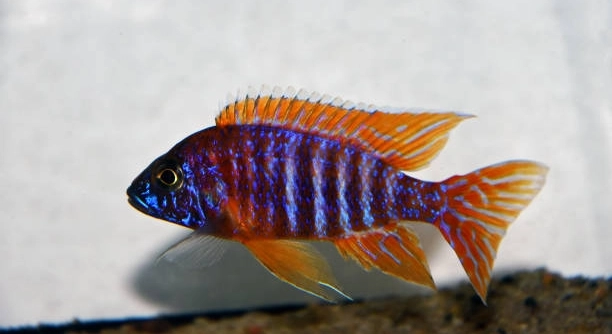
Are your convict cichlids looking a bit off lately? Observing their colors, fins, and behavior can give you clear signs of their overall health and wellbeing. Healthy fish are easier to care for and more enjoyable to watch.
A healthy convict cichlid displays vibrant, consistent coloration, clear eyes, and intact fins. Its body is well-proportioned without signs of swelling or lesions. Active swimming and regular feeding habits further indicate a robust and stable condition.
Knowing what to watch for will make it easier to maintain their tank environment and prevent potential health issues early.
Recognizing a Healthy Convict Cichlid
A healthy convict cichlid shows bright, even coloration across its body, typically with bold black stripes on a gray or light blue base. Its fins are fully extended, not clamped, and free from tears or ragged edges. The eyes remain clear, without cloudiness or swelling, reflecting proper health. A well-fed cichlid maintains a smooth, slightly rounded body, without unusual bulges or indentations. Active swimming throughout the tank is a good sign, as they explore territory calmly and interact with other fish without excessive aggression. Feeding habits are consistent; a healthy convict cichlid eagerly eats prepared foods, flakes, or occasional live treats. Observing posture is also important—sluggish or tilted swimming may indicate stress or illness. Tank conditions, including clean water, stable temperature, and proper pH, directly affect their wellbeing. Maintaining these conditions reduces the risk of diseases and keeps your cichlid’s vibrant colors and energetic behavior intact.
Consistent monitoring of behavior and appearance ensures early detection of any changes. Minor issues are easier to address when caught promptly.
Even small differences, like slight fin clamping or pale stripes, can signal the start of health problems. Acting quickly, adjusting water parameters, or reviewing diet can restore balance. Regular observation and maintenance create a stable environment, helping your convict cichlid thrive and maintain its natural beauty.
Common Signs of Illness
Signs of illness in convict cichlids can appear gradually or suddenly, affecting behavior, color, and appetite. Early detection improves recovery chances.
Illness may show as faded or blotchy colors, torn fins, swollen bodies, or lethargy. Fish might isolate themselves, swim erratically, or refuse food. Environmental stressors like poor water quality, sudden temperature changes, or overcrowding often worsen these symptoms. Parasites and bacterial infections also manifest through visible spots, frayed fins, or unusual mucus production. Observing interactions with tank mates can reveal stress or aggression issues, as healthy fish maintain regular territorial behaviors without excessive chasing or hiding. Consistent feeding routines and clean water reduce disease risks. It is important to quarantine new fish and monitor them closely before introducing them to the main tank. Treatments, including medicated food or water additives, may be necessary depending on the diagnosis. Early intervention significantly improves recovery rates and prevents long-term damage. Proper tank management, attention to detail, and regular observation are essential to maintaining convict cichlid health, ensuring they remain active, colorful, and resilient.
Tank Conditions for Healthy Convict Cichlids
Stable water temperature between 75–80°F supports proper metabolism and activity. pH should remain near neutral, around 6.5–7.5. Clean, filtered water with regular partial changes prevents toxin buildup. Overcrowding increases stress and aggression, impacting overall health and behavior.
Proper tank setup includes hiding spots, rocks, and gentle substrate. Convict cichlids enjoy territories but need space to swim freely. Frequent water testing helps maintain ammonia, nitrite, and nitrate levels within safe limits. A well-maintained environment reduces stress, supports immune function, and preserves vibrant coloration. Filtration should provide moderate flow, avoiding excessive current that fatigues fish, while heaters maintain steady temperatures. Observation of water clarity and occasional cleaning of decor ensures debris does not accumulate, protecting fins and gills.
Lighting and plant placement also influence activity and stress. Bright lights enhance coloration but should be balanced with shaded areas for retreat. Plants, rocks, and caves offer security and reduce aggression, making cichlids feel safe. Proper arrangement allows natural behaviors such as digging, exploring, and guarding territory, which are important for mental and physical health. Regularly rotating or rearranging décor can stimulate activity, keeping fish engaged and less prone to stress-related health issues.
Diet and Nutrition
A varied diet promotes strong growth, vibrant colors, and immune health. High-quality flakes, pellets, and occasional live or frozen foods provide essential nutrients.
Feeding should be consistent but not excessive. Overfeeding can pollute the tank and cause obesity or digestive issues. Convict cichlids thrive on protein-rich foods such as brine shrimp, bloodworms, and finely chopped insects. Vegetables like peas or spinach supplement fiber and vitamins. Offering a mix of prepared and fresh foods encourages natural foraging behaviors. Portion control ensures they eat within a few minutes, preventing leftover food from degrading water quality. Feeding schedules of once or twice daily maintain energy levels without stressing digestion. Proper nutrition supports growth, coloration, and reproductive health, allowing fish to maintain optimal physical condition over time.
Water quality and diet are closely linked. Uneaten food decomposes quickly, producing ammonia and affecting pH. Balanced nutrition strengthens immune systems, helping cichlids resist common diseases like fin rot or parasitic infections. Live foods encourage active hunting, while prepared diets guarantee consistent nutrient intake. Monitoring feeding behavior identifies potential health issues early, as refusal to eat often signals stress, illness, or water problems. Combining careful feeding, dietary variety, and environmental maintenance ensures convict cichlids remain healthy, active, and visually vibrant, with minimal risk of disease or behavioral problems.
Breeding and Spawning Behavior
Convict cichlids become very territorial when preparing to breed. They clean flat surfaces like rocks or tank walls to lay eggs. Both parents guard the eggs and fry actively, showing protective behaviors until the young are independent.
Fry should be separated from aggressive tank mates. Proper diet and water conditions improve survival rates. Observing the parents ensures the eggs are developing normally and not being eaten. Maintaining consistent water quality and minimal disturbances reduces stress and encourages successful hatching.
Signs of Stress
Stress in convict cichlids often appears as faded colors, clamped fins, or hiding for long periods. These behaviors signal environmental or social issues.
Stress can also cause loss of appetite and erratic swimming patterns. Addressing tank size, water quality, and aggression quickly prevents health decline. Stress management is key to maintaining active, colorful fish.
Common Tank Mates
Peaceful, similarly sized fish work best with convict cichlids. Avoid smaller fish that may be bullied or eaten.
Compatible tank mates include larger tetras, rainbowfish, and some catfish species. Introductions should be gradual, with plenty of hiding spaces to reduce territorial disputes and maintain a calm environment.
FAQ
What is the ideal water temperature for convict cichlids?
Convict cichlids thrive in water temperatures between 75–80°F. Maintaining stable temperatures is crucial, as sudden fluctuations can stress the fish, weaken their immune system, and make them more susceptible to diseases. Using a reliable aquarium heater and thermometer helps ensure consistent conditions.
How often should I change the water?
Partial water changes of 20–30% weekly are recommended. Regular changes prevent ammonia and nitrate buildup, keeping the tank clean and safe. Frequent water testing ensures parameters remain within safe limits, supporting both health and coloration of your cichlids.
What should I feed my convict cichlid?
A balanced diet includes high-quality flakes or pellets, supplemented with live or frozen foods like brine shrimp, bloodworms, or chopped insects. Occasional vegetables such as peas or spinach provide fiber and vitamins. Avoid overfeeding, as leftover food can pollute the tank and harm water quality.
How can I tell if my cichlid is healthy?
Healthy cichlids have bright, consistent colors, clear eyes, and fully extended fins. They swim actively, explore their territory, and eat regularly. Any signs of lethargy, clamped fins, faded colors, or erratic swimming may indicate stress, illness, or poor water conditions.
Can convict cichlids live with other fish?
Yes, but tank mates should be similarly sized and moderately aggressive. Avoid smaller or timid fish that may be bullied. Suitable companions include larger tetras, rainbowfish, and some catfish species. Introduce new fish gradually, with ample hiding spaces to reduce territorial disputes.
How do I know when my cichlid is stressed?
Stress signs include faded coloration, clamped fins, hiding for extended periods, and reduced appetite. Erratic swimming or aggression toward tank mates can also indicate stress. Addressing water quality, tank size, and social dynamics promptly helps restore their wellbeing.
What is the breeding behavior of convict cichlids?
Convict cichlids become territorial when spawning. They clean flat surfaces for egg laying, and both parents guard the eggs and fry. Proper tank conditions, diet, and separation from aggressive fish increase survival rates for the young. Observing parental care ensures eggs and fry are developing normally.
Why are my cichlid’s fins torn or ragged?
Torn fins may result from aggression, rough tank décor, or poor water conditions. Ensure there are enough hiding spots and reduce overcrowding. Regular water maintenance prevents infections that could worsen fin damage. Minor tears can heal if the environment supports recovery.
How can I maintain vibrant coloration in my cichlid?
Vibrant colors depend on good nutrition, stable water conditions, and minimal stress. A balanced diet rich in protein and occasional live foods enhances coloration. Clean, filtered water with proper temperature and pH also helps maintain healthy skin and scales.
Is it normal for convict cichlids to dig in the substrate?
Yes, digging is natural and part of their territorial behavior. They move substrate to prepare egg-laying sites or explore. Providing a soft substrate and enough space prevents injuries and supports natural instincts without disturbing other tank inhabitants.
How long do convict cichlids live?
With proper care, convict cichlids can live 8–10 years. Maintaining good water quality, a balanced diet, and a stress-free environment contributes to longevity. Regular monitoring and prompt attention to health issues help them reach their full lifespan.
What should I do if my cichlid stops eating?
Loss of appetite may signal stress, illness, or poor water quality. Check water parameters, observe behavior for signs of disease, and offer varied foods. Isolate the fish if necessary and consult treatment options for common infections or parasites to restore normal feeding behavior.
Can convict cichlids recognize their owners?
Convict cichlids can become accustomed to their caretakers and may respond to your presence at the tank. They recognize feeding routines and may swim near you during feeding, demonstrating a basic form of recognition without forming social bonds.
How do I prevent diseases in my tank?
Regular water changes, proper filtration, and maintaining stable temperature and pH are key. Avoid overcrowding and quarantine new fish before introduction. Balanced nutrition strengthens immunity, while observation of behavior and appearance allows early detection and treatment of illnesses.
Is it necessary to have plants in the tank?
Plants provide hiding spots, reduce stress, and improve water quality. They also support natural behaviors like digging and territory marking. While not essential, live or artificial plants enhance the environment, helping convict cichlids feel secure and active in the tank.
How can I manage aggression in my cichlid tank?
Provide plenty of hiding places, maintain proper tank size, and avoid overcrowding. Monitor interactions and separate overly aggressive individuals if needed. Structured territories with rocks, caves, and décor help reduce conflicts, allowing fish to coexist with minimal stress.
Can convict cichlids tolerate slightly hard or soft water?
They are adaptable but prefer moderately hard, neutral water. Extreme hardness or softness can stress them and affect health. Regular water testing and adjustments help maintain suitable conditions that support natural behavior, growth, and reproduction.
What is the best way to introduce new fish?
Introduce new fish gradually, preferably using a quarantine tank first. Slowly acclimate them to the main tank’s water parameters. Providing hiding spaces reduces stress and territorial conflicts, ensuring a smoother integration into the existing community.
How do I know if the tank is too small?
Signs of an undersized tank include constant territorial disputes, rapid stress responses, and limited swimming space. A larger tank allows each fish to establish its territory, reducing aggression and promoting healthier behavior and growth.
Can I breed convict cichlids in a community tank?
Breeding in a community tank is possible but challenging. Other fish may disturb eggs or fry, and territorial parents may become aggressive. A separate breeding tank with controlled conditions increases success rates and protects the young until they are strong enough to join the main tank.
How often should I clean the tank decorations and substrate?
Clean decorations and substrate as needed, usually monthly or when debris accumulates. Avoid harsh chemicals; rinse with tank water to prevent harming beneficial bacteria. Regular cleaning maintains water quality, reduces stress, and prevents infections.
What should I do if my cichlid develops white spots?
White spots may indicate Ich or other parasitic infections. Quarantine the affected fish, adjust water temperature if needed, and treat with appropriate medication. Early intervention prevents the spread to other tank inhabitants and supports full recovery.
How can I tell the difference between male and female convict cichlids?
Males are generally larger, with more pointed dorsal fins and a slightly more elongated body. Females often display brighter orange coloration on the belly, especially during breeding. Observing behavior during spawning also helps identify sexes, as both guard eggs but females may spend more time near the clutch.
Is it safe to keep multiple pairs in one tank?
Multiple pairs can coexist if the tank is large and has enough hiding spots and territories. Overcrowding increases stress and aggression. Monitor interactions closely, and separate overly aggressive pairs to maintain a stable environment and protect weaker fish.
What are common signs of fin rot?
Fin rot appears as frayed or discolored fins, often with white edges. Poor water quality, stress, or bacterial infections contribute. Treating water conditions, reducing stress, and using antibacterial medication when necessary helps the fins recover.
How do I encourage natural behavior in my cichlids?
Provide hiding spots, substrate for digging, and a spacious tank. Varied diet and occasional live foods stimulate foraging. Regularly rearranging décor encourages exploration and active swimming, supporting mental stimulation and reducing stress.
Can convict cichlids tolerate lower temperatures temporarily?
Brief exposure to slightly lower temperatures is usually tolerated, but prolonged cold stresses metabolism and immunity. Keep the tank within the preferred range of 75–80°F for consistent health and activity.
How do I prevent aggression toward new tank mates?
Introduce new fish gradually, provide hiding spaces, and ensure proper tank size. Observing interactions allows timely intervention if aggression occurs. Structuring territories with rocks, caves, and plants reduces conflicts and promotes peaceful coexistence.
What is the typical lifespan of a convict cichlid in captivity?
With proper care, convict cichlids live 8–10 years. Maintaining stable water conditions, balanced nutrition, and a low-stress environment supports longevity. Early detection of health issues ensures they remain active and colorful throughout their life.
How do I manage algae growth in the tank?
Regular water changes, controlling light exposure, and avoiding overfeeding reduce algae. Including algae-eating fish or snails can help maintain balance. Manual removal of excess growth keeps the tank clean and prevents interference with water quality.
Are convict cichlids sensitive to pH changes?
They prefer neutral pH but tolerate slight fluctuations. Rapid changes can cause stress, weakened immunity, and color loss. Consistent monitoring and adjustments maintain stable conditions that support healthy behavior and long-term wellbeing.
What should I do if my cichlid develops cloudy eyes?
Cloudy eyes may indicate infection, poor water quality, or injury. Test water parameters, isolate the affected fish, and consider appropriate treatment. Maintaining clean, stable conditions prevents recurrence and supports full recovery of eye clarity.
How important is tank size for juvenile cichlids?
Juveniles need space to grow and establish territories. Crowded conditions increase stress, stunt growth, and encourage aggression. Providing sufficient room ensures healthy development, normal behavior, and reduces competition among young fish.
Can I keep convict cichlids with invertebrates?
Some larger, armored invertebrates like snails may coexist, but small shrimp or delicate species are at risk. Convict cichlids may view them as food. Careful selection and observation are necessary to prevent predation or stress for both species.
How often should I observe my cichlids for health checks?
Daily observation is recommended. Noticing small changes in behavior, coloration, or appetite allows early intervention. Regular monitoring of tank conditions alongside fish behavior ensures ongoing health and reduces the likelihood of serious issues developing.
What equipment is essential for a convict cichlid tank?
A heater, filter, thermometer, and water test kits are essential. Decorations, hiding spots, and substrate enhance comfort and reduce stress. Proper equipment maintains water quality, temperature, and a stable environment necessary for health and activity.
How do I prevent overbreeding in a community tank?
Separating males and females or using larger tanks with ample hiding spots reduces constant breeding stress. Overbreeding can increase aggression and deplete resources, affecting the health of both adults and fry. Monitoring pairs helps maintain balance.
Can convict cichlids live in soft water?
They can tolerate moderately soft water, but extremes may cause stress. Maintaining a slightly hard, neutral water environment supports coloration, growth, and reproduction while reducing vulnerability to illness.
How do I treat bacterial infections?
Identify symptoms such as fin rot, ulcers, or cloudy eyes. Isolate the affected fish, maintain water quality, and use appropriate antibacterial treatments. Early intervention prevents spread and allows full recovery.
What are the signs of internal parasites?
Loss of appetite, weight loss, lethargy, or stringy feces indicate internal parasites. Quarantine, proper diet, and targeted medication help treat infestations and restore health.
How do I encourage spawning behavior?
Maintain stable water parameters, provide flat surfaces for egg-laying, and ensure a high-protein diet. Reduced stress and adequate territory support natural breeding instincts, improving the success rate of fertilized eggs.
Can convict cichlids recognize their eggs or fry?
Parents instinctively guard eggs and fry, showing protective behaviors. They can distinguish their own offspring from others, which reduces the risk of cannibalism and improves survival rates.
How do I handle aggressive pairs during breeding?
Provide ample space, hiding spots, and, if needed, separate other fish temporarily. Allow parents to guard eggs and fry safely. Close observation ensures aggression does not escalate, preventing injury to other tank inhabitants.
Is it normal for cichlids to change color during breeding?
Yes, females often show brighter orange bellies when ready to spawn. Males may darken or display more intense stripes. These changes indicate reproductive readiness and help identify breeding pairs.
How can I prevent overfeeding?
Offer only what can be eaten within a few minutes. Use small portions and remove leftovers promptly. Overfeeding pollutes water, encourages obesity, and increases the risk of digestive problems. Controlled feeding maintains health and water quality.
Can stress affect breeding success?
Yes, stress reduces reproductive behavior, egg viability, and parental care. Maintaining stable water, adequate space, and minimal disturbances improves spawning success and ensures healthy fry.
How do I know when fry are ready to eat solid food?
Fry usually start eating finely crushed flakes, powdered food, or baby brine shrimp within a few days after hatching. Observe for active feeding and growth, adjusting portion sizes gradually as they develop.
What is the best way to separate fry from adults?
Use a breeding or nursery tank with fine mesh barriers. This protects fry from aggressive adults while allowing water flow. Gradual acclimation to the main tank ensures survival and reduces stress.
Can I use tap water for my tank?
Yes, but it must be treated to remove chlorine, chloramines, and heavy metals. Conditioning water ensures safety for cichlids and supports stable water chemistry necessary for health and reproduction.
How do I identify aggressive behavior between tank mates?
Signs include chasing, nipping, hiding, or torn fins. Observing interactions and providing territories, hiding spots, or separation reduces conflicts and keeps the tank environment calm and safe for all fish.
Are convict cichlids compatible with goldfish?
No, goldfish and convict cichlids have very different water requirements and temperaments. Convicts may bully or eat goldfish, while goldfish produce high waste levels unsuitable for cichlids. Separate tanks are recommended for optimal health.
How do I prevent fungal infections?
Maintain clean water, stable parameters, and avoid injuries. Treat infected fish promptly using antifungal medications. Proper tank hygiene and reduced stress prevent outbreaks and support overall health.
Can I keep multiple males together?
Multiple males may become highly territorial, leading to aggression. Ensure sufficient space and hiding spots. Careful monitoring or separation is necessary to prevent stress and injuries.
How long after spawning do eggs hatch?
Eggs typically hatch within 3–5 days, depending on water temperature. Parents continue guarding fry for several weeks, ensuring protection until they are strong enough to survive independently.
Do convict cichlids need a specific light cycle?
A consistent day-night cycle of 10–12 hours of light supports natural behavior and feeding routines. Sudden changes can stress fish, affecting color, appetite, and overall activity levels.
How do I handle cloudy water?
Cloudy water usually results from overfeeding, poor filtration, or bacterial bloom. Partial water changes, cleaning substrate, and ensuring proper filtration restore clarity and improve water quality for fish health.
Can I keep other cichlid species with convicts?
Compatibility depends on size, temperament, and tank space. Avoid overly aggressive or much larger cichlids. Similar-sized, moderately aggressive species may coexist if territories are well-defined and hiding spots are available.
What is the best substrate for convict cichlids?
Sand or smooth gravel works best. It allows digging and egg-laying while minimizing injuries. Avoid sharp or rough materials that can damage fins or stress fish during natural behaviors.
How do I prevent constipation in cichlids?
Feed a varied diet including fiber-rich vegetables. Avoid overfeeding and provide occasional live or frozen foods to maintain digestion. Observing feeding and stool consistency helps identify and address issues early.
Can convict cichlids recognize their environment?
Yes, they learn tank layout, territories, and feeding routines. Familiarity reduces stress and encourages natural behavior, improving overall health and interaction with tank mates.
How do I encourage active swimming?
Provide open swimming space, varied décor, and occasional live foods. Regular observation and adjusting tank layout stimulate movement, support muscle development, and reduce stress.
What are signs of aging in convict cichlids?
Slower swimming, less vibrant coloration, and reduced reproductive activity are common. Aging fish may require more frequent water maintenance and careful observation to maintain health and wellbeing.
How do I prevent bullying in a community tank?
Ensure adequate space, hiding spots, and balanced group sizes. Monitor interactions and separate aggressive individuals if needed. Structured territories reduce stress and support peaceful coexistence.
Can convict cichlids adapt to new tanks easily?
Yes, with gradual acclimation. Float the bag for temperature adjustment, slowly mix tank water, and monitor for stress. Patience and careful observation help them settle safely and maintain health.
How do I handle sudden illness outbreaks?
Quarantine affected fish, test water parameters, and apply appropriate treatments. Reducing stress, maintaining clean water, and observing tank mates prevent further spread and support recovery.
Are convict cichlids prone to obesity?
Yes, especially if overfed or inactive. Controlled feeding, varied diet, and sufficient swimming space prevent excessive weight gain and related health problems.
Can I keep them in a small tank temporarily?
Short-term housing in a smaller tank is tolerable but not ideal. Ensure proper filtration, hiding spots, and frequent monitoring to reduce stress. Long-term confinement may stunt growth and trigger aggression.
How do I encourage natural digging behavior?
Provide soft substrate, open space, and flat surfaces. Occasional rearrangement of décor and introduction of small objects stimulates natural instincts and reduces boredom or stress.
Can convict cichlids change behavior with age?
Yes, older fish may become less aggressive, slower, or less active. Adjust tank conditions and care routines to accommodate changes and maintain health throughout their lifespan.
How do I know if my cichlid is dehydrated or stressed?
Signs include lethargy, sunken eyes, clamped fins, and loss of appetite. Testing water parameters, improving diet, and reducing stressors restore wellbeing and normal behavior.
Are convict cichlids sensitive to sudden noise or vibrations?
Yes, sudden disturbances can stress fish, causing erratic swimming or hiding. Maintaining a stable environment and minimizing tank vibrations reduces stress and supports consistent behavior and health.
What is the best method to acclimate new cichlids?
Float the bag for temperature equilibration, gradually mix tank water, and monitor behavior during transfer. Slow acclimation reduces shock and ensures a smooth transition into the new environment.
Can convict cichlids recognize individual tank mates?
They recognize other fish through visual cues and past interactions. Territorial behavior reflects memory of previous encounters,
Convict cichlids are resilient fish, but maintaining their health requires attention to water conditions, diet, and social dynamics in the tank. Observing their behavior daily provides important clues about their wellbeing. Bright, consistent colors, clear eyes, fully extended fins, and active swimming are reliable indicators of a healthy fish. Any changes in these signs, such as clamped fins, faded stripes, or lethargy, should be addressed quickly to prevent illness. Regular water testing and consistent maintenance help create a stable environment, reducing stress and supporting natural behaviors like swimming, territory exploration, and feeding.
Proper nutrition is equally important for convict cichlids. A balanced diet of high-quality flakes or pellets, supplemented with live or frozen foods and occasional vegetables, provides essential nutrients for growth, coloration, and reproduction. Overfeeding can cause water quality issues and digestive problems, so monitoring portion sizes is crucial. Feeding routines also help fish develop predictable behavior and establish trust with their environment. Offering varied foods encourages natural foraging habits and keeps fish active. Coupled with clean water and stable tank conditions, a well-planned diet supports long-term health and reduces susceptibility to common diseases like fin rot, parasites, or bacterial infections.
Social dynamics and tank setup also play a key role in maintaining convict cichlid health. They are naturally territorial, especially during breeding, so providing hiding spots, flat surfaces, and adequate space is essential. Compatible tank mates should be similar in size and temperament, and aggressive behavior should be monitored to prevent injury or stress. Plants, rocks, and caves enhance the environment, offering both protection and opportunities for natural digging or spawning behaviors. By maintaining proper water quality, a varied diet, and a thoughtful tank setup, it is possible to support convict cichlids’ physical and mental health. With careful attention and regular observation, these fish can remain active, colorful, and resilient, providing a long-lasting and enjoyable presence in the aquarium.

Hello,
If you enjoy the content that we create, please consider saying a "Thank You!" by leaving a tip.
Every little bit helps us continue crafting quality advice that supports the health, happiness, and well-being of pets around the world, for pets of all shapes, sizes, and species.
We really appreciate the kindness and support that you show us!