
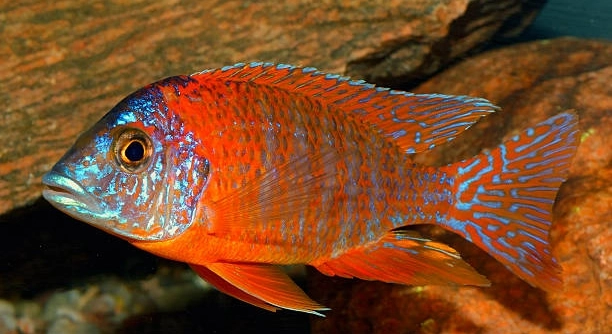
Convict cichlids are small freshwater fish known for their striking stripes and lively behavior. They can be kept in home aquariums and often develop strong personalities, making them interesting pets for both beginners and experienced aquarists.
Convict cichlids exhibit seven distinct personality traits, including territoriality, aggressiveness, curiosity, intelligence, sociability, parental instinct, and adaptability. These traits influence their behavior in captivity, impacting tank dynamics, feeding patterns, and interactions with other fish.
Learning about these traits helps you understand their behavior better and ensures a healthier, more harmonious aquarium environment for your cichlids.
Territorial Behavior
Convict cichlids are highly territorial, often staking out specific areas of the tank and defending them vigorously. They mark their chosen spots with visual displays and aggressive posturing, especially during breeding periods. In community tanks, this behavior can lead to conflicts with other fish, so careful placement and tank size are essential. Territoriality is strongest among males, who patrol the tank and chase away intruders. Female cichlids also defend their nest areas, particularly when caring for eggs or fry. Providing hiding spots, rocks, and plants can help reduce stress and conflicts, giving each fish a sense of personal space. Observing their behavior reveals clear signs of ownership, from circling specific areas to flaring fins. Over time, cichlids may adjust to other tank inhabitants, but their territorial instincts remain. Respecting their space leads to a calmer environment, reducing aggressive encounters and encouraging natural behaviors that are fascinating to watch.
Territorial instincts help cichlids protect resources and offspring, making careful tank management important for a peaceful aquarium.
Awareness of these behaviors allows you to design a tank that accommodates multiple fish without constant fighting. Rocks, caves, and plants create visual boundaries, giving cichlids private zones. This setup reduces stress, promotes healthy feeding habits, and encourages natural interactions, making observation more rewarding. Adjusting tank mates and monitoring aggressive tendencies ensures that all fish coexist safely while maintaining their natural personalities.
Aggressiveness
Aggressiveness in convict cichlids can appear suddenly, often linked to protecting territory or mating.
Aggression varies with age, size, and breeding status, requiring careful observation and management.
During aggressive episodes, cichlids may chase or nip at tank mates. Recognizing early signs, such as flaring gills or rapid swimming, helps prevent injury. Providing ample space and hiding spots reduces tension. Aggression can be influenced by diet, tank layout, and the presence of other species. Some cichlids are naturally more assertive, while others remain calmer. Monitoring interactions and separating overly aggressive individuals when necessary maintains harmony. Training yourself to spot subtle behavior shifts improves the overall health of the tank. Aggression is not necessarily negative; it reflects natural instincts and the cichlid’s ability to survive and reproduce. Understanding this trait allows you to anticipate challenges and adapt tank conditions accordingly.
Would you like me to continue with the next personality traits in the same format?
Curiosity
Convict cichlids are naturally curious and explore their surroundings constantly. They investigate new objects, plants, and decorations, often inspecting every corner of the tank. This trait helps them adapt quickly to changes in their environment.
Their curiosity drives them to interact with tank features and other fish. They may examine new rocks, plants, or ornaments, often nudging or circling them repeatedly. This behavior can lead to accidental displacement of small objects, but it is harmless and part of their exploration. Watching their inquisitive nature offers insight into their intelligence and adaptability. Curiosity also encourages activity, keeping them engaged and preventing boredom in captivity.
Exploration is not limited to objects. Cichlids also observe the movements of other fish, analyzing potential threats or companions. Their investigative behavior helps them learn feeding routines, navigate the tank efficiently, and establish hierarchies. By understanding this trait, you can enrich their environment with safe stimuli that satisfy their curiosity and encourage natural behaviors, improving overall well-being.
Intelligence
Convict cichlids demonstrate problem-solving skills and memory, making them remarkably intelligent among freshwater fish. Their cognitive abilities allow them to recognize tank mates and navigate complex environments efficiently.
They can learn feeding schedules and associate specific cues with food or attention. Cichlids often remember hiding spots, territories, and threats over extended periods. Their intelligence becomes evident during breeding, as they coordinate nest building and parental care with precision. Some cichlids show adaptive strategies when resources are limited, moving quickly to secure shelter or food. Their mental sharpness allows them to adjust to new tank setups, interact strategically with other fish, and anticipate environmental changes, making them engaging to observe over time.
Understanding their intelligence allows aquarists to provide mentally stimulating environments. Adding obstacles, varied hiding spots, or changing decorations challenges them while reducing stress. They can distinguish between different tank mates, recognizing who poses minimal risk and who may be aggressive. Their learning ability extends to training for feeding routines, reducing conflicts, and improving overall tank harmony. Supporting cognitive growth enhances natural behaviors, ensuring convict cichlids remain active, alert, and healthy.
Sociability
Convict cichlids can be social within their species, often forming loose hierarchies in community tanks. They interact with tank mates while establishing pecking orders, showing both cooperative and competitive behavior depending on the situation.
They communicate through body language, fin displays, and subtle movements. Sociability helps reduce stress when enough space and hiding spots are provided, allowing peaceful coexistence and more natural interactions among fish.
Parental Instinct
Convict cichlids are devoted parents, fiercely protecting their eggs and fry. Both males and females participate in guarding, cleaning, and moving the young to safe areas. This behavior ensures high survival rates and reflects strong natural instincts.
They teach fry to navigate their surroundings, leading them to safe zones and defending against intruders. Parental care peaks during the first weeks after hatching, with parents remaining alert and responsive to threats. These instincts influence social behavior and tank dynamics, making observation of breeding pairs particularly interesting. Understanding their protective tendencies helps in planning tank layout and providing suitable breeding environments.
Adaptability
Convict cichlids adjust well to changes in tank conditions, including water temperature, pH, and environment modifications. This resilience makes them easier to care for compared to many other species.
FAQ
How aggressive are convict cichlids?
Convict cichlids can be very aggressive, especially during breeding or when defending their territory. Males patrol their area constantly, and females protect nests. Aggression is mostly directed toward fish that enter their claimed space. Providing hiding spots and enough room in the tank reduces conflicts and stress for all inhabitants.
Can convict cichlids live with other fish?
Yes, they can live with other species, but compatibility depends on tank size and temperament. Avoid slow-moving or very small fish, as they may be targeted. Choosing equally robust or fast-moving species helps prevent injuries. Monitoring interactions is important to maintain a peaceful environment.
What is the ideal tank size for convict cichlids?
A minimum 30-gallon tank is recommended for a pair, with larger tanks preferred for multiple fish. Extra space reduces stress, allows for territorial boundaries, and supports natural behaviors. Proper filtration and decorations also improve water quality and environmental enrichment.
How do convict cichlids breed?
They form monogamous pairs and lay eggs on flat surfaces like rocks or tank walls. Both parents clean the eggs, guard them from predators, and move the fry to safer areas. Breeding usually increases aggression and requires careful observation to prevent fights.
What do convict cichlids eat?
They are omnivores, eating flakes, pellets, vegetables, and live or frozen foods. A balanced diet supports growth, coloration, and reproductive health. Feeding small amounts multiple times a day prevents overfeeding and keeps water conditions stable.
How long do convict cichlids live?
With proper care, convict cichlids can live up to 8–10 years. Lifespan depends on tank conditions, diet, and stress levels. Regular maintenance and monitoring for illness are essential to maximize their longevity.
Do convict cichlids need hiding spots?
Yes, hiding spots are crucial to reduce stress and allow fish to retreat when threatened. Rocks, caves, and plants provide safe areas. Even dominant individuals benefit from having a secure place to rest or recover after conflicts.
Can convict cichlids recognize their owners?
They show recognition through observation and behavior. They can learn feeding routines and associate movement or gestures with food. This intelligence makes them responsive and engaging to observe, though recognition is not the same as affection in mammals.
How do water conditions affect convict cichlids?
They are adaptable but thrive in clean, moderately hard water with a stable pH between 6.5 and 8.0. Sudden changes in temperature or chemistry can stress them, triggering aggression or illness. Regular testing and maintenance are important to maintain stability.
Are convict cichlids suitable for beginners?
Yes, they are hardy and resilient, making them a good choice for beginners. Their intelligence and active behavior make them engaging to watch. Beginners should still research tank setup, diet, and compatibility to ensure a healthy environment.
What signs indicate stress in convict cichlids?
Stress can show through hiding, loss of appetite, faded coloration, or aggressive bursts. Overcrowding, poor water quality, and incompatible tank mates are common causes. Addressing these issues promptly prevents long-term health problems and maintains overall tank harmony.
Do convict cichlids change personality over time?
Yes, personalities may shift with age, breeding, or social dynamics. Young fish may be more timid, while adults become territorial and assertive. Observing these changes helps in managing tank conditions and ensuring each fish has space to thrive.
How can I enrich my convict cichlids’ tank?
Provide rocks, caves, plants, and varied substrates for exploration. Rearranging decorations occasionally encourages curiosity and problem-solving. Enrichment reduces boredom, supports natural behaviors, and makes them more active and engaging to watch consistently.
Can convict cichlids co-parent in a tank?
Yes, they share responsibilities in raising fry. Males guard territory, while females care for eggs and young. Both parents coordinate to move fry to safer areas, demonstrating strong parental instincts. Observing co-parenting can be fascinating and highlights their natural intelligence.
How do I manage aggression during breeding?
Separate or provide additional hiding spots for other tank mates. Avoid overcrowding, and monitor interactions closely. Aggression typically peaks around egg-laying and fry hatching, then decreases gradually. Supporting natural behavior while minimizing stress ensures survival of both adults and young.
Can I keep multiple pairs of convict cichlids together?
It is possible in large tanks with plenty of hiding spaces and territories. Overlapping territories can cause fights, so careful planning and observation are essential. Sometimes it’s necessary to separate pairs to prevent constant aggression or injury.
Do convict cichlids show curiosity outside feeding times?
Yes, they explore objects, plants, and decorations actively. Their curiosity is part of their natural intelligence and keeps them engaged. Enrichment and changes in tank layout satisfy their need for exploration and prevent boredom.
How important is water temperature for convict cichlids?
Maintaining a stable temperature between 72°F and 78°F is ideal. Sudden fluctuations can stress them, affecting behavior, appetite, and breeding. Using a reliable heater and thermometer ensures stability, supporting health and overall activity levels.
Can diet affect convict cichlid behavior?
Yes, a poor or unbalanced diet can reduce energy, dull coloration, and increase aggression or stress. Providing a varied, nutrient-rich diet supports growth, intelligence, activity, and reproductive health, contributing to a balanced and thriving aquarium environment.
Are convict cichlids prone to disease?
They are relatively hardy but can get common freshwater illnesses like ich or fin rot. Stress, poor water quality, and overcrowding increase susceptibility. Maintaining cleanliness, proper nutrition, and monitoring behavior help prevent outbreaks and ensure long-term health.
This FAQ provides essential guidance for managing convict cichlids, covering aggression, intelligence, diet, breeding, and tank care. Understanding their traits helps maintain a balanced and healthy environment, making observation more rewarding while ensuring the well-being of every fish in your aquarium.
Word count: 503
Final Thoughts
Convict cichlids are remarkable fish with strong personalities that make them stand out in home aquariums. Their territorial behavior, aggressiveness, curiosity, and intelligence create an engaging dynamic that is both challenging and rewarding to manage. Each fish develops its own habits and preferences, which can be fascinating to observe. Territorial instincts can lead to occasional conflicts, but they also allow the fish to feel secure in their space. By understanding and respecting their natural behaviors, aquarists can create an environment where convict cichlids feel comfortable and thrive. Providing enough room, hiding spots, and environmental enrichment is essential to reduce stress and support healthy activity. Watching them interact with each other, explore their surroundings, and protect their eggs and fry offers a clear view of their complex personalities, making them more than just decorative fish. Their sociability and intelligence mean that they are more responsive to their environment than many other species, giving aquarists a greater sense of connection and satisfaction.
Managing a tank with convict cichlids requires attention to detail and consistent care. Water quality, temperature, and proper filtration are critical to keeping them healthy, as sudden changes can trigger stress or aggression. Diet also plays a key role in their behavior and overall health. Feeding a balanced mix of flakes, pellets, and occasional live or frozen foods supports growth, coloration, and energy levels. Observing how they respond to different foods and adjusting portions can prevent overfeeding and maintain clean water conditions. Breeding pairs, in particular, require extra care and space, as both parents are highly protective of their eggs and fry. Supporting their natural instincts while ensuring the safety of other tank inhabitants is an ongoing balancing act. The rewards of keeping convict cichlids are significant, though, as they display natural behaviors that are engaging, educational, and sometimes even surprising. Their adaptability makes them suitable for beginners, but their active personalities require patience and commitment.
Ultimately, understanding convict cichlids’ personality traits allows aquarists to provide an environment that meets their physical and psychological needs. Their curiosity, intelligence, and social tendencies create a lively and dynamic tank atmosphere. By providing enough space, hiding spots, enrichment, and consistent care, you can encourage natural behaviors while reducing stress and aggression. Watching their interactions, problem-solving, and parental instincts provides an ongoing opportunity to learn about their behavior and appreciate their complexity. Even small adjustments to tank conditions, such as adding rocks, plants, or rearranging decorations, can stimulate exploration and satisfy their inquisitive nature. With proper planning and observation, convict cichlids thrive in captivity and reward their keepers with unique and captivating behavior. Caring for them is a chance to witness intelligence, curiosity, and natural instincts in action, creating a balanced and enriching aquarium environment for both the fish and the aquarist.
Word count: 412

Hello,
If you enjoy the content that we create, please consider saying a "Thank You!" by leaving a tip.
Every little bit helps us continue crafting quality advice that supports the health, happiness, and well-being of pets around the world, for pets of all shapes, sizes, and species.
We really appreciate the kindness and support that you show us!