
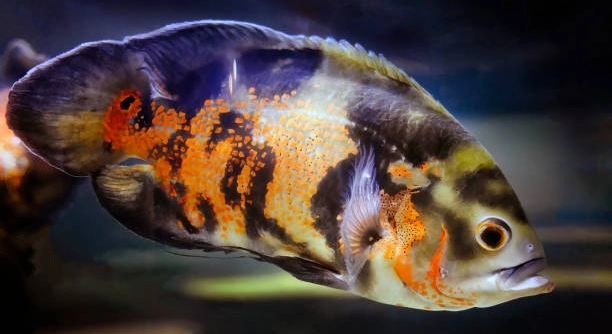
Convict cichlids are fascinating fish, often admired for their strong parental instincts and colorful patterns. They can be surprisingly protective of their young, yet sometimes they display behavior that confuses even experienced fish keepers. Observing them in an aquarium can be both rewarding and puzzling.
Convict cichlids occasionally eat their babies, and this behavior is usually not intentional in the sense of aggression. Factors such as stress, overcrowding, poor water conditions, or perceived threats can trigger this response as a survival mechanism.
Understanding why this happens helps fish owners improve tank conditions and support healthier fry growth. Knowing the reasons behind this behavior can make caring for convict cichlids much easier.
Why Convict Cichlids Sometimes Eat Their Babies
Convict cichlids are known for being protective parents, but certain conditions can make them eat their fry. High stress, poor water quality, or lack of hiding spaces often triggers this behavior. In crowded tanks, parents may feel threatened and remove some fry to reduce competition. Sometimes, weaker or sick fry are eaten as a natural survival response. This behavior can seem harsh, but it is part of how convict cichlids manage their offspring in challenging environments. Observing their tank carefully and keeping water conditions stable usually reduces these incidents. Providing plants, rocks, and shelters gives fry more chances to survive. Even healthy parents can occasionally eat their babies if they feel insecure about the environment. Adjusting feeding routines and maintaining clean water helps reduce stress, giving more fry the opportunity to grow and thrive in a safe space.
Stress and environment are the main triggers for this behavior.
Monitoring tank conditions and offering hiding places significantly lowers the risk of parents eating their fry. Proper care helps ensure survival.
How to Protect Fry in Your Tank
Separating the fry or using breeding traps can prevent parents from eating them.
Providing optimal water quality, consistent feeding, and enough shelter supports healthy growth for the fry. Plants, rocks, and small caves give them security. Observing the parents helps identify early signs of stress or aggression. Overcrowded tanks increase the chance of fry being eaten, so keeping population levels balanced is important. Even slight changes in temperature or pH can upset the parents, causing them to eat their young. Regular water testing and careful feeding routines help maintain stability. Removing weak or sick fry temporarily can sometimes save the stronger ones. Understanding the behavior of convict cichlids allows for more control over breeding outcomes and improves overall tank health. Taking these steps can transform a challenging breeding experience into a more predictable and successful one. Consistent care and attention go a long way toward protecting your fish.
Signs That Fry Are at Risk
Fry hiding constantly or showing sluggish movement can indicate stress or parental aggression. Uneaten food and sudden changes in water clarity also signal potential problems. Observing these behaviors early allows intervention before fry are harmed or eaten.
Parents may target fry that appear weak or slow. This is often a natural instinct to preserve the stronger offspring. Signs like frequent chasing, nipping, or separating certain fry from the group suggest the parents may consume them. Overcrowding worsens this behavior, making hiding spaces crucial. Providing plants or small caves allows fry to escape aggressive adults. Monitoring water quality, feeding routines, and tank temperature helps maintain a calmer environment. Weak or sick fry may need temporary relocation to ensure survival, while healthy fry benefit from secure hiding spots. Reducing stressors often leads to fewer incidents of fry being eaten, giving more offspring a chance to grow.
Sometimes parents remove fry that are in danger of spreading illness. Sick or deformed fry may be eaten to protect the rest of the brood. Consistent observation helps identify these cases before major losses occur.
Preventing Fry Loss in Home Tanks
Separating parents from fry during the first few days can reduce losses. Using breeding boxes or tanks ensures safety.
Maintaining stable water conditions is critical for fry survival. Temperature fluctuations, poor filtration, or chemical imbalances stress both parents and fry. Adequate feeding prevents hunger-driven aggression. Providing multiple hiding spaces allows fry to escape chasing adults. Removing weak or sick fry temporarily ensures stronger fry have better chances. Monitoring tank population prevents overcrowding, which is a major stress factor. Even small adjustments like rearranging decorations or adding floating plants can calm parents and reduce fry predation. Consistent observation helps anticipate problems before they escalate, improving overall survival rates. Careful planning and attention to detail make raising convict cichlid fry manageable and more successful.
Feeding Habits and Fry Safety
Parents sometimes eat fry when they are hungry or not fed properly. Regular feeding reduces this risk and helps fry grow stronger.
Offering small, frequent meals encourages healthy behavior and lowers aggression toward offspring. Fry also benefit from specialized foods like infusoria or crushed flakes.
The Role of Tank Layout
A well-structured tank provides safety for fry. Plants, rocks, and caves create hiding spots that reduce parental stress. Fry can escape chasing adults more easily, and parents feel less threatened. Adjusting tank decorations or adding floating plants helps fry survive the critical early days.
Monitoring Parent Behavior
Paying attention to aggression patterns helps prevent fry loss. Early intervention can save many offspring.
FAQ
Why do convict cichlids eat some of their babies?
Convict cichlids may eat fry when they feel stressed, overcrowded, or threatened. Sometimes weaker or sick fry are removed to protect the rest of the brood. This behavior is instinctual rather than aggressive, helping parents manage limited resources and ensure the survival of stronger offspring.
Can this behavior be prevented?
Yes, to a large extent. Providing a calm environment, stable water conditions, and plenty of hiding spots reduces stress. Regular feeding and avoiding overcrowding also help. Using breeding traps or separate fry tanks during the first few days significantly lowers the risk of fry being eaten.
Do both parents eat the fry?
Mostly, it is the mother or sometimes both parents. In convict cichlids, both adults can display protective aggression, but eating fry usually happens when they perceive a threat. The behavior varies depending on individual fish, tank conditions, and stress levels.
How soon after hatching are fry at risk?
Fry are most at risk in the first week after hatching. This is when they are weakest and most vulnerable. As they grow, they become faster and better at hiding, reducing the chance of being eaten by their parents.
Is it normal for healthy fry to be eaten?
Yes, occasionally even healthy fry are eaten. Parents may misidentify weaker or slower fry, or remove some to reduce overcrowding. Providing sufficient space and hiding spots helps prevent this, but some level of fry loss is normal in convict cichlid breeding.
What feeding practices help prevent fry being eaten?
Frequent small meals for both parents and fry reduce hunger-driven aggression. Specialized fry foods like infusoria, baby brine shrimp, or crushed flakes support healthy growth and keep parents less likely to eat their offspring. Consistency in feeding routines also helps maintain calmer behavior.
How does tank size affect fry survival?
Smaller tanks increase stress and aggression, raising the likelihood of fry being eaten. A larger, well-decorated tank gives fry places to hide and parents more space to patrol without feeling threatened. Maintaining balance between population and tank size is key.
Can fry be saved if parents start eating them?
Yes, removing fry quickly into a separate tank or breeding box can save many. Healthy fry have a much higher chance of survival if they are separated early, especially if parents show signs of aggression or stress.
Do all convict cichlid parents eat their babies?
No, not all do. Many raise their fry successfully without eating them. Individual temperament, tank conditions, and previous breeding experience play a large role in whether parents consume their fry.
How long should fry stay separated if parents are aggressive?
Fry should stay separated until they are strong swimmers and large enough to avoid predation. This usually takes a few weeks. Once they are faster and more confident, they can be reintroduced safely to the main tank.
What environmental factors trigger fry-eating?
Changes in water temperature, pH, or chemistry can stress parents. Overcrowding, sudden noises, or tank rearrangements also contribute. Keeping the environment stable and predictable helps parents focus on protecting fry rather than eating them.
Does parental experience affect behavior?
Yes, experienced convict cichlids are often calmer and better at raising fry. First-time parents may be more prone to eating fry due to inexperience and stress. Observing and adjusting tank conditions can improve outcomes for new breeders.
Are there signs that parents are about to eat fry?
Yes, frequent chasing, nipping, or separating certain fry from the group can indicate impending predation. Sudden changes in behavior, like pacing near the fry or aggressive guarding, are early warning signs. Intervention at this stage improves survival rates.
Can hiding spaces alone prevent fry from being eaten?
Hiding spaces help significantly but are not a complete solution. They reduce stress and allow fry to escape, but stable water conditions, proper feeding, and monitoring of parent behavior are also essential to prevent predation.
How many fry survive on average in a typical tank?
Survival rates vary depending on tank size, water quality, and parental behavior. In well-managed conditions, a majority of fry can survive, but some loss is normal. Understanding and mitigating stressors increases the number of fry that reach adulthood.
Final Thoughts
Raising convict cichlids can be both rewarding and challenging. These fish are well-known for their strong parental instincts, but sometimes they behave in ways that can seem harsh, like eating their own fry. It is important to remember that this behavior is usually a natural response to stress, overcrowding, or environmental pressures rather than deliberate aggression. Understanding why it happens helps you provide better care and improve the survival chances of the fry. Paying attention to tank conditions, maintaining water quality, and offering plenty of hiding spaces can make a significant difference in reducing the risk of fry loss.
Providing a calm and stable environment is key to raising healthy convict cichlids. Regular feeding for both parents and fry keeps hunger-driven aggression at bay, while proper tank layout with rocks, plants, and caves offers security for the fry. Separating fry temporarily or using breeding boxes can be necessary when parents show signs of stress or aggression. Even small adjustments, like adding floating plants or rearranging decorations, can reduce tension and improve survival rates. Observing your fish carefully allows you to notice early signs of problems, such as chasing or nipping, and act quickly to protect the fry.
It is also important to accept that some fry loss is normal, even under ideal conditions. Convict cichlids naturally remove weaker or slower fry as part of their survival strategy. While it may seem upsetting, this is part of how the species manages its offspring. By focusing on creating a healthy, stress-free environment and providing proper care, you can support the growth of the strongest fry and enjoy watching them thrive. Consistency, observation, and patience are essential, and over time, you will gain a better understanding of your cichlids’ behavior, making the breeding experience more predictable and successful.

Hello,
If you enjoy the content that we create, please consider saying a "Thank You!" by leaving a tip.
Every little bit helps us continue crafting quality advice that supports the health, happiness, and well-being of pets around the world, for pets of all shapes, sizes, and species.
We really appreciate the kindness and support that you show us!