
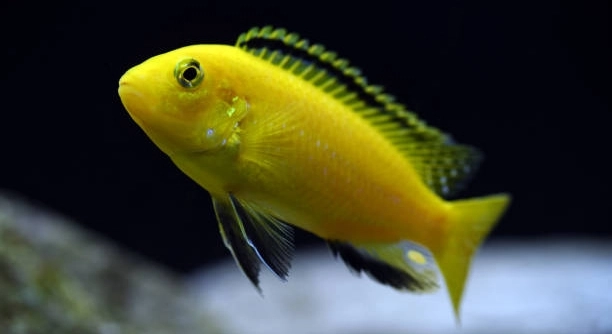
Convict cichlids are popular aquarium fish known for their bold colors and lively behavior. Many fish keepers enjoy keeping them because they are hardy and easy to care for. Their breeding habits, however, are quite specific.
Convict cichlids generally cannot breed successfully with other species. They are highly territorial and genetically distinct, which prevents hybridization. While crossbreeding attempts may occur, offspring are usually infertile or fail to survive past early developmental stages.
Learning about their unique breeding patterns helps aquarists manage tanks responsibly. Understanding these behaviors ensures healthier fish and a balanced community in your aquarium environment.
Understanding Convict Cichlid Breeding Behavior
Convict cichlids are very protective of their eggs and fry. They form strong pair bonds and defend their territory aggressively. Male and female cichlids work together to clean a flat surface for egg-laying. The female lays hundreds of small eggs, which the male fertilizes immediately. Both parents guard the eggs and fry for weeks, chasing away intruders. This behavior ensures higher survival rates for their young. Convict cichlids do not mix well with other species during breeding, as they view other fish as threats. Tank conditions like water temperature, pH, and hiding spots also influence their breeding success. In mixed-species tanks, aggression often increases, and hybrid attempts usually fail. Understanding these behaviors helps aquarists provide the right environment for healthy fry. Consistent feeding and proper tank maintenance also support natural breeding patterns. Overall, their reproductive instincts are strong and very species-specific.
Their breeding is strictly limited to other convict cichlids.
Even minor disturbances in the tank can stress the pair, causing them to abandon eggs. Keeping them in a stable, well-monitored environment ensures the process continues smoothly.
Possibility of Crossbreeding with Other Species
Convict cichlids rarely hybridize naturally with other fish.
Attempts to breed them with other cichlid species usually fail due to genetic incompatibility. Even if mating occurs, the eggs often do not develop properly or produce infertile offspring. Tank aggression can rise when introducing other species, as convict cichlids become territorial. Proper tank separation and monitoring reduce conflicts. Understanding these limitations is important for planning tank populations. Breeding them with compatible partners ensures healthy fry and a stable aquarium environment. Aquarists should avoid forcing crossbreeding attempts, as it can harm both species. Observing their natural pairing and mating rituals is more rewarding and less stressful. Planning tank layouts with sufficient hiding spots and clear territories helps maintain harmony. In short, maintaining species integrity is essential for the health and success of convict cichlids.
Tank Conditions for Successful Breeding
Convict cichlids need stable water conditions to breed. A temperature between 75–80°F and a pH of 6.5–8.0 works best. Hiding spots and flat surfaces encourage egg-laying.
Providing a tank with enough space is crucial. Overcrowding causes stress and aggression, which can lead to eggs being abandoned. Clean water with regular filtration prevents disease, while consistent feeding with high-quality food supports reproductive health. Decorations like rocks and caves give pairs secure areas to lay eggs and protect fry. Avoid sudden changes in water temperature or chemistry, as this can disrupt breeding patterns. Observing natural behaviors helps ensure fry survival and a healthier tank environment overall.
Proper lighting and minimal disturbances also improve breeding success. Bright lights or frequent tank activity may scare the pair. Using dim lighting and keeping the environment calm helps reduce stress. Monitoring water quality daily ensures that conditions remain stable. Regular observation allows early detection of aggression or health issues. With patience and attention, convict cichlids will reliably lay and guard eggs.
Diet and Nutrition for Breeding Pairs
High-protein diets support egg development in convict cichlids. Foods like bloodworms, brine shrimp, and quality pellets help maintain energy levels.
Feeding small amounts several times a day keeps the fish healthy and encourages breeding activity. Avoid overfeeding, as leftover food can pollute the tank and harm fry. Supplementing with live or frozen foods improves fertility and strengthens parental care behaviors. Variety in diet ensures that both male and female receive essential nutrients for spawning. Observing how the pair reacts to food can indicate readiness for breeding. A well-fed pair tends to produce stronger, more resilient fry. Maintaining consistency in feeding schedules contributes to long-term reproductive success.
Signs of Readiness to Breed
Pairs often clean a flat surface together when ready to spawn. The female may dig small pits or scrape areas.
Males display brighter colors and increased aggression to protect territory. Frequent chasing of tankmates indicates readiness. Observing these behaviors helps determine the ideal time for breeding.
Common Breeding Challenges
Eggs may be abandoned if water conditions change suddenly or the tank is overcrowded. Aggression between the pair or nearby fish can also interrupt the process. Even minor disturbances, such as tapping the glass or sudden light changes, stress the cichlids and reduce egg survival. Providing a quiet, stable environment with ample hiding spots is essential. Regular monitoring ensures early intervention if problems arise, helping fry reach maturity. Sometimes, despite perfect conditions, eggs fail due to genetic issues or illness. Patience and careful observation increase the likelihood of successful breeding over time.
Fry Care Basics
Once hatched, fry need small, frequent feedings. Infusoria or liquid fry food works well.
FAQ
Can convict cichlids breed with other species?
Convict cichlids are generally unable to breed successfully with other species. Their genetic makeup is specific, and crossbreeding attempts usually fail. Even if mating occurs, the eggs often do not develop, or the offspring are infertile. Aggression also increases when other species are present during breeding, making hybrid attempts risky. Maintaining species integrity is essential for healthy fry and a stable aquarium.
How do I know when my convict cichlids are ready to breed?
Signs of readiness include digging behavior and cleaning flat surfaces for egg-laying. Females may appear swollen, while males display brighter colors and guard territory aggressively. Pairs often chase away other fish to protect their chosen spawning area. Watching these behaviors helps determine the right time to prepare the tank for breeding.
What tank conditions are best for breeding?
A stable environment is critical. Water temperature should be between 75–80°F, and pH levels around 6.5–8.0. Providing hiding spots, rocks, and flat surfaces encourages egg-laying. Overcrowding should be avoided to reduce stress and aggression. Proper filtration and consistent water changes keep eggs and fry healthy. Minimal disturbances and calm lighting improve breeding success.
What should I feed convict cichlids before and during breeding?
High-protein foods support reproduction. Bloodworms, brine shrimp, and quality pellets are ideal. Feeding small portions multiple times daily maintains energy without polluting the tank. Adding variety ensures both male and female receive essential nutrients. A balanced diet strengthens parental behavior, encourages mating, and improves fry survival.
How do I care for eggs and fry?
Parents usually guard eggs and fry for weeks. If eggs are left alone, they can become infected or eaten. Once hatched, fry need small, frequent feedings of infusoria or liquid fry food. Gradually, they can move to baby brine shrimp or finely crushed flakes. Observing parental care ensures that fry are protected and fed consistently.
Why do convict cichlids sometimes eat their own eggs?
Stress, poor water quality, or overcrowding can cause this behavior. Sudden changes in tank conditions may trigger parents to abandon or consume eggs. Lack of hiding spots can also make them feel insecure. Ensuring stable water conditions, proper nutrition, and a calm environment reduces the chances of egg predation.
Can I keep other fish in the same tank during breeding?
It is not recommended. Convict cichlids become extremely territorial when breeding, often attacking other species. Aggression can result in injury or death to tankmates. If you want a community tank, separate breeding pairs temporarily. Clear territories with caves and rocks can reduce stress, but complete separation is safest for the eggs and fry.
How long does it take for eggs to hatch?
Convict cichlid eggs usually hatch in 3–5 days, depending on water temperature. Higher temperatures speed up development slightly. After hatching, the fry remain near the spawning site, guarded by their parents. During this period, minimal disturbances are crucial for survival. Once free-swimming, fry can begin feeding on microscopic food.
What should I do if the parents abandon the eggs?
You can raise the eggs artificially by carefully transferring them to a separate container with aerated water. Keep the water clean and maintain the same temperature as the main tank. Use infusoria or liquid fry food once they hatch. Artificial raising requires careful attention but can save the eggs if parents are unable or unwilling to care for them.
Are convict cichlids easy to breed compared to other cichlids?
Yes, they are considered one of the easier cichlids to breed. Their strong pair bonding and natural protective instincts make them more reliable. However, attention to tank conditions, nutrition, and minimal disturbances is still necessary. Even small mistakes can reduce egg survival, so consistent care is important.
Can I tell the difference between male and female convict cichlids easily?
Males are slightly larger and have more pointed dorsal fins, while females are smaller with rounder fins. Females often develop a noticeable belly when ready to lay eggs. Color intensity also differs, with males appearing brighter. Observing behavior during spawning helps confirm the sexes.
How many eggs do convict cichlids lay at once?
A typical clutch contains 100–400 eggs. The exact number depends on age, health, and nutrition of the female. Well-fed, mature females tend to lay more eggs. Parents will guard and aerate the eggs diligently until hatching, providing the best chance for survival.
What mistakes should I avoid when breeding convict cichlids?
Avoid overcrowding, sudden water changes, and overfeeding. Introducing other fish during breeding increases aggression. Ignoring water quality or nutrition can result in abandoned eggs or weak fry. Providing proper hiding spots, maintaining a calm environment, and monitoring the pair closely helps prevent common problems and supports successful breeding.
Can hybrid fry survive if convict cichlids breed with another species?
Hybrid fry rarely survive. Genetic incompatibility often leads to malformed or infertile offspring. Even if they survive for a short time, health issues are common. It is better to focus on breeding pure convict cichlids for a stable and healthy tank population.
How long should I leave the fry with their parents?
Fry benefit from parental care for 2–3 weeks. During this time, parents protect and guide them to safe areas. Afterward, the fry can be separated into a nursery tank or allowed to grow in the main tank if space permits. Early separation can reduce stress and ensure survival.
What is the best way to increase fry survival rates?
Stable water conditions, proper nutrition, and minimal stress are key. Providing hiding spots, monitoring parental care, and feeding the fry small amounts frequently improve survival. Avoiding tankmates that may harass the fry is essential. Careful observation ensures the highest chances of healthy, thriving offspring.
Can I reuse the same tank for multiple breeding cycles?
Yes, but thorough cleaning is necessary between cycles. Remove leftover food, waste, and debris to prevent disease. Checking water parameters before introducing a new pair ensures a safe environment. Proper preparation supports consistent breeding success over multiple cycles.
Is there a difference in breeding between wild and tank-bred convict cichlids?
Wild convict cichlids may be more aggressive and less adaptable to captivity. Tank-bred fish are generally more accustomed to aquarium conditions, making breeding easier. However, both types require stable water conditions, proper nutrition, and minimal stress for successful reproduction.
What signs indicate healthy fry?
Healthy fry swim actively, feed regularly, and grow steadily. They should show strong coloration as they mature. Lethargy, poor feeding, or deformities may indicate water quality issues, insufficient nutrition, or genetic problems. Early attention can prevent losses and ensure proper development.
Are there special considerations for breeding multiple pairs in one tank?
Multiple pairs increase aggression and competition. Each pair needs its own territory, hiding spots, and spawning surfaces. Overcrowding can result in egg predation and stress. Careful planning and adequate tank size are crucial to maintain harmony and protect the eggs and fry.
How do temperature and pH affect breeding success?
Stable temperature and pH are critical. Fluctuations can cause stress, reduce egg viability, and trigger parental aggression. Ideal temperatures are 75–80°F, with pH around 6.5–8.0. Consistent conditions support egg development, fry survival, and successful reproduction overall.
Final Thoughts
Convict cichlids are fascinating fish with very specific breeding habits. They form strong pair bonds and are highly protective of their eggs and fry. Their behavior is consistent, and understanding it can help aquarists provide the right conditions for successful breeding. Unlike some other fish, convict cichlids rarely breed with different species. Their genetic makeup is specialized, which means hybrid attempts usually fail. Even if eggs are fertilized by another species, the offspring often do not survive or are infertile. This makes keeping pure convict cichlids important for anyone interested in breeding them. Observing their natural behaviors, like digging and cleaning surfaces for egg-laying, gives insight into their reproductive instincts. Providing a calm and stable environment allows them to display these behaviors fully and increases the chances of healthy fry.
Tank conditions play a major role in breeding success. Convict cichlids prefer a temperature range of 75–80°F and a pH between 6.5 and 8.0. Stable water is essential because sudden changes can stress the fish and cause them to abandon eggs. Hiding spots, flat surfaces, and rocks give pairs secure areas for spawning. Overcrowding should be avoided, as it increases aggression and stress, which can negatively affect reproduction. Feeding high-protein foods like bloodworms, brine shrimp, and quality pellets helps maintain energy levels and encourages natural breeding behavior. Small, frequent feedings are better than large meals because they reduce leftover waste and keep the tank clean. A consistent schedule for feeding and tank maintenance supports healthy pairs and promotes a higher survival rate for fry.
Caring for fry requires attention and patience. Once hatched, fry need small, frequent meals like infusoria or liquid fry food before moving to baby brine shrimp or finely crushed flakes. Parents usually guard fry, but stress or disturbances can lead them to abandon or eat the eggs. Observing parental behavior and maintaining clean, calm conditions ensures better survival. Over time, fry grow stronger and more independent, and separating them into a nursery tank can further protect them from aggression or overcrowding. Breeding convict cichlids can be very rewarding if proper care is taken, but it requires understanding their specific needs and respecting their natural instincts. By providing stable conditions, proper nutrition, and careful monitoring, aquarists can successfully raise healthy convict cichlid fry and maintain a thriving aquarium.

Hello,
If you enjoy the content that we create, please consider saying a "Thank You!" by leaving a tip.
Every little bit helps us continue crafting quality advice that supports the health, happiness, and well-being of pets around the world, for pets of all shapes, sizes, and species.
We really appreciate the kindness and support that you show us!