
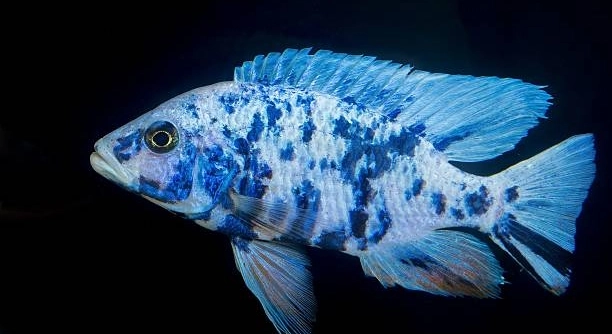
Convict cichlids are small, lively fish known for their striking patterns and strong territorial behavior. These fish often display vivid colors and energetic movements, which play a key role in their interactions and daily life in freshwater aquariums.
Convict cichlids select mates primarily through visual cues, territorial displays, and behavioral interactions. Males exhibit dominance and vibrant coloration to attract females, while females evaluate males based on territory quality, aggression levels, and overall health before forming a bond.
Understanding how these fish choose partners can help hobbyists maintain healthier aquariums and encourage natural breeding behaviors in captive environments. Observing their interactions reveals patterns essential for their care and successful reproduction.
Understanding Convict Cichlid Courtship
Convict cichlids have a clear pattern when it comes to courtship. Males start by establishing a territory, often choosing a flat rock or a small cave. Their colors intensify during this period, signaling health and strength. Females watch these displays carefully, moving closer to males that show both aggression and confidence. Tail-flicking, circling, and nudging are common behaviors used to communicate readiness and interest. Pairs often engage in synchronized swimming, which strengthens their bond and indicates mutual acceptance. These behaviors are not random; they serve as important signals to assess compatibility and survival potential. By watching these interactions, you can better understand how a compatible pair forms and how each fish evaluates the other. Their courtship reflects instinctual strategies aimed at producing healthy offspring, ensuring that their genetics and territory are optimally passed on. Timing and observation play crucial roles in the success of this mating process.
Courtship also helps reduce conflicts, as clear signals prevent fights between competing males and uncertain females.
Observing these fish closely shows how methodical their mating patterns are. Males display strength, while females assess carefully before choosing a mate. Territorial control and behavioral cues combine to influence pairing, ensuring that only the strongest and most suitable individuals reproduce, which supports population stability.
Environmental Factors Influencing Mate Selection
Tank setup can affect mate selection significantly. Proper hiding spots and territories make males more appealing to females.
Water quality, temperature, and space impact behavior, coloration, and aggression. In crowded or poorly maintained tanks, males may struggle to display dominance, and females may avoid certain partners. Ideal conditions allow natural courtship behaviors to emerge clearly, encouraging stronger pair bonds. Observing these factors can guide adjustments to tank conditions, which enhances breeding success. Nutrition also plays a role, as well-fed fish exhibit more vibrant colors and energy during displays. Lighting influences how colors are perceived, and adequate space reduces stress and territorial disputes. By providing a balanced environment, it is easier to see authentic interactions and select compatible mates naturally. Monitoring these elements ensures healthier fish and supports natural behaviors that would be harder to achieve in suboptimal conditions. Adjustments in the tank setup can directly impact mating outcomes, influencing both the quality and number of offspring produced.
Recognizing Compatible Pairs
Compatible convict cichlid pairs often show mutual respect and coordinated movements. Both fish guard the chosen territory and engage in cooperative behaviors that strengthen their bond and signal readiness to breed.
These pairs are easier to identify through their synchronized actions. Males may dig or clean the nesting site while females observe and assist. Tail flicks, circling, and gentle nudges indicate approval and interest. Over time, pairs spend more time together than with other fish, signaling compatibility. Observing these behaviors helps determine which fish are likely to mate successfully, reducing stress and aggression in the tank.
Compatibility also affects offspring care. Pairs that work together tend to protect eggs and fry more efficiently, dividing responsibilities naturally. Females often stay close to eggs while males defend the territory, ensuring higher survival rates. Recognizing these cues is essential for managing breeding in captivity and maintaining a harmonious tank environment.
Factors That Affect Mate Choice
Age and maturity influence mate selection. Younger or less experienced fish may be less confident in displays, affecting pairing success.
Health and vitality play critical roles. A healthy male with bright colors and consistent displays attracts attention, while a female in good condition signals readiness. Aggression levels matter; overly passive males may be ignored, and overly aggressive males may intimidate females. Environmental factors like space, hiding spots, and water quality further impact mate choice. Stress reduces display intensity and willingness to pair, while well-maintained tanks support natural selection behaviors. Nutrition, lighting, and tank population also contribute to clear, observable cues, which help fish make effective mate choices.
Courtship Behaviors
Males display dominance by flaring fins, changing colors, and circling females. Females respond with subtle movements, signaling interest or rejection. These actions help both fish assess compatibility quickly without unnecessary conflict.
Digging and cleaning the chosen nesting site is another key behavior. Males perform these tasks actively, while females inspect and assist, reinforcing their connection.
Role of Territory
A well-defined territory is essential for mate selection. Males defend areas with caves or flat rocks, and females prefer males with secure, clean spaces. Territory size, location, and shelter options influence female choice, directly affecting mating success and pair stability.
Timing and Synchronization
Pairs often coordinate spawning based on readiness and environmental conditions. Proper timing ensures eggs and fry are protected, enhancing survival rates.
FAQ
How do convict cichlids signal interest in a mate?
Males signal interest mainly through visual displays and movements. Bright coloration, flaring fins, and tail flicking are common. Circling and nudging females are additional ways to indicate readiness. Females respond with subtle movements, showing either acceptance or hesitation. These behaviors reduce unnecessary conflicts and help establish compatibility efficiently.
What role does territory play in mate selection?
Territory is a key factor for females choosing mates. Males defend areas with hiding spots, flat rocks, or caves. The size, cleanliness, and safety of the territory affect female preference. A secure territory indicates the male’s strength and ability to protect future offspring, which increases his attractiveness.
How does coloration influence mate choice?
Coloration signals health and vitality. Males with bright, consistent colors are more likely to attract females. Dull or uneven colors may indicate stress, illness, or weakness, which can reduce mating opportunities. Females use these visual cues to select partners that have higher chances of producing strong offspring.
Do female convict cichlids help with territory preparation?
Yes, females often assist with digging and cleaning the chosen nesting site. While males perform most of the work, females inspect and contribute, strengthening the bond between the pair. This cooperation also signals mutual interest and readiness to reproduce, which is important for successful mating.
How important is aggression in mate selection?
Aggression levels help determine suitability. Males must be assertive enough to defend a territory but not so aggressive that they intimidate females. Balanced aggression shows strength and confidence, making males more appealing. Females generally avoid overly passive or overly hostile males, preferring moderate behavior that ensures safety.
Does age or experience affect mating?
Yes, age and experience influence mate choice. Younger or inexperienced males may struggle with displays or territory defense, reducing their chances of attracting females. Mature, confident fish show more consistent behaviors, making them more likely to form successful pairs and produce healthy offspring.
How does tank setup influence mating success?
Tank conditions strongly affect courtship. Adequate space, clean water, and proper hiding spots allow natural behaviors to occur. Overcrowded or poorly maintained tanks increase stress, reduce display intensity, and lower pairing success. Providing a balanced environment encourages healthy interactions and clearer mate selection.
What is the role of timing in spawning?
Timing ensures eggs and fry are protected. Pairs synchronize spawning based on readiness and environmental conditions. Coordinated actions prevent wasted energy and increase offspring survival rates. Observing natural timing helps hobbyists support breeding without unnecessary intervention.
Can nutrition impact mate selection?
Yes, well-fed fish display brighter colors, more energy, and stronger courtship behaviors. Poor nutrition can reduce display intensity, making males less attractive. Balanced diets promote health, increasing the likelihood of forming compatible pairs and successfully raising offspring.
How can I recognize a compatible pair?
Compatible pairs spend time together, display cooperative behaviors, and guard their territory jointly. Synchronized swimming, tail flicking, and mutual assistance during nest preparation indicate a strong bond. Observing these behaviors helps identify pairs that are likely to mate successfully and care for their young.
Do environmental stressors affect courtship?
Stress from overcrowding, poor water quality, or aggressive tank mates can reduce courtship behaviors. Fish under stress may hide, show dull colors, or fail to display dominance. Minimizing stress allows natural mating behaviors to emerge, improving pairing success and offspring survival.
How do convict cichlids care for their eggs and fry?
Once eggs are laid, females typically stay close, fanning and guarding them, while males defend the territory. Both parents cooperate to protect the young from threats. Pairs that show mutual care increase survival rates and reinforce the bond between mates.
Are there signs a pair might fail to mate?
Pairs that show constant aggression, lack of coordination, or minimal interaction are unlikely to mate successfully. Females may avoid males that cannot maintain a territory or display weakness. Observing these warning signs helps prevent wasted energy and potential stress in the tank.
Can lighting affect mate selection?
Lighting influences how colors are perceived. Bright or natural lighting enhances male coloration, making displays more noticeable. Poor lighting can mask important cues, reducing female interest. Adjusting light conditions helps ensure that visual signals are clear and effective during courtship.
How do males compete for mates?
Males compete through displays, aggression, and territory control. Dominant males with secure territories, strong displays, and moderate aggression typically attract females first. Less dominant males may need to wait or find alternative territories. Observing these interactions shows how natural selection operates even in captivity.
Does population density affect mating?
Yes, high population density increases stress and competition. Overcrowded tanks make it harder for males to maintain territories and for females to assess mates. Providing adequate space ensures clearer interactions and reduces conflict, supporting successful pair formation and reproduction.
Can you influence mate choice in captivity?
Indirectly, yes. By maintaining optimal tank conditions, providing proper nutrition, and allowing sufficient space and hiding spots, you can create an environment where natural courtship behaviors thrive. Interference should be minimal to let fish select compatible partners naturally.
How long does courtship usually last?
Courtship can last several days to weeks. Males repeatedly display and defend territories while females observe and respond. The duration depends on environmental conditions, individual behavior, and readiness. Longer courtship allows for proper assessment, ensuring pairs are compatible before spawning occurs.
What are the benefits of observing natural behaviors?
Watching convict cichlids interact provides insight into compatibility, stress levels, and overall health. It helps in identifying potential pairs, understanding environmental needs, and improving breeding success. Careful observation ensures a healthier, more harmonious aquarium with successful reproduction outcomes.
Are there differences between captive and wild mate selection?
In captivity, environmental constraints like tank size and population density can influence courtship behaviors. Wild cichlids may have more space and choice, while captive fish rely on hobbyists to provide optimal conditions. Replicating natural cues supports authentic behaviors and successful pairing in aquariums.
How do pairs maintain bonds after mating?
Pairs often continue cooperative behaviors, guarding territory and offspring together. Mutual care reinforces their bond, reduces stress, and increases survival rates. Maintaining these behaviors after spawning is essential for raising healthy fry and ensuring that the pair remains stable in the tank environment.
What behaviors indicate a female is ready to spawn?
Females inspect the territory, engage in synchronized swimming, and respond to male displays with subtle movements. Tail flicks, nudges, and proximity to males show readiness. These cues allow males to adjust displays and territory defense appropriately, facilitating successful reproduction.
How can you encourage natural spawning in captivity?
Provide optimal water quality, sufficient space, hiding spots, and balanced nutrition. Maintain consistent lighting and minimize stress from tank mates or overcrowding. Allow fish to establish territories and observe interactions, intervening only when necessary to support health and safety.
What is the typical lifespan of convict cichlids in captivity?
With proper care, convict cichlids can live up to 8–10 years. Good diet, clean water, and stable environmental conditions contribute to longevity, ensuring multiple opportunities for successful mating and healthy offspring production.
Do males or females take more responsibility for fry care?
Both contribute, but roles differ. Females focus on staying close to eggs and fry, fanning and guarding them, while males defend the territory from intruders. This division of labor maximizes survival chances and demonstrates cooperative parenting behaviors.
How do stress and illness affect mate selection?
Stress and illness reduce display intensity, aggression, and responsiveness. Females may avoid weakened males, and pair formation may fail. Maintaining optimal health and minimizing stress is essential to ensure natural courtship behaviors and successful breeding outcomes.
Can pairs change if conditions improve or worsen?
Yes, changes in tank conditions, health, or population dynamics can affect pairing. Compatible behaviors may emerge or decline depending on environmental factors. Observing and adjusting conditions ensures stable pairs and supports ongoing reproductive success.
How important is observation for successful breeding?
Close observation allows identification of compatible pairs, assessment of territory, and monitoring of health. Understanding behaviors helps hobbyists make informed adjustments to tank conditions, ensuring that natural courtship and breeding behaviors occur without unnecessary intervention.
What signs indicate successful spawning?
Successful spawning is indicated by eggs laid in a protected site, both parents guarding the territory, and coordinated care of eggs and fry. Consistent cooperative behaviors suggest high chances of offspring survival and indicate a strong pair bond.
How can pairing influence tank harmony?
Compatible pairs reduce conflicts with other fish, defend territories efficiently, and focus on offspring care. Properly paired convict cichlids create a more stable, balanced environment, reducing stress and promoting healthy interactions throughout the aquarium.
What are the risks of interfering too much?
Excessive interference can stress fish, disrupt natural behaviors, and reduce mating success. Allowing fish to choose partners and establish territories naturally leads to healthier outcomes and stronger pair bonds. Minimal intervention is key to successful breeding.
How does observation improve long-term care?
Observing courtship and mating provides insight into environmental needs, compatibility, and stress factors. This knowledge helps maintain healthy fish, support reproduction, and ensure stable, harmonious tank dynamics over time.
Final Thoughts
Convict cichlids are fascinating fish that show clear patterns in mate selection. Observing their behaviors reveals how visual displays, territory control, and coordinated actions all play a role in forming strong pair bonds. Males often use bright coloration, fin flaring, and tail flicking to attract females, while females respond with subtle movements and careful observation. These interactions are consistent and methodical, showing that mate choice is based on clear signals rather than random chance. The establishment of a territory is equally important. Males choose secure areas with flat rocks or hiding spots, which demonstrate their ability to protect eggs and fry. Females are naturally drawn to males that maintain these spaces well. By watching how pairs dig, clean, and defend their nesting sites, it becomes clear that both fish work together to prepare for spawning. Compatible pairs spend more time together, coordinate movements, and display mutual care, which increases the likelihood of successful reproduction.
Environmental factors also play a significant role in how convict cichlids choose mates. Water quality, temperature, space, and tank setup can all influence courtship behavior. In a well-maintained tank, males display more consistently, and females are more willing to assess potential partners. Overcrowding or poor conditions can reduce display intensity, increase stress, and prevent natural pairing from occurring. Nutrition affects energy levels and coloration, which are important signals during mate selection. Lighting helps highlight these visual cues, making courtship displays more noticeable. By providing proper conditions, hobbyists can support natural mating behaviors and encourage healthy pair formation. Observing these environmental impacts offers insight into how closely connected habitat and reproduction are. Even small adjustments, like adding hiding spots or improving water quality, can change which pairs form and how successful their breeding efforts will be.
Understanding convict cichlid mating behaviors is helpful for anyone keeping these fish. Observing displays, territory defense, and cooperative behaviors allows you to identify compatible pairs and anticipate spawning. The bond between a male and female is strengthened by coordinated care of eggs and fry, which ensures higher survival rates. Pairs that work well together tend to be more stable and less aggressive toward other fish, creating a calmer tank environment. Courtship and mate selection are influenced by age, experience, health, and stress levels, so paying attention to these factors can improve breeding outcomes. By focusing on these aspects, hobbyists can support natural behaviors, maintain healthier fish, and ensure successful reproduction. Taking the time to understand how convict cichlids choose mates provides insight into their instincts and needs, helping create a more balanced and thriving aquarium. Observing, adjusting, and supporting their environment makes the process smoother for both the fish and the caretaker.

Hello,
If you enjoy the content that we create, please consider saying a "Thank You!" by leaving a tip.
Every little bit helps us continue crafting quality advice that supports the health, happiness, and well-being of pets around the world, for pets of all shapes, sizes, and species.
We really appreciate the kindness and support that you show us!