
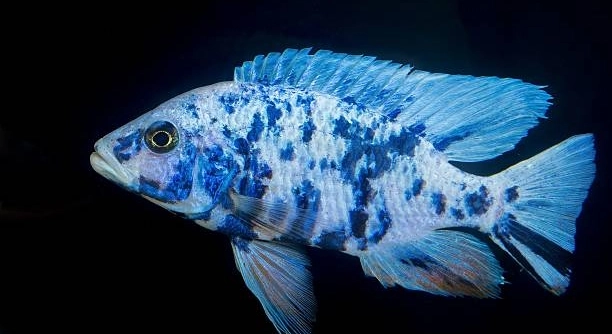
Convict cichlids are fascinating fish that display unusual behaviors in their tanks. Observing them can be surprising, as they sometimes act in ways that seem unpredictable or even slightly strange. Their habits often catch new owners off guard.
Some common weird behaviors of convict cichlids include digging excessively, rearranging tank decorations, exhibiting unusual aggression, forming unexpected pair bonds, showing obsessive attention to certain objects, and engaging in repetitive swimming patterns. These actions are influenced by territorial instincts, breeding behavior, and environmental factors.
Understanding these behaviors can make caring for convict cichlids more manageable. Recognizing their quirks helps create a healthier, more engaging environment for these spirited fish.
Digging and Rearranging Everything
Convict cichlids have a strong instinct to dig in the substrate of their tanks. They often move gravel, sand, or small decorations around, creating little pits and tunnels. This behavior is more than just play; it is a natural way for them to establish territory and feel secure in their environment. Watching them rearrange objects can be surprisingly satisfying, though it may be frustrating when plants or decorations get displaced. Breeding pairs dig even more, preparing spaces for eggs and fry. The digging can sometimes expose plant roots or leave the tank looking messy, but it is a normal and healthy activity for these fish. Over time, you start noticing patterns in how they choose areas to dig, showing preference for certain spots or materials. Recognizing this behavior helps prevent unnecessary worry and guides you in setting up a tank that can handle their energetic digging habits.
This digging is instinctive and often linked to breeding. Allowing it supports their natural behavior.
Providing soft substrate and sturdy decorations can reduce damage. Their digging also stimulates them mentally, keeping them active and engaged, which improves overall health.
Aggression and Territorial Displays
Convict cichlids can become very aggressive when defending territory, especially during breeding seasons. Their intensity may surprise new owners.
Aggression is a natural mechanism for establishing dominance and protecting eggs. It can include chasing, nipping, and flaring fins. Providing enough space and hiding spots reduces conflicts and helps maintain balance among tank mates. Proper tank setup, careful monitoring, and separating overly aggressive individuals are effective strategies to manage this behavior while allowing them to thrive. Over time, their territorial instincts can become predictable, making it easier to anticipate potential clashes and respond accordingly.
Obsessive Attention to Objects
Convict cichlids often fixate on specific objects in their tank, such as rocks or decorations. This behavior can seem unusual but is linked to territory marking, comfort, or breeding instincts.
This fixation can include constantly moving the object, guarding it, or swimming around it repeatedly. It often appears more intense when they feel their space is threatened. Observing this behavior can reveal how cichlids prioritize areas in their tank. Some fish may choose a particular stone or plant as a central point, treating it almost like a personal landmark. Their attachment may seem excessive, but it reflects natural instincts to establish familiarity and security. Over time, you can notice patterns in which items attract the most attention, helping you understand their preferences and tank dynamics.
The behavior may also serve as mental stimulation. Giving them several objects to interact with can prevent stress and encourage natural exploration. It is a sign of their active and intelligent nature.
Repetitive Swimming Patterns
Convict cichlids sometimes swim in repetitive loops or back-and-forth patterns. This habit is often related to territorial patrols or environmental comfort.
Repetitive swimming can indicate strong territorial instincts. They often trace the same path around their tank, checking boundaries and monitoring for changes. This is most noticeable in smaller tanks, where the behavior may appear excessive. It is also a way for them to stay active while reinforcing familiarity with their surroundings. Observing these patterns helps identify which areas of the tank they consider most important. Repetitive swimming is normal, and providing space and varied structures reduces stress.
These patterns can also reflect stress levels or environmental dissatisfaction. Ensuring proper water conditions, hiding spots, and compatible tank mates helps maintain balanced behavior and prevents excessive pacing.
Unexpected Pair Bonds
Convict cichlids sometimes form bonds with fish outside their species. These pairings can seem unusual but are driven by social instincts and environmental conditions.
These bonds may involve shared territory, cooperative defense, or synchronized swimming. Observing these interactions shows their adaptability and social complexity, even in a tank setting.
Aggression Toward Reflections
Some convict cichlids attack their own reflection in the tank glass. This behavior is common and linked to perceived rivals or threats. They may flare fins, charge, or bite at the reflection, treating it as another fish encroaching on their territory. Recognizing this behavior helps avoid unnecessary concern and guides tank placement or decoration to reduce stress.
Overprotective Parenting
Convict cichlids are known for intense care of eggs and fry. They guard their offspring with persistent vigilance, often chasing away intruders or moving fry to safer locations. This behavior is a natural part of their reproductive strategy and shows their dedication to ensuring the survival of their young.
FAQ
Why do convict cichlids dig so much?
Digging is a natural behavior linked to territory and breeding. They move substrate to create hiding spots, establish secure areas, and prepare nesting sites. This activity is healthy and keeps them mentally and physically stimulated, though it may disrupt plants or decorations. Providing soft substrate and durable decorations can help manage the mess.
Is it normal for them to be aggressive?
Yes, aggression is common, especially during breeding. Convict cichlids defend territory, eggs, and fry vigorously. Chasing, nipping, or flaring fins is typical. Adequate tank space, hiding spots, and monitoring can reduce conflicts. Separating overly aggressive individuals when needed maintains a stable environment without suppressing natural instincts.
Why do they fixate on certain objects?
Fixation on rocks, plants, or decorations is linked to security, territory, and breeding instincts. They may guard or constantly rearrange these items. Offering multiple objects in the tank encourages interaction, reduces stress, and provides mental stimulation, preventing obsessive focus on a single item.
Why do they swim in repetitive patterns?
Repetitive swimming helps establish territory and maintain awareness of their environment. It is also a sign of mental engagement and territorial reinforcement. Smaller tanks may intensify this behavior, but providing space, hiding spots, and varied decorations reduces stress and promotes natural movement patterns.
Can convict cichlids bond with other fish?
Yes, they sometimes form unexpected pairings with other species. These bonds may involve shared territory or cooperative behavior. While unusual, this shows adaptability and social complexity. Observing these interactions highlights their intelligence and ability to form relationships beyond their own species.
Why do they attack their reflection?
Attacking reflections is a territorial response. Convict cichlids perceive their reflection as a rival. They may flare fins, charge, or bite at glass. Adjusting tank placement or adding background decorations can reduce this stress. This behavior is harmless to them but shows their strong territorial instincts.
How protective are they of their young?
Convict cichlids are highly attentive parents. They guard eggs and fry rigorously, chasing away intruders and relocating offspring for safety. This behavior is natural and essential for reproduction. Observing overprotective parenting demonstrates their instinctive dedication and can help predict breeding success in a tank.
Do these behaviors indicate stress or health issues?
Not necessarily. Many of these actions—digging, repetitive swimming, aggression—are normal instincts. Stress signs appear as lethargy, loss of appetite, or visible illness. Maintaining clean water, proper diet, and adequate space supports their health while allowing natural behaviors to occur safely.
Can these behaviors be modified or reduced?
Yes, to some extent. Adjusting tank layout, providing hiding spots, offering enrichment, and monitoring tank mates can reduce excessive aggression or fixation. However, entirely suppressing natural behaviors is neither necessary nor recommended. Supporting instincts while maintaining balance ensures a healthy and engaging environment for the fish.
Do they require special tank conditions to display these behaviors safely?
Proper tank size, substrate, decorations, and water conditions are important. They need space to dig, objects to interact with, and areas to establish territory. Stable temperature, clean water, and compatible tank mates help prevent stress and allow natural behaviors to occur without harm.
Are these behaviors more common in pairs or single fish?
Most behaviors are amplified in pairs, especially during breeding. Territoriality, digging, and protective instincts become more pronounced. Single fish may show some digging and object fixation but are less likely to exhibit the full range of social or aggressive behaviors. Observing pairs provides insight into their natural interactions.
How can I tell if aggressive behavior is normal or problematic?
Normal aggression includes chasing, nipping, and territory defense. Problematic aggression results in injury, constant stress, or inability to access food. Monitoring interactions, providing space, and separating overly aggressive fish when needed ensures a healthy balance without suppressing natural instincts.
Do convict cichlids interact with humans in any specific way?
While not affectionate like some pets, they may recognize their owner’s presence, especially during feeding. Observing them swim, dig, or guard their territory in response to human activity shows awareness. Interaction is subtle and reflects their curiosity rather than social bonding.
Can environmental enrichment reduce weird behaviors?
Yes, adding rocks, plants, caves, and varied substrate encourages natural exploration and reduces repetitive or obsessive behaviors. Enrichment provides mental stimulation and outlets for instinctive actions, supporting overall well-being while preventing stress-related problems.
How often should I monitor their behaviors?
Daily observation is ideal. Noting changes in digging, aggression, or fixation helps detect stress or health issues early. Tracking behavior patterns over time allows better tank management and ensures their environment supports natural instincts safely and consistently.
Do these behaviors change as they age?
Yes, younger convict cichlids are often more active and exploratory, while older fish may show established territory and calmer routines. Breeding behaviors intensify with maturity, and aggression can become more predictable. Understanding life stages helps anticipate changes and adjust tank conditions accordingly.
Can these behaviors affect tank mates?
They can. Aggression, digging, and territoriality may stress or injure other fish. Choosing compatible tank mates, providing hiding spots, and monitoring interactions ensures a safe environment while allowing convict cichlids to express their natural behaviors without endangering others.
Is it normal for them to rearrange tank items repeatedly?
Yes, rearranging objects is instinctive and related to territory marking, comfort, or breeding. Frequent movement is a sign of engagement and mental stimulation. Providing multiple decorations reduces stress and prevents over-fixation on a single item, keeping their environment dynamic and satisfying natural instincts.
How important is space for these behaviors?
Space is critical. Sufficient tank size allows digging, swimming, and territorial displays without constant stress or conflict. Crowded conditions increase aggression, obsessive behaviors, and stress, while ample space supports natural instincts and promotes healthy, active fish.
Do they show individual personalities in these behaviors?
Absolutely. Some convict cichlids are more territorial, others more curious or obsessive with objects. Individual differences make observing their habits interesting and help predict interactions with tank mates and environmental preferences. Recognizing personality traits improves care and tank management.
How do breeding pairs behave differently from non-breeding fish?
Breeding pairs dig more, guard territory fiercely, and focus on specific objects. Protective parenting becomes intense, and aggression rises to defend eggs or fry. These behaviors are natural and indicate reproductive activity. Adjusting tank conditions during breeding supports their instincts and ensures offspring survival.
Are these behaviors harmful to the fish?
Most behaviors are harmless and instinctive. Aggression can cause injury if unmanaged, and digging may disrupt plants or decorations. Stress signs like lethargy or loss of appetite indicate problems. Maintaining proper care ensures behaviors remain natural without negatively affecting health.
Can understanding these behaviors improve tank management?
Yes, observing digging, aggression, fixation, and swimming patterns helps plan tank layout, choose tank mates, and provide enrichment. Understanding natural instincts allows proactive adjustments, reducing stress and enhancing the overall environment for convict cichlids.
Do they ever stop exhibiting these behaviors?
Not entirely. These behaviors are part of their natural instincts. Intensity may vary with age, breeding cycles, or tank conditions, but they typically continue throughout their life. Recognizing this helps set realistic expectations for tank management and care.
How can I balance natural behaviors with tank aesthetics?
Providing sturdy decorations, plants in pots, and multiple hiding spots accommodates digging and rearranging without constant mess. Using appropriate substrate and spacing ensures both the fish’s instincts and the tank’s appearance remain balanced, keeping the environment functional and visually appealing.
Are all convict cichlids equally prone to weird behaviors?
No, individual temperament, tank size, and environment influence behavior intensity. Some fish are more active, territorial, or obsessive than others. Observing each fish allows tailored care, ensuring natural behaviors are expressed safely and without conflict in the tank.
What should I do if behaviors become extreme?
Extreme aggression, obsessive fixation, or constant repetitive swimming may indicate stress or poor conditions. Adjusting tank layout, checking water quality, and separating fish if necessary helps restore balance while supporting natural behaviors. Early intervention prevents injury or health issues.
Do these behaviors require special diet or feeding routines?
A balanced diet supports overall health and energy for active behaviors. Feeding small, frequent meals reduces competition and aggression, while varied food keeps them engaged. Proper nutrition ensures their instincts are expressed safely and sustainably in the tank.
Can observing these behaviors be rewarding?
Yes, watching convict cichlids interact with their environment, dig, guard territory, and display social bonds is engaging. Their unique habits provide insight into their intelligence, instincts, and personality, making observation a valuable part of keeping these fish.
How do environmental changes affect behavior?
Sudden changes in water parameters, tank layout, or lighting can increase stress and alter behavior. Gradual adjustments and stable conditions allow them to maintain natural instincts while preventing excessive aggression, obsessive patterns, or anxiety.
Is it necessary to separate aggressive pairs or individuals?
Sometimes. If aggression causes injury or stress to tank mates, separation is recommended. Providing sufficient space and hiding spots can reduce conflict, but in severe cases, isolating individuals ensures safety without suppressing natural behavior.
Do these behaviors impact breeding success?
Yes, behaviors like digging, territoriality, and object fixation are essential for breeding. Proper expression of instincts ensures eggs are protected, fry are relocated safely, and pairs successfully reproduce. Supporting these behaviors increases the chances of a healthy, thriving brood.
Can these behaviors be influenced by tank lighting or decoration choices?
Yes, bright lights, sparse decorations, or lack of hiding spots may increase stress, aggression, or obsessive behaviors. Adding caves, plants, and shaded areas encourages natural activity while reducing excessive or harmful expressions of instinct.
How can I track behavior patterns effectively?
Keeping notes or observing at consistent times helps identify digging patterns, aggression levels, and object fixation. Monitoring over days and weeks highlights preferences and triggers, allowing adjustments to tank conditions for optimal well-being.
Do male and female convict cichlids behave differently?
Yes, males are often more territorial and aggressive, while females focus more on guarding eggs and fry. Recognizing these differences aids in managing breeding pairs, tank dynamics, and providing spaces suited to each fish’s role and instincts.
Are these behaviors more visible in certain tank sizes?
Smaller tanks exaggerate behaviors like aggression, repetitive swimming, and digging due to limited space. Larger tanks allow natural expression without constant conflict. Adjusting tank size to accommodate these instincts improves overall fish health and reduces stress.
Do convict cichlids interact with other species differently?
Yes, interactions depend on the other species’ behavior and size. Aggression, territorial displays, or bonding may occur based on compatibility. Choosing tank mates carefully ensures safety while allowing natural behaviors to continue without conflict.
Can these behaviors indicate breeding readiness?
Many behaviors, including digging, object fixation, and increased aggression, signal breeding readiness. Recognizing these signs helps prepare for egg laying and fry care, ensuring proper support and monitoring during reproductive periods.
How often should I adjust tank conditions to accommodate behaviors?
Adjustments should be gradual and responsive to observation. Substrate, decorations, hiding spots, and tank mates may be modified to support instincts, reduce stress, and maintain a healthy environment without sudden disruption.
Do these behaviors require special cleaning routines?
Yes, digging and rearranging can stir up debris, requiring regular substrate cleaning and water checks. Frequent monitoring ensures water quality remains optimal while allowing natural behavior to continue safely.
Can stress amplify these behaviors?
Stress can increase aggression, repetitive swimming, and fixation. Maintaining stable water parameters, proper diet, adequate space, and compatible tank mates reduces stress, ensuring behaviors remain within natural limits and the fish stay healthy.
Do convict cichlids respond differently to human presence during these behaviors?
They may become more alert, swim toward the observer, or intensify digging and territorial displays. Responses vary by individual temperament and tank setup, showing awareness rather than social attachment.
Are there seasonal changes in behavior?
Breeding cycles influence behavior, with increased digging, aggression, and parental care during spawning periods. Outside breeding, behaviors may calm slightly but still reflect natural instincts like territory establishment and object interaction.
Can observing these behaviors prevent health issues?
Yes, monitoring digging, aggression, swimming, and fixation helps detect stress or disease early. Changes in behavior often precede visible illness, allowing timely intervention and improved overall care.
Is it normal for behaviors to overlap?
Yes, behaviors often occur simultaneously. Aggression may coincide with object fixation or digging, especially during breeding. Recognizing overlaps helps understand context and manage tank conditions effectively.
Do convict cichlids interact differently with juveniles?
Adults may show increased parental care or aggression depending on relationships. Breeding pairs guard fry intensely, while non-breeding adults may be indifferent. Understanding dynamics helps protect young and reduce conflict.
Can tank decorations influence specific behaviors?
Yes, caves, rocks, and plants guide digging, territoriality, and fixation. Proper placement ensures behaviors are expressed safely while providing environmental enrichment that supports instincts and reduces stress.
How do water parameters affect behaviors?
Stable temperature, pH, and cleanliness prevent stress-related aggression and obsessive habits. Sudden changes can trigger unusual behaviors or amplify existing instincts, making monitoring essential for a balanced tank.
Is obsessive behavior always negative?
Not necessarily. Obsessive digging or fixation reflects natural instincts and mental engagement. Problems arise only if it leads to injury, stress, or prevents access to food and shelter. Balanced environments allow safe expression of these behaviors.
Do convict cichlids ever stop guarding territory?
Territorial behavior persists but may fluctuate with breeding cycles, tank dynamics, or age. Understanding patterns helps anticipate interactions and provides proper management to prevent conflict and stress in the tank.
Can they form long-term bonds with specific tank mates?
Yes, they sometimes maintain stable relationships with compatible fish. Shared territory or mutual tolerance can develop, reflecting social intelligence and adaptability. Observing these bonds provides insight into personality and tank dynamics.
Are there signs of boredom or under-stimulation?
Excessive repetitive swimming, obsessive digging, or constant fixation may indicate boredom. Adding enrichment, rearranging objects, and providing space encourages natural exploration and reduces stress.
Do all these behaviors require monitoring at once?
Focusing on aggression, digging, and fixation is usually sufficient. Observing patterns, changes, and intensity ensures healthy expression without overwhelming attention to minor behaviors.
Can lighting or photoperiod changes alter behavior?
Yes, bright lights or sudden shifts can increase stress and trigger aggression. Gradual adjustments and shaded areas help maintain natural activity patterns and reduce excessive responses.
How do these behaviors impact overall tank harmony?
Properly expressed behaviors maintain balance. Territoriality, digging, and object interaction provide mental stimulation. Managing space, tank mates, and enrichment ensures natural instincts support rather than disrupt harmony.
Are these behaviors predictable?
Patterns emerge over time. Digging locations, aggression triggers, and object fixation often follow routines. Recognizing predictability aids in tank management and prevents conflicts.
Do juvenile convict cichlids display the same behaviors as adults?
Juveniles show digging and object interaction but are generally less aggressive and territorial. Breeding-related behaviors develop with maturity, so observation helps anticipate changes as they age.
Can water flow or filtration influence behaviors?
Strong currents may discourage digging or repetitive swimming. Moderate flow supports activity and oxygenation without causing stress. Proper filtration ensures clean water while allowing natural instincts to continue.
Are these behaviors more pronounced in certain species varieties?
Different convict cichlid strains may vary slightly in aggression, digging, or fixation intensity. Individual temperament often plays a larger role than strain, making observation key for understanding behavior.
Do they react differently to seasonal feeding changes?
Feeding patterns influence energy levels and activity. Reduced or irregular feeding can increase searching or repetitive behaviors, while consistent, balanced meals support natural expression without stress.
Can these behaviors be used to assess tank suitability?
Yes, consistent digging, territorial displays, and object interaction indicate a suitable environment. Excessive stress behaviors suggest adjustments in space, tank mates, or enrichment are needed.
How does tank size influence social behaviors?
Larger tanks reduce conflict, allowing multiple individuals to express instincts safely. Smaller tanks concentrate interactions, increasing aggression and obsessive behaviors, making size critical for balance.
Are there signs that a behavior is abnormal?
Lethargy, loss of appetite, self-injury, or extreme obsessive patterns indicate problems. Normal instinctive behaviors should not compromise health or access to food, hiding spots, or swimming space.
Do convict cichlids ever show playful behavior?
Yes, interactions with objects, chasing tank mates, and exploring substrate can resemble play. These behaviors indicate curiosity, intelligence, and active engagement with their environment.
How can tank mates influence these behaviors?
Compatible fish reduce aggression and stress, while incompatible ones trigger territorial displays and chasing. Observation and careful selection help maintain natural behavior without conflict.
Are there seasonal or age-related changes in aggression?
Aggression often peaks during breeding seasons and declines with age or post-spawning. Understanding cycles allows management of space and tank mate interactions to prevent injuries.
Do convict cichlids require specific enrichment for mental stimulation?
Yes, rocks, caves, plants, and varied substrate support natural instincts, reduce stress, and prevent boredom. Enrichment encourages digging, exploration, and interaction, keeping fish active and healthy.
Can repeated observation improve care?
Monitoring behavior patterns helps detect stress, predict aggression, and manage territory. Observation allows adjustments in tank setup, enrichment, and tank mate selection, supporting a stable and healthy environment.
Do these behaviors reflect intelligence?
Yes, territoriality, object fixation, and social interactions demonstrate problem-solving, planning, and learning. Observing behaviors reveals their adaptability and cognitive abilities, showing they are more than instinct-driven fish.
Are some behaviors seasonal while others are constant?
Breeding-related behaviors fluctuate seasonally, while digging, swimming, and object interaction are constant. Recognizing which behaviors are routine versus temporary aids in proper tank management.
Can these behaviors indicate readiness to breed?
Yes, increased digging, object fixation, and territorial aggression are signs of breeding readiness. Supporting these behaviors ensures successful reproduction and protection of eggs and fry.
Do environmental enrichment items need rotation?
Rotating objects maintains interest, reduces obsessive fixation, and provides new challenges. Changing rocks, plants, or caves encourages natural exploration and keeps behaviors healthy and balanced.
Are these behaviors purely instinctive or influenced by experience?
Both. Instinct drives digging, aggression, and parenting, while experience shapes object preferences, territorial boundaries, and social interactions. Observation over time helps distinguish learned patterns from innate behaviors.
How should I respond to abnormal behaviors?
Address water quality, tank space, diet, and tank mate compatibility. Extreme or persistent
Final Thoughts
Convict cichlids are unique fish with a range of behaviors that can seem unusual at first. Their digging, object fixation, aggressive displays, and repetitive swimming are all part of their natural instincts. Each behavior serves a purpose, whether it is establishing territory, preparing a nesting site, protecting eggs and fry, or staying mentally stimulated. Observing these habits closely allows owners to understand what motivates the fish and how they interact with their environment. Recognizing the difference between normal instinctive behavior and signs of stress or illness is essential for maintaining a healthy tank. Over time, patterns become predictable, making it easier to anticipate what your convict cichlids will do and how they will respond to changes in their surroundings.
Providing a proper environment is key to supporting these behaviors. A tank with sufficient space, soft substrate for digging, hiding spots, and decorations to explore helps the fish feel secure and encourages natural activity. Enrichment reduces stress and prevents obsessive or repetitive behaviors from becoming excessive. Tank mates should be chosen carefully to avoid unnecessary aggression, while water quality, temperature, and diet must remain consistent. Adjustments in tank layout or decoration placement can guide behavior in positive ways, allowing the fish to express instincts safely. Even aggressive or territorial behaviors can be managed effectively with proper planning, making the tank a balanced environment for all inhabitants.
Understanding convict cichlids requires patience and careful observation. Each fish may display slightly different habits, and personality plays a role in how behaviors are expressed. Younger fish may be more energetic, while adults show stronger territoriality and protective instincts. Breeding pairs demonstrate intensified behaviors, which are natural and important to their reproductive success. By learning to recognize these patterns, owners can provide appropriate care, prevent stress, and create an environment that allows the fish to thrive. Observing these behaviors can be rewarding, revealing intelligence, social complexity, and instinctive activity. With attention to tank conditions and thoughtful management, convict cichlids can live healthy, active lives while allowing their natural behaviors to be expressed fully and safely.

Hello,
If you enjoy the content that we create, please consider saying a "Thank You!" by leaving a tip.
Every little bit helps us continue crafting quality advice that supports the health, happiness, and well-being of pets around the world, for pets of all shapes, sizes, and species.
We really appreciate the kindness and support that you show us!