
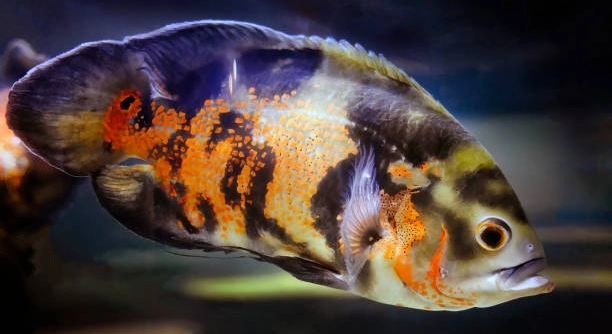
Convict cichlids are colorful and lively fish, but they are known for being aggressive. Keeping them in the same tank can lead to constant fights, making it challenging for hobbyists to maintain a peaceful aquarium environment.
One of the most effective ways to reduce aggression among convict cichlids is to provide ample space, hiding spots, and structured territories. Ensuring proper tank size, decorations, and separation techniques can significantly minimize conflicts and promote more stable social behavior.
By understanding their natural tendencies and needs, you can create a calmer tank environment. Following simple adjustments can help prevent injuries and maintain harmony in your aquarium.
Provide Adequate Space
Convict cichlids become aggressive when they feel cramped. A small tank increases stress, which triggers territorial fights. For a pair, a minimum of 30 gallons is recommended, but larger tanks work better for multiple fish. Divide the tank with rocks, plants, or decorations to create separate areas where each fish can claim a spot. Hiding spots reduce direct confrontations and help timid fish feel safe. Observing their behavior can help identify which areas are most contested. Rearranging decorations occasionally can also reset territories, preventing long-term dominance by one fish. Open swimming space is important too, as cichlids need room to explore without feeling threatened. Using tall plants or caves allows fish to escape if another becomes aggressive. A balanced layout combining open areas and secluded spots encourages natural behavior while limiting continuous conflict. Proper planning of tank space is a key factor in maintaining harmony among convict cichlids.
Providing ample tank space and structured territories significantly reduces fighting. Proper decorations, hiding spots, and open areas help fish establish boundaries while minimizing stress.
When cichlids feel secure, they spend more time exploring and less time fighting. A well-planned tank creates a calmer environment, allowing them to display natural behaviors. Observing interactions and adjusting decorations ensures each fish has its own space, leading to a healthier, less aggressive community.
Maintain Balanced Water Conditions
Stable water conditions are crucial for keeping convict cichlids calm. Sudden changes in temperature, pH, or ammonia levels can stress fish, increasing aggression. Regular testing and consistent maintenance prevent health problems and fights. Small fluctuations in water chemistry are natural, but drastic shifts must be avoided. Water heaters, filters, and aeration systems help maintain stability. Avoid overcrowding, which worsens water quality and raises tension among fish. Proper filtration removes waste and prevents the buildup of harmful chemicals that can irritate cichlids. Performing partial water changes weekly keeps water clean and safe. Conditioners help remove chlorine and other chemicals from tap water. Cichlids are sensitive to nitrate levels, so keeping them low is essential for overall health. A balanced diet also supports immunity, making fish less prone to stress-induced aggression. Observing behavior alongside water testing ensures a peaceful, healthy tank environment for all residents.
Stable water management reduces aggression while promoting health. Regular checks, clean water, and consistent conditions allow fish to feel safe and maintain social balance.
Introduce Hiding Spots
Providing plenty of hiding spots reduces stress and aggression among convict cichlids. Rocks, caves, and dense plants allow fish to retreat when conflicts arise. Each fish having its own space can prevent constant chasing and fights.
Hiding spots give timid or smaller cichlids a safe area to rest without being bullied. Caves made from rocks or PVC tubes can act as territories for breeding pairs, while dense plant clusters provide shelter for other fish. Hiding areas also break up the line of sight, which prevents aggressive staring and constant confrontation. Arranging decorations to create multiple small zones encourages natural behavior while reducing stress. Fish with places to escape are calmer and less likely to attack each other. Watching your cichlids adjust to new hiding spots often shows immediate improvement in social interactions. Proper placement of these areas is essential, balancing open swimming space with secure retreats to maintain harmony throughout the tank.
Regularly updating or moving hiding spots can help maintain peace. Fish may reestablish territories, and changing layouts prevents long-term dominance. Observing behavior after adjustments ensures each fish feels secure and reduces ongoing fights. Hiding spots are essential for creating a stable and calmer environment.
Feed a Balanced Diet
Feeding convict cichlids a balanced diet improves their health and reduces aggression. Overfeeding or poor-quality food can lead to competition and fights.
A well-balanced diet includes high-quality pellets, occasional live or frozen foods, and vegetables. Providing enough food prevents hunger-driven aggression, which is common among cichlids. Feeding small portions multiple times a day helps maintain energy levels without polluting the tank. Overfeeding leads to uneaten food, which can cause water quality issues and increase stress, prompting fights. Rotating food types ensures fish receive necessary nutrients for growth and immune health. Live foods, such as brine shrimp or bloodworms, can be given sparingly to enrich diet and stimulate natural hunting behavior. Vegetables like zucchini or spinach provide fiber and prevent deficiencies. Feeding schedules and portion control help establish a calm environment, as fish are less likely to compete aggressively when they are properly nourished. Proper nutrition directly supports their behavior and overall well-being.
Consistent feeding routines and diverse foods minimize stress and territorial disputes. Healthy, well-fed cichlids display calmer interactions, creating a more peaceful tank dynamic.
Separate Aggressive Fish
Aggressive convict cichlids should be separated to prevent injuries. Using tank dividers or moving them to a separate aquarium keeps peace and reduces stress.
Identifying the most dominant fish helps maintain harmony. Separating them temporarily allows other cichlids to establish territories without constant conflict.
Avoid Overcrowding
Overcrowded tanks increase tension and fights. Each convict cichlid needs space to swim and claim territory. Overcrowding stresses fish, making aggression more likely and affecting water quality.
Monitor Breeding Pairs
Breeding pairs are naturally aggressive. Keeping an eye on them ensures they do not harm other tank mates during territorial disputes.
FAQ
How can I tell if my convict cichlids are stressed?
Stressed cichlids often hide more than usual, stay at the bottom of the tank, or show rapid gill movement. They may also chase each other aggressively or refuse food. Observing these behaviors early helps prevent serious injuries and allows you to adjust tank conditions.
What is the ideal tank size for multiple convict cichlids?
A 30-gallon tank works for a pair, but for three or more fish, a 50-gallon or larger tank is recommended. More space reduces territorial fights and gives each fish room to claim its own area, lowering stress levels.
Are tank dividers effective for aggressive fish?
Yes, dividers allow fish to see each other without physical contact. They help establish territories while preventing injuries. Temporary separation can also calm highly aggressive fish and give weaker fish a chance to establish dominance safely.
How many hiding spots are enough?
Providing at least one hiding spot per fish is ideal, plus a few extra areas. Caves, rocks, and dense plants give fish places to retreat during conflicts, helping reduce stress and maintaining calmer behavior across the tank.
Does diet affect aggression?
Absolutely. Well-fed fish are less likely to fight. A balanced diet with high-quality pellets, occasional live foods, and vegetables ensures cichlids get the nutrients they need, reducing hunger-driven aggression and maintaining overall health.
Can breeding pairs coexist with other fish?
Breeding pairs are highly territorial. They may attack other tank mates to protect eggs or fry. Separating the pair temporarily or providing extra hiding spots and open space can reduce conflicts during breeding periods.
How often should water be tested?
Testing water weekly is recommended to maintain stable conditions. Monitoring ammonia, nitrites, nitrates, and pH prevents stress-related aggression. Stable water quality reduces health issues, keeping fish calmer and more social.
Is rearranging the tank helpful?
Rearranging decorations occasionally breaks up established territories and prevents long-term dominance by aggressive fish. It encourages exploration and natural behaviors while keeping fish interactions more balanced.
Can adding new fish cause fights?
Introducing new cichlids can trigger aggression if not done carefully. Adding fish gradually and providing hiding spots and extra space allows everyone to establish territories with minimal conflict. Quarantining new fish before introduction helps prevent disease and stress.
How do I handle a fight if it occurs?
Separate the fighting fish immediately using a divider or temporary tank. Check for injuries and treat if needed. After the fight, assess tank layout, hiding spots, and feeding schedules to prevent repeat aggression.
Are certain cichlids more aggressive than others?
Yes, male convict cichlids and breeding pairs tend to be more aggressive. Knowing their tendencies helps in planning tank size, territory distribution, and population density to maintain a calmer environment.
Do plants really help reduce aggression?
Yes, live or artificial plants provide hiding spaces and visual barriers. They reduce direct confrontations, break lines of sight, and create natural zones for fish to claim, which lowers stress and territorial disputes.
How can I tell when aggression is normal?
Chasing and displays are natural in cichlids, especially when establishing territories. Normal aggression is brief and doesn’t lead to serious injury. Continuous fights, damaged fins, or constant hiding indicate a problem that needs addressing.
What’s the best way to introduce new hiding spots?
Place new caves or decorations gradually and observe fish reactions. Ensure each area is accessible and balanced throughout the tank. This prevents dominant fish from monopolizing shelters and allows shy fish to feel safe.
Is lighting important for aggression levels?
Yes, bright lighting can increase visibility and stress, potentially triggering aggression. Using moderate or adjustable lighting and providing shaded areas helps fish feel secure and reduces conflicts.
How often should I feed my cichlids?
Feeding two to three times a day in small portions keeps hunger low and reduces fighting. Avoid overfeeding, which can pollute water and increase aggression indirectly through stress or competition.
Can tank mates influence aggression?
Yes, introducing compatible species that occupy different zones or are less territorial helps balance social behavior. Avoid highly aggressive species that compete for the same space or food, which can escalate fights.
Do convict cichlids ever calm down naturally?
They may become less aggressive once territories are established and hierarchy is clear. Providing proper space, hiding spots, and stable conditions accelerates this process and reduces long-term stress.
Should I separate males from females permanently?
Not necessarily, but during breeding or if a male becomes overly aggressive, temporary separation is helpful. Otherwise, balanced tank layout and adequate space usually allow males and females to coexist peacefully.
How can I prevent long-term aggression?
Consistently monitoring tank conditions, maintaining water quality, providing enough space and hiding spots, and observing fish interactions prevents chronic fighting. Adjustments to tank layout, diet, and population density help sustain a calm environment for all convict cichlids.
This FAQ provides practical steps to manage aggression and create a balanced environment. Following these strategies ensures your cichlids remain healthier, less stressed, and more peaceful in their aquarium habitat.
Final Thoughts
Managing aggression in convict cichlids takes consistent effort and attention to detail. These fish are naturally territorial, so some level of chasing and displays is normal. However, unchecked aggression can cause injuries, stress, and poor health. By focusing on the core factors—tank size, hiding spots, water quality, and diet—you can create an environment where the fish feel secure and less inclined to fight. Planning the tank layout carefully from the beginning helps prevent problems before they start. Using rocks, caves, plants, and other decorations allows each fish to claim a space while still having room to swim freely. Properly arranging these elements gives weaker or shy fish a chance to avoid constant confrontation. Over time, this leads to a calmer and more balanced aquarium where all the convict cichlids can thrive. Regular observation is key to identifying potential issues early and making small adjustments that prevent stress and conflict.
Feeding habits and nutrition also play a major role in managing aggression. Overfeeding or underfeeding can create competition and increase fighting among cichlids. A consistent feeding schedule with high-quality pellets, occasional live or frozen foods, and vegetables ensures the fish are healthy and well-nourished. Proper nutrition reduces hunger-driven aggression and supports overall immune function. Stressed or poorly fed fish are more likely to chase and attack tank mates. By maintaining a balanced diet and paying attention to portion sizes, you can reduce one of the most common triggers for conflict. Additionally, monitoring water quality through regular testing and maintenance is equally important. Sudden changes in temperature, pH, or ammonia levels can stress cichlids and increase aggression. Partial water changes, proper filtration, and conditioning tap water before adding it to the tank all contribute to a stable environment, allowing the fish to focus on natural behavior instead of reacting to stress.
Finally, understanding the natural tendencies of convict cichlids helps set realistic expectations. Breeding pairs, males, and dominant fish may always show some territorial behavior, but this can be managed effectively with thoughtful strategies. Separating aggressive individuals temporarily, introducing new hiding spots, and carefully observing interactions allow you to maintain harmony without constant intervention. Even small changes, like rearranging decorations or adjusting the number of hiding spots, can make a big difference in reducing fights. By combining proper tank setup, consistent feeding, water management, and careful monitoring, it is possible to create a healthy and peaceful environment for convict cichlids. Patience and consistency are essential, but the result is a thriving aquarium where these colorful and lively fish can coexist more peacefully.

Hello,
If you enjoy the content that we create, please consider saying a "Thank You!" by leaving a tip.
Every little bit helps us continue crafting quality advice that supports the health, happiness, and well-being of pets around the world, for pets of all shapes, sizes, and species.
We really appreciate the kindness and support that you show us!