
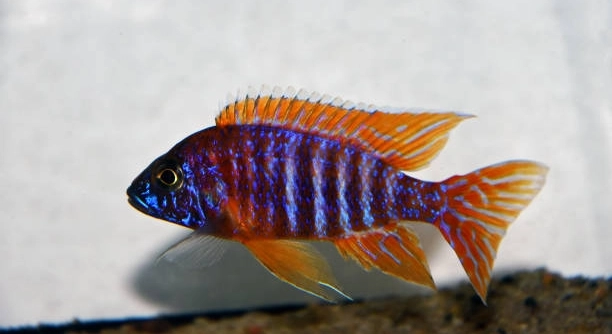
Convict cichlids are known for their striking patterns and bold personalities, but their aggression can make tank management challenging. Observing their behavior closely helps identify moments when tensions rise among these freshwater fish.
Aggression in convict cichlids is typically triggered by territorial disputes, overcrowding, inadequate hiding spaces, sudden environmental changes, breeding behaviors, competition for food, and the presence of incompatible tank mates. Recognizing these triggers allows aquarists to manage and reduce conflicts effectively.
Understanding these triggers can improve your tank’s harmony and make caring for convict cichlids a smoother experience overall. Proper observation and adjustments can make a noticeable difference.
Territorial Disputes
Convict cichlids are naturally territorial. They stake out areas of the tank and become aggressive when others enter their space. This is especially noticeable with new additions or when tank layout changes. Rocks, plants, and caves are often claimed as personal zones, and any intrusion can trigger chasing, biting, or flaring. Even fish of the same species can clash if boundaries aren’t clearly defined. Observing their patterns will help you identify which areas cause tension. Rearranging decorations or providing extra hiding spots can reduce disputes. Over time, some cichlids may calm down, but frequent monitoring is essential to prevent stress or injury.
Providing sufficient space and multiple hiding areas can prevent most conflicts caused by territorial behavior.
When managing territorial aggression, ensure each fish has its own space. Use plants, stones, or artificial caves to divide the tank visually. Avoid crowding the tank, as insufficient territory increases stress and aggression. Introducing new fish slowly and keeping similar-sized tank mates can help. Regularly monitor interactions and separate overly aggressive individuals if needed. Adjusting feeding routines to reduce competition and keeping a consistent environment will also maintain peace. By carefully designing the tank and observing behavior, you can minimize conflicts and support healthier interactions among convict cichlids.
Overcrowding
Overcrowding leads to constant stress and heightened aggression among convict cichlids. Tanks that are too small or hold too many fish create constant competition for space, food, and hiding spots, triggering frequent skirmishes.
A larger tank or reducing the number of fish can improve behavior significantly.
Managing tank population is critical for a peaceful environment. Convict cichlids need adequate space to establish territories and reduce stress. Overcrowding often masks other triggers, making aggression more frequent and intense. Ensuring proper filtration and maintenance becomes more important with higher numbers. Careful planning before adding new fish, considering adult size and compatibility, will help maintain balance. Monitoring behavior after any change and providing visual breaks, such as rocks or plants, further reduces tension. Prioritizing space management ensures healthier, calmer fish and prevents injuries caused by constant fighting.
Inadequate Hiding Spaces
Convict cichlids need hiding spots to feel secure. Lack of caves, plants, or decorations can increase stress and provoke aggression.
Providing sufficient shelters helps reduce conflicts by allowing fish to retreat when threatened. Multiple hiding spots prevent constant chasing and give shy fish space to rest.
When a tank is bare or sparsely decorated, dominant cichlids may intimidate weaker ones continuously. Fish without refuge often show signs of stress, including reduced appetite and erratic swimming. Adding rocks, PVC pipes, or dense plant clusters gives fish areas to claim as their own, lowering tension. Consider varying the size and placement of hiding spots so all fish can access them. This setup encourages natural behaviors while minimizing confrontations, allowing each convict cichlid to coexist with reduced stress and improved overall health.
Breeding Behavior
During breeding, convict cichlids become highly protective of their eggs and fry. Aggression spikes as they defend the nest from intruders, even against tank mates that were previously tolerated.
Removing other fish or isolating breeding pairs can prevent injuries and reduce stress for all fish in the tank.
Breeding triggers a strong territorial instinct, causing cichlids to guard their chosen nesting site vigorously. Eggs and fry are vulnerable, so parents may chase, nip, or corner any perceived threat. Providing separate breeding tanks or partitions in the main tank can help control aggression. Even small disturbances, like moving decorations near the nest, can provoke defensive behavior. Observing the fish closely during this period allows you to intervene when necessary, protecting both the offspring and other tank inhabitants while maintaining a safer environment for everyone.
Sudden Environmental Changes
Convict cichlids react strongly to sudden changes in their tank. Shifts in temperature, water chemistry, or lighting can trigger stress and aggressive behavior.
Maintaining stable water conditions and gradual adjustments helps prevent unnecessary fights. Monitoring parameters regularly keeps fish calm and healthy.
Competition for Food
When multiple fish compete for the same food, aggression often increases. Dominant cichlids may chase or nip weaker ones to secure resources. Proper feeding techniques, such as spreading food or using multiple feeding spots, reduce conflicts and ensure all fish eat.
Incompatible Tank Mates
Not all fish are compatible with convict cichlids. Aggression rises when tank mates differ significantly in size, temperament, or swimming level. Choosing compatible species prevents frequent fights and stress.
Lack of Routine
Convict cichlids respond to predictable schedules. Irregular feeding or sudden changes in care can cause irritability and provoke aggression. Consistency in daily routines helps keep fish behavior stable.
FAQ
How can I reduce aggression in my convict cichlid tank?
Reducing aggression starts with proper tank setup. Make sure the tank is large enough to provide adequate space for all fish. Add plenty of hiding spots like rocks, plants, and caves so each fish can claim its own territory. Avoid overcrowding, and introduce new fish slowly to minimize stress. Regularly monitor water quality and keep a consistent schedule for feeding and maintenance. Separating overly aggressive individuals temporarily can also help prevent injuries. Consistent observation and adjustments to the environment often lead to calmer interactions among convict cichlids.
Why do convict cichlids fight during feeding?
Convict cichlids are competitive eaters. When food is limited or offered in a single spot, dominant fish will chase others away. To reduce conflict, spread food across different areas of the tank. Using feeding rings or multiple small portions ensures all fish get enough to eat. Consistent feeding times help establish a routine, lowering aggression caused by unpredictability. Over time, fish learn the feeding spots and establish less aggressive patterns, creating a more peaceful environment.
Are all convict cichlids aggressive?
Aggression levels vary among individual cichlids. While the species is naturally territorial and protective, some fish are calmer, especially if they have sufficient space and hiding areas. Environmental factors such as overcrowding, incompatible tank mates, and sudden changes in water conditions often increase aggression. Proper tank management and monitoring allow even aggressive individuals to coexist with minimal stress.
Can breeding increase aggression in convict cichlids?
Yes, breeding significantly raises aggression levels. During spawning, cichlids guard their eggs and fry, attacking any perceived intruders. Providing a separate breeding tank or visual barriers within the main tank can help manage this behavior. Even small disturbances near the nest can trigger defensive actions, so keeping the area quiet and stable is important.
What tank mates work best with convict cichlids?
Compatible tank mates are typically fish that are robust, similarly sized, and able to hold their own. Avoid small or timid fish that may be constantly bullied. Other Central American cichlids, larger tetras, or certain catfish can coexist if the tank is large and well-structured. Monitor interactions and adjust decorations to give fish visual breaks to reduce conflicts.
How do I know if aggression is a problem?
Signs include constant chasing, fin nipping, hiding, loss of appetite, or visible injuries. Fish that spend most of their time retreating or swimming erratically may be stressed. Immediate action, such as adjusting tank layout or separating aggressive individuals, is necessary to prevent further harm. Regular observation is key to identifying early signs.
Does water quality affect aggression?
Yes, poor water quality can increase stress and trigger aggression. Fluctuations in temperature, pH, or ammonia levels make fish more irritable. Maintaining stable conditions through regular testing and water changes keeps fish healthy and reduces aggressive incidents. Gradual adjustments are always preferable to sudden changes.
How do I introduce new fish to a convict cichlid tank?
Introduce new fish slowly, preferably using a quarantine tank first. Use a divider initially so fish can see each other without direct contact. Gradually remove the divider once both groups seem calm. Avoid introducing multiple new fish at once, and monitor behavior closely during the first few days.
Can tank size affect aggression?
Absolutely. Smaller tanks increase competition for space and hiding spots, leading to constant territorial disputes. Larger tanks allow fish to establish separate territories, reducing stress and fights. Ensuring each fish has enough room to swim and retreat is essential for maintaining peace in the tank.
Are hiding spaces really necessary?
Yes, hiding spaces are critical for convict cichlids. They provide security and allow fish to escape aggressive interactions. Even dominant fish benefit from having areas to claim. Using a variety of rocks, plants, or artificial caves creates a visually and functionally structured tank, keeping stress and aggression low.
Can feeding routines impact aggression?
Consistent feeding routines help reduce stress and competitive behavior. Sudden changes or irregular feeding times can trigger irritability and fights. Feeding multiple small portions and using different locations encourages calmer interactions. Over time, fish adapt to predictable patterns, lowering aggressive incidents and improving overall tank harmony.
What should I do if aggression continues despite precautions?
If aggression persists, consider temporary separation of aggressive fish. Reassess tank size, layout, and hiding spots to ensure each fish has adequate territory. Sometimes reducing population or changing tank mates is necessary. Regular monitoring and careful adjustments are the most effective strategies for managing ongoing aggression.
How can I prevent future aggression issues?
Preventing aggression requires attention to tank size, compatible tank mates, stable water conditions, and sufficient hiding spaces. Maintaining consistent routines for feeding and care reduces stress. Observing fish behavior and responding promptly to signs of tension ensures a balanced and calmer tank over time.
Convict cichlids are fascinating fish with bold personalities, but their natural territorial instincts make aggression a common concern for aquarists. Understanding the factors that trigger fights is essential for maintaining a healthy and peaceful tank. Territorial disputes, overcrowding, lack of hiding spaces, breeding behavior, competition for food, incompatible tank mates, sudden environmental changes, and inconsistent routines all contribute to stress and aggressive behavior. By recognizing these triggers, it becomes easier to anticipate conflicts and take preventive measures. Providing each fish with adequate space, secure hiding areas, and a structured environment allows them to exhibit natural behaviors while reducing stress. Paying attention to these aspects early on can save time, prevent injuries, and create a more balanced tank.
Careful tank management is key to minimizing aggression. Ensuring the tank is large enough to accommodate all fish comfortably helps prevent territorial clashes. Adding rocks, plants, or artificial caves gives each fish a place to retreat and claim as its own. Separating breeding pairs or aggressive individuals when necessary helps protect both the fish and their surroundings. Regular water testing and maintaining stable conditions, including temperature, pH, and filtration, prevents stress that can intensify aggressive behaviors. Feeding routines also play a role; spreading food across the tank and offering consistent feeding times reduces competition and discourages fights. Even small adjustments, like rearranging tank decorations or introducing compatible tank mates slowly, can significantly improve harmony. Monitoring behavior closely ensures that any issues are caught early and managed effectively.
Maintaining a peaceful convict cichlid tank requires patience, observation, and consistency. Aggression can never be fully eliminated because it is a natural behavior, but it can be managed successfully with the right strategies. Paying attention to tank layout, fish population, hiding spaces, and feeding practices helps create a stable environment where fish can thrive. Observing interactions daily and responding to early signs of stress ensures that minor problems do not escalate into serious conflicts. Over time, these efforts result in a calmer, healthier tank where convict cichlids can display their vibrant personalities without causing harm to each other. Thoughtful management not only protects the fish but also makes the experience of keeping these remarkable cichlids more enjoyable and rewarding for the aquarist.

Hello,
If you enjoy the content that we create, please consider saying a "Thank You!" by leaving a tip.
Every little bit helps us continue crafting quality advice that supports the health, happiness, and well-being of pets around the world, for pets of all shapes, sizes, and species.
We really appreciate the kindness and support that you show us!