
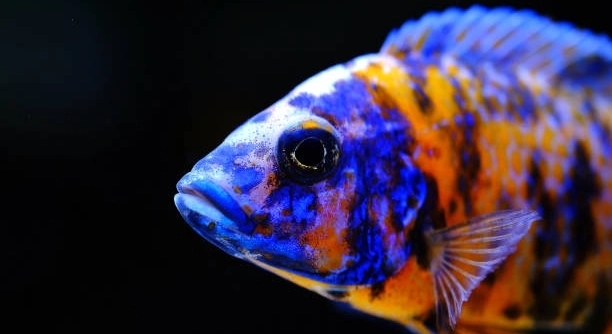
Have you ever noticed your convict cichlid swimming strangely, drifting sideways across the tank instead of gliding smoothly? Observing this unusual behavior can be unsettling, especially when you want your fish to thrive and remain healthy.
The primary reason a convict cichlid floats sideways is due to swim bladder issues. This condition affects their buoyancy and balance, often caused by overfeeding, poor water quality, or internal infections. Prompt attention is necessary to prevent worsening symptoms.
Understanding the causes and proper care can help restore your cichlid’s normal swimming habits and ensure a healthier, more stable tank environment for the future.
Common Causes of Sideways Swimming
One of the most frequent reasons convict cichlids float sideways is a problem with their swim bladder. This small organ helps them control buoyancy, allowing them to move smoothly up and down the water column. Overfeeding can cause food to compress and push against the swim bladder, making swimming difficult. Poor water quality also stresses the fish, weakening its ability to regulate balance. Bacterial infections or parasites may invade internal organs, leading to erratic movement. Sometimes, sudden changes in water temperature shock the fish and temporarily affect swimming. Even if your tank looks clean, chemicals or improper pH can slowly harm delicate fish organs. Observing your cichlid’s eating habits, tank behavior, and environment can give clues to the cause. Small changes, like adjusting feeding routines or checking water parameters, can significantly improve your fish’s swimming stability over time.
Keeping an eye on your cichlid’s tank conditions prevents minor issues from turning into serious health problems.
Identifying the exact cause of sideways swimming can take time. Start by reviewing feeding habits and adjusting portion sizes to prevent overfeeding. Test water parameters regularly, including temperature, pH, and ammonia levels, to ensure they remain within safe ranges. If a bacterial or parasitic infection is suspected, consult a vet or experienced aquarist for proper treatment. Maintain consistent water changes and clean the tank filters to reduce toxins. Avoid sudden changes in temperature, which can shock fish and worsen swim bladder problems. Observing behavior after adjustments will help determine if the problem is improving. In many cases, careful monitoring, proper feeding, and maintaining a clean tank can restore normal swimming. Some fish may need medication or isolation if infection is involved, but patience and attention to detail usually lead to better health and more stable movement in the tank.
Diet and Feeding Adjustments
Overfeeding is a leading factor in swim bladder issues and sideways swimming. Even healthy foods can cause problems if given in excess.
Reducing food portions and switching to easily digestible options can help cichlids maintain proper buoyancy. Feed small amounts two to three times daily, avoiding large meals that compress the swim bladder. Soaking dry foods before feeding or offering frozen options can reduce air intake during eating. High-fiber foods like peas help clear digestive blockages, which may relieve swim bladder pressure. Watching how your cichlid responds to dietary changes can indicate if the problem is improving. Combining proper feeding habits with clean water will give the fish the best chance to recover normal swimming behavior, supporting both their overall health and daily activity.
Water Quality and Tank Conditions
Maintaining clean water is essential for convict cichlids. Poor water quality can stress fish, damage internal organs, and worsen swim bladder problems. Regular water changes and proper filtration are key to keeping them healthy and swimming normally.
Testing your tank’s parameters helps prevent sideways swimming. Ammonia, nitrite, and nitrate levels must be monitored closely. High levels of toxins irritate the fish’s system and affect buoyancy. Consistent temperature and pH are also critical. Even small fluctuations can disrupt balance. Cleaning filters, removing debris, and partial water changes every week maintain a stable environment. Observing fish behavior after each adjustment helps determine if water conditions are improving overall health and swimming ability.
Besides chemical balance, the physical layout matters. Avoid overcrowding the tank and provide hiding spaces to reduce stress. Decorations should not block swimming paths, and substrate choice can affect how debris accumulates. Proper lighting also keeps fish on a normal activity schedule. Ensuring all these conditions together promotes better buoyancy, prevents erratic swimming, and supports overall well-being for convict cichlids.
When to Seek Veterinary Help
If sideways swimming persists despite adjustments, professional help may be necessary. Persistent symptoms often indicate internal issues that require treatment.
A vet can diagnose swim bladder disease, infections, or parasites. They may recommend medications, isolation tanks, or dietary changes. Early intervention prevents permanent damage and increases recovery chances. Observing symptoms like bloating, lethargy, or changes in appetite helps the vet identify the problem. Timely professional care ensures your fish has the best opportunity to regain normal swimming.
Veterinary support is also important when multiple fish show unusual behavior, suggesting a contagious disease. Even with perfect water and diet, some conditions cannot be resolved at home. Professional advice ensures proper medication, dosing, and tank management. Following instructions carefully reduces stress and prevents recurrence. Recovery may take time, but with patience, monitoring, and proper treatment, your convict cichlid can return to stable swimming and improved health.
Temperature Fluctuations
Sudden changes in water temperature can shock convict cichlids, making them swim sideways or struggle to maintain balance. Keeping a consistent temperature is essential for their comfort and overall health.
Using a reliable heater and thermometer helps maintain stability. Avoid placing the tank near windows or vents where temperatures can fluctuate rapidly.
Stress and Environmental Factors
Stress from overcrowding, aggressive tank mates, or excessive noise can lead to erratic swimming. Convict cichlids are sensitive and need a calm, stable environment. Providing hiding spots and enough space reduces stress, allowing them to swim naturally. Consistent care and gentle handling make a noticeable difference in behavior and buoyancy.
Medication and Treatment Options
Certain swim bladder issues may require medication. Antibiotics or anti-parasitic treatments can resolve infections causing buoyancy problems. Always follow dosing instructions carefully. Monitor the fish closely during treatment, adjusting tank conditions and feeding as needed to support recovery. Proper care ensures the best outcome and safer swimming habits.
Observation and Patience
Recovery can take time. Watching changes daily helps track progress and detect new issues early. Small improvements indicate that care and adjustments are working.
FAQ
Why is my convict cichlid floating sideways after eating?
This is often caused by overfeeding or swallowing too much air while eating. Excess food can press against the swim bladder, affecting buoyancy. Feeding smaller portions, soaking dry foods, or offering high-fiber vegetables like peas can reduce the pressure and help your fish swim normally.
Can poor water quality cause sideways swimming?
Yes, high levels of ammonia, nitrites, or nitrates can stress fish and damage internal organs, including the swim bladder. Consistent water changes, proper filtration, and testing water parameters regularly are essential to prevent these problems and maintain healthy swimming behavior.
How long does it take for a convict cichlid to recover from swim bladder issues?
Recovery depends on the cause. Minor digestive problems or temporary stress may resolve in a few days with proper care. Bacterial infections or parasites might take several weeks with medication and a stable tank environment. Monitoring progress and adjusting care is important.
Should I isolate my fish if it swims sideways?
Isolation is recommended if infection or aggressive tank mates are suspected. Using a quarantine tank reduces stress and prevents the spread of disease. It also allows closer observation and more controlled feeding or medication.
Can temperature changes make my cichlid float sideways?
Yes, sudden drops or rises in water temperature can shock a fish, temporarily affecting balance. Keeping a consistent temperature with a reliable heater and thermometer helps prevent stress-related swimming issues. Avoid placing the tank near windows or vents where temperature fluctuates.
Is constipation a common reason for swim bladder problems?
Constipation can press on the swim bladder, causing sideways swimming. Feeding fibrous foods like peeled peas, reducing dry flakes, and fasting the fish for a day can help relieve pressure. Observing eating habits ensures the issue doesn’t recur.
Are aggressive tank mates a problem?
Yes, stress from aggressive fish can cause erratic swimming. Convict cichlids may float sideways when intimidated or stressed. Providing hiding spaces, reducing tank overcrowding, and careful tank mate selection can improve behavior. Stress reduction supports both swimming and overall health.
When should I call a vet?
Contact a veterinarian if swimming issues persist despite proper feeding, water quality, and temperature. Symptoms like bloating, lethargy, or loss of appetite indicate infections or internal problems that need professional attention. Early intervention improves recovery chances.
Can swim bladder disease be permanent?
In severe cases, untreated infections or chronic damage may lead to lasting buoyancy issues. Prompt care, dietary adjustments, and medication usually restore swimming ability, but persistent or recurring problems may require ongoing management.
How can I prevent sideways swimming in the future?
Regular feeding schedules, maintaining clean water, stable temperatures, and monitoring for stress are key preventive measures. Observing fish behavior daily allows early detection of minor issues before they affect swimming. Consistent care ensures your convict cichlid remains healthy and active.
Does tank size affect swimming behavior?
Yes, small or overcrowded tanks increase stress and reduce swimming space. Providing adequate room for movement and proper territory for each fish supports normal behavior and reduces sideways swimming.
Are there natural remedies for swim bladder problems?
Soaking dry food, offering high-fiber vegetables, and fasting occasionally can relieve mild digestive issues. However, infections or parasites require proper medication. Natural remedies work best as preventive measures and for minor dietary issues, not severe illness.
Can water pH affect buoyancy?
Extremely high or low pH can stress fish, impacting swim bladder function. Maintaining a neutral or slightly alkaline pH, depending on species needs, reduces stress and supports proper swimming. Regular testing ensures conditions remain safe.
Do all convict cichlids react the same way to swim bladder problems?
No, individual fish may show different symptoms depending on age, health, and stress levels. Younger fish may recover faster, while older or already stressed individuals need more time and careful monitoring.
Final Thoughts
Convict cichlids are generally hardy fish, but floating sideways is a clear sign that something in their environment or health is off. Many times, the problem is related to swim bladder issues, which affect their ability to control buoyancy. Overfeeding, poor water quality, stress, and temperature fluctuations are common contributors. Paying attention to feeding habits, maintaining a clean tank, and keeping water conditions stable can prevent most cases of sideways swimming. Even small changes, like soaking dry food or offering fibrous vegetables, make a noticeable difference in their digestive health and swimming behavior. Watching your fish closely and noticing subtle signs of stress or discomfort helps you catch problems early before they escalate.
Sometimes, even with the best care, convict cichlids may develop persistent swim bladder issues due to infections or parasites. In these cases, professional guidance can make a significant difference. A veterinarian or experienced aquarist can help identify the exact cause and recommend effective treatments, whether it’s antibiotics, anti-parasitic medication, or adjustments in the tank environment. Isolation in a quarantine tank is often necessary to reduce stress and prevent the spread of disease. Recovery can take days or weeks, depending on the severity, so patience and consistent care are essential. Monitoring progress throughout this time ensures that the fish is responding well to treatment and gradually returning to normal swimming patterns.
Preventing future problems is just as important as treating current ones. Maintaining stable water parameters, providing a properly sized tank, and reducing stress from aggressive tank mates will help your convict cichlid remain healthy. A balanced diet, careful feeding practices, and regular observation of behavior are key to keeping buoyancy issues from recurring. Environmental enrichment, such as hiding spaces and decorations that do not obstruct swimming, supports both mental and physical well-being. By combining attention to diet, water quality, and tank setup with timely intervention for health issues, your convict cichlid can regain stability and continue to thrive. Consistent care and observation are the most effective ways to ensure they remain active, healthy, and swimming normally in your tank.

Hello,
If you enjoy the content that we create, please consider saying a "Thank You!" by leaving a tip.
Every little bit helps us continue crafting quality advice that supports the health, happiness, and well-being of pets around the world, for pets of all shapes, sizes, and species.
We really appreciate the kindness and support that you show us!