
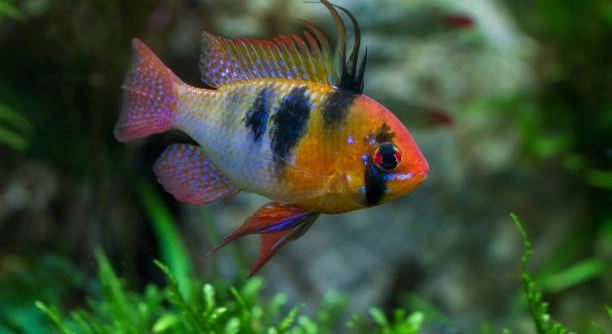
Do you ever notice your convict cichlids swimming protectively around their tiny fry in the tank? Watching these fish care for their young can be both fascinating and surprisingly gentle, showing a mix of instinct and dedication.
Convict cichlids typically care for their fry for about three to four weeks, guarding them closely, guiding them to food, and protecting them from potential threats until the fry are strong enough to survive independently.
Understanding this early period of care helps you provide a safe environment for the fry, ensuring they grow healthy and strong under attentive parental guidance.
Early Fry Care and Protection
In the first few days after hatching, convict cichlid parents are fully focused on their fry. They keep them close to the nest, fanning eggs and young fry with their fins to ensure proper oxygen flow. Both parents take part in guarding, chasing away any intruders or other fish that come too near. During this time, fry are extremely vulnerable, and their survival depends heavily on the parents’ constant attention. Parents also guide fry to food sources, showing them safe spots to explore. They can become aggressive toward tankmates, making sure no harm comes to their young. Observing this behavior is fascinating because the level of cooperation between the male and female is remarkable. Even as fry grow stronger, the parents continue to stay nearby, ready to intervene if danger appears. The balance between protection and allowing small freedom is delicate, but convict cichlids manage it instinctively, showing a clear understanding of their offspring’s needs.
Fry are most dependent during the first week, relying entirely on parental guidance for safety and food.
After the first week, fry begin venturing further from the nest but still stay in groups. Parents continue to patrol the area, nudging stragglers back to safety. Feeding becomes more interactive as parents show fry which foods are safe to eat. At this stage, fry start learning to explore their environment, testing swimming skills, and reacting to potential threats. Parents adjust their care, balancing supervision with independence, ensuring fry can gradually manage small challenges. Watching this stage is rewarding because you see the fry develop personality and behavior patterns under protective guidance, growing stronger and more confident each day while still benefiting from parental care.
Signs Fry Are Ready to Be Independent
Fry begin to separate slightly from their parents once they can swim confidently and find food on their own.
As fry approach three to four weeks, they show clear signs of independence. They no longer stay clustered around the parents constantly and start exploring different areas of the tank. Parents spend less time actively guiding them, focusing more on guarding the territory than hands-on care. Fry also respond quickly to threats, showing learned avoidance behaviors. At this point, parents gradually reduce aggression toward other fish, signaling that fry can manage some challenges alone. This stage is critical because it marks the transition from intensive care to self-sufficiency. Providing sufficient hiding spots and accessible food during this period ensures the fry continue to grow healthy and strong. Observing this process highlights how convict cichlids balance protection with preparing their young for independent life. The transition period can vary slightly depending on tank conditions and fry development speed, but attentive care and a safe environment make the process smooth and successful.
Feeding Patterns of Fry
Fry start feeding on tiny, easily digestible foods like infusoria or finely crushed flakes. Parents often guide them, pointing out safe spots and food sources while keeping them protected from other tankmates. This early diet is crucial for growth and survival.
As fry grow during the second week, they begin to eat slightly larger foods. Parents continue supervision but allow more exploration, letting fry find food independently. Small live foods, like baby brine shrimp, are excellent for providing nutrients and encouraging natural hunting behavior. Feeding multiple small times a day ensures steady growth, helping fry develop strength and coordination. Parents remain nearby, ensuring fry do not wander too far or face danger from other fish.
By the third week, fry show more confidence in feeding and swimming. They actively search for food on their own and react quickly to changes in the tank. Parents reduce hands-on guidance but still monitor the group. This balance of independence and supervision allows fry to learn essential survival skills while remaining safe. Proper feeding at this stage ensures healthy development and prepares fry for complete independence in the coming days.
Common Threats to Fry Survival
Fry are vulnerable to stress, overcrowding, and aggressive tankmates, which can hinder growth or lead to loss.
Stress often comes from sudden changes in water temperature, quality, or tank setup. Overcrowded tanks limit swimming space and increase competition for food. Aggressive fish may attack or harass fry, causing injury or death. Maintaining clean water, consistent feeding, and a peaceful environment reduces these risks. Parents help by keeping fry together and chasing away intruders, but tank conditions remain critical. Providing hiding spots like plants or small decorations adds safety.
A well-maintained tank supports fry growth and strengthens parental care effectiveness. Consistent monitoring of water parameters, careful selection of tankmates, and appropriate feeding routines create a stable environment. Even slight disturbances can stress fry, slowing development or causing health issues. Using gentle filtration, regular water changes, and avoiding sudden movements ensures the tank remains safe and comfortable. Parents naturally reduce risks by guiding and protecting fry, but human intervention is important to maintain balance. Observing behavior and tank conditions closely allows adjustments before problems escalate, ensuring fry thrive and reach independence successfully.
Parental Roles in Fry Care
Both male and female convict cichlids actively protect and guide the fry. The female usually stays closer to the fry, while the male patrols the territory to ward off intruders. Their teamwork ensures fry remain safe and well-fed.
Parents communicate through gestures and movement, signaling danger or guiding fry to food. This coordination reduces stress and teaches fry basic survival skills. Each parent adapts their role depending on the fry’s behavior and tank conditions, creating a balanced approach to care.
Tank Conditions for Fry Safety
Clean water, proper temperature, and gentle filtration are essential for fry health. Stable conditions prevent stress and support growth during early development.
Fry Growth Milestones
Fry develop quickly in the first month, doubling in size and improving swimming skills. By the third week, fins strengthen, colors start to appear, and fry respond more confidently to parents and surroundings, showing early signs of independence.
Reducing Aggression in the Tank
Separating aggressive fish or adding visual barriers helps minimize risks to fry. Peaceful tankmates allow parents to focus on care rather than constant defense.
FAQ
How long do convict cichlids guard their fry?
Convict cichlids generally guard their fry for three to four weeks. During this period, both parents are actively involved in protection, guiding fry to food, and keeping them safe from potential threats. The level of care gradually decreases as the fry grow stronger and more independent.
Do both parents care for the fry equally?
Yes, both the male and female take active roles in fry care, but their responsibilities differ slightly. The female usually stays close to the fry, ensuring they remain together and safe, while the male patrols the territory, keeping other fish or intruders away from the nest.
When can fry start eating on their own?
Fry begin feeding independently around the second week after hatching. Initially, they require tiny foods like infusoria or crushed flakes. Parents guide them to food, and as fry grow, they gradually start consuming small live foods such as baby brine shrimp, which helps strengthen swimming and hunting skills.
How do I know if fry are stressed?
Signs of stress include erratic swimming, hiding excessively, refusing to eat, or staying at the bottom of the tank. Stress can result from sudden water changes, aggressive tankmates, overcrowding, or poor water quality. Maintaining stable tank conditions and providing hiding spots reduces stress levels.
When is it safe to remove fry from parents?
Fry can begin to be independent around three to four weeks. At this point, they swim confidently, find food on their own, and react appropriately to threats. Parents naturally reduce direct care, allowing fry to explore the tank. Moving fry too early can increase mortality risk.
What are the best foods for growing fry?
Tiny, easily digestible foods like infusoria and finely crushed flakes work best initially. As they grow, small live foods such as baby brine shrimp or microworms provide protein and encourage natural feeding behavior. Frequent small feedings help fry develop strength and coordination.
How can I reduce aggression toward fry?
Aggressive tankmates or overcrowding can harm fry. Keeping peaceful fish, adding visual barriers, and providing plenty of hiding spots reduces conflict. Parents also help by actively chasing threats away, but maintaining a calm tank environment is crucial for fry survival.
How do water conditions affect fry care?
Stable temperature, clean water, and gentle filtration are critical. Fry are sensitive to sudden changes or poor water quality, which can cause stress, slow growth, or illness. Regular monitoring and gradual adjustments help create a safe environment for both fry and parents.
Do parents ever stop caring too soon?
Some convict cichlids may reduce care earlier if fry grow quickly or if the tank has limited threats. However, this is natural, as parents gradually encourage independence. Providing proper hiding spots and monitoring fry ensures they continue developing safely even if parental attention decreases.
What is the ideal tank setup for raising fry?
A tank with calm water, hiding spots like plants or small decorations, and appropriate filtration supports fry health. Avoid overcrowding and aggressive fish. A stable, peaceful environment allows parents to focus on care while fry grow and develop essential survival skills.
Can fry survive without parental care?
Fry can survive if provided with proper food, hiding spaces, and stable tank conditions, but parental care significantly increases survival rates. Parents teach essential skills like avoiding danger and finding food, which improves fry growth and confidence during early development.
How do I know fry are ready for independent life?
Fry that swim confidently, explore the tank, respond to threats, and find food on their own are ready for independence. Parents will naturally reduce hands-on care at this stage. Ensuring the environment is safe and well-stocked with food helps the transition go smoothly.
How often should fry be fed?
Feeding several times a day in small amounts works best. Young fry require constant nutrition to support rapid growth. Overfeeding should be avoided, as it can pollute the water and cause stress. Parents often help direct fry to food, but careful monitoring is key.
Are there signs of healthy fry?
Healthy fry are active, swim confidently, eat regularly, and respond to parents or environmental changes. They grow steadily, develop color patterns, and show curiosity in exploring the tank. Any lethargy, poor feeding, or abnormal swimming may indicate health or water issues that need attention.
Can fry survive in a community tank?
Raising fry in a community tank is risky due to potential aggression from other fish. If attempted, providing plenty of hiding spaces and closely monitoring interactions is necessary. Parents help protect fry, but the safest approach is a dedicated tank with controlled conditions to maximize survival.
Final Thoughts
Raising convict cichlid fry is a careful process that requires attention, patience, and a good understanding of their natural behavior. From the moment the eggs hatch, both parents play an active role in protecting and guiding their young. The female generally stays close to the fry, keeping them together and safe, while the male patrols the territory, warding off other fish or intruders. This teamwork allows fry to grow in a secure environment. Watching the way parents guide fry to food, chase away threats, and adjust their care as the fry grow is fascinating and shows how instinctive these behaviors are. By observing these interactions, it becomes clear how important the early weeks are for the development and survival of the fry.
Fry are most vulnerable in the first few weeks, and providing a stable tank environment is just as important as the parents’ care. Clean water, a consistent temperature, and gentle filtration all play critical roles in reducing stress and supporting healthy growth. Overcrowding or aggressive tankmates can disrupt parental care and put fry at risk. Adding hiding spots like plants, rocks, or small decorations gives fry places to retreat and allows them to practice exploring safely. Feeding should be done in small, frequent portions with suitable foods for their size and stage of development. Parents help direct fry to food, but ensuring proper nutrition and tank conditions is essential for strong growth and a smooth transition to independence.
By around three to four weeks, fry begin to show signs of independence. They swim confidently, explore their surroundings, and start finding food without direct guidance from their parents. At this stage, parental attention decreases naturally, allowing fry to gain experience and build survival skills. However, even after parents step back, maintaining a safe and consistent tank environment continues to be important. Observing the growth, behavior, and interaction of fry during this period provides insight into their development and the role of parental care. Supporting their early stages with proper tank conditions, nutrition, and minimal stress ensures fry can thrive and reach independence successfully, making the experience rewarding for both the fish and their caretaker.

Hello,
If you enjoy the content that we create, please consider saying a "Thank You!" by leaving a tip.
Every little bit helps us continue crafting quality advice that supports the health, happiness, and well-being of pets around the world, for pets of all shapes, sizes, and species.
We really appreciate the kindness and support that you show us!