
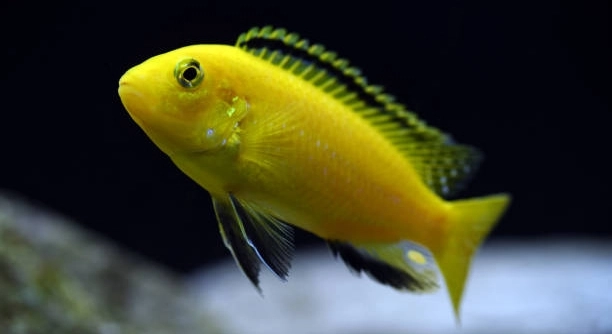
Do you enjoy keeping vibrant aquariums and observing the lively interactions of your fish? Convict cichlids are known for their bold personalities and interesting behaviors, often capturing the attention of both novice and experienced fishkeepers alike.
Convict cichlids can recognize their tankmates through visual and behavioral cues. Familiarity reduces aggression, allowing individuals to establish social hierarchies and coexist more peacefully. Recognition is influenced by repeated interactions and the stability of their environment.
Observing these interactions can provide valuable insights into cichlid behavior and help you create a more harmonious aquarium community.
How Convict Cichlids Identify Tankmates
Convict cichlids rely on a combination of sight and behavior to identify other fish in their tank. They notice familiar shapes, colors, and movement patterns, which help them distinguish between known and new individuals. Over time, repeated interactions with the same tankmates allow them to remember and adjust their behavior, often reducing aggression. Younger fish tend to be more reactive, while older, established cichlids display calmer responses toward familiar companions. Territorial instincts remain strong, but recognition allows them to share space with less conflict. Feeding routines and tank layout also contribute to their ability to identify others, as fish learn to anticipate where companions will be. Observing these patterns provides insight into their social structure and daily interactions. Tankmates they recognize are less likely to trigger aggressive displays, making aquarium management easier. Proper observation and consistency in tank conditions enhance this recognition, supporting healthier group dynamics.
Recognition is strengthened by consistent interactions and predictable environments, helping cichlids coexist more peacefully over time.
By understanding their recognition process, you can reduce stress and encourage calmer behavior in your tank. Keeping a stable environment and monitoring introductions ensures that each fish can adapt comfortably. Paying attention to their responses during feeding or movement can indicate how well they accept their companions, which can prevent conflicts. Strategic placement of hiding spots and visual barriers allows for natural interaction while minimizing tension. This knowledge also informs decisions when adding new fish, as gradual introductions reduce stress and increase acceptance. Ultimately, recognizing the subtle social cues of convict cichlids supports a balanced tank environment, fostering healthy activity and behavior patterns. Observing how fish react over days and weeks provides essential insight, helping maintain a stable and thriving aquarium.
Signs of Recognition Among Tankmates
Convict cichlids show clear behavioral cues when recognizing others, such as reduced chasing and calmer body language.
They may swim together without confrontation, share feeding spots, or establish a subtle social hierarchy. Differences in aggression levels, displays, and territory marking can reveal whether they identify each other as familiar. When new individuals are introduced, initial tension is normal, but recognition develops with repeated exposure. Fish that consistently interact without intense aggression demonstrate memory and social awareness. Even small gestures, like following a tankmate or mirroring movements, indicate acknowledgment of their presence. Observing these signs allows careful management of tank composition and behavior. Recognizing these cues also helps prevent unnecessary stress, ensuring healthier interactions and improved overall well-being for all fish in the aquarium. Over time, these patterns of recognition influence the structure and stability of the group.
Tracking these behaviors and adjusting tank conditions, such as providing hiding spaces and consistent feeding routines, strengthens recognition and reduces conflicts. Gradual introductions, paired with careful observation, allow new and existing fish to adapt naturally. Maintaining proper water conditions and avoiding sudden changes further supports calm social interactions. When tankmates are properly recognized, the cichlids establish a manageable hierarchy, and daily interactions become less aggressive. Monitoring the group ensures that individual fish remain healthy and stress levels stay low. A well-structured environment fosters predictable behavior, making the tank easier to manage. Observing subtle cues, such as body posture and swimming patterns, provides essential insight into social dynamics. By applying these observations, aquarists can maintain a stable and peaceful cichlid community that thrives over time.
Factors That Influence Recognition
Familiarity, tank size, and the number of tankmates all affect how convict cichlids recognize each other. Consistent interactions in a stable environment improve memory and reduce aggression, while overcrowding or frequent changes can hinder recognition.
Behavioral observations show that convict cichlids learn to distinguish individuals through repeated encounters. Fish in smaller tanks often interact more frequently, which reinforces recognition and reduces conflict over time. In larger tanks, visual and territorial cues become more important, as distance can make memory less reliable. The presence of hiding spots, decorations, and defined territories also impacts recognition. Fish that can observe others without constant threat develop stronger social bonds and more predictable behaviors.
Environmental factors, such as water clarity, lighting, and feeding routines, also play a role. Fish recognize companions not only by appearance but by patterns of movement and location during feeding. Regular schedules help fish anticipate the presence of tankmates, reinforcing memory. Sudden changes in layout or overcrowding can disrupt recognition and increase stress. Providing sufficient space and maintaining consistency in environmental cues allows cichlids to identify and coexist with familiar companions effectively, ensuring a calmer and healthier tank.
Managing New Introductions
Gradual introductions reduce stress and help convict cichlids recognize new tankmates without triggering extreme aggression. Proper timing and observation are essential.
New fish should be introduced in a controlled manner, ideally using a separate divider for a few days. This allows existing cichlids to observe the newcomer safely, establishing visual familiarity without immediate physical confrontation. Monitoring behavior during this period helps identify potential conflicts before they escalate. Removing aggressive individuals temporarily can prevent injuries and reduce stress for all fish.
The process of introducing new tankmates requires careful attention to both behavior and environment. Ensuring hiding spaces and territories minimizes disputes and allows fish to retreat when necessary. Gradual exposure enables recognition over time, reducing long-term aggression. Observing feeding patterns, swimming behavior, and body language helps determine when it is safe to remove dividers and allow full interaction. Maintaining stable water conditions and consistent routines supports calm adaptation. Fish that adjust successfully demonstrate memory and recognition, integrating smoothly into the existing social structure. By managing introductions carefully, aquarists can maintain a peaceful and balanced community, ensuring long-term health and stability for all convict cichlids in the tank.
Aggression and Recognition
Aggression decreases when convict cichlids recognize their tankmates. Familiarity reduces chasing, biting, and territorial disputes, making daily interactions calmer and more predictable.
Even subtle cues, like swimming patterns or posture, indicate recognition. Fish that acknowledge companions are less likely to escalate conflicts, helping maintain a balanced and safer aquarium environment.
The Role of Territory
Territorial behavior is closely linked to recognition. Cichlids defend areas differently depending on familiarity, showing more tolerance toward known tankmates. They establish boundaries without constant aggression, balancing personal space with social interaction. Territory size, tank layout, and hiding spots all influence how comfortably they share space.
Impact of Tank Size
Tank size directly affects recognition and social behavior. In smaller tanks, frequent interactions help cichlids remember each other quickly, while larger tanks require more visual cues and time to establish recognition. Proper space ensures less stress and smoother coexistence.
Feeding and Social Bonds
Feeding routines strengthen recognition and social bonds. Fish that eat together regularly learn to anticipate each other’s presence, reinforcing familiarity. Consistent schedules and placement of food support calm interactions and reduce competition.
FAQ
Can convict cichlids recognize new tankmates immediately?
No, convict cichlids do not recognize new tankmates right away. Recognition develops over time through repeated visual and behavioral interactions. Initial introductions often involve heightened aggression as fish establish boundaries. Using dividers or gradual exposure can help them adjust safely while learning to identify each other.
How long does it take for them to recognize each other?
The time varies depending on tank size, number of fish, and environmental stability. Smaller, stable tanks with fewer fish usually allow recognition within a few days to a week. Larger tanks or frequent changes in layout can extend this period, requiring several weeks for full recognition to develop.
Do they remember tankmates after being separated?
Yes, convict cichlids can remember familiar tankmates after temporary separation. Memory depends on the duration of separation and previous interactions. Fish that had strong social bonds are more likely to recognize each other when reintroduced, showing reduced aggression and smoother social interactions.
Does tank layout affect recognition?
Absolutely. Hiding spots, decorations, and territories influence recognition. Fish need visual access and cues to identify each other. A cluttered or constantly changing environment can disrupt recognition, while consistent layouts with defined territories encourage familiarity and calmer behavior.
Will aggression completely disappear between recognized tankmates?
No, aggression never fully disappears. Even recognized tankmates may display occasional territorial or dominance behaviors. However, recognition reduces the intensity and frequency of aggression, allowing fish to coexist more peacefully and establish a balanced social hierarchy.
Do younger cichlids recognize tankmates differently than adults?
Yes, younger convict cichlids are usually more reactive and less consistent in recognition. They rely heavily on repeated interactions to learn social cues. Adults tend to show calmer behavior toward familiar fish and are better at establishing social hierarchies based on recognition.
How does feeding influence recognition?
Feeding routines play a significant role in recognition. Fish that eat together regularly learn to anticipate each other’s presence, reinforcing familiarity. Consistent schedules and placement of food help reduce competition and support calmer social interactions, encouraging stronger bonds among tankmates.
Can adding too many new fish disrupt recognition?
Yes, introducing too many fish at once can overwhelm the cichlids’ ability to identify tankmates. Gradual introductions and monitoring behavior are essential to prevent stress and aggression. Giving existing fish time to recognize newcomers individually supports long-term stability in the tank.
Do convict cichlids recognize fish of other species?
Recognition is mostly limited to their own species. While they may notice other fish, interactions are less predictable and may involve more aggression or avoidance. Recognition cues, such as movement patterns and visual familiarity, are stronger among cichlids of the same species.
How can I encourage recognition in my tank?
Providing a stable environment, consistent routines, and defined territories encourages recognition. Gradual introductions, proper hiding spots, and monitoring social interactions help convict cichlids learn to identify their tankmates. Observing behavior during feeding and swimming patterns provides insight into how well fish recognize each other.
Is recognition permanent or temporary?
Recognition is generally long-lasting but can weaken with significant changes, such as tank rearrangements, new additions, or long separations. Maintaining stability in the environment and limiting sudden changes supports continued recognition and reduces stress among tankmates.
Does stress affect their ability to recognize each other?
Yes, stress from poor water conditions, overcrowding, or frequent disturbances can hinder recognition. Stress increases aggression and confusion, making fish less likely to remember or tolerate familiar tankmates. Ensuring clean water, sufficient space, and calm surroundings improves recognition and behavior.
Can recognition influence breeding behavior?
Recognition can affect breeding by helping pairs establish territories and reduce conflict with other fish. Familiarity allows cichlids to focus on mating and protecting eggs without constant aggression. Recognized tankmates often show coordinated behavior when defending nests or caring for fry.
Do visual cues or behavior matter more in recognition?
Both are important, but visual cues often take precedence. Shape, size, color patterns, and movement help fish identify each other quickly. Behavioral patterns, like swimming routes and responses during feeding, reinforce recognition and support social hierarchy formation.
Is recognition affected by water quality?
Yes, poor water quality can impair sensory perception, making it harder for cichlids to recognize tankmates. Clear, clean water ensures they can see and respond to visual and behavioral cues effectively, supporting calmer interactions and stronger social bonds.
Can recognition help reduce aggression when adding new fish?
Yes, recognition lowers overall aggression. Gradual introductions and visual familiarization help existing cichlids accept newcomers with less fighting. Recognition allows fish to anticipate each other’s behavior, creating a more predictable and peaceful tank environment over time.
How do I know if my cichlids recognize each other?
Signs include reduced chasing, calmer body posture, shared swimming areas, and predictable responses during feeding. Fish that recognize each other tolerate close proximity without constant aggression and establish subtle hierarchies to coexist successfully.
Does recognition depend on individual personalities?
Yes, individual temperament affects recognition. Some cichlids are naturally more tolerant and social, while others are territorial and cautious. Personality influences how quickly they identify and accept tankmates, shaping interactions and hierarchy formation within the group.
Can separation and reintroduction cause problems even with recognition?
Temporary separation may cause minor aggression upon reintroduction, but recognition usually restores calmer behavior quickly. Monitoring interactions and providing visual familiarity during separation reduces stress and prevents serious conflicts, supporting smooth reintegration into the tank.
Is it necessary to intervene if fish show signs of aggression despite recognition?
Intervention may be needed in cases of injury or extreme bullying. Even recognized tankmates can have conflicts. Providing hiding spots, temporary separation, or adjusting tank layout can resolve aggression and maintain a safe environment for all fish.
Do convicts recognize tankmates during nighttime or low light?
Recognition is reduced in low light because visual cues are limited. Fish rely more on behavior, movement, and territory familiarity. Providing consistent light cycles helps reinforce recognition and reduces stress-related aggression during darker periods.
Can recognition improve overall tank harmony?
Yes, recognition is a key factor in reducing stress and aggression. Familiarity allows fish to establish social hierarchies, coexist peacefully, and engage in natural behaviors. Supporting recognition through stable conditions and gradual introductions enhances overall tank health and harmony.
Are there long-term benefits of recognition for tank management?
Recognition improves predictability, reduces injury, and promotes calm daily interactions. Fish that identify their tankmates require less intervention, display healthier behavior, and maintain more stable social structures, making long-term tank management easier and more enjoyable.
Final Thoughts
Convict cichlids are fascinating fish with strong personalities and clear social behaviors. One of the most interesting aspects of their behavior is their ability to recognize tankmates. This recognition is not immediate and develops gradually through repeated interactions. Fish use visual cues such as size, shape, and color patterns, as well as behavioral patterns, to identify familiar individuals. Over time, this familiarity reduces aggression, allowing fish to coexist more peacefully in the same tank. It also helps establish a social hierarchy, where dominant and subordinate roles are recognized without constant fighting. Tankmates that are recognized tend to share swimming areas, feeding spots, and even territories with less tension, making daily interactions calmer and more predictable. Observing these interactions can be rewarding, as it provides insight into the subtle ways fish communicate and respond to one another. Recognition plays a vital role in maintaining a stable and healthy aquarium environment, particularly in tanks with multiple convict cichlids.
Environmental factors and consistent routines play an important role in supporting recognition among tankmates. A stable tank layout, proper lighting, and clear water help fish see each other and reinforce memory. Hiding spots and decorations provide safe areas where fish can retreat and reduce stress, which also supports calm interactions. Feeding routines strengthen recognition further, as fish learn to anticipate each other’s presence and behavior during meal times. Gradual introductions are essential when adding new fish, as sudden changes or overcrowding can overwhelm their ability to recognize tankmates. Temporary dividers or observation periods allow existing fish to adjust to newcomers without excessive aggression. Even though aggression never completely disappears, recognition allows fish to coexist more harmoniously. It reduces the intensity and frequency of conflicts, making it easier for aquarists to maintain a peaceful and balanced tank. By paying attention to behavior, territory use, and interactions during feeding, it is possible to gauge how well convict cichlids recognize each other and adjust the environment to support long-term stability.
Maintaining recognition and social balance is an ongoing process. Stress, poor water conditions, or significant changes in the tank can disrupt recognition and trigger aggression. Regular observation of swimming patterns, posture, and body language helps identify issues before they escalate. Recognized tankmates are more likely to share space, defend territories appropriately, and even display coordinated behaviors during breeding or caring for fry. Memory of familiar companions can persist even after temporary separation, making reintegration smoother if managed carefully. Understanding and supporting recognition contributes to healthier, calmer, and more predictable behavior in convict cichlids, improving overall tank management. By providing a stable environment, consistent routines, and gradual introductions, aquarists can encourage fish to recognize each other, reduce stress, and maintain a harmonious aquarium. Observing these subtle social cues and adjusting the tank environment accordingly ensures that convict cichlids thrive, displaying their natural behaviors while coexisting peacefully. Recognition is not just a behavioral trait but a key factor in creating a successful and well-managed aquarium where fish can live comfortably and interact naturally.

Hello,
If you enjoy the content that we create, please consider saying a "Thank You!" by leaving a tip.
Every little bit helps us continue crafting quality advice that supports the health, happiness, and well-being of pets around the world, for pets of all shapes, sizes, and species.
We really appreciate the kindness and support that you show us!