
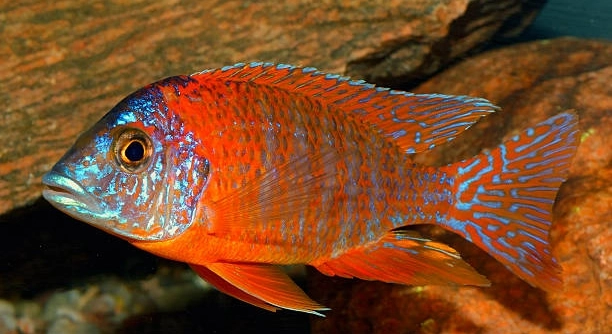
Cichlids are colorful and active fish that many hobbyists enjoy keeping in home aquariums. Their behavior and health are influenced by many factors, but temperature plays a key role in keeping them comfortable and thriving.
Cichlids generally prefer water temperatures between 74 and 82 degrees Fahrenheit. Maintaining this range supports their metabolism, immune system, and overall well-being. Sudden temperature changes or prolonged exposure outside this range can cause stress and health issues.
Keeping the water stable and appropriate is essential for a happy aquarium. Proper temperature management ensures your cichlids remain active and healthy over time.
Understanding Cichlid Temperature Needs
Cichlids come from various regions, but most thrive in warm, stable water. They are sensitive to sudden temperature changes, which can weaken their immune system. Keeping the aquarium water consistently within 74 to 82 degrees Fahrenheit helps them remain active and healthy. It is helpful to use a reliable aquarium heater and thermometer to monitor water conditions daily. Some species, like African cichlids, prefer slightly higher temperatures, while South American cichlids may be comfortable at slightly lower levels. Adjusting the environment to match their natural habitat improves feeding habits and reduces stress. Regular water checks also prevent fluctuations that could lead to illness. By understanding these temperature requirements, you create a supportive setting for your fish. Maintaining this range consistently is easier than correcting problems later. Small measures like insulating the tank or avoiding direct sunlight can help stabilize temperature effectively.
Stable temperature is critical for cichlids’ health and behavior. Consistent warmth supports their metabolism, immune response, and activity levels.
When cichlids are kept at the correct temperature, they display natural behaviors, including exploring, feeding actively, and interacting with tank mates. Proper heat levels also encourage breeding in many species.
Signs Your Cichlids Are Uncomfortable
Cichlids that are too cold or too hot may act sluggish or hide excessively. Rapid swimming or loss of appetite can indicate stress.
Prolonged exposure to unsuitable temperatures can weaken their immune system and make them prone to disease. Some species may show color fading or clamped fins. Observing these signs early allows adjustments before serious health issues develop. Maintaining proper temperature helps them recover quickly and keeps the aquarium stable. Behavioral changes, such as sudden aggression or lethargy, are often linked to water conditions. Regular monitoring and small corrections prevent long-term stress. Adding a heater with a thermostat ensures gradual adjustments rather than sudden spikes. Keeping temperature within the preferred range reduces disease risk and supports overall vitality. Proper care ensures cichlids remain active, colorful, and healthy, making your aquarium more enjoyable to watch. Consistency in water management is just as important as feeding and tank cleaning.
Adjusting Aquarium Temperature
Maintaining a stable aquarium temperature requires a reliable heater and thermometer. Sudden changes can stress cichlids, so gradual adjustments are necessary. Insulating the tank or avoiding direct sunlight helps prevent fluctuations.
Using a heater with a built-in thermostat allows precise control of water temperature. Set it to the desired range for your specific cichlid species. Regularly check the thermometer to ensure the heater is functioning properly. If the temperature drops, increase it slowly to avoid shocking the fish. In warm months, consider using a fan or cooler if the tank overheats. Monitoring the water daily ensures stability. Small steps in adjustments are safer than sudden changes. Proper management prevents stress-related health issues and keeps fish active.
Some aquariums may require multiple heaters for larger tanks. Position heaters at opposite ends to distribute heat evenly. Thermometers placed away from the heater provide accurate readings. Avoid overcrowding, as it can affect water circulation and temperature. Adjustments should always be gradual. Frequent water testing also helps track temperature consistency. By maintaining a stable environment, cichlids stay healthy, feed regularly, and display natural behaviors. Regular observation allows you to notice early signs of discomfort. Proper setup and monitoring reduce stress and support long-term well-being.
Seasonal Temperature Changes
Seasonal changes can affect aquarium water, especially if the tank is near windows or vents. Temperature may rise or fall depending on external conditions.
In colder months, heaters work harder to maintain warmth. Insulating the tank and using a heater with a reliable thermostat helps. During hot months, fans or partial water changes can prevent overheating. Monitor temperature closely when weather changes rapidly. Sudden shifts can stress cichlids and make them vulnerable to illness. Gradual adaptation is key, and keeping a consistent range ensures their metabolism and immune system remain stable. Seasonal adjustments are part of proper aquarium care.
Changes in room temperature may impact the tank more than expected. Placing the tank away from direct sunlight or drafts prevents sudden swings. Adding insulation around the tank or using a cover helps stabilize conditions. Regularly checking both the heater and thermometer ensures the set temperature is maintained. Gradual adjustments are essential during seasonal transitions to prevent stress. Consistent water temperature supports feeding, breeding, and normal activity. Observing fish behavior helps detect minor fluctuations before they become harmful. By managing seasonal changes, cichlids remain healthy, vibrant, and active year-round, reducing risks of illness and behavioral issues.
Equipment for Temperature Control
A reliable aquarium heater is essential for keeping cichlids comfortable. Choose one appropriate for your tank size to ensure even heat distribution.
A thermometer is equally important. Place it away from the heater to get an accurate reading of the overall tank temperature and avoid guessing.
Monitoring Temperature Regularly
Regular monitoring helps prevent sudden temperature fluctuations that can stress cichlids. Daily checks ensure the heater and thermometer are working properly. Keeping a simple log of readings can help notice small trends before they become problems. This proactive approach protects the fish and maintains stable water conditions.
Choosing the Right Heater
Select a heater with a built-in thermostat for precise control. Ensure it matches the size of your aquarium and is durable for long-term use. Proper placement inside the tank helps distribute warmth evenly, keeping cichlids healthy.
FAQ
What happens if cichlids are kept too cold?
Cichlids kept in water below their preferred range often become sluggish and eat less. Their metabolism slows, making them more vulnerable to disease. Over time, cold stress can weaken their immune system, causing infections or slow growth. Keeping them in the correct range prevents these problems.
Can cichlids survive in water that is slightly too warm?
Slightly higher temperatures may not immediately harm cichlids, but prolonged exposure can increase stress. Warm water holds less oxygen, which can make breathing harder. Fish may become more active at first but eventually show fatigue, clamped fins, or loss of appetite if the water remains too warm.
How quickly should I adjust the tank temperature?
Adjusting temperature gradually is essential. Rapid changes shock cichlids and can trigger illness. A safe guideline is to change water temperature no more than 1–2 degrees Fahrenheit per hour. Using a heater with a thermostat helps make slow, steady adjustments without constant monitoring.
Do African and South American cichlids need the same temperature?
No, African cichlids generally prefer slightly warmer water than South American species. African species thrive around 78–82 degrees Fahrenheit, while South American cichlids are comfortable between 74–79 degrees. Always check the species-specific needs to prevent stress and maintain health.
Is it necessary to use a thermometer if I have a heater with a thermostat?
Yes, a thermometer provides an independent check. Heaters can fail or misread the water, so monitoring temperature ensures accuracy. A reliable thermometer lets you spot small fluctuations before they affect the fish. Placing it away from the heater gives a true reading of the entire tank.
What should I do if the heater stops working?
If the heater fails, cichlids can quickly become stressed, especially in cooler months. Move the fish to a temporary tank with a working heater or use a safe alternative like a heat lamp. Gradually restore the water to the correct temperature to avoid shock.
Can fluctuations in temperature affect breeding?
Yes, unstable temperatures can prevent spawning. Cichlids need consistent warmth to trigger natural breeding behaviors. Sudden drops or spikes may stop them from preparing nests or reduce egg viability. Maintaining steady conditions increases the chances of successful breeding and healthy fry.
How do I prevent seasonal temperature changes from affecting the tank?
Seasonal changes can be managed with insulation, covering windows near the tank, or using fans in hot months. Regular monitoring helps notice shifts early. Gradual adjustments during seasonal transitions protect cichlids from stress, keeping their immune system strong and maintaining normal behavior.
Is it normal for cichlids to hide when temperatures change slightly?
Yes, brief hiding can be a response to minor fluctuations, but consistent behavior changes indicate stress. Monitor the temperature and check the heater and thermometer. Correcting small issues early prevents more serious health problems, including reduced appetite or lethargy.
Can multiple heaters in a tank be beneficial?
For large tanks, using two heaters ensures even heat distribution. Place them on opposite ends for consistent temperature. Multiple heaters also provide redundancy in case one fails. Combined with a thermometer, this setup keeps cichlids healthy and reduces risk of uneven heating.
How often should I check the water temperature?
Daily checks are recommended, especially if the tank is affected by room temperature changes. Regular monitoring ensures the heater functions correctly and the water stays within the preferred range. Consistent checks reduce stress and support long-term health for your cichlids.
Are there signs that cichlids are comfortable with the water temperature?
Active swimming, regular feeding, bright coloration, and normal social behaviors are good indicators. Fish that display these behaviors are likely in their preferred temperature range. Observing their daily activity helps detect small changes before they become health issues.
Does water movement affect temperature stability?
Yes, poor circulation can create hot or cold spots. Filters, powerheads, or gentle currents help distribute heat evenly. Even temperature across the tank ensures all cichlids remain comfortable, healthy, and stress-free. Proper placement of heaters and circulation devices is key to maintaining stability.
Can room temperature changes impact cichlid tanks?
Absolutely. Tanks near windows, vents, or drafty areas can experience fluctuations. Sudden shifts in room temperature affect water and stress fish. Using insulation, a stable heater, and monitoring devices minimizes the effect of environmental changes. Consistency protects metabolism and prevents illness.
How do I know if my heater is accurate?
Compare readings from the heater’s display with a reliable thermometer. Discrepancies indicate the heater may need adjustment or replacement. Regular verification prevents long-term temperature errors and keeps cichlids in a stable, safe environment.
What is the best way to maintain temperature during power outages?
Temporary measures include using insulated containers or moving fish to a backup tank with a heater. Avoid rapid heating when power returns. Gradually restore temperature to prevent shock. Planning ahead with a backup system reduces stress and protects cichlids during outages.
Are all cichlids sensitive to temperature changes?
Most cichlids are sensitive, though some species tolerate minor shifts better. Regardless, sudden changes are stressful. Maintaining stable conditions ensures overall health, feeding, and normal behaviors. Observing the species’ natural habitat provides guidance for ideal temperatures.
Does lighting affect water temperature?
Strong aquarium lighting can slightly raise water temperature, especially in small tanks. Monitor the temperature and adjust the heater if needed. Even small changes can impact sensitive cichlids, so awareness helps maintain stability and prevents stress.
How does temperature affect feeding?
Water temperature influences metabolism. In cooler water, cichlids eat less and digest more slowly. In warmer water, appetite may increase, but too high can cause stress. Keeping temperature consistent ensures regular feeding habits and proper nutrient absorption.
Can temperature swings cause long-term health issues?
Yes, repeated fluctuations weaken the immune system and can lead to chronic stress. Long-term effects include slower growth, disease susceptibility, and behavioral changes. Maintaining a consistent range is critical for cichlids’ vitality and longevity.
What is the easiest way to keep temperature stable?
Using a quality heater with a thermostat, a thermometer for monitoring, and insulating the tank are the most effective measures. Regular observation and small adjustments prevent sudden changes. Consistency in management creates a healthy, comfortable environment for all cichlids.
This FAQ section provides practical guidance on temperature management, helping maintain healthy and active cichlids in any aquarium setup.
Final Thoughts
Maintaining the right temperature for cichlids is one of the most important aspects of keeping them healthy and active. These fish come from warm freshwater environments, so they thrive best when the water is kept consistently between 74 and 82 degrees Fahrenheit. Even small deviations outside this range can create stress, affect their appetite, and make them more susceptible to disease. Using a reliable heater and thermometer is essential to prevent these problems. Daily monitoring and small adjustments ensure the water remains stable, which is key to supporting their metabolism, immune system, and natural behaviors. Proper temperature management is not only about keeping the water warm but also about providing a consistent and safe environment that allows cichlids to grow, interact, and display their vibrant colors.
Understanding the species-specific needs of your cichlids is equally important. African cichlids, for example, generally prefer slightly warmer temperatures than South American species. Knowing the preferred range for your particular fish helps you adjust your equipment and tank setup appropriately. Large tanks may require multiple heaters to distribute heat evenly, while small tanks might need additional insulation or careful placement away from drafts or windows. Seasonal changes in room temperature can also affect the aquarium, so it’s important to monitor and respond to these shifts. Gradual adjustments are always safer than sudden changes, as cichlids are sensitive to shocks in their environment. Maintaining stable conditions will help prevent behavioral problems like hiding, lethargy, or sudden aggression, while supporting feeding and breeding habits.
Finally, proper temperature management works hand-in-hand with other aspects of aquarium care. Regular water changes, proper filtration, and balanced nutrition all complement stable water temperature, helping cichlids live longer and remain active. Observing your fish daily allows you to notice early signs of stress or illness, so you can take corrective measures before problems escalate. Even simple steps like placing a thermometer away from the heater, insulating the tank, or keeping the lid secure can make a big difference. Consistency is key: a tank that fluctuates less in temperature creates a healthier environment and reduces long-term stress. By paying attention to the water temperature and responding to your cichlids’ needs, you create a tank that supports their natural behaviors, vibrant colors, and overall well-being. Proper care ensures that your cichlids remain active, healthy, and a visually appealing part of your aquarium.

Hello,
If you enjoy the content that we create, please consider saying a "Thank You!" by leaving a tip.
Every little bit helps us continue crafting quality advice that supports the health, happiness, and well-being of pets around the world, for pets of all shapes, sizes, and species.
We really appreciate the kindness and support that you show us!