
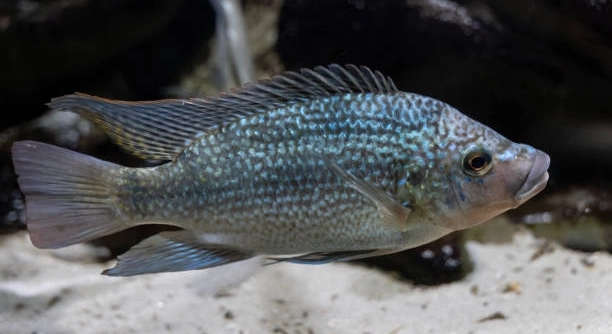
Have you ever wondered how lighting affects convict cichlids and their behavior in home aquariums? Light levels shape comfort, activity, and stress, making them an important detail for anyone aiming to keep these fish calm.
Convict cichlids prefer environments with moderate lighting and access to shaded areas. Consistent exposure to intense light can elevate stress responses, while balanced illumination supports natural behaviors, territorial stability, and overall physiological well-being within captive aquarium settings for this species.
Lighting choices influence health, color, and temperament, and understanding these details can improve aquarium balance and long-term care success overall.
Natural Lighting Preferences of Convict Cichlids
Convict cichlids originate from rivers and streams where light is filtered through plants, rocks, and uneven banks. This creates a mix of brightness and shadow throughout the day. In aquariums, replicating this balance helps reduce tension and supports natural behavior. Constant bright light can make these fish restless and defensive, especially in smaller tanks. I have noticed calmer swimming patterns when lighting is softened and broken up by decor. Moderate lighting also allows colors to appear richer without overstimulation. Using floating plants or tall ornaments helps diffuse light naturally. These elements provide visual barriers, which are important for a territorial species. When convict cichlids feel visually protected, they spend less time hiding and more time engaging with their environment. This balance encourages feeding consistency, stable movement, and a healthier daily rhythm that mirrors their natural habitat closely. This setup also supports breeding behaviors and reduces unnecessary stress over time consistently.
Lighting should never dominate the tank environment. It works best when paired with structure, cover, and thoughtful placement. Simple adjustments often make a noticeable difference. I find that subtle lighting changes can quickly improve how secure convict cichlids appear during daily activity. This approach keeps the tank calm and stable.
Shade plays a quiet but important role in managing convict cichlid behavior. Shaded zones allow fish to retreat without disappearing completely from view. This reduces aggressive displays and limits constant pacing. In my experience, tanks with shaded areas show fewer sudden movements and less fin flaring. These fish remain alert but not reactive. Shade also supports resting periods, which are often overlooked in active species. Without darker spaces, convict cichlids may remain overstimulated for long periods. Over time, this can affect appetite, territorial balance, and general comfort within the aquarium. conditions that promote stability, consistency, and healthier daily behavior patterns.
Managing Aquarium Light at Home
Proper lighting control starts with restraint. Using adjustable fixtures helps avoid harsh exposure throughout the day. I prefer timers to maintain consistency without constant changes. Stable light cycles support predictable behavior and reduce visible stress responses in convict cichlids. This method keeps care simple while supporting long term tank balance.
Balancing light and shade does not require complex equipment or constant adjustments. Simple observation goes a long way. I pay attention to how often fish hide, how quickly they feed, and how frequently they display defensive behavior. If lighting is too intense, convict cichlids often stay near corners or dark substrates. Reducing brightness or adding cover usually leads to steadier movement within days. Plants, driftwood, and rock structures help break up direct light and create natural separation. Consistency matters more than intensity. Sudden changes can disrupt established patterns and increase agitation. I aim for gentle lighting that remains stable across the day. This approach supports comfort, reduces unnecessary tension, and makes long term care more predictable and manageable. Over time, this stability allows fish to settle into clear territories without constant visual pressure. Feeding responses improve, and interactions become less erratic. I find maintenance easier because behavior signals are clearer and more consistent. A calm lighting plan supports healthier routines and reduces the need for frequent intervention. The tank feels balanced, controlled, and easier to enjoy daily without unnecessary adjustments or concern. This steady environment benefits both fish well being and overall aquarium satisfaction over extended periods of ownership and care.
Signs of Too Much Light
Convict cichlids show clear signs when lighting is excessive in the aquarium. They may hide constantly, display faded coloration, or react aggressively to nearby movement. I often notice increased pacing along the glass and reduced feeding interest when light overwhelms their environment and disrupts daily comfort and routine patterns overall.
Bright, unfiltered light removes the sense of security convict cichlids rely on. Without shaded breaks, they remain alert for too long, which increases stress responses. I have seen this lead to frequent territorial clashes and unnecessary chasing. Over time, stress weakens immune function and affects appetite. Fish may eat inconsistently or refuse food entirely. Excessive lighting also limits natural resting periods. Convict cichlids do not shut down completely, but they need visual relief. Balanced light encourages predictable behavior, steadier swimming, and calmer interactions throughout the tank. This stability supports long-term health and reduces avoidable behavioral problems within captive aquarium environments.
Lighting issues often overlap with tank layout and stocking choices. Strong light becomes more disruptive in bare aquariums with limited cover. I prefer combining moderate light with caves and plants to soften exposure. Dark substrates also help absorb glare. These adjustments create contrast instead of constant brightness. Convict cichlids respond by exploring more confidently and defending territories less aggressively. When visual pressure decreases, social balance improves. Small changes usually bring noticeable results within days. Observation remains the most reliable guide. I rely on daily behavior patterns to confirm lighting decisions long term without constant adjustments or guesswork involved regularly needed.
Creating Comfortable Light Zones
Creating light zones gives convict cichlids control over their exposure. I aim for brighter areas near feeding zones and shaded spaces near shelters. This setup allows natural movement between comfort levels. Fish choose where to rest or patrol without pressure. Consistent zones reduce sudden dashes and defensive posturing. The tank feels calmer and more predictable overall for both fish behavior and daily maintenance routines at home aquariums long term care focused setups benefit greatly here.
Zone planning does not require complex tools. I adjust light height, use floating plants, and position decor intentionally. Rocks and wood interrupt direct beams and form soft edges between light and shade. This prevents harsh transitions that can startle fish. Timers help maintain steady cycles, which reinforces routine. Convict cichlids settle faster when lighting remains predictable. I avoid frequent changes unless behavior signals discomfort. Over time, the fish establish clear territories that match these zones. Feeding becomes smoother, and aggression declines. The aquarium feels balanced, requiring less correction. Thoughtful lighting placement supports both appearance and long-term stability. I find this approach reduces stress for fish and simplifies care decisions daily without unnecessary equipment upgrades or constant monitoring over extended ownership periods at home aquariums consistently.
Lighting During Breeding Periods
Lighting plays a role during breeding periods for convict cichlids. Bright tanks can increase tension between pairs, especially in confined spaces. I have noticed calmer courtship when light is softened and shelters are nearby, allowing parents to focus on nesting behavior without constant disturbance from their surroundings during sensitive phases.
Reduced lighting helps breeding pairs guard eggs and fry more effectively. Excess brightness keeps adults alert and reactive. I prefer dimmer conditions with shaded caves, which seem to support steadier guarding, fewer aggressive outbursts, and higher survival rates in early development stages for young fish within the aquarium environment overall.
Tank Size and Light Intensity
Tank size and lighting work closely together for convict cichlids. In smaller tanks, strong light feels more intense and limiting. I find that modest lighting becomes increasingly important as space decreases. Larger tanks allow light to spread more evenly, reducing visual pressure. Even so, shaded zones remain necessary regardless of size. Decorations, plants, and substrate color help adjust brightness without changing fixtures. When tank dimensions and lighting match well, behavior appears more stable. Fish move with purpose, defend space less aggressively, and settle into predictable routines that support long-term health and manageable care for home aquariums over extended ownership periods.
Light Scheduling and Daily Stability
Adjusting light schedules can ease daily stress for convict cichlids. I keep lighting consistent and avoid sudden changes. Gradual transitions help fish remain calm. Stable timing supports feeding habits, resting periods, and predictable behavior that makes aquarium care feel more controlled and reduces unnecessary intervention during regular maintenance routines overall.
Do convict cichlids prefer light or shade in an aquarium?
Convict cichlids do best with moderate lighting paired with shaded areas. Constant bright light tends to increase stress and defensive behavior. In my experience, these fish become calmer when they can move between light and shade freely. Shade offers visual relief and a sense of security, especially in tanks with territorial layouts. Light should support visibility and plant growth without overwhelming the fish. A balanced setup allows convict cichlids to display natural behavior, maintain appetite, and settle into stable routines. Tanks that lack shaded zones often show more pacing, hiding, or sudden aggression. Light is useful, but it should never dominate the entire environment.
Can convict cichlids live in brightly lit tanks?
They can survive in bright tanks, but survival does not equal comfort. Strong lighting without cover often leads to tension and overstimulation. I have noticed that convict cichlids in overly bright tanks remain alert for long periods, which affects feeding and rest. Over time, this can weaken overall condition. Bright lighting works better when softened with plants, wood, or rock structures. These elements break up exposure and create calmer zones. Without them, bright tanks feel exposed and limiting. Adjusting brightness or adding cover usually improves behavior quickly and makes care easier.
How many hours of light do convict cichlids need daily?
Convict cichlids respond well to consistent light schedules, usually between eight and ten hours daily. I avoid longer periods because extended exposure often increases agitation. Shorter, steady cycles help reinforce feeding times and resting periods. Timers are helpful for maintaining regularity. Sudden changes in duration can disrupt established behavior. What matters most is consistency rather than exact duration. When light turns on and off at predictable times, convict cichlids settle into routines. This stability supports appetite, territorial balance, and overall comfort within the aquarium environment.
Does lighting affect convict cichlid aggression?
Yes, lighting has a noticeable impact on aggression levels. Excessive brightness often leads to increased chasing and defensive displays. I have observed fewer conflicts when light is moderated and paired with shaded shelters. Bright light removes visual breaks, forcing constant awareness of tank mates. This increases tension, especially in smaller tanks. Softer lighting reduces constant visual contact and allows fish to retreat without hiding completely. When lighting is balanced, convict cichlids defend territories more calmly and interact with less intensity. This makes tank management more predictable and reduces stress related issues.
Is dim lighting better for convict cichlids?
Dim lighting alone is not ideal, but it can be beneficial when balanced correctly. Extremely low light may limit activity and reduce visibility for feeding. I prefer moderate light with clearly defined darker areas rather than an overall dim tank. This approach supports natural movement and exploration. Convict cichlids remain active but not reactive. Dim zones provide rest without forcing inactivity. The goal is not darkness, but contrast. When fish can choose their comfort level, behavior becomes more stable and less erratic.
Do plants help manage light for convict cichlids?
Plants are very useful for managing light exposure. Floating plants and tall rooted species filter brightness naturally. I rely on them to soften overhead light and create shaded pockets. Plants also improve visual separation, which helps reduce constant territorial awareness. Even simple plant coverage can change how convict cichlids move through the tank. They appear more confident and less defensive. Plants also reduce glare and reflection, which can startle fish. This makes lighting feel less intrusive and more natural without adjusting fixtures constantly.
Should lighting change as convict cichlids grow?
Lighting does not need major changes as convict cichlids grow, but observation becomes more important. Adult fish establish stronger territories, making visual pressure more noticeable. I pay closer attention to behavior as they mature. If aggression increases, lighting adjustments often help. Adding shade or reducing brightness slightly can restore balance. Growth also increases space needs, which affects how light spreads. Rather than changing schedules often, I focus on layout and cover. This keeps lighting supportive without causing disruption.
Final Thoughts
Lighting plays a quiet but meaningful role in how convict cichlids behave, feed, and settle into their environment. It is not only about how bright the tank looks, but how safe and balanced it feels to the fish living inside it. Convict cichlids respond best to lighting that allows choice. When they can move between brighter areas and shaded spaces, their behavior becomes steadier and less reactive. Over time, this balance supports predictable routines and reduces unnecessary stress. I have found that lighting works best when it supports the tank layout instead of overpowering it. Simple adjustments often lead to noticeable improvements in movement, interaction, and overall comfort. The goal is not perfection, but consistency and moderation.
Shade should never be treated as an afterthought. Convict cichlids rely on visual breaks to feel secure, especially in confined aquarium settings. Without shaded areas, these fish remain alert for extended periods, which can influence aggression and appetite. Adding plants, rocks, or caves does more than decorate the tank. These features help manage light naturally and give fish places to pause without disappearing completely. I prefer setups where lighting feels layered rather than flat. This approach creates depth and reduces constant exposure. Over time, the fish appear more confident and less defensive. Care also becomes easier because behavior signals are clearer and more consistent.
Long term success with convict cichlids often comes from observation rather than constant adjustment. Lighting does not need frequent changes when it is planned thoughtfully from the start. Stable schedules, moderate brightness, and dependable shaded zones create an environment that supports daily rhythms. I focus on how the fish respond rather than chasing specific numbers or trends. When feeding is steady, movement is calm, and interactions remain controlled, lighting is likely doing its job. This steady approach reduces stress for both fish and keeper. A well balanced lighting setup supports health, behavior, and enjoyment over time without unnecessary complexity or constant intervention.

Hello,
If you enjoy the content that we create, please consider saying a "Thank You!" by leaving a tip.
Every little bit helps us continue crafting quality advice that supports the health, happiness, and well-being of pets around the world, for pets of all shapes, sizes, and species.
We really appreciate the kindness and support that you show us!