
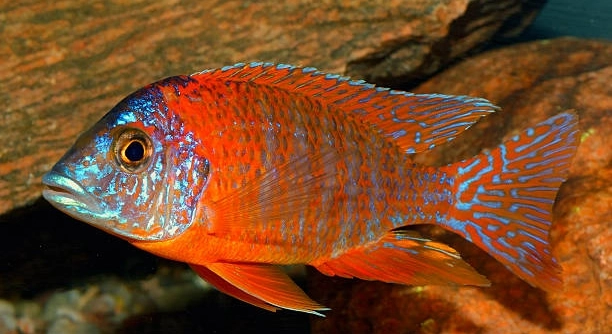
Convict cichlids are lively freshwater fish often admired for their striking patterns and energetic behavior. Observing them in aquariums, you might notice interactions that hint at recognition among individuals in their community.
Convict cichlids can recognize each other through visual cues and memory. They identify familiar tank mates, remember previous encounters, and adjust their social behavior accordingly. This recognition influences hierarchy, aggression, and breeding interactions within their group.
Understanding these behaviors helps improve aquarium management and ensures a balanced environment for your cichlids to thrive together peacefully.
How Convict Cichlids Recognize Each Other
Convict cichlids rely heavily on visual recognition. Each fish has unique markings, and they use these patterns to identify familiar individuals. They remember who they have interacted with before, which affects their behavior. Recognized tank mates are often treated with less aggression, while strangers may face more territorial displays. This memory can last several weeks, showing a surprising level of cognitive ability for such small fish. Body language also plays a role—specific postures and fin movements signal familiarity. Over time, cichlids can form stable hierarchies, and recognition helps maintain these social structures. Breeding pairs, in particular, are more likely to defend territories together when they recognize each other. Observing these interactions provides insight into their social intelligence. Even in crowded tanks, recognition influences which fish cohabitate peacefully and which confrontations escalate. Knowing this can help you manage your aquarium more effectively and reduce stress among your fish.
Recognition among convict cichlids strengthens social bonds and helps them maintain clear hierarchies in their environment.
Memory and social awareness in these fish are essential. Recognized individuals tend to cooperate, avoid unnecessary fights, and navigate complex social settings more effectively. This behavior impacts feeding patterns, breeding success, and overall tank harmony.
Factors That Affect Recognition
Tank size and layout affect how easily cichlids recognize each other. Crowded spaces can increase stress and misidentification.
Environmental conditions like water clarity, lighting, and hiding spots play a crucial role. In murky water or low light, visual cues become harder to interpret, making recognition less reliable. Strong currents or frequent disturbances can distract fish and disrupt their memory of other individuals. Even minor changes, like rearranging decorations, may temporarily confuse them. Nutrition also impacts cognitive ability; well-fed fish are more alert and better at remembering familiar tank mates. Age matters too—older, experienced fish show more consistent recognition behavior than juveniles. Breeding periods can heighten sensitivity, as fish are more territorial and protective, relying on recognition to maintain pair bonds. Regular observation and stable tank conditions support these natural behaviors, reducing aggression and promoting social harmony. Adjusting environmental factors carefully ensures that convict cichlids can use their recognition skills effectively and thrive together in a shared space.
Social Behavior and Recognition
Convict cichlids show different behavior toward familiar and unfamiliar tank mates. Recognized fish often receive less aggression, while strangers may face more displays of dominance and territoriality. This distinction helps maintain social order and reduces unnecessary fights within the aquarium.
Social hierarchies in convict cichlids are influenced by recognition. Fish remember previous encounters, adjusting their behavior accordingly. Dominant individuals assert control over territory, while subordinates often yield to avoid conflict. Recognized tank mates can cooperate during feeding or defend shared spaces more effectively. Aggression is not constant; it fluctuates based on familiarity, breeding status, and environmental conditions. These dynamics demonstrate that convict cichlids rely on both memory and visual cues to manage interactions within their group, creating a balance that supports peaceful cohabitation.
Recognition also affects breeding behavior. Mated pairs respond differently to familiar rivals compared to strangers. They defend territory together, showing coordinated movements and protective actions. Even outside breeding, recognized individuals navigate shared spaces with less conflict, making daily interactions smoother. Observation reveals that memory plays a critical role in shaping long-term social structures, ensuring fish coexist with minimal stress and more predictable behavior patterns.
Impact of Environment on Recognition
Water clarity and tank conditions directly affect recognition in convict cichlids. Murky water or poor lighting can hinder visual identification and increase aggression between fish.
Stable environments help cichlids maintain recognition of familiar tank mates. Clear water, consistent lighting, and minimal disturbances allow fish to rely on visual cues more effectively. Rearranging tank decorations or adding new fish can temporarily confuse individuals and disrupt social hierarchies. Providing adequate hiding spaces and well-distributed territories reduces stress and supports memory-based recognition. Environmental factors also influence feeding and breeding behavior, as familiar fish cooperate more efficiently under predictable conditions. Regular monitoring ensures these conditions remain optimal.
Recognizing Tank Mates
Convict cichlids identify familiar fish by their unique markings and behavior. Recognized tank mates are treated with less aggression, helping maintain peace.
Memory plays a key role. Fish recall previous interactions and adjust their behavior accordingly. This recognition shapes social dynamics and hierarchy in the aquarium.
Breeding Pairs and Recognition
Mated convict cichlids rely heavily on recognition for successful breeding. Pairs defend territories together and coordinate movements to protect eggs and fry. Familiar rivals trigger measured responses, while strangers often face stronger displays of aggression. Recognition ensures that pairs maintain bonds, reduces stress, and increases survival rates for offspring in a shared environment. This behavior highlights the importance of memory and social awareness in shaping both daily interactions and reproductive success within the tank. Breeding pairs also monitor recognized fish more closely, using prior knowledge to decide when to cooperate or defend, which strengthens the overall social structure of the group.
Juveniles and Recognition
Young convict cichlids start recognizing familiar individuals early. This early memory helps them integrate into social groups.
FAQ
How do convict cichlids recognize each other?
Convict cichlids primarily use visual cues to identify familiar tank mates. Each fish has unique markings and patterns, which they remember over time. They also observe behavior and body language, helping them distinguish between friends and strangers. Memory plays an important role in reducing unnecessary aggression and maintaining social order.
Can convict cichlids recognize fish after a long separation?
Yes, they can. Studies show that convict cichlids remember familiar individuals for several weeks. Even after temporary separation, they often adjust their behavior toward recognized tank mates, showing less aggression compared to completely unfamiliar fish. Memory is stronger for fish they have interacted with frequently or during critical social moments.
Does tank size affect recognition?
Tank size can influence recognition because space impacts interaction frequency. In smaller tanks, fish meet more often, strengthening memory of each other. In larger or overcrowded tanks, interactions may be limited, making it harder for fish to recognize all individuals and sometimes increasing aggression toward less familiar tank mates.
Do juveniles recognize other fish?
Young convict cichlids begin recognizing familiar individuals early. They remember who shares their space and adjust social behavior accordingly. Recognition helps them avoid conflicts, find safe spots in the tank, and gradually integrate into the social hierarchy. Early recognition is important for both survival and learning social cues.
Do convict cichlids recognize humans?
Convict cichlids can recognize their owners to some extent. They respond to feeding routines, movement, and presence near the tank. While not as advanced as social recognition among fish, this recognition can make them less skittish during feeding and more interactive with familiar humans.
How does recognition affect aggression?
Recognition significantly reduces aggression among familiar fish. Tank mates that know each other tend to cooperate, avoid unnecessary fights, and share space more peacefully. Strangers often trigger territorial displays, chasing, or fin flaring. Recognition allows fish to conserve energy and maintain stability in the aquarium environment.
Does breeding change recognition behavior?
Yes, breeding heightens recognition behavior. Mated pairs coordinate defense of eggs and fry, focusing on both familiar and unfamiliar fish differently. Recognized rivals are treated with measured aggression, while strangers face stronger territorial displays. Recognition ensures the safety of offspring and strengthens pair bonds during reproduction.
How long do convict cichlids remember each other?
Memory varies, but convict cichlids can remember familiar individuals for several weeks to months. Fish that interact more frequently or during significant events, like breeding or conflict, tend to have stronger memory retention. This memory influences social hierarchies, feeding, and territorial behavior over time.
Can environmental factors disrupt recognition?
Yes, poor water clarity, low lighting, and frequent tank rearrangements can reduce recognition accuracy. Murky water or unfamiliar setups make visual cues harder to detect. Stable tank conditions with clear water and consistent territory layout help fish maintain recognition and reduce stress.
Why is recognition important in a community tank?
Recognition supports social harmony. Familiar fish coexist more peacefully, reducing aggression and stress. It allows for better feeding, smoother breeding behavior, and clearer hierarchy establishment. Maintaining recognition through stable conditions ensures a healthier and more balanced aquarium for all convict cichlids.
Can recognition improve over time?
Yes, repeated interactions strengthen recognition. The more frequently fish meet, the better they remember each other. Social learning, observation of behavior, and shared experiences all contribute to stronger recognition, helping convict cichlids maintain long-term relationships within their tank community.
Do convict cichlids recognize other species?
They may distinguish other species as non-threatening or competitors, but recognition is strongest within their own species. Visual differences and behavioral cues help them identify familiar and unfamiliar individuals, but interactions with other species generally trigger curiosity or territorial responses rather than memory-based social recognition.
How can owners support recognition in their tanks?
Maintaining stable water conditions, clear visibility, consistent feeding routines, and minimizing sudden changes helps convict cichlids recognize each other more easily. Providing hiding spots and structured territories supports social memory and reduces stress, allowing fish to interact calmly and predictably over time.
Does stress affect recognition?
Yes, stressed fish may struggle to remember familiar tank mates. Poor water quality, overcrowding, or aggressive neighbors can reduce cognitive function, making recognition less reliable. Reducing stress through proper care ensures convict cichlids can use their natural recognition abilities effectively, improving social interactions and overall health.
Are all convict cichlids equally good at recognizing others?
No, recognition ability can vary. Age, experience, and social exposure influence memory. Older and more experienced fish often recognize tank mates better than juveniles. Frequent interaction and stable social environments enhance recognition skills, while frequent disturbances can weaken them.
Can recognition prevent bullying?
Yes, familiar fish are less likely to harass each other. Recognition reduces unnecessary aggression, as fish remember prior interactions and adjust behavior. Providing a stable environment and giving each fish space supports recognition, keeping bullying to a minimum and promoting a calmer aquarium.
Does recognition influence feeding behavior?
Recognized tank mates often share feeding areas more calmly, reducing competition. Strangers or new additions may trigger chasing or dominance displays, impacting feeding efficiency. Fish that remember each other coordinate space use better, allowing more consistent and stress-free feeding times in the tank.
Can recognition affect hierarchy?
Yes, recognition helps establish and maintain hierarchy. Dominant individuals assert control over familiar subordinates, while recognized subordinates yield to avoid conflict. Hierarchies become more predictable when fish remember each other, which reduces stress, prevents frequent fights, and supports smoother interactions across the group.
Do environmental changes reset recognition?
Major changes can temporarily confuse fish. Rearranging decorations, adding new tank mates, or altering lighting may disrupt visual cues, making recognition less reliable. Fish usually readjust over time, relying on repeated interactions and memory to restore social order and familiarity within the aquarium.
Are there signs that fish recognize each other?
Yes, recognized fish often swim closer together, avoid aggressive displays, and share spaces without conflict. Breeding pairs show coordinated defense behavior. Strangers trigger chasing or fin flaring, while familiar individuals demonstrate calmer interactions, signaling successful recognition and memory in action.
Can recognition improve tank management?
Understanding recognition helps plan tank layout, feeding, and fish introductions. By keeping conditions stable and minimizing stress, owners can reduce aggression, improve social cohesion, and ensure healthier interactions. This knowledge allows better long-term care for convict cichlids in a shared environment.
Convict cichlids are fascinating fish, not just because of their patterns and energy, but also due to their social awareness. They rely on memory and visual cues to recognize familiar tank mates, which plays a key role in shaping their interactions. Recognition helps reduce unnecessary aggression and establishes clear social hierarchies, making their environment more stable and predictable. Fish that remember each other tend to cooperate during feeding, share spaces peacefully, and navigate conflicts with less stress. Even mated pairs use recognition to defend their territory and protect their offspring, highlighting the importance of familiarity in both daily life and reproduction. Watching these behaviors unfold in an aquarium offers insight into how memory and recognition influence not just survival, but also the overall balance within a fish community.
Environmental factors significantly affect recognition and social behavior. Clear water, proper lighting, and stable tank setups support the fish in identifying familiar individuals. Changes like rearranging decorations, adding new fish, or crowding the tank can temporarily disrupt memory, increasing stress and aggression. Providing hiding spots and structured territories gives convict cichlids space to feel secure and reinforces recognition. Feeding routines and consistent interaction also support memory and reduce tension, helping fish maintain social bonds. Even juvenile cichlids show the ability to recognize others early, and stable conditions help them integrate into the group smoothly. Stress management, proper nutrition, and observing social interactions are key to ensuring fish retain these recognition skills, which ultimately benefits both the individuals and the overall aquarium environment.
Understanding recognition in convict cichlids also helps aquarium owners create a healthier, more balanced tank. Knowing that fish remember previous encounters and adjust behavior accordingly can guide introductions, prevent fights, and improve breeding success. Recognition is not only about avoiding conflict; it enhances cooperation, strengthens pair bonds, and promotes predictable social structures. Fish that are allowed to recognize each other fully often display calmer behavior and respond better to routine care. For anyone keeping convict cichlids, maintaining clear water, consistent lighting, stable territories, and a steady feeding schedule supports these natural behaviors. By paying attention to memory, social interaction, and environmental stability, owners can create a peaceful and thriving habitat where convict cichlids coexist harmoniously and display their natural social intelligence.

Hello,
If you enjoy the content that we create, please consider saying a "Thank You!" by leaving a tip.
Every little bit helps us continue crafting quality advice that supports the health, happiness, and well-being of pets around the world, for pets of all shapes, sizes, and species.
We really appreciate the kindness and support that you show us!