
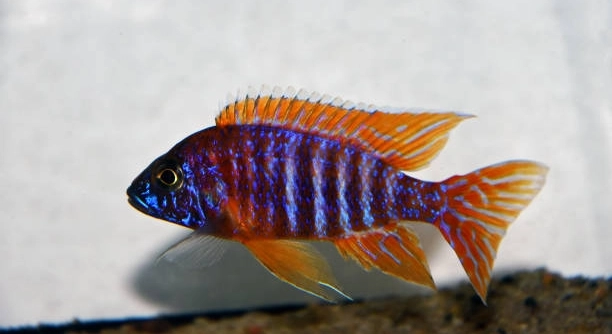
Convict cichlids are popular freshwater fish known for bold patterns and strong personalities, often discussed among aquarists who want peaceful tanks while understanding natural behaviors that influence daily care and compatibility decisions in home aquariums.
Convict cichlids are not inherently aggressive, but they display heightened territorial behavior during breeding and stress conditions. Their aggression is situational, influenced by environment, tank size, social structure, and resource availability, rather than a constant or unavoidable trait in captivity.
This article explains when aggression appears, how to reduce conflicts, and what aquarists can expect from long-term convict cichlid care.
Understanding Convict Cichlid Behavior
I have kept convict cichlids in several tanks, and their behavior often reflects their surroundings more than their nature. In stable tanks, they spend time exploring, grazing, and interacting calmly. Problems usually appear when space is limited, hiding areas are scarce, or tank mates crowd their territory. These fish establish clear boundaries and rely on visual cues to feel secure. When those cues disappear, defensive actions increase. Water quality also plays a role, as poor conditions heighten stress and trigger guarding behavior. Consistent lighting, steady temperatures, and routine feeding help maintain balance. When these needs are met, convict cichlids show predictable patterns rather than constant hostility. Observing them closely reveals that most displays are warnings, not attacks, meant to restore order within their immediate environment. This understanding has helped me keep calmer tanks and make better choices when selecting tank mates and layouts that support term stability and fish health.
Breeding periods change everything. During spawning, pairs guard eggs and fry with intensity. This behavior is temporary but strong. Even normally calm fish may chase others away. Knowing this pattern helps prevent panic and allows simple adjustments, like adding barriers or spacing, to reduce tension during these demanding phases only.
Aggression is often reduced through thoughtful tank planning. Larger tanks allow distance, which lowers confrontations. Rocks, plants, and caves break lines of sight and give fish places to retreat. Choosing tank mates with similar size and temperament also matters. I avoid overcrowding and sudden changes, since both raise stress levels. Feeding schedules should be consistent, preventing competition spikes. When adjustments are gradual, convict cichlids adapt well. Their behavior becomes easier to read, and conflicts rarely escalate beyond brief displays meant to communicate boundaries rather than cause harm. This approach supports calmer tanks and steadier daily observation routines over time consistently.
Setting Realistic Expectations
Convict cichlids have earned a strong reputation, yet labels can be misleading. They respond to care quality more than myths. When owners expect constant aggression, small displays feel extreme. Understanding context keeps reactions measured and supports better long term decisions for the tank based on observation rather than assumption alone.
Keeping convict cichlids successfully means accepting their assertive side without exaggerating it. I have learned that consistency matters more than constant intervention. Tanks should be arranged before fish are added, limiting later disruptions. Maintenance routines need to stay predictable, including water changes and feeding times. When adjustments are required, small steps work best. Tank mates should be monitored, not swapped impulsively. Watching interactions over days reveals patterns that single moments miss. Many displays look dramatic but resolve quickly. True problems show repeated targeting and injuries. At that point, separation or layout changes are practical solutions. Convict cichlids reward attentive care with stable behavior and clear routines. They recognize their space, respond to regular feeding, and settle into familiar surroundings. This balance creates an environment where confidence replaces chaos. With patience and structure, these fish become manageable residents rather than constant sources of stress, allowing the tank to remain active, organized, and enjoyable to maintain over time. My experience shows that calm ownership shapes outcomes. When expectations stay realistic, daily care feels steady. The fish respond with predictable behavior, making the aquarium easier to manage and observe without unnecessary worry or reaction during routine maintenance and quiet viewing periods at home.
Tank Size and Layout Matters
Tank size directly affects how convict cichlids behave daily. Smaller tanks force constant interaction and increase defensive displays. Larger tanks allow spacing, reduce tension, and support natural movement. I have seen noticeable calmness when upgrading tanks, even without changing tank mates or routines over time with stable conditions and patience.
Layout plays an equally important role in managing behavior. Rocks, caves, and plants create visual breaks that prevent constant staring and chasing. When fish cannot see each other at all times, stress drops. I arrange decor to form clear zones, allowing fish to claim space without conflict. Open swimming areas remain important, but balance matters. Flat layouts with no cover often lead to repeated displays. Rearranging decor during breeding can help protect other fish. These changes work best when done calmly and gradually, avoiding sudden disruptions that unsettle established territories over time with consistent observation and patience from the owner.
Water quality and routine maintenance influence aggression more than many expect. Poor filtration, skipped water changes, and unstable temperatures raise stress levels quickly. I follow a steady schedule to keep conditions predictable. Clean water supports clear behavior patterns and reduces defensive reactions. Feeding routines matter as well. Inconsistent feeding creates competition and tension. Smaller, regular meals work better than large, irregular ones. When care stays consistent, convict cichlids settle into patterns that feel controlled rather than reactive. This stability allows their assertive traits to remain manageable and brief during daily care routines at home tanks with long term success overall.
Managing Tank Mates Carefully
Tank mates influence behavior as much as space and care. Fast, similarly sized fish handle shared tanks better. Slow or timid species often trigger chasing. I avoid mixing convicts with fish that occupy the same breeding zones. Mid level swimmers usually face fewer issues. Observing early interactions helps determine compatibility. Minor displays are normal, but repeated targeting signals imbalance. Early adjustments prevent long term stress for every fish involved within shared home aquariums over time.
Personality differences should never be ignored. Even within the same species, behavior varies. I have seen calm convicts and dominant ones raised under similar conditions. Introducing new fish slowly reduces shock and limits defensive reactions. Rearranging decor before additions helps reset boundaries. Using dividers during introductions provides visual contact without conflict. Monitoring behavior over several days gives clearer insight than first impressions. If problems persist, separation protects all fish involved. Forcing compatibility rarely works. Accepting limits leads to healthier tanks and less frustration. A balanced setup respects natural behavior while maintaining safety. This approach supports stability and makes daily care feel manageable rather than stressful over time with consistent observation and thoughtful decisions from the owner during long term aquarium care routines at home setups.
Breeding and Territorial Shifts
Breeding behavior changes convict cichlids quickly and noticeably in home tanks. Once a pair forms, territorial displays increase around nesting areas. This response protects eggs and fry. I have learned this phase is temporary, intense, and driven by instinct rather than constant aggression seen during controlled aquarium conditions over time.
During breeding, other fish often become targets if they enter guarded zones. Visual barriers help reduce conflict. I prefer adding extra caves or removing sensitive tank mates temporarily. These adjustments protect weaker fish and allow parents to complete spawning without prolonged stress or injury risks within shared tanks safely overall.
Stress and Environmental Triggers
Stress triggers defensive behavior even outside breeding periods. Sudden noise, lighting changes, or frequent rearranging raise alert responses. I keep lighting consistent and avoid tapping glass. Stable routines reduce overreaction. Handling maintenance calmly matters. When stress stays low, displays remain brief. Chronic stress leads to constant chasing and poor health. Monitoring water parameters weekly helps catch problems early. Convict cichlids respond best to predictable environments that support their natural confidence rather than forcing constant adaptation. This approach has made my tanks calmer and easier to manage long term with consistent care and observation over many months at home setups successfully.
Age and Maturity Differences
Young convict cichlids behave differently than adults. Juveniles show less territorial focus and more group movement. I find early socialization helps later balance. As they mature, space needs increase. Planning ahead prevents sudden aggression when growth and pairing begin within shared tanks over time with proper layouts and steady care.
FAQ
Do convict cichlids attack all other fish?
Convict cichlids do not attack all fish. Aggression depends on territory, breeding, and stress levels. I have seen them peacefully coexist with mid-level swimmers of similar size. Problems usually arise when tank space is limited or hiding spots are scarce. Small or slow species are more likely to be chased. Observing interactions daily helps prevent surprises and ensures that any displays remain brief warnings rather than serious attacks. Adjusting decor or temporarily separating fish during high-tension periods keeps the tank calmer and protects weaker inhabitants over time.
How can I tell if aggression is serious?
Serious aggression is repeated, directed, and causes visible injuries. I watch for persistent chasing, nipping, or fin damage. Brief displays or warning postures usually end without harm. Changes in feeding behavior, hiding, or stress-related marks also indicate trouble. Early intervention, such as adding barriers or moving fish, prevents escalation and keeps the tank balanced. Monitoring interactions over days provides better insight than reacting to single incidents. Consistent observation has helped me maintain a calmer aquarium environment and protect all fish from unnecessary stress.
Are convict cichlids aggressive all the time?
Convict cichlids are not aggressive all the time. Daily routines in stable tanks show calm exploration and grazing. Aggression typically appears during breeding, territory defense, or when stressed by overcrowding or poor water quality. I have noticed that providing space, hiding areas, and predictable feeding schedules keeps most displays brief. Understanding their triggers prevents unnecessary worry and helps anticipate temporary spikes in behavior. Regular observation allows me to respond only when needed, reducing intervention and keeping the tank peaceful.
Do tank mates influence aggression?
Tank mates have a strong influence on behavior. Fast, similarly sized, and confident fish coexist best. Slow, timid, or smaller species often provoke chasing. I introduce new tank mates gradually, rearranging decor first to establish new boundaries. Using dividers temporarily allows visual contact without immediate conflict. Watching interactions over days shows whether the pairing works or requires adjustment. Personality differences also matter; some convicts are naturally dominant. Accepting these limits helps prevent injuries, supports calm interactions, and keeps the aquarium manageable for all fish in the long term.
Can tank layout reduce aggressive behavior?
Yes, tank layout significantly reduces aggression. Rocks, caves, and plants create visual breaks that prevent constant chasing. Open swimming areas combined with hiding spots allow fish to claim space and retreat safely. I rearrange decor gradually, especially before adding new fish, to reset territories without stressing residents. Balanced layouts reduce tension during breeding or feeding periods. Proper planning prevents overcrowding and helps the tank feel stable. When these changes are consistent, aggressive displays remain controlled, predictable, and brief rather than constant, making daily care easier.
Does water quality affect aggression?
Water quality directly affects behavior. Poor filtration, skipped water changes, or unstable temperatures increase stress, which leads to more aggressive displays. I maintain weekly water checks, consistent cleaning, and stable temperatures. Clean, predictable conditions reduce defensive behavior and support calmer interactions. Even small changes in pH, hardness, or ammonia levels can trigger chasing or nipping. Regular care keeps convicts confident and territorial displays minimal. When stress is controlled, the tank feels stable, and aggression only appears in natural breeding or rare conflict scenarios, rather than daily.
How should I manage aggression during breeding?
During breeding, aggression is heightened and temporary. I add extra caves and visual barriers to protect other fish. Removing sensitive tank mates temporarily prevents stress and injury. Feeding more frequently in small amounts helps reduce competition. I avoid rearranging the tank during this time to let parents feel secure. Close observation ensures fry are safe without constant interference. Once the breeding period ends, behavior usually returns to normal, and interactions stabilize. Planning ahead and providing space for nesting makes these periods manageable and predictable, reducing frustration for both the fish and me.
Do convict cichlids calm down as they age?
Yes, maturity affects aggression. Juveniles are generally calmer and more social, while adults display stronger territorial instincts, especially during breeding. I provide larger spaces as they grow, anticipating natural changes in behavior. Regular monitoring and gradual adjustments in tank layout support long-term calmness. Adult fish maintain predictable boundaries, and aggression becomes easier to read and manage over time. Understanding age-related behavior helps me prevent conflicts before they escalate and keeps the aquarium peaceful for all inhabitants.
Can feeding routines impact aggression?
Feeding routines significantly affect behavior. Inconsistent or large meals increase competition, leading to chasing and defensive displays. I feed smaller portions multiple times a day, which reduces tension and keeps everyone occupied. Predictable feeding schedules also reinforce confidence and minimize stress. Convict cichlids respond well to routine, and aggression decreases when they know food is reliably available. Stable feeding habits, combined with proper tank layout, make territorial displays brief and manageable, rather than ongoing issues that disrupt tank harmony.
Is aggression permanent in some convict cichlids?
Aggression is rarely permanent. Situational triggers like breeding, stress, or limited space usually drive displays. I have found that most convicts calm once conditions stabilize, hiding areas are available, and feeding schedules are consistent. Dominant personalities exist, but interventions like dividers, extra decor, or temporary separation effectively manage long-term conflicts. Understanding these patterns allows me to anticipate aggression and prevent prolonged stress, keeping the tank balanced without drastic measures.
Do convicts need solitary tanks to prevent fighting?
Not necessarily. Convict cichlids can live with compatible tank mates and appropriate space. Solitary setups reduce aggression but aren’t required if the tank is large enough and hiding spots exist. I have successfully kept pairs and small groups without major issues by arranging territory zones, monitoring interactions, and managing feeding carefully. Proper planning allows peaceful community setups while respecting natural behaviors.
How often should I observe my cichlids for aggression?
Daily observation works best, even if only briefly. I watch for chasing, nipping, or unusual hiding. Consistent monitoring helps identify minor issues before they escalate. Observing during feeding, breeding, or after decor changes gives insight into territory and stress levels. This simple routine prevents serious problems and keeps the tank manageable over long-term care.
Can stress from handling increase aggression?
Yes, handling or sudden maintenance can trigger temporary aggression. I minimize tapping, netting, or sudden rearrangements. When changes are necessary, I move slowly and calmly. Stress-induced displays often subside quickly if the environment remains stable afterward. Predictable care routines keep defensive behavior minimal and manageable for both fish and caretaker.
Do breeding pairs need to be separated from the rest of the tank?
Not always. Separation depends on tank size, layout, and other fish. I provide extra hiding spots and visual barriers first. If aggression toward tank mates persists, temporary dividers work well. Many pairs coexist safely with careful observation and minor adjustments. The key is anticipating conflict and making small changes rather than permanent isolation.
How do I know when a fish should be removed?
Repeated targeting, visible injuries, or chronic stress indicate removal. I separate fish when one is consistently harassed or if dominant displays threaten health. Early intervention prevents long-term harm and preserves tank balance. Removing or relocating problem fish maintains calm conditions and supports overall wellbeing for the community.
Can tank temperature affect aggression?
Yes, sudden fluctuations in temperature increase stress and defensive behavior. I maintain stable warmth suitable for convict cichlids. Rapid changes trigger chasing and nipping. Consistent temperature keeps fish active but not defensive, reducing unnecessary aggression and creating predictable daily behavior patterns that are easier to manage over time.
Does lighting influence behavior?
Lighting consistency affects comfort levels. I keep day and night cycles steady to prevent stress. Sudden bright lights or frequent changes can trigger chasing or hiding. Steady lighting reduces tension and allows natural routines to develop. Fish feel secure in predictable environments, which minimizes aggressive displays.
Are some convicts naturally more aggressive than others?
Yes, personality varies. I’ve noticed some individuals dominate while others are calm. Environment and care influence aggression, but natural temperament plays a role. Observing early allows me to plan space and tank mates accordingly. Accepting individual differences reduces conflicts and keeps the aquarium manageable over the long term.
Can I train or reduce aggression through conditioning?
Partial conditioning works. Predictable feeding, structured routines, and gradual introductions teach fish when to expect food and activity. I use these patterns to reduce stress and competition. While natural territorial instincts remain, behavior becomes easier to anticipate, making aggression manageable rather than constant, especially in community setups with careful planning and monitoring.
Do hiding spots really reduce conflict?
Absolutely. Hiding spots prevent constant staring and chasing. I provide caves, plants, and rock structures. Visual breaks let fish claim territory without direct confrontation. Even minimal additions reduce tension during feeding or breeding. Proper placement of hiding areas keeps aggression brief and predictable, creating a calmer tank over long-term observation.
How do I handle aggression between two dominant fish?
Dividers, rearranged decor, or larger tanks help. I rarely rely on immediate separation unless injuries occur. Observation over several days identifies if one fish consistently dominates. Small adjustments prevent escalation, and the fish often settle into separate zones. Managing space and territory reduces prolonged fighting and stress within the aquarium effectively.
Can diet influence behavior?
Yes, competition for food increases tension. I provide balanced, frequent meals in multiple spots. This approach reduces chasing and ensures all fish are fed. Convict cichlids respond positively to consistent nutrition, which lowers aggression and prevents stress from food scarcity, supporting calmer interactions in daily tank life.
Is aggression worse during seasonal changes?
Minor shifts in light or temperature can trigger defensive behavior. I maintain consistent conditions year-round to avoid surprises. Convict cichlids are sensitive to sudden environmental changes, and small adjustments prevent unnecessary chasing or hiding. Predictable routines keep interactions brief and manageable.
Do breeding pairs ever calm down permanently?
Yes, after spawning, pairs usually return to normal behavior. I observe for a few weeks to ensure fry are safe and adults have settled. Aggression subsides when territory needs diminish, showing that heightened displays are temporary, not a permanent trait of the species, which simplifies long-term tank management and reduces daily stress.
Can overcrowding increase aggression permanently?
Overcrowding increases conflict and stress. I ensure sufficient space for each fish and avoid overstocking. When aggression occurs due to crowding, adjusting numbers or tank size reduces tension. Crowding-related aggression is situational, not permanent, and proper planning maintains long-term stability and calm behavior.
Does personality matter more than tank conditions?
Both matter. I have calm and dominant convicts in identical tanks. Environment affects behavior, but temperament determines reactions. Accepting individual differences allows better planning, preventing conflict, and supporting coexistence. Observation and adjustment work best when combined with understanding personality.
Are there signs of chronic stress from aggression?
Yes, constant hiding, loss of appetite, or torn fins indicate stress. I monitor daily for these signs. Early action, such as adding hiding spots or separating dominant fish, prevents long-term health issues. Chronic stress management is key to maintaining a stable and balanced aquarium.
Do convict cichlids always defend the same territory?
They prefer consistent zones but adjust to decor changes or new tank mates. I notice patterns where adults claim specific caves or areas. Changing layouts gradually prevents disputes. Territory is flexible but predictable, which helps me manage daily interactions without constant conflict.
Can multiple pairs coexist?
Yes, if space is adequate and hiding areas are abundant. I separate territories with rocks or plants and monitor interactions closely. Multiple pairs can thrive together, but careful planning is essential to prevent overlapping aggression during breeding or territorial disputes.
Does noise affect aggression?
Sudden noises like tapping or household activity can trigger chasing or hiding. I keep the tank in a quiet area and minimize vibrations. Reducing auditory stress helps maintain predictable, brief displays rather than constant defensive behavior, keeping the environment calmer overall.
Are all displays of aggression harmful?
No, most displays are warnings, not attacks. I distinguish between brief posturing and repeated targeting. Understanding warning behavior prevents overreaction. Most interactions resolve without injury when space, decor, and feeding are managed appropriately.
Can adding plants reduce aggression long-term?
Yes, live or artificial plants break lines of sight and provide retreats. I have noticed calmer behavior and fewer chases when dense planting is included. Plants support stable territories, reduce stress, and allow multiple fish to share space without constant conflict.
Do convicts need monitoring after adding new fish?
Yes, I watch for at least a week after introductions. New fish can trigger defensive behavior. Gradual introductions, visual barriers, and careful observation prevent injuries and help the tank adjust smoothly. Early intervention ensures stability for all residents.
Is aggression worse in small tanks?
Yes, limited space forces constant encounters. I upgrade tanks or rearrange decor to create zones. Small tanks increase stress and chasing. Providing distance and hiding areas reduces intensity and keeps interactions brief.
Do territorial disputes always involve food?
Not always. Territory, breeding, and hiding spaces drive most conflicts. I see chasing over open swimming areas or nesting caves without feeding being a factor. Managing layout and decor is often more effective than adjusting diet alone.
Can aggression be completely eliminated?
No, it can be minimized but not eliminated. Territorial instincts are natural. I focus on predictable care, tank layout, hiding spots, compatible mates, and gradual introductions. Aggression becomes manageable, brief, and predictable, making the aquarium easier to maintain and enjoy over long-term care routines.
Do males show more aggression than females?
Typically, males display stronger territorial behavior, especially during breeding. I have observed females defending fry aggressively as well, but generally, males claim larger zones and initiate more chasing. Understanding sex-specific behavior helps manage interactions and prevents conflicts in community tanks.
Can I predict which fish will be aggressive?
Partial prediction is possible. Dominant personalities show early warning behaviors. I watch juveniles for boldness or early chasing tendencies. Environmental adjustments and careful introductions reduce risk but temperament remains a key factor. Early observation guides long-term management and compatibility choices effectively.
Do frequent water changes calm aggressive fish?
Regular, stable water changes reduce stress and aggression. I avoid large, sudden changes. Predictable maintenance supports confidence, lowers defensive behavior, and prevents chasing triggered by unstable conditions. Consistency keeps interactions brief and manageable.
Are aggressive behaviors hereditary?
Some traits may have a genetic component. I have seen families with more dominant fish. However, environment and care usually play a larger role. Proper tank setup, feeding, and observation reduce expression of extreme aggression, making genetics only a minor influence in daily behavior.
Do environmental enrichments reduce aggression?
Yes, decorations, caves, and plants provide stimulation and territories. I include multiple zones for retreat and exploration. Environmental enrichment prevents boredom and reduces chasing, keeping daily interactions predictable and brief, supporting calmer community living.
How long does aggressive behavior last during conflicts?
Typically, aggressive displays last minutes unless territory or breeding disputes are unresolved. I intervene only when chasing is repeated or injuries occur. Most interactions are warnings and resolve quickly once space or decor adjustments are made.
Can tank lighting schedules influence aggression?
Yes, consistent lighting helps regulate activity. I maintain steady day/night cycles. Sudden changes increase stress and defensive behavior. Predictable lighting supports normal routines, reducing unnecessary displays and maintaining calm daily interactions.
Do fish show memory of aggression?
Yes, convicts remember previous disputes and territories. I observe they avoid past conflict zones when possible. Proper tank layout and space management prevent repeated stress, allowing predictable behavior and smoother coexistence for all fish.
Can stress from overcrowding lead to illness?
Yes, stress weakens immunity. I monitor population density carefully. Chronic aggression from overcrowding can cause fin rot, color loss, or reduced feeding. Addressing space and territory needs prevents illness and maintains overall health.
Do water chemistry changes influence aggression?
Yes, rapid shifts in pH, hardness, or ammonia trigger defensive displays. I maintain stable water parameters. Consistent chemistry reduces stress, lowers chasing, and keeps aggressive interactions minimal, supporting long-term tank stability and healthy behavior.
Can adding more fish reduce aggression?
Sometimes. I have seen larger groups diffuse attention, reducing repeated targeting. However, this works only if space, hiding spots, and feeding are adequate. Overcrowding reverses the effect. Careful planning is essential to ensure peace rather than adding stress.
Do breeding pairs need extra monitoring after spawning?
Yes, fry protection requires close observation. I ensure parents do not overly chase other fish or fry. Visual barriers or temporary relocation helps maintain balance. Post-spawning calm returns gradually, making monitoring critical only during the early weeks for safety.
Are aggressive behaviors more common in certain seasons?
Minor seasonal shifts in light or temperature can influence behavior. I maintain consistent conditions year-round. Most aggression stems from immediate environmental factors rather than external seasons. Stability keeps interactions predictable and brief.
Can enrichment reduce breeding aggression?
Yes, extra caves, plants, and visual breaks help manage heightened territorial displays during breeding. I provide multiple nesting areas and feeding zones to minimize conflict. This reduces chasing and stress, keeping both fry and adults safe while maintaining calm daily interactions.
Do convicts calm after establishing territories?
Yes, once boundaries are set, aggression decreases. I notice that stable decor and consistent routines allow fish to settle into their zones. Conflicts drop, and displays become infrequent warnings rather than constant fighting, making the tank calmer overall.
Is aggression worse in newly established tanks?
Yes, lack of established territories increases chasing. I add hiding spots and rearrange decor gradually to help fish claim zones. Over a few weeks, aggression declines as fish adjust and settle into the tank.
Can aggressive fish coexist with multiple hiding spots?
Yes, multiple retreats reduce tension. I provide caves, plants, and rocks to break lines of sight. Even dominant fish respect visual barriers, which keeps chasing brief and predictable. Properly spaced hiding areas allow community setups to function smoothly.
Does diet type matter for aggression management?
Balanced, consistent feeding reduces competition and tension. I provide high-quality flakes, pellets, and occasional protein treats in multiple spots. This prevents dominant fish from monopolizing food and reduces stress-induced chasing, supporting calmer interactions.
How quickly does aggression escalate?
It can escalate in minutes if space is limited or a fish enters a breeding territory. I intervene early by observing, adding barriers, or separating fish. Rapid escalation is manageable with prepared responses, keeping stress low and minimizing injuries.
Do individual personalities override tank conditions?
Sometimes. I have calm and dominant fish in identical environments. Personality influences interactions more than layout or routine alone. Observing early behavior helps me anticipate conflicts and adjust setup to support coexistence.
Are warning displays a normal part of behavior?
Yes, most displays are warnings rather than attacks. I watch for flaring fins, chasing without contact, or posturing. Recognizing these signs prevents overreaction and helps maintain a stable and safe tank environment for all fish.
Can adding barriers during breeding help?
Absolutely. I use caves, plants, or temporary dividers to protect other fish from aggressive parents. This allows
Convict cichlids are often seen as aggressive fish, but much of this reputation comes from misunderstanding their natural behaviors. In reality, aggression is situational and usually linked to territory, breeding, or stress. I have kept these fish in several tanks and noticed that calm environments with proper space and hiding spots lead to much less conflict than many expect. Providing consistent feeding, stable water conditions, and a thoughtfully arranged layout reduces unnecessary chasing and posturing. Even during breeding, most aggressive displays are temporary, and fish return to normal behavior once the eggs or fry are no longer a focus. Observing them closely over time helps distinguish between normal warning behaviors and serious aggression that requires intervention. This approach allows owners to manage convicts in community setups without constant worry or disruption to the tank.
Tank size, layout, and environmental consistency play a larger role in convict cichlid behavior than many realize. Smaller tanks increase encounters, which naturally leads to more territorial displays. I have seen noticeable calmness when moving fish to larger tanks or adding extra caves, plants, and rocks. These decorations serve as retreats and visual breaks, giving fish space to claim their own territory and reducing direct conflicts. Water quality is equally important. Poor filtration, skipped water changes, or sudden temperature fluctuations quickly raise stress levels, which in turn heightens aggression. Following a regular maintenance schedule, maintaining stable temperatures, and keeping water parameters in check helps the fish feel secure. In my experience, even naturally dominant or bold individuals show much calmer behavior in well-maintained and thoughtfully arranged tanks. Predictability and stability in the environment are key to keeping aggression manageable.
Aggression in convict cichlids is not permanent or uncontrollable. By understanding triggers like breeding, territory, stress, and tank mate interactions, it is possible to create an environment where displays are brief and predictable. I have found that gradual introductions, multiple hiding spots, consistent feeding routines, and careful observation go a long way toward maintaining peace in the aquarium. Recognizing that each fish has its own personality also helps in managing expectations. Some may be naturally more dominant, while others remain calmer. Accepting these differences and adjusting space, decor, or tank mates as needed keeps the tank balanced and reduces unnecessary stress for all residents. With patience, attention, and steady care, convict cichlids can be kept in community or single-species tanks with minimal problems, allowing their natural behaviors to be appreciated rather than feared. A thoughtful approach ensures that the aquarium remains enjoyable, calm, and predictable for both the fish and the caretaker over the long term.

Hello,
If you enjoy the content that we create, please consider saying a "Thank You!" by leaving a tip.
Every little bit helps us continue crafting quality advice that supports the health, happiness, and well-being of pets around the world, for pets of all shapes, sizes, and species.
We really appreciate the kindness and support that you show us!