
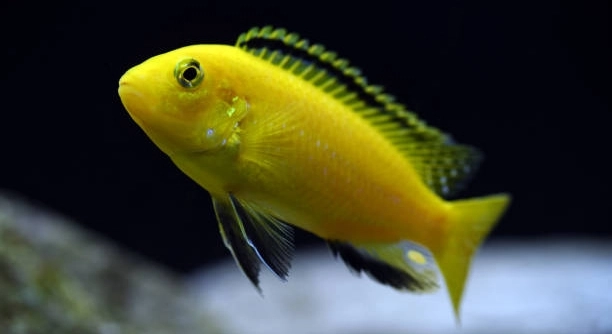
Have you ever noticed your cichlid looks slightly different from others in your tank, showing mixed colors, shapes, or behaviors that seem unusual for its species, leaving you unsure about its true genetic background origins?
Hybrid cichlids can be identified by examining physical traits, coloration patterns, and fin structure that do not align with established species standards. Behavioral inconsistencies and breeding outcomes, when compared with documented lineage data, further support hybrid identification in aquarium settings.
Clear identification helps with responsible care, breeding decisions, and expectations, revealing important details that shape healthier outcomes for your aquarium.
Physical Traits That Signal Hybridization
I often notice hybrid cichlids stand out through subtle physical details rather than dramatic differences. Body shape may appear uneven, with proportions borrowed from multiple species. Color patterns can look blended or inconsistent, lacking the clean lines typical of pure strains. Fins may be longer, shorter, or oddly shaped, especially the dorsal and anal fins. Eye color sometimes appears muted or mismatched with expected markings. Scale texture can vary across the body, creating a patchy appearance under aquarium lighting. Size is another indicator, as hybrids may grow larger or smaller than standard references suggest. When these traits appear together, they usually point toward mixed genetics rather than normal variation within a single recognized species. Over time, repeated observation helps separate harmless variation from consistent patterns that signal hybrid ancestry in home aquariums, especially when compared against reliable species guides and breeder records kept for long term reference and clarity overall.
Physical signs rarely act alone. I rely on comparing multiple traits at once, using photos and notes over time. One odd marking means little, but repeated inconsistencies across shape, color, and fin structure strengthen the case for hybrid identification within mixed stock tanks common in the aquarium trade today widely.
Lighting, stress, and age can temporarily alter a cichlids appearance, which complicates visual assessment. Juveniles often lack defining traits, while older fish may fade or darken. I find it helpful to observe changes across months rather than days. Comparing your fish to verified photographs from reputable sources reduces confusion. Consistency matters more than perfection. When unusual traits remain stable despite environmental adjustments, genetics become a stronger explanation. Careful observation paired with patience allows physical evidence to speak clearly, avoiding rushed conclusions based on a single glance and supporting better decisions for care and breeding management in shared aquarium environments overall.
Behavioral and Breeding Clues
Behavior often reveals what appearance cannot. Hybrid cichlids may show mixed aggression levels, unusual mating habits, or social responses that differ from species norms. I pay close attention during feeding and breeding periods, when these patterns become most noticeable and consistent over time in community tanks with varied species present.
Pure cichlid species usually follow predictable social rules, especially during spawning. Hybrids can blur those lines. Pairing may occur with unexpected partners, or courtship displays may look incomplete or mismatched. Egg laying can be inconsistent, and fry survival is often low or unpredictable. I have learned that repeated failed spawns, when husbandry is sound, often signal genetic incompatibility. Territorial behavior may also appear uneven, shifting between extremes without clear triggers. Comparing these actions to documented species behavior provides useful context. Record keeping helps here. Writing down dates, tank conditions, and interactions makes patterns easier to spot. Over time, behavioral evidence adds weight to physical observations. Together, they form a clearer picture of whether a cichlid represents a true species or a hybrid shaped by mixed lineage. This approach reduces guesswork and supports responsible breeding choices. It also helps manage expectations about growth, temperament, and compatibility. I find that patience and documentation prevent assumptions based on isolated incidents. When behavior consistently falls outside known standards, the explanation becomes increasingly difficult to ignore. These insights guide long term care decisions and promote healthier aquarium populations overall for keepers who value accuracy and stability in their tanks across shared setups and breeding programs.
Genetic Background and Lineage
I rely heavily on background information when physical signs feel unclear. Store labels, breeder notes, and purchase history often reveal mixed breeding practices. Many hybrids originate from mass breeding facilities where separation between species is inconsistent, making lineage documentation an important indicator for long term aquarium planning and responsible ownership.
When lineage records are missing, I compare the fish against recognized species profiles from reliable databases. Color charts, body ratios, and fin measurements help narrow possibilities. Hybrids usually fail to align fully with any single profile. This mismatch becomes clearer when multiple references are used. I avoid relying on one source alone, since natural variation exists. Cross checking information reduces mistakes. Over time, repeated inconsistencies point toward mixed genetics rather than rare morphs. This method takes patience but provides a grounded approach that supports accurate identification without speculation in home aquariums with varied stock and uncertain breeding histories overall today.
I also consider growth patterns when assessing hybrid status. Some fish grow unevenly, with bodies outpacing head development or fins lagging behind size. Feeding remains consistent, yet proportions shift unexpectedly. Comparing growth rates to known standards helps clarify this issue. Hybrids may mature faster or slower than expected. I track size monthly and note changes. Stable conditions remove environmental causes, leaving genetics as a factor. This long view prevents rushed labels and improves confidence in identification decisions over time, especially in mixed community tanks where comparison is easier and observation becomes routine for me personally each month consistently overall again.
Responsible Care and Breeding Choices
Knowing whether a cichlid is a hybrid directly affects how I manage care. Tank mates, space, and breeding plans depend on predictable traits. Hybrids can display unexpected aggression or pairing behavior. Clear identification helps prevent accidental crosses and reduces stress within the aquarium environment by allowing more informed stocking decisions and long term stability for both fish and keeper, especially when maintaining shared tanks with limited space and established hierarchies already present inside systems today.
I avoid breeding fish with uncertain genetics, even when appearance seems appealing. Hybrid offspring often lack consistency, which complicates placement and long term care. Many keepers are unprepared for unexpected size or temperament shifts. By identifying hybrids early, I can make ethical decisions that limit further mixing. This protects established strains and supports healthier populations. Transparency matters when rehoming fish. Accurate labeling prevents confusion and disappointment. Responsible choices reflect respect for the species and the hobby. Clear identification is not about judgment, but about informed stewardship and maintaining balance in closed aquarium systems where space, resources, and genetics cannot correct themselves, making prevention more effective than correction over time in captivity settings that depend entirely on human decisions and consistency daily overall management practices applied.
Observation Over Time
I watch how my cichlid interacts daily, noting shifts in dominance, feeding order, and territory use. Hybrids often change behavior without clear triggers, alternating between shy and assertive. These patterns persist even when tank conditions remain stable and consistent over time across months of close observation in home aquariums overall.
Feeding responses also offer clues. Some hybrids eat aggressively one day, then hesitate the next. I notice inconsistent reactions to tank mates and food types. When these shifts repeat despite steady routines, genetics become a likely factor influencing behavior rather than environment over long periods of time in captivity settings.
Using Expert Insight
I find expert opinions useful when uncertainty remains. Breeders, aquatic veterinarians, and species focused forums provide insight based on pattern recognition and experience. Clear photos, growth records, and behavior notes improve feedback quality. I avoid quick identifications and compare multiple responses before drawing conclusions. Professionals often recognize subtle markers missed by casual keepers. This step reduces personal bias and prevents mislabeling rare variations as hybrids. While opinions may differ, repeated agreement carries weight. Seeking guidance does not replace observation, but it strengthens accuracy when evidence feels incomplete. This approach supports informed decisions and responsible aquarium management over time overall consistency.
Accepting Uncertainty
I accept that not every case has a clear answer. Some fish fall between definitions. By focusing on care quality rather than labels, I maintain stable tanks. Identification guides decisions, but daily observation and responsible choices matter more for long term success in home aquarium environments with mixed stock setups.
Can a hybrid cichlid still live a healthy life in a home aquarium?
Yes, hybrid cichlids can live healthy and stable lives when their care needs are met. I focus on water quality, space, and compatible tank mates rather than genetics alone. Health depends more on environment than lineage. Many hybrids are hardy and adapt well, especially when stress is minimized. Clear observation helps adjust care as needed.
Are hybrid cichlids more aggressive than pure species?
Aggression varies widely. Some hybrids are calm, while others show unpredictable shifts. I have noticed that mixed genetics can blur expected behavior patterns, making temperament harder to anticipate. This does not mean aggression is guaranteed. Providing enough space and visual barriers often reduces conflict, regardless of genetic background.
Can hybrid cichlids reproduce successfully?
Some hybrids can reproduce, but results are inconsistent. Fertility may be reduced, and offspring often vary greatly in appearance and behavior. I avoid breeding hybrids because outcomes are unpredictable and can add confusion to the hobby. Failed spawns or low fry survival are common signs of genetic mismatch.
How common are hybrid cichlids in pet stores?
They are very common, especially in large chain stores. Mass breeding operations often house multiple species together, leading to accidental crosses. Labels may be vague or incorrect. I assume mixed lineage unless the source provides clear documentation. This mindset helps set realistic expectations from the start.
Do hybrid cichlids require different care than pure species?
Care is generally similar, but flexibility matters more. I avoid strict species specific setups and instead watch how the fish responds. Adjustments to diet, tank mates, and layout may be needed. Since traits can vary, observation guides better than rule based care.
Can a hybrid be mistaken for a rare color morph?
Yes, this happens often. Some hybrids resemble uncommon variants, especially when young. I compare multiple traits rather than color alone. True morphs usually maintain consistent patterns tied to known species. Hybrids tend to show mismatched features that do not align fully with documented morph standards.
Is it ethical to keep hybrid cichlids?
Keeping them is not unethical. Problems arise when they are bred or sold without disclosure. I believe responsibility lies in transparency and informed care. Providing a stable home and avoiding further mixing supports ethical aquarium keeping, regardless of a fish’s origin.
Should hybrid cichlids be housed separately?
Not always. Compatibility matters more than genetics. I evaluate tank mates based on size, temperament, and territory needs. Some hybrids do well in community tanks, while others require more controlled setups. Separation becomes useful when behavior creates ongoing stress for other fish.
Can DNA testing confirm hybrid status?
DNA testing exists but is rarely practical for hobbyists. Cost and access limit its use. I rely on physical traits, behavior, and background information instead. While not perfect, this approach is usually sufficient for responsible care decisions in home aquariums.
Does hybrid status affect lifespan?
Not directly. Lifespan depends on care quality, diet, and environment. I have seen hybrids live as long as pure species when conditions are stable. Stress and poor compatibility shorten lifespan more than mixed genetics. Consistent routines support longevity.
Why do some keepers strongly avoid hybrids?
Many want to preserve recognized species and predictable traits. I understand this view, especially for breeders. For display tanks, hybrids can still be rewarding. Clear goals matter. Problems arise when expectations and reality do not align.
How can I avoid buying a hybrid in the future?
I choose reputable breeders, ask for lineage information, and research before purchasing. Visual comparison helps, but source matters most. Avoiding mixed tanks at sellers reduces risk. Even then, certainty is not guaranteed, so flexibility remains important.
Does identifying a hybrid change daily care routines?
Daily routines stay mostly the same. What changes is how I interpret behavior and growth. I avoid rigid expectations and adjust gradually. Knowing a fish may be a hybrid encourages patience and observation rather than quick corrections.
Can hybrid cichlids be rehomed responsibly?
Yes, with honesty. I clearly state uncertainty or confirmed hybrid status. This allows new keepers to decide with full information. Transparency builds trust and prevents disappointment. Responsible rehoming supports the health of the hobby overall.
Is it wrong to enjoy the appearance of hybrid cichlids?
No. Many hybrids are visually striking. Appreciation becomes an issue only when it encourages careless breeding. I enjoy their uniqueness while remaining mindful of long term impacts. Balance between enjoyment and responsibility keeps aquarium keeping sustainable and rewarding.
Final Thoughts
Understanding whether a cichlid is a hybrid is not about assigning value or diminishing its place in an aquarium. For me, it has always been about clarity and responsibility. When I know what I am working with, I can make better decisions about tank setup, companions, and long term care. Hybrids are often the result of common industry practices, not poor choices by keepers. Accepting that reality removes frustration and replaces it with practical thinking. Instead of chasing perfect identification, I focus on patterns that repeat over time. Physical traits, behavior, and growth together tell a more reliable story than any single feature. This mindset keeps expectations realistic and prevents constant second guessing. It also helps me enjoy the fish for what it is, rather than what I hoped it might be. Clear observation builds confidence, and confidence leads to calmer, more consistent care.
I have learned that patience matters more than certainty. Many aquarists rush to label their fish, especially when differences appear. I used to do the same. Over time, I realized that slow observation gives better results. Cichlids change as they mature, settle into hierarchy, and respond to their environment. Jumping to conclusions often creates unnecessary adjustments that cause stress. By allowing time to reveal stable traits, I reduce intervention and let the aquarium find balance. Hybrid or not, a fish responds best to steady routines and thoughtful changes. Documentation helps here. Simple notes about size, color shifts, and behavior create a clearer picture months later. This approach feels less reactive and more grounded. It also reminds me that aquarium keeping is not about control, but about guidance and response. The more I observe, the less I feel the need to interfere.
At the end of the day, identifying a hybrid is a tool, not a goal. It supports ethical choices, informed care, and realistic expectations. It helps prevent accidental breeding and protects established strains, which matters to many keepers. At the same time, it does not define the worth of the fish. Every cichlid in my care depends on me for stability, regardless of genetics. When I prioritize health, space, and compatibility, most other concerns fall into place. Hybrid awareness sharpens decision making without turning aquarium keeping into a rigid exercise. It encourages learning while leaving room for acceptance. That balance is what keeps the hobby enjoyable and sustainable for me. Clear information paired with calm care creates healthier tanks and a more rewarding experience overall.

Hello,
If you enjoy the content that we create, please consider saying a "Thank You!" by leaving a tip.
Every little bit helps us continue crafting quality advice that supports the health, happiness, and well-being of pets around the world, for pets of all shapes, sizes, and species.
We really appreciate the kindness and support that you show us!